

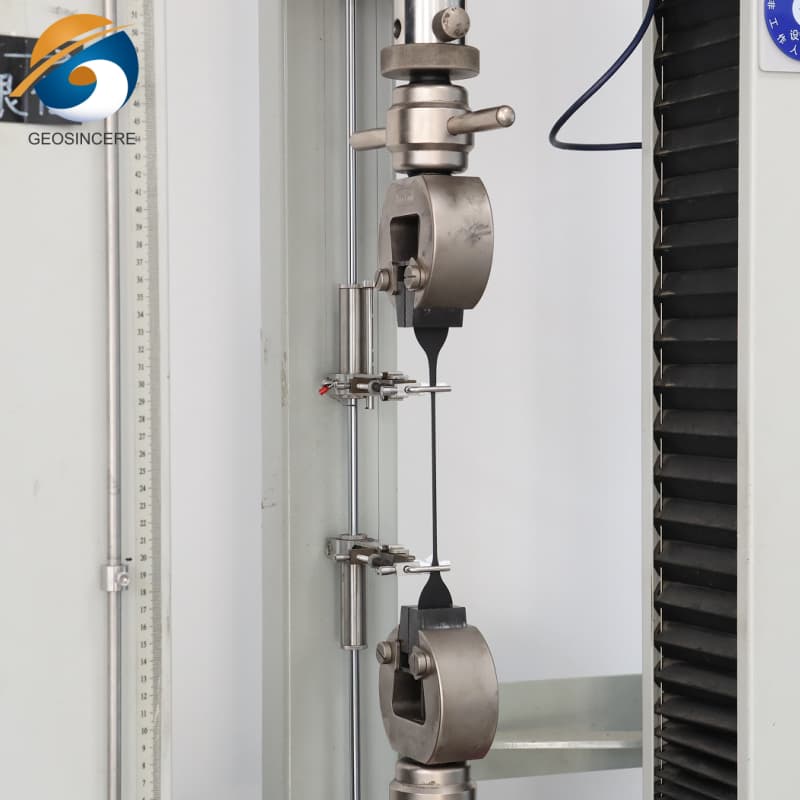
HDPE Liner 1.5 mm
HDPE Liner 1.5 mm is a durable, impermeable geomembrane designed to provide reliable fluid containment and soil protection. Made from high-quality HDPE, it offers strong tensile strength, puncture resistance, chemical stability, and low permeability for demanding containment projects.
- Strong Impermeability: Helps prevent water and liquid leakage.
- High Puncture Resistance: Suitable for challenging ground conditions.
- Excellent Chemical Resistance: Performs well with wastewater, mining liquids, and industrial fluids.
- Flexible Installation: Available in smooth or textured surfaces for different project needs.
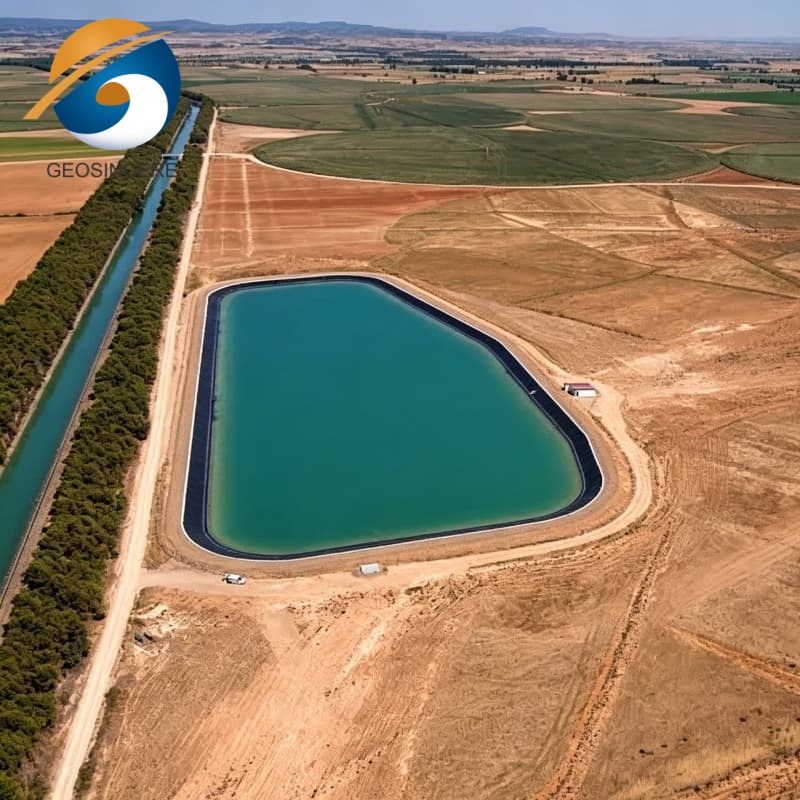
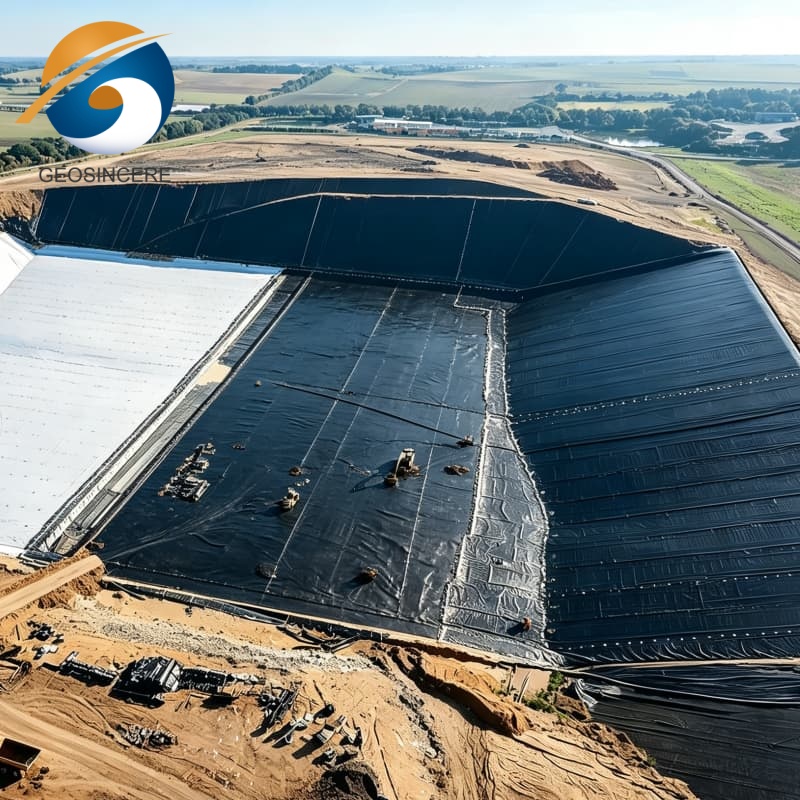
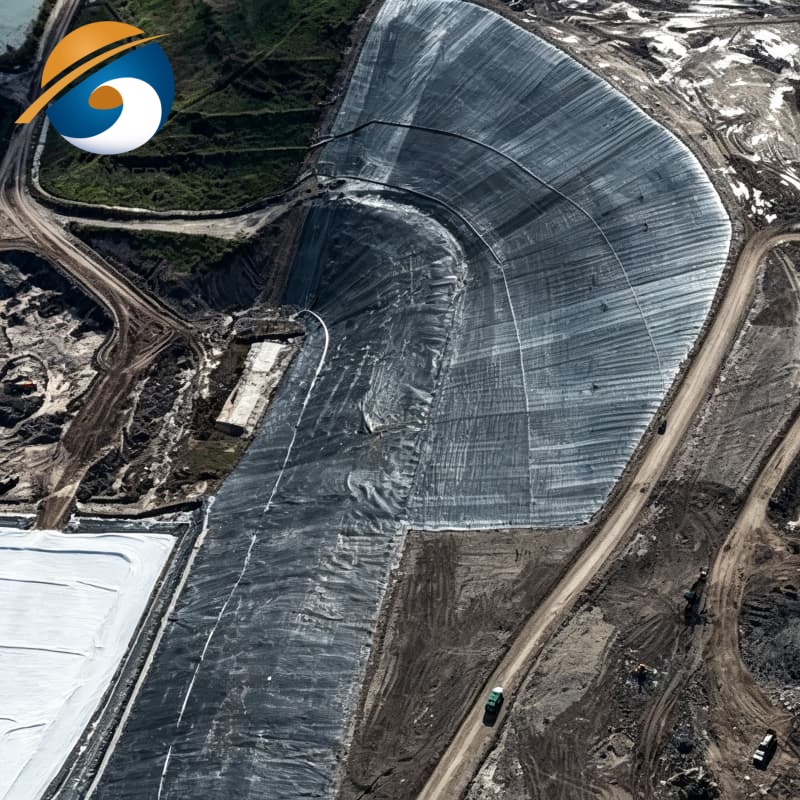
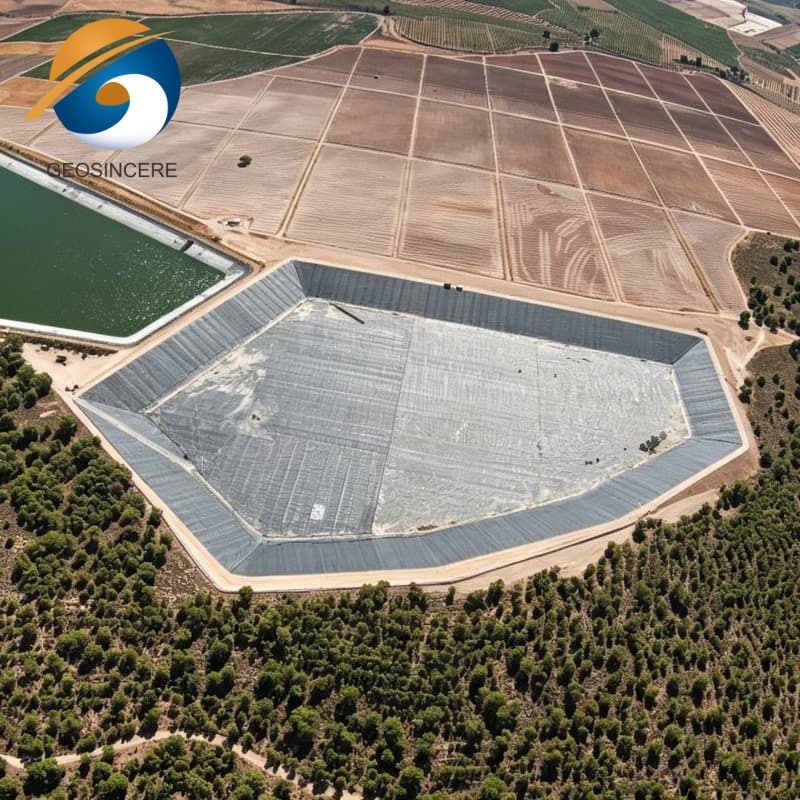
- Wide Applications: Ideal for ponds, reservoirs, wastewater lagoons, landfills, mining pads, and containment areas.
- Long Service Life: Designed for durable performance in outdoor and buried applications.
High-Density Polyethylene (HDPE) liner 1.5 mm is an industry-standard, high-performance geomembrane engineered to deliver outstanding impermeability, chemical resistance, and long-term durability for demanding containment applications. Manufactured from premium raw polyethylene resin combined with specialized carbon black and antioxidants, this smooth or textured sheet acts as an impenetrable barrier against hazardous liquids, toxic chemicals, and severe environmental pollutants. Featuring exceptional tensile strength, superior puncture resistance, and robust UV stability, the 1.5 mm thickness strikes an ideal balance between flexibility for efficient installation and structural integrity to withstand heavy stress, mechanical wear, and extreme temperature fluctuations. Consequently, HDPE liner 1.5 mm is widely utilized as a reliable lining solution across diverse sectors, including solid waste landfills, mining heap leach pads, wastewater treatment facilities, secondary containment systems, and large-scale agricultural ponds.
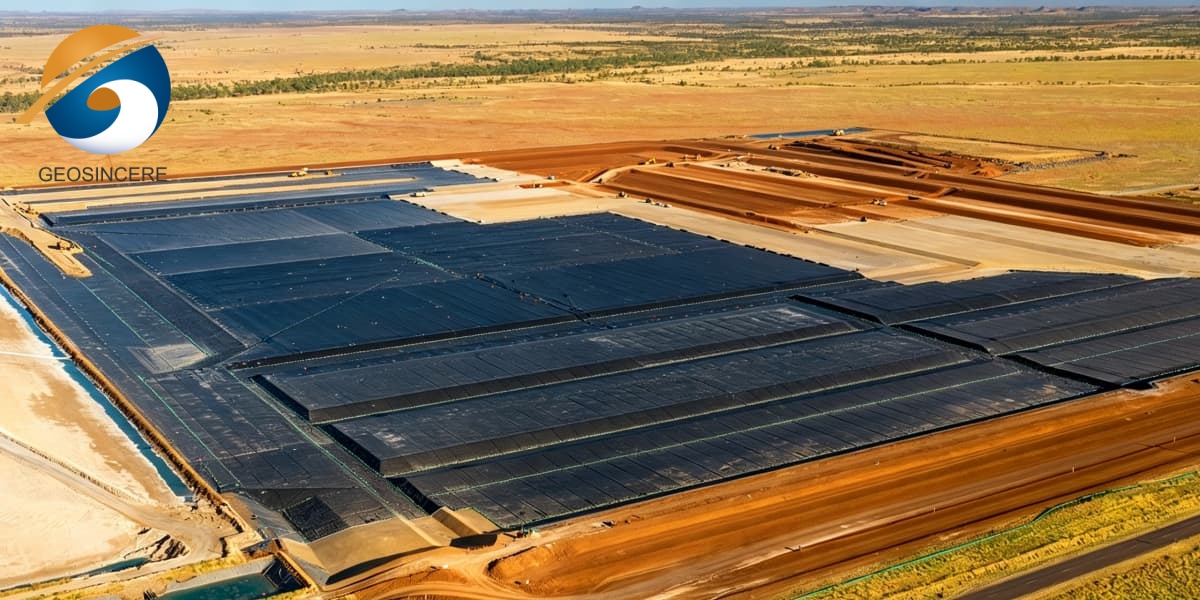
1. HDPE Liner 1.5 mm Overview
An Engineered High-Density Polyethylene (HDPE) Liner is an impermeable synthetic membrane barrier manufactured from premium-grade polyethylene resin. Unlike standard industrial plastics, agricultural films, or temporary covers, a 1.5 mm HDPE geomembrane is a heavy-duty containment solution specifically engineered to prevent liquid migration, chemical seepage, and environmental contamination.
1.1 Key Differentiators: Engineering vs. Commodity Plastics
1.1.1 Polymer Molecular Structure:
Formulated with high-density polymers (density ≥ 0.941 g/cm³) arranged in a tightly packed crystalline structure. This yields far superior tensile strength, chemical resistance, and impermeability compared to low-density (LDPE) or recycled films.
1.1.2 Engineered Impermeability:
Standard agricultural or construction films possess micro-porosity and rapid degradation profiles under UV exposure. A 1.5 mm HDPE liner maintains an extremely low hydraulic conductivity rate (typically K < 10⁻¹³ cm/s), acting as an absolute physical barrier to fluid migration.
1.1.3 Environmental Barrier Performance:
Designed to isolate volatile organic compounds (VOCs), harsh acids, alkaline effluents, and toxic leachates from migrating into surrounding soil matrices and underlying aquifers.
1.1.4 Heavy-Duty Service Life:
Optimized with thermal stabilizers and carbon black to resist environmental stress cracking (ESCR), oxidation, and severe ambient conditions over long operational lifetimes.
2. Reasons to Choose a HDPE Liner 1.5 mm
Selecting the optimal geomembrane thickness requires balancing structural resilience, site geology, installation conditions, and capital expenditure. The 1.5 mm (60 mil) specification serves as the international benchmark for mid-to-heavy-duty civil and environmental engineering projects.
2.1 The Engineering Equilibrium of HDPE Liner 1.5 mm
2.1.1 Optimal Mechanical Strength vs. Flexibility:
- Thinner liners (0.75 mm–1.0 mm) offer high flexibility but carry elevated risks of subgrade puncture and installation damage.
- Thicker liners (2.0 mm–3.0 mm) provide maximum puncture resistance but are significantly heavier, stiffer, and more challenging to conform to complex subgrade contours, pipe boots, and sump details.
- The 1.5 mm specification strikes an ideal balance: high tensile and puncture resistance paired with sufficient field ductility for efficient thermal seam welding and site adaptation.
2.1.2 Puncture and Subgrade Adaptability:
A 1.5 mm thickness provides the material mass required to bridge minor subgrade irregularities, angular aggregates, and localized soil settling without suffering localized yield or stress cracking under hydrostatic pressure.
2.1.3 Cost-Efficiency for Major Projects:
For large-scale containment works, specifying 1.5 mm over 2.0 mm reduces raw material freight weights and handling costs while exceeding the structural minimums required by standard environmental regulations (such as GRI-GM13).
3. Engineering Problems Solved by HDPE Liner 1.5 mm
Raw fluid storage and waste management systems face continuous geotechnical, chemical, and environmental stresses. A 1.5 mm HDPE liner provides a permanent containment barrier across diverse civil engineering challenges:
3.1 Soil and Groundwater Pollution:
Prevents toxic industrial effluents, heavy metals, and leachate from penetrating agricultural soils or surrounding water tables.
3.2 Subgrade Fluid Migration:
Eliminates volumetric loss in raw water storage reservoirs, irrigation canals, and fire protection ponds caused by porous subsoils.
3.3 Chemical Infiltration:
Protects structural earthworks from aggressive chemical compounds, acidic mine drainage, and hydrocarbon derivatives.
3.4 Leachate Containment:
Serves as the primary liner layer in municipal solid waste (MSW) landfills, safely impounding complex chemical mixes for treatment.

4. HDPE Liner 1.5 mm Key Performance Characteristics
Performance Category | Engineering Property | Functional Value |
Barrier Integrity | Hydraulic Permeability (K < 10⁻¹³ cm/s) | Near-zero fluid transmission; isolates volatile and hazardous compounds. |
Mechanical Performance | High Yield & Break Tensile Strength | Accommodates structural settlement, dynamic earth movement, and high hydrostatic loads. |
Physical Toughness | Puncture & Tear Resistance | Resists installation damage caused by subgrade aggregate contact and heavy deployment machinery. |
Chemical Resistance | Broad Chemical Inertness | Unaffected by strong acids, alkalis, salts, alcohols, and aliphatic hydrocarbons. |
Environmental Aging | UV & Carbon Black Stabilization | Formulated with 2.0–3.0% fine carbon black to prevent photo-oxidation under direct sunlight exposure. |
Thermal Range | Low Thermal Expansion/Contraction Stress | Maintains physical integrity in temperatures ranging from sub-zero conditions to high-heat liquid impoundments. |
Field Weldability | Thermal Fusion Integrity | Enables homogeneous dual-track fusion welding, creating continuous liquid-tight seams equal to or stronger than the parent sheet. |
5. HDPE Liner 1.5 mm Raw Material & Manufacturing Quality
The operational lifespan of an HDPE geomembrane depends directly on the quality of its input resin and manufacturing process. Lower-grade liners manufactured with recycled resins or off-spec polymers suffer from rapid stress cracking, premature oxidation, and field seam failures.
5.1 Material Composition Standards
5.1.1 100% Virgin HDPE Resin:
Formulated exclusively from prime-grade, un-recycled polyethylene resin.
Guarantees uniform molecular weight distribution, yielding maximum stress-crack resistance (OIT and SP-NCTL values).
5.1.2 Carbon Black Dispersion:
Incorporates 2.0% to 3.0% high-purity carbon black for maximum protection against shortwave ultraviolet radiation.
Uniform dispersion prevents localized hot spots or UV degradation zones.
5.1.3 Antioxidant Thermal Package:
Enhanced with Hindered Amine Light Stabilizers (HALS) and phenolic antioxidants to prevent polymer degradation during high-temperature extrusion and long-term field service.
5.1.4 GRI-GM13 Compliance:
Manufactured to meet or exceed the stringent international performance standards established by the Geosynthetic Institute (GSI).
6. HDPE Liner 1.5 mm Surface Selection: Smooth vs. Textured
Selecting between smooth and textured surfaces is critical to ensuring subgrade stability, interface shear strength, and overall geotechnical safety across various project conditions.
6.1 When to Specify Smooth HDPE Liner
6.1.1 Flat-Bottom Impoundments:
Ideal for horizontal containment bases, flat lagoon floors, and shallow water storage where slope stability is not a operational concern. Without slope-induced shear stresses, the smooth surface provides maximum impermeability without unnecessary surface friction.
6.1.2 Maximized Fluid Flow & Cleanout Efficiency:
Smooth surfaces minimize hydraulic resistance, facilitating rapid fluid movement and preventing the buildup of debris or sludge. This ultra-smooth finish allows for easier, faster sediment cleanout and low-friction maintenance procedures during routine operations.
6.1.3 Lower Material Production Costs:
The smooth extrusion manufacturing process involves fewer processing steps, offering the most economical per-square-meter material cost. This makes it the most cost-effective choice for large-area, flat applications where high friction is redundant.
6.2 When to Specify Textured HDPE Liner
6.2.1 Steep Side Slopes:
Highly recommended and often mandatory on slope angles exceeding 1:3 (18°) to prevent mechanical sliding between the geomembrane, adjacent soil layers, or protective geotextiles under heavy loads or seismic activity.
6.2.2 Slope Stability Optimization:
The raised polymer texture significantly increases the interface friction angle with surrounding subgrades, geotextiles, or geocomposites. This enhanced friction prevents catastrophic slope failure and liner slippage, ensuring structural integrity throughout the facility's design life.
6.2.3 Versatile Texturing Options:
Available in Single-Textured configurations—ideal for slope-to-flat transitions where friction is only needed on one contact face—and Double-Textured configurations, which provide maximum dual-sided friction for complex, multi-layer slope stabilization systems.

7. Thickness Selection Guide: HDPE Liner 1.5 mm vs. Alternatives
Selecting the correct geomembrane thickness requires evaluating risk factors, subgrade conditions, and service life expectations. Key Engineering Decision Factors.
7.1 Particle Size of Subgrade:
Coarser or more angular subgrade materials require increased liner thickness or protective geotextiles to prevent point-load punctures.
7.2 Chemical Concentration & Temperature:
Higher chemical concentrations or elevated fluid temperatures accelerate polymer aging, requiring greater material thickness to maintain design life.
7.3 Head Pressure:
Deep containment structures with substantial water heads (e.g., > 10 meters) exert higher hydrostatic pressures, favoring 1.5 mm or thicker membranes.
8. HDPE Liner 1.5 mm Quality Control & Factory Acceptance Testing
Every roll of BPM 1.5 mm HDPE geomembrane undergoes strict quality verification throughout the production lifecycle to prevent non-conforming materials from reaching the project site.
8.1 Raw Material Verification:
Testing incoming resin lots for Density (ASTM D1505) and Melt Flow Index (MFI - ASTM D1238) prior to production entry.
8.2 In-Line Thickness Monitoring:
Continuous automated ultrasonic gauging scans across the sheet during extrusion, ensuring compliance with nominal thickness standards.
8.3 Laboratory Verification:
Finished roll samples undergo mechanical testing for tensile yield/break strength, tear resistance, puncture resistance, and carbon black dispersion.
8.4 Pre-Shipment Documentation:
Providing a certified Material Test Report (MTR/FAT) traceable to specific roll identification numbers with every shipped container.
9. HDPE Liner 1.5 mm – Frequently Asked Questions
Q1: What thickness is HDPE Liner 1.5 mm in mil?
A: A 1.5 mm HDPE liner is approximately 60 mil thick, making it a common heavy-duty geomembrane specification for water containment, wastewater, mining, and industrial applications.
Q2: How strong is a HDPE Liner 1.5 mm?
A: Its mechanical performance depends on the resin formulation and manufacturing process, but 1.5 mm HDPE geomembrane generally provides substantially higher puncture and tear resistance than thinner liners. Project specifications should be checked against the required tensile, puncture, tear, and seam properties.
Q3: Can HDPE Liner 1.5 mm be welded?
A: Yes. HDPE geomembrane panels are typically joined by thermal fusion welding. Automatic wedge welding is commonly used for long seams, while extrusion welding can be used for details, penetrations, repairs, and difficult connection areas.
Q4: How do I prevent punctures when installing HDPE Liner 1.5 mm?
A: Prepare a smooth, compacted subgrade and remove sharp stones, roots, debris, and other damaging objects before installation. Where the subgrade presents higher puncture risks, a nonwoven geotextile protection layer can be installed beneath the geomembrane.
Q5: Does HDPE Liner 1.5 mm need a protective geotextile?
A: Not in every application. The need depends mainly on subgrade conditions, aggregate size, installation environment, and project loading. A protective geotextile is advisable when sharp or angular materials could create concentrated puncture loads.
Q6: How much does HDPE liner 1.5 mm cost?
A: The price depends on resin quality, surface type, roll dimensions, order quantity, certifications, packaging, shipping destination, and project requirements. For an accurate quotation, suppliers normally need the required thickness, area, specifications, and delivery location.
Q7: What information is needed to order HDPE liner 1.5 mm?
A: Buyers should normally provide the required area, project application, liner surface type, roll dimensions, color, installation conditions, applicable standards, quantity, and delivery destination. A site drawing or dimensions can also help the manufacturer optimize panel sizes and reduce field seams.
10. Recommendation Summary
Shandong Geosino New Material Co., Ltd. (GEOSINCERE Geosynthetics) offers HDPE liner 1.5 mm as a dependable solution for demanding waterproofing and containment projects. Manufactured from high-quality HDPE, the liner provides a strong combination of tensile strength, puncture resistance, chemical resistance, flexibility, and low permeability. It is suitable for landfill leachate ponds, mining containment areas, wastewater treatment ponds, agricultural reservoirs, aquaculture ponds, and industrial liquid storage. With professional production, strict quality control, and flexible customization of size, surface, color, and packaging, GEOSINCERE Geosynthetics helps customers select a practical liner system based on project conditions, installation requirements, and long-term containment needs.


