

What is High Density Polyethylene Geomembrane?
In recent times, high density polyethylene geomembrane has emerged as the single most widely utilized impermeable liner material in a broad range of modern civil engineering, environmental, and industrial containment projects. The reason for such popularity is chiefly due to the outstanding chemical resistance, durability, and long service life of HDPE geomembrane, which have made it a core part of geosynthetic systems all over the world.
The present article will go into detail about high density polyethylene geomembrane, clarifying what it is, how it is made, its essential characteristics, the uses of the product, pros and cons, and the methodology for choosing the best HDPE geomembrane for a project.
1. What is High Density Polyethylene Geomembrane?
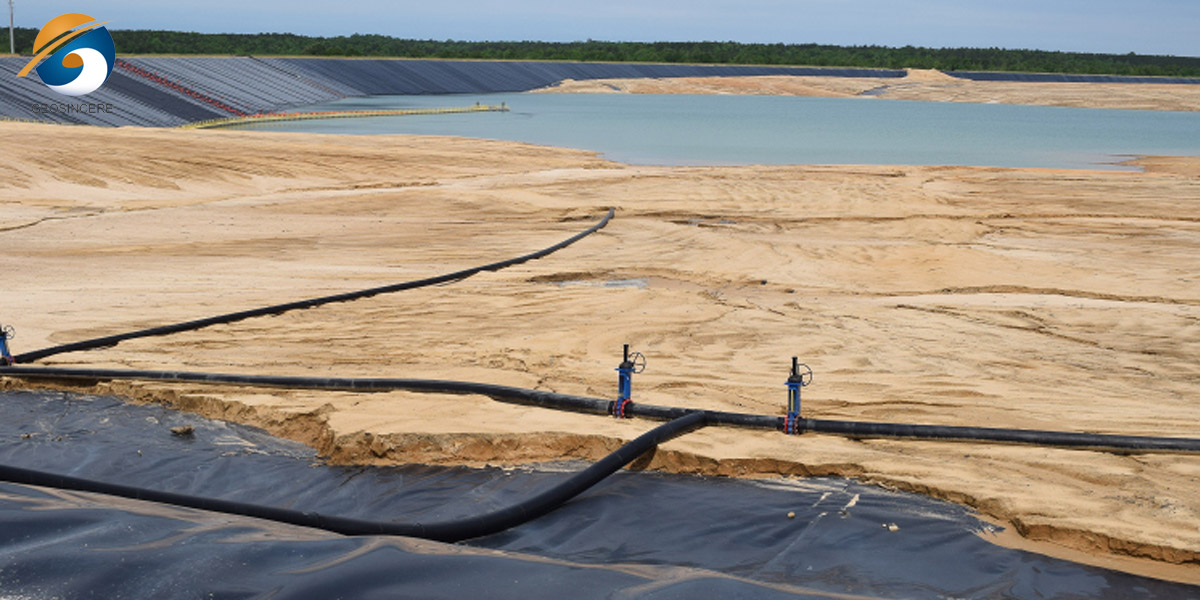
High density polyethylene (HDPE) geomembrane is a synthetic, polymeric sheet product whose primary ingredient is high density polyethylene resin. It is designed to function as a barrier with very low permeability. In general, its main point is to isolate an area or volume and prevent the leakage or passage of liquids, gasses, or even pollutants therein or therefrom.
As a rule, hdpe geomembrane sheets are made into great rolls which are then installed gas-tight and waterproof by thermal welding which makes them one unit/fabric. Thanks to the high-density molecular configuration, HDPE polyethylene geomembrane thus produced have higher tensile strength, stiffness, and chemical resistance properties than many other geomembrane materials.
2. High Density Polyethylene Geomembrane Raw Materials and Manufacturing Process
2.1 Raw Materials
The fabrication of high density polyethylene pond liner involves the use of high-density polyethylene resins that can be a hundred percent virgin materials or partly recycled materials, depending on the application needs. Typically, carbon black at 2.0–3.0% is added to improve UV resistance and thus protect the product against long-term sunlight - exposure. Besides, antioxidants and stabilizers are also included in the packaging to enhance thermal and oxidative stability, which allows the product to perform well consistently even under very harsh environmental conditions.
When it comes to high standard uses such as landfills, waste disposal sites, and other hazardous waste containment systems, it is a rule that 100% virgin HDPE resin be used. This guarantees the best mechanical strength result, unchanged durability, and that all the international quality and environmental protection standards are met.
2.2 Manufacturing Methods
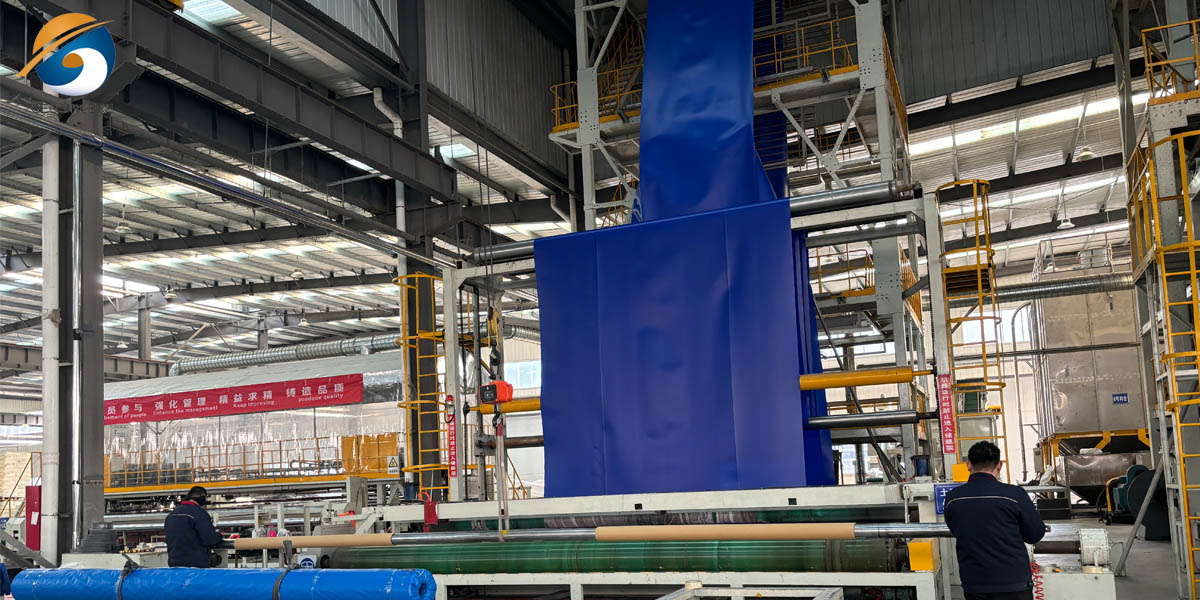
There are two principal methods of producing hdpe geomembrane liner, which are: blown film and calendering (flat die) processes.
The blown film process produces geomembranes with well-balanced mechanical properties, improved stress crack resistance, and more uniform thickness. This method is especially suitable for high-performance applications where long-term reliability is essential.
The calendering (flat die) process offers higher production efficiency and produces geomembranes with a smoother surface finish and slightly higher stiffness. This method is often preferred for projects requiring high output and consistent surface quality.
Both methods are very common in the industry. However, when the applications are demanding from the point of view of environmental protection and containment, the high quality blown film hdpe geomembrane sheet is generally preferred because of their extreme durability and performance stability.
3. High Density Polyethylene Geomembrane Physical and Mechanical Properties
HDPE geomembrane is one of those materials which is highly appreciated on the basis of its physical and mechanical properties, and this is why it is used in different applications for containment and protection where reliability matters a lot.
3.1 Key Properties
HDPE membrane sheet materials have a density of ≥ 0.94 g/cm³, thus they are very close in compactness and take on a very stable structure. In addition to that, their tensile strength is very high which means that they can resist the pulling and stretching forces that come during installation and coexistence. Also, although high density polyethylene pond liner is very stiff, they still have some degree of flexibility which is proven by their high elongation at break value, which means that they can be laid on irregular surfaces without breaking lengthwise.
Moreover, hdpe geomembrane liner have great puncture resistance which is part of their capability in providing the necessary performance even when placed over rough subgrades or rocky foundations. Due to the very low permeability of hdpe geomembrane sheet, they are almost completely impermeable to water and most liquids. This means that they would be greatly effective in the leakage prevention and containment of liquids.
3.2 Chemical and Environmental Resistance
High density polyethylene hdpe liners exhibit very good resistance to a wide range of chemicals and environmental factors. The chemical resistance of these membranes is so high that they can resist acids, alkalis, and salts and even hydrocarbons besides a variety of industrial chemicals. The presence of waste materials and mining activities was a factor that demanded such a property from the polymer. Besides chemicals, it was also necessary for the membrane to have long-term resistance to UV light. This is possible if carbon black is uniformly dispersed within the polymer matrix. In this case, the high density pond liner material can be exposed to the outdoor environment for a very long time without getting significant UV degradation.
Besides this, HDPE also has a great biodegradation resistance property. That means it is resistant to damage caused by microorganisms, fungi, or plant roots. These features of HDPE have made it a material of choice for the production of hdpe liners to be used for long service life in harsh and aggressive environments.
4. High Density Polyethylene Geomembrane Standard Thickness and Surface Types
4.1 Thickness Range
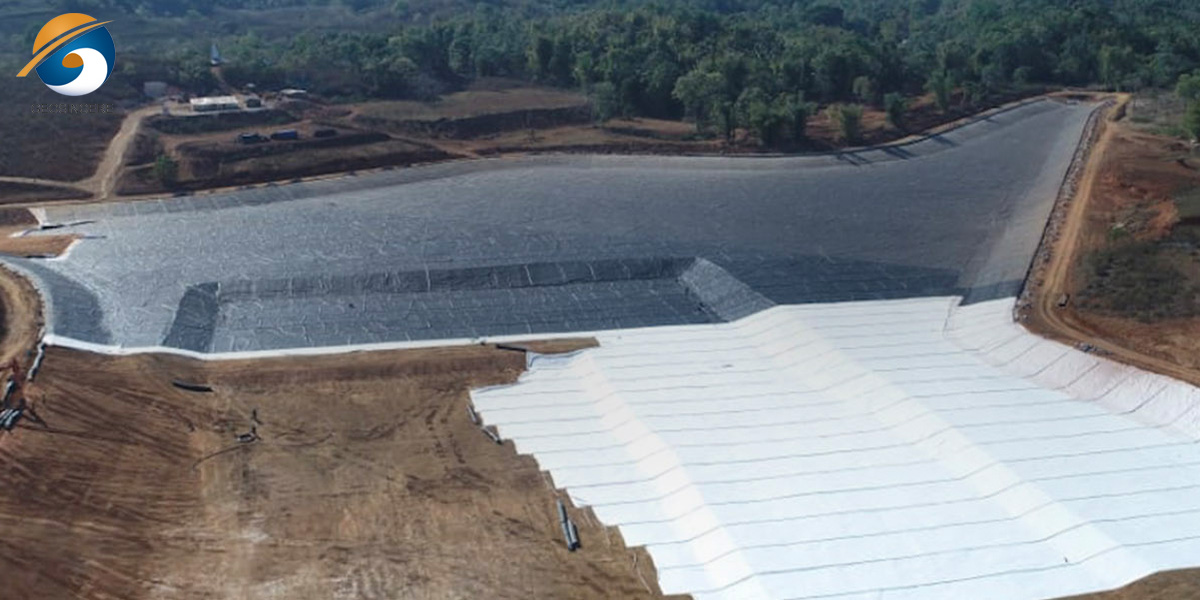
HDPE geomembranes are commonly available in thicknesses from:
- 0.5 mm (20 mil)
- 0.75 mm (30 mil)
- 1.0 mm (40 mil)
- 1.5 mm (60 mil)
- 2.0 mm (80 mil)
Thicker geomembranes provide higher puncture resistance and longer service life but come with increased material and installation costs.
4.2 Surface Types
- Smooth HDPE geomembrane:Used for flat areas such as pond bottoms and reservoirs.
- Textured HDPE geomembrane (single or double side):Provides higher friction angles for slope stability, commonly used on steep embankments and landfill slopes.
5. Common Applications of High Density Polyethylene Geomembrane
Due to its key features such as impermeability, durability, and chemical resistance, high-density polyethylene geomembrane finds application in various industries. It is important in environmental protection, water conservation, mining operations, and infrastructural development.
5.1 Environmental Engineering
In the field of environmental engineering, the use of hdpe geo membrane is very common in the layers of municipal solid waste landfills and in the lining of hazardous waste containment proceeds. This practice is essential in order to prevent contaminants from penetrating the ground and polluting the groundwater. Besides that, Leachate collection systems that capture the liquid and allow for its treatment, as well as sealing and capping systems that prevent water infiltration after landfill closure, also benefit from the use of these hdpe impermeable liner.
5.2 Water Management
Applications of hdpe smooth geomembrane in water management include the lining of aquaculture ponds, irrigation reservoirs, and canals, thus minimizing the water losses and providing efficient water usage. Moreover, water tanks and service reservoirs can also be lined with these membranes for effective water retention and to prevent water seepage especially in arid and semi-arid regions.
5.3 Mining and Energy
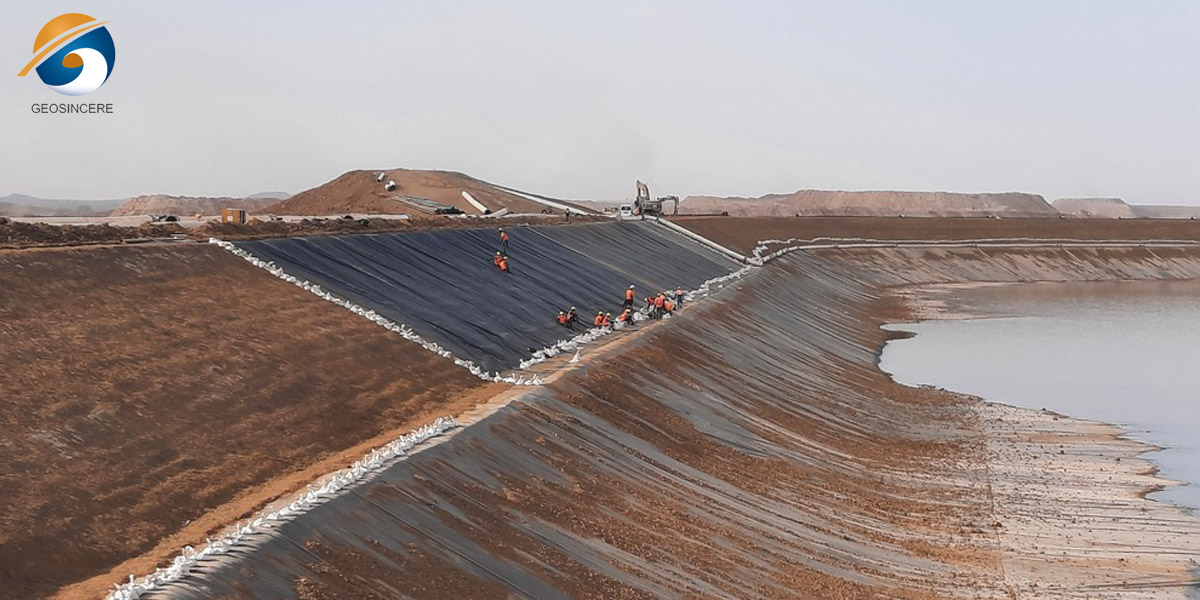
HDPE geo membranes have found extensive uses in mining and energy. For instance, heap leach pads, tailings dams, pulp and solution ponds are lined with such membranes as the liners of the most prominent base of containment of by-products of mining and chemical solutions. The geomembrane liner is also utilized in oil and gas industrial sites to avoid the leakage of hydrocarbons, which in turn, prevent the contamination of natural ecosystems.
5.4 Infrastructure and Civil Engineering
Geomembrana in hdpe is one of the most versatile materials in the field of civil and infrastructure engineering. For example, they can be used as waterproofing barriers for tunnels and underground structures. On the other hand, road and railway subgrade protection involves the use of these membranes to improve the stability of the foundation as well as the drainage performance. Moreover, these hdpe geo membrane is also used for secondary containment systems and both artificial and landscaping water bodies as such lakes and ponds and provide additional benefits in the form of long-term water retention and beauty of the locality.
6. Advantages of High Density Polyethylene Geomembrane
There are certain distinctive benefits that HDPE geomembranes bring to the table over the other lining materials.
6.1 Long Service Life
Properly designed and installed geomembrane sheet have the potential to remain functional for a 30–50 years and beyond even while continually exposed to sunlight and chemicals.
6.2 Cost-Effectiveness
The initial cost of the materials may be higher when compared with some alternatives however, hdpe geomembrane liner help in cutting down the maintenance and replacement costs significantly in the long run.
6.3 Excellent Weldability
Thermal fusion welding creates seams that are often as strong as or stronger than the parent material, ensuring system integrity.
6.4 Environmental Safety
HDPE geomembrane is non-toxic and environmentally stable, making them suitable for potable water and environmental protection projects.
7. High Density Polyethylene Geomembrane Limitations and Considerations
Despite its advantages, HDPE geomembrane is not suitable for every situation.
7.1 Limited Flexibility at Low Temperatures
Compared to LLDPE or PVC geomembranes, HDPE is stiffer and may crack under extreme cold conditions if not properly handled.
7.2 Installation Sensitivity
Improper subgrade preparation, sharp stones, or poor welding practices can compromise performance.
7.3 Thermal Expansion
HDPE expands and contracts with temperature changes, requiring experienced installation teams and appropriate anchoring designs.
8. High Density Polyethylene Geomembrane International Standards and Quality Control
HDPE geomembranes are typically manufactured and tested according to recognized international standards, including:
- ASTM GRI-GM13
- ISO 9001
- ISO 14001
- ASTM D6693 (stress crack resistance)
- ASTM D5885 (carbon black dispersion)
Quality control includes raw material inspection, in-process monitoring, and final laboratory testing.
9. How to Decide on the Best High Density Polyethylene Geomembrane?
Choosing a suitable HDPE geomembrane is something that is influenced by several key tech and commercial factors. Each one should be carefully studied separately to get an overall project performance just right.
9.1 The Project and the Surrounding Conditions
Each application has its own set of requirements. Landfills, mining, and industrial containment need a very high chemical resistance and long service life; however, water reservoirs and aquaculture ponds mostly require the liner to be impermeable and resistant to UV rays. Besides that, the impact of environmental factors such as sunlight, temperature fluctuations, and mechanical stresses must be taken into account.
9.2 Thickness and Surface Texture
The thickness of the hdpe geomembrane sheet is directly related to its ability to resist punctures and the overall lifetime of the product. The use of thicker liners is highly advisable in the case of projects that are exposed to severe risks. For installations on slopes, the use of textured HDPE geomembranes is a good idea as they offer higher friction and therefore better slope stability, whereas smooth geomembranes are fine for flat ground.
9.3 Chemical Compatibility
HDPE on its own is a chemically resistant material, but in projects where leachate, industrial wastewater, or mining solutions are involved, it is always a good idea to carry out the compatibility test. Chemical type, concentration, and operating temperature are only some of the factors that can affect the long-term behavior of a product.
9.4 Service Life and Standards Compliance
The service life expected from the project should be in line with the expected life of the geomembrane that is to be used. Among the standards that HDPE geomembranes should be in compliance with are GRI-GM13 and the related ASTM specifications, as these help in maintaining the product quality and performance at a certain level.
9.5 Manufacturer Capability and Quality Control
To be able to trust a manufacturer, HDPE liner sheet is necessary that he/she owns state-of-the-art production facilities, conducts strict quality checks, and has worldwide-recognized certifications. Besides, cooperating with a seasoned geomembrane exporter can be great in terms of lowering the technical, logistical, and project risks.
10. High Density Polyethylene Geomembrane vs Other Geomembrane Materials
Compared to other geomembranes:
- HDPE vs LLDPE: HDPE is stronger and more chemically resistant; LLDPE is more flexible.
- HDPE vs PVC: HDPE offers better chemical and UV resistance, while PVC is easier to install in cold climates.
- HDPE vs EPDM: HDPE is more cost-effective for large-scale projects.
Each material has its place, but HDPE remains the preferred choice for high-risk containment applications.
Conclusion
High density polyethylene geomembrane is a critical material in modern environmental protection and civil engineering. Its combination of durability, chemical resistance, impermeability, and long service life makes it the industry standard for containment and lining systems worldwide.
Understanding what HDPE geomembrane is, how it performs, and how to select the right specification is essential for engineers, contractors, and project owners seeking reliable and sustainable solutions.
With proper design, quality manufacturing, and professional installation, Shandong Geosino New Material Co., Ltd. (GEOSINCERE Geosynthetics) HDPE geomembrane delivers long-term performance and environmental security for a wide range of applications.


