Landfill
Landfill Definition
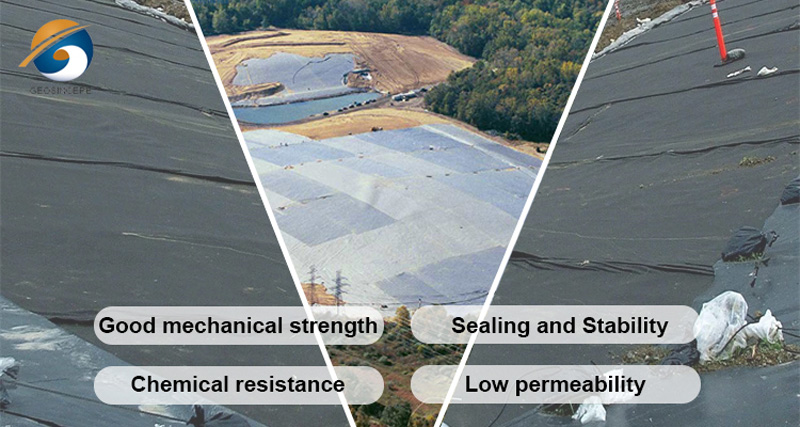
A landfill is an engineered waste containment system designed to isolate municipal, industrial, or hazardous waste from surrounding soil, groundwater, and atmosphere through controlled structural layers, impermeable barriers, and long-term environmental protection measures.
Technical Parameters and Engineering Specifications
Modern landfill systems are governed by strict technical parameters to ensure environmental compliance and long service life.
| System Component | Typical Specification | Reference Standard |
|---|---|---|
| Primary Liner Thickness | 1.5–2.5 mm HDPE | GRI-GM13 / ASTM |
| Hydraulic Conductivity | ≤ 1×10⁻¹³ m/s | ASTM D5887 |
| Leachate Collection Layer | 300–500 mm gravel or geonet | EN / ASTM |
| Geotextile Protection | 300–800 g/m² nonwoven | ASTM D5261 |
| Slope Stability Factor | ≥ 1.3 (static) | Geotechnical Design |
Structural Layers and Material Composition
A landfill system functions as a composite structure composed of multiple engineered layers.
Waste Mass: Compacted municipal or industrial waste
Daily / Intermediate Cover: Soil or alternative cover materials
Leachate Collection System: Drainage gravel, pipes, or geonets
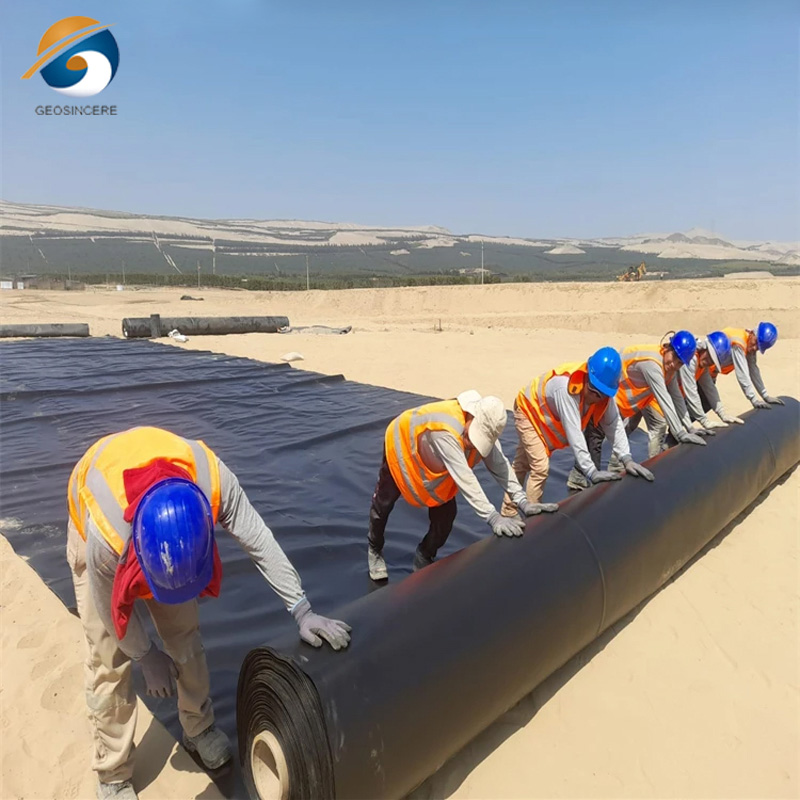
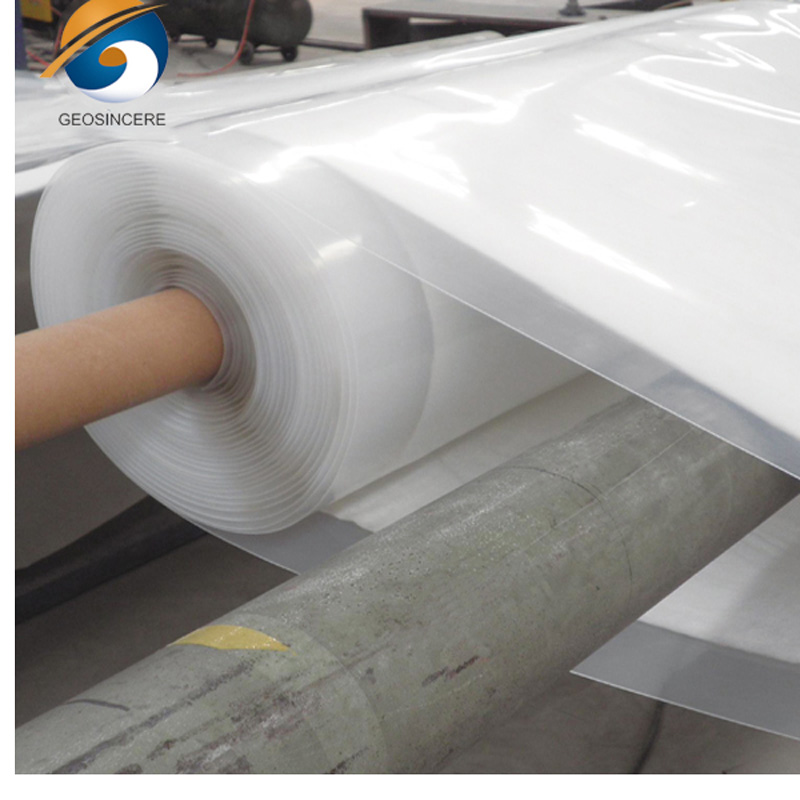
Geomembrane Liner: HDPE or LLDPE impermeable barrier
Geosynthetic Clay Liner (Optional): Secondary containment
Compacted Subgrade: Prepared foundation layer
Manufacturing and System Preparation Process
Geomembrane Manufacturing
Polymer resin formulation with stabilizers
High-temperature extrusion and calendering
Thickness calibration and surface texturing
Online inspection and quality control testing
Landfill System Installation Process
Subgrade compaction and grading
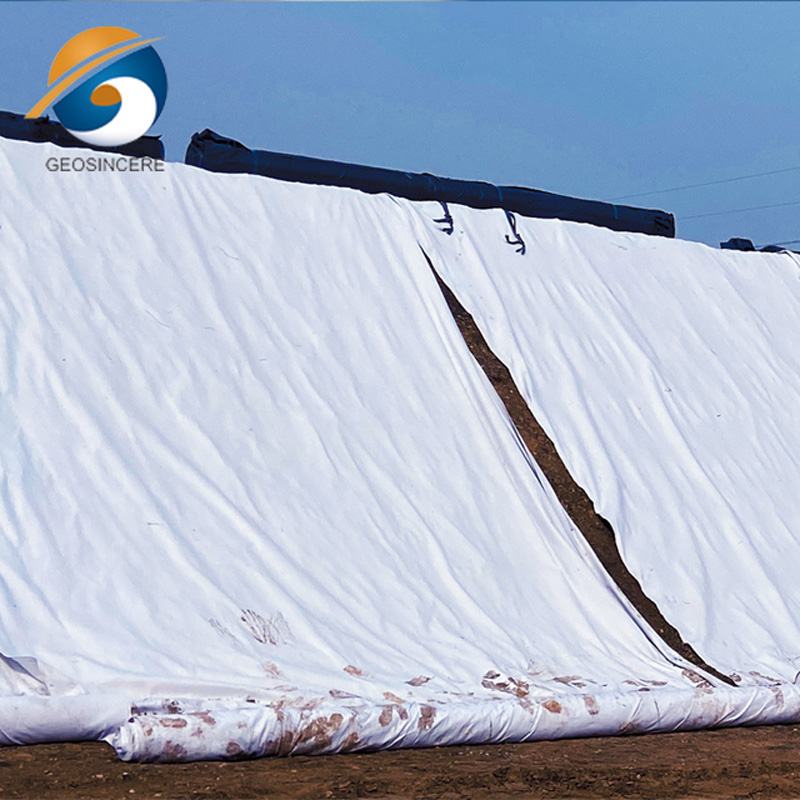
Deployment of geotextile protection layers
Geomembrane liner placement and welding
Non-destructive and destructive seam testing
Leachate drainage layer installation
Industry Comparison: Landfill vs Other Waste Disposal Systems
| System Type | Environmental Control | Capital Cost | Typical Use |
|---|---|---|---|
| Engineered Landfill | High | Medium | Municipal & industrial waste |
| Open Dumping | Low | Low | Unregulated disposal |
| Incineration | Medium | High | Hazardous waste reduction |
| Recycling Facility | High | High | Material recovery |
Application Scenarios and Stakeholders
Landfill systems are specified and executed by multiple professional roles.
EPC Contractors: Turnkey landfill construction projects
Municipal Authorities: Urban solid waste management
Industrial Operators: Hazardous and by-product disposal
Distributors & Importers: Supply of geomaterials and liners
Core Engineering Pain Points and Solutions
Leachate Leakage: Mitigated through composite liner systems
Groundwater Contamination: Controlled by ultra-low permeability barriers
Slope Instability: Addressed using textured geomembranes and analysis
Long-Term Degradation: Managed via UV- and chemical-resistant materials
Risk Warnings and Mitigation Strategies
Improper welding can compromise liner integrity
Inadequate drainage increases hydraulic head pressure
Unprotected liners risk puncture during waste placement
Insufficient monitoring may delay leak detection
Procurement and Selection Guide
Identify waste classification and regulatory requirements
Define liner thickness and material type
Select compatible geotextiles and drainage layers
Verify manufacturer certifications and test reports
Evaluate installation support and QA/QC procedures
Plan long-term monitoring and maintenance strategy
Engineering Case Example
A municipal landfill expansion project utilized a double-liner system consisting of 2.0 mm HDPE geomembrane, geosynthetic clay liner, and leachate collection geonets. The system achieved regulatory approval and ensured groundwater protection over a projected 40-year operational period.
Frequently Asked Questions (FAQ)
Q1: What is the main purpose of a landfill liner?
To prevent leachate migration.Q2: Which liner material is most common?
HDPE geomembrane.Q3: How long does a landfill last?
Typically 30–50 years or more.Q4: Is a single liner sufficient?
Depends on waste classification.Q5: What causes liner failure?
Poor installation or mechanical damage.Q6: Are geotextiles mandatory?
Yes, for protection and filtration.Q7: Can landfills handle hazardous waste?
With enhanced containment systems.Q8: How is leachate managed?
Through drainage and collection pipes.Q9: Is gas management required?
Yes, for methane control.Q10: Can materials be tested before procurement?
Yes, samples and reports are standard.
Call to Action
For landfill system design support, material specifications, or procurement quotations, request technical documentation, engineering consultation, or material samples from qualified suppliers.
E-E-A-T Author Credentials
This content is developed by professionals with extensive experience in landfill engineering, geosynthetic materials, and environmental infrastructure projects, referencing international standards and real-world EPC applications.