


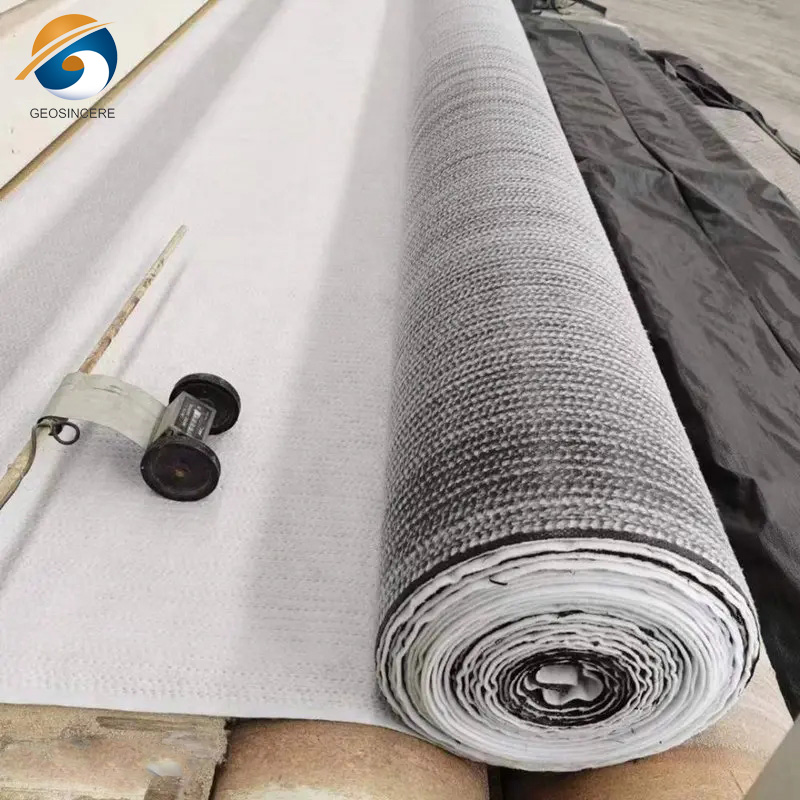
GCL Liner
Superior impermeability: Bentonite core forms dense barrier to stop liquid leakage and contamination.
Puncture resistant & long service life: Dual geotextile layers protect against harsh site conditions.
Lightweight & quick installation: Cuts labor cost and shortens construction time.
Wide application: Fit for landfill caps, containment ponds and waste containment systems.
Eco-friendly: Controls water migration for sustainable environmental projects.
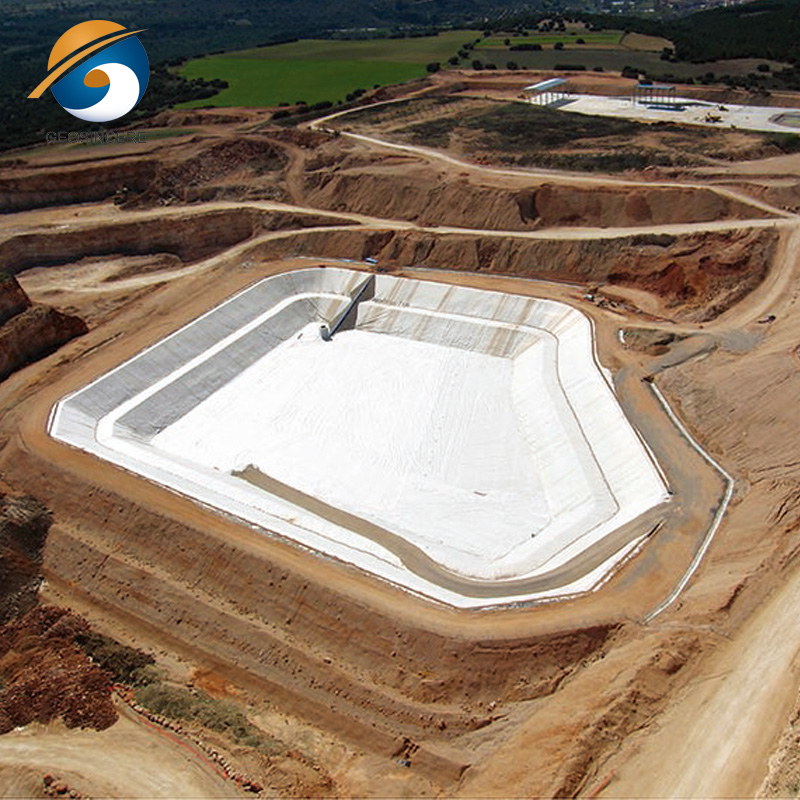
GCL liners, or Geosynthetic Clay Liners, are high-performance composite materials specially engineered to create robust, long-lasting containment barriers for a wide range of environmental applications. These liners feature a layer of sodium bentonite clay securely sandwiched between two high-strength geotextiles. This unique structure delivers exceptional impermeability, making GCL liners ideal for projects including landfill caps, containment ponds and various waste management systems.
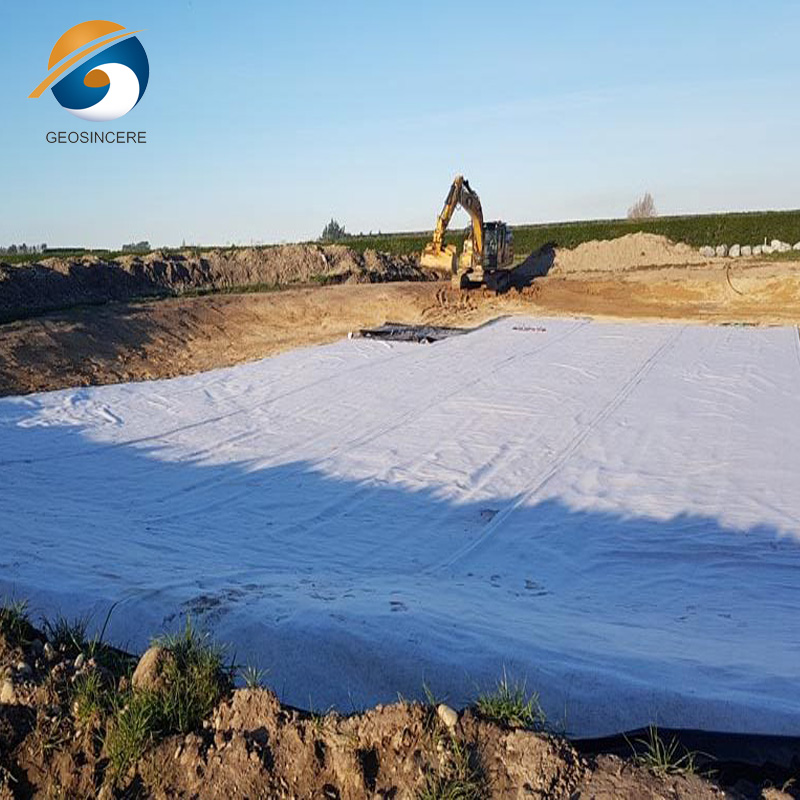
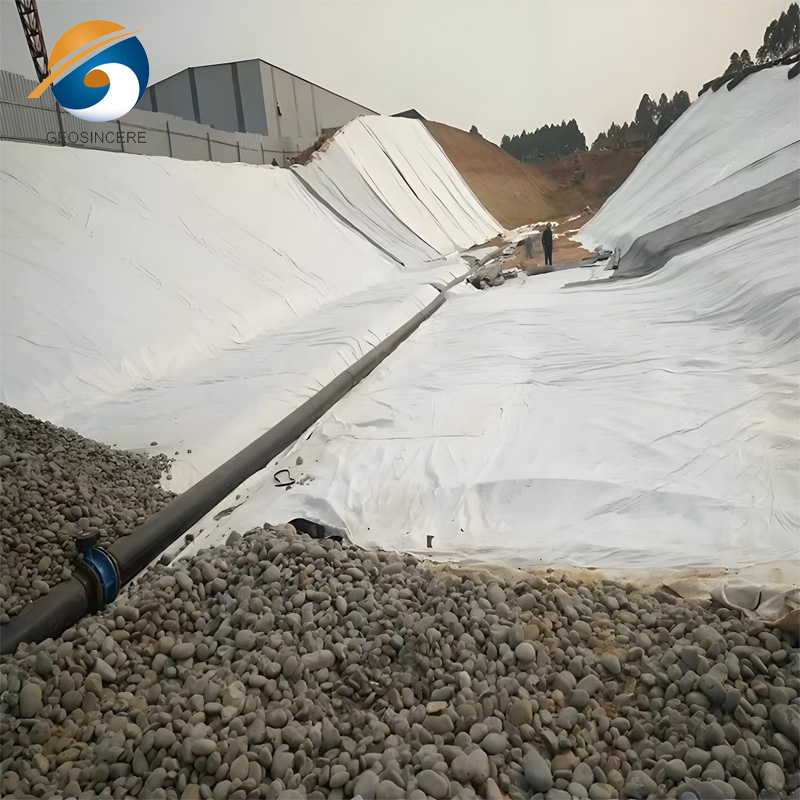
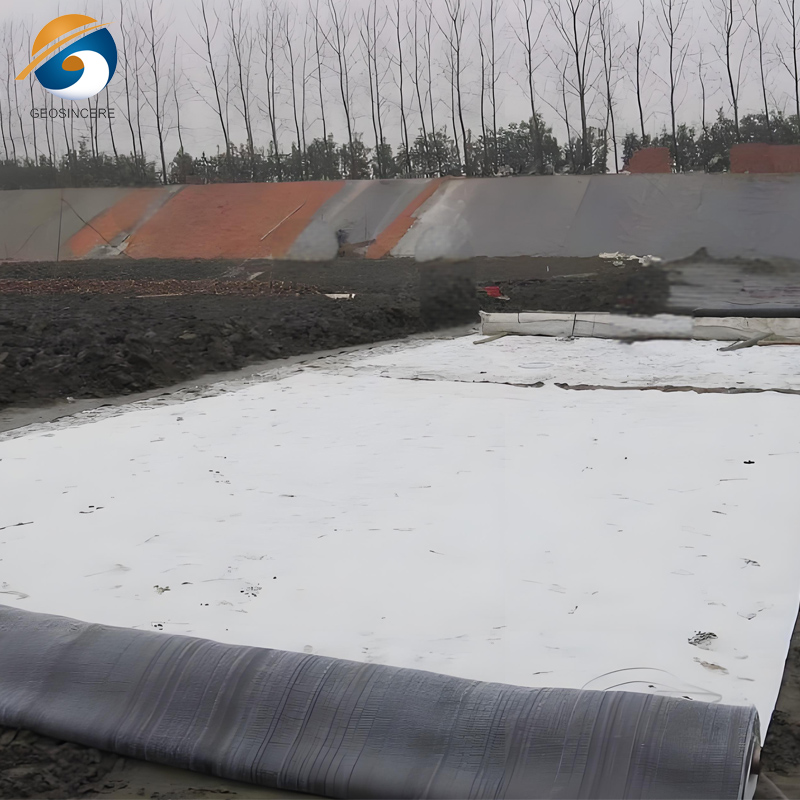
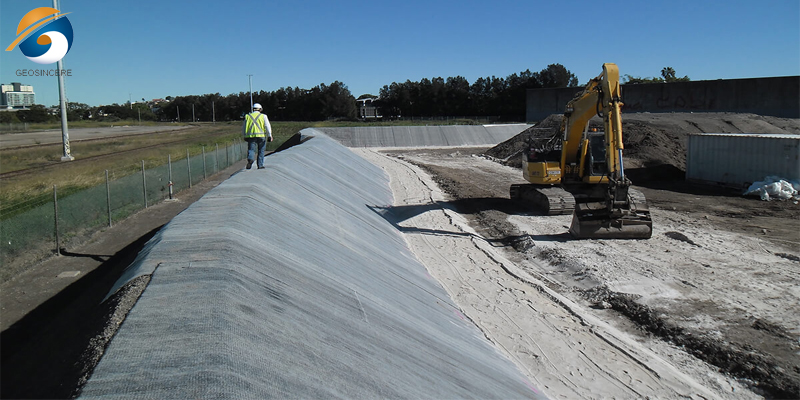
One key advantage of GCL liners is their lightweight composition, which greatly simplifies the installation process. This ease of handling reduces labor costs and shortens construction timelines, offering practical benefits for contractors and project managers. In addition, GCL liners resist punctures and various environmental stresses, preserving structural integrity even under harsh site conditions and delivering reliable long-term performance. Their flexibility supports deployment across diverse sites, covering agricultural projects, mining operations and civil engineering works. As a premium solution for sustainable construction and environmental protection, GCL liners combine durability, high efficiency and simple installation to meet the demands of modern engineering projects.
Compared with compacted clay liner (CCL), our GCL saves construction time and reduces site space occupation, and can be used alone or combined with HDPE geomembrane to form a composite anti-seepage system.
Parameter
Properties | Unit | Test Method | Frequency | Value |
GCL Property | ||||
Bentonite mass per unit area | g/m2 | ASTM D 5993 | 4000m2 | 3600g/m2 MARV |
Tensile Strength | kN/m | ASTM D 6768 | 4000m2 | 6kN/m MARV |
Peel Strength | N | ASTM D 4632 | 4000m2 | 65N MARV |
Hydraulic conductivity | cm/s | ASTM D 5887 | periodically | 5x10⁻²cm/sec MARV |
Shear Strength | kPa | ASTM D 6243 | periodically | 24 kPa Typical |
Geotextitle Property | ||||
g/m2 | ASTM D 5261 | 20,000m2 | 200 g/m2 MARV | |
Cap woven geotextile | g/m2 | ASTM D 5261 | 20,000m2 | 200 g/m2 MARV |
Bentonite property | ||||
Swell index | Kg | ASTM D 5890 | 50,000Kg | 24mI/2g MARV |
Moisture content | % | ASTM D 4643 | 50,000Kg | 12% max |
Fluid loss | ml | ASTM D 5891 | 50,000Kg | 18ml max |
Roll Dimensions | ||||
Width*Length | m | Typical | each roll | 5.8×30 |
Area Per Roll | m2 | Typical | each roll | 174 |
Packaged Weight | kg | Typical | each roll | 935 |
20GP loading | roll | Typical | each roll | 20 |
20GP loading Note: 1. Variation allowed 2%. 2.GCL Unit weight can be 5000g/m2.5500g/m2 .6000g/m2 3.Nonwoven Geotextile can be PP or PET material. | ||||
Extended Custom‑Available Specifications
Besides standard 3600 g/m² grade, custom bentonite areal weights including 5000 g/m², 5500 g/m², 6000 g/m² are available for projects with different anti‑seepage requirements. The upper and lower geotextile layers can be PP polypropylene or PET polyester. Combinations of non‑woven / woven geotextiles are optional according to project puncture risk and mechanical‑load conditions. Standard roll dimension: 5.8 m × 30 m. Special width & length can be customized, ODM service is supported.
GCL VS Compacted Clay Liner (CCL) Comparison Table
| Items | GCL Geosynthetic Clay Liner | Traditional Compacted Clay Liner (CCL) |
|---|---|---|
| Site Condition | No massive high‑quality clay required, ideal for sites short of local clay resource | Large‑volume clay mining & transportation required, limited by local soil condition |
| Construction Efficiency | Light‑weight, fast deployment with low labor cost | Heavy earthwork & compaction work, long construction cycle |
| Space Occupation | Thin‑layer structure, saves site footprint | Requires thick clay layer, occupies large working space |
| Overall Cost | Moderate material cost, low total construction expense | High total cost including clay, haulage and compaction work |
| Limitation | For long‑term heavy‑chemical‑corrosion scenarios, use together with HDPE geomembrane recommended | Performance heavily affected by local soil and groundwater chemistry |
GCL Liner Features
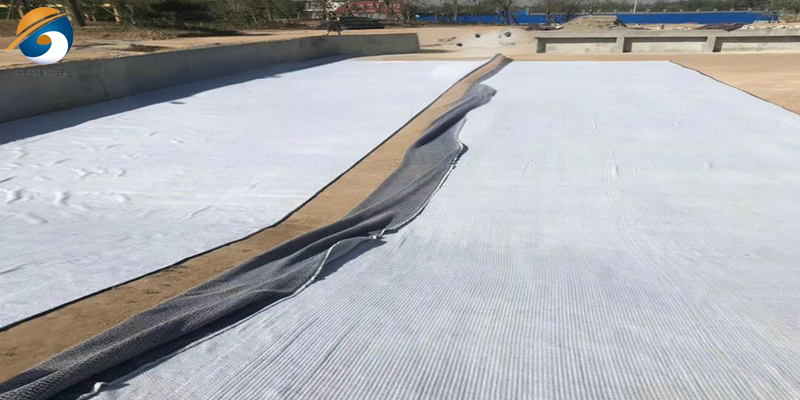
1. High Impermeability: GCL liners grant tremendous impermeability due to the sodium bentonite clay core, which swells when wet, developing a barrier that successfully prevents fluid migration.
2. Lightweight and Easy to Handle: The light-weight diagram of GCL liners makes them effortless to transport and install, lowering labor expenses and building time in contrast to usual liners.
3. Durability: GCL liners are resistant to punctures, tears, and environmental conditions, making sure long-lasting overall performance even in difficult applications.
4. Self-Healing Properties: If punctured, the bentonite clay can self-seal when it comes into contact with water, preserving its impermeability and functionality.
5. Versatile Applications: Suitable for a large vary of uses, which include landfill caps, containment ponds, mining operations, and agricultural applications, GCL liners adapt to a number mission requirements.
6. Environmental Protection: By stopping the migration of contaminants, GCL liners play a necessary position in defending soil and groundwater, making sure compliance with environmental regulations.
7. Cost-Effectiveness: The aggregate of decreased set up time and long-term sturdiness makes GCL liners a within your budget answer for many projects.
8. Compatibility with Other Materials: GCL liners can be without difficulty built-in with different geosynthetic products, bettering their overall performance in complicated engineering applications.
9. Temperature Resistance: They keep their houses throughout a huge temperature range, making them appropriate for numerous climatic conditions.
10. Low Maintenance Requirements: Once installed, GCL liners require minimal maintenance, presenting a dependable answer for long-term projects.
Matching Geosynthetic Products for Complete Liner‑System
We supply full‑set containment‑system materials for one‑stop project procurement.
HDPE Geomembrane: Virgin HDPE resin; smooth, single‑textured, double‑textured, leak‑detection conductive types available, thickness range:0.2‑3.0 mm. Complies with GRI‑GM13, ASTM D6693. NSF‑61 certification is available for potable‑water projects. Widely applied together with GCL as composite liner for landfill & tailings facilities.
Geotextile: PP / PET raw material, non‑woven or woven grades. Functions for filtration, separation and puncture‑protection, placed above and beneath GCL liner.
Geogrid: Reinforcement for slope and subgrade, improve slope stability of landfill projects.
Geocell: Used for slope soil‑retention and road base stabilization.
Drainage Board: Leachate drainage for landfill capping system, cooperate with GCL for integrated “containment + drainage” solution.
Applications of GCL Liner
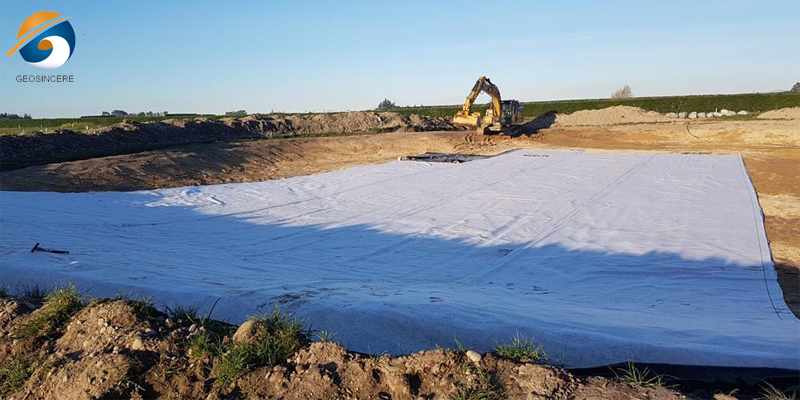
1. Landfill Caps: GCL liners are frequently used in landfill capping structures to stop leachate migration and shield the surrounding environment. Also applied for temporary landfill cover, leachate lagoon liner, fly‑ash storage yard containment.
2. Containment Ponds: They serve as high-quality limitations in containment ponds for industrial wastewater, making sure that contaminants do now not seep into the ground.
3. Waste Management: GCL liners are utilized in a number of waste administration applications, along with storage amenities and switch stations, to comprise hazardous materials.
4. Mining Operations: In mining, GCL liners are used in tailings storage facilities to manage seepage and protect water resources. Including tailings base liner, dry‑stacked tailings yard, smelting‑residue containment pond.
5. Agricultural Applications: They can line irrigation ponds and agricultural ditches, helping conserve water and prevent contamination of groundwater. Suitable for aquaculture ponds, irrigation reservoirs, oxidation lagoons, salt‑pond anti‑seepage for saline‑alkali land.
6. Oil and Gas Industry: GCL liners are deployed in areas such as drilling sites and storage tanks to contain spills and stop environmental contamination. Suitable for drilling mud pit, chemical emergency secondary containment dike, tank‑farm isolation liner.
7. Civil Engineering Projects: Used in construction projects like roadways and tunnels, GCL liners help manage groundwater and prevent erosion. Also for artificial landscape lake, river‑bed lining, flood retention basin, coal‑ash storage pond liner.
8. Coal Ash Management: They are nice in lining coal ash storage areas to forestall leachate from impacting soil and water quality.
9. Flood Control: GCL liners can be employed in flood manipulate structures to control water float and defend touchy areas from contamination.
10. Environmental Remediation: GCL liners are used in remediation projects to isolate contaminants and help restore affected sites to safe conditions. Act as isolation barrier to separate polluted soil from clean groundwater aquifer.
These numerous purposes spotlight the versatility and effectiveness of GCL liners in managing environmental challenges throughout a number industries
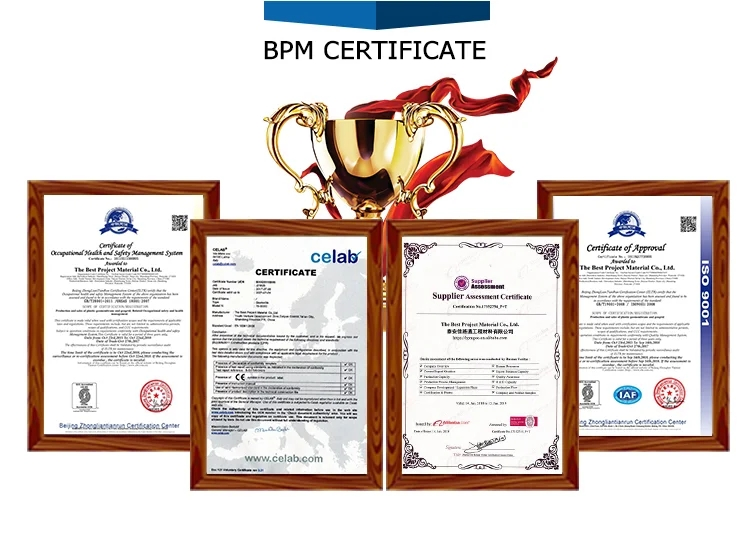
Certifications & Quality System
Our factory holds ISO9001 Quality‑Management‑System and ISO14001 Environmental‑Management‑System certificates. Products comply with GRI‑GM13 geosynthetic industry specifications. Test reports issued by SGS, Intertek are available. Selected grades support NSF‑ANSI 61 certification for potable‑water contact applications.
FAQ
Q1: Can GCL liner be used alone?
A: It can work alone under non‑strong‑corrosion groundwater environment. For projects exposed to high‑concentration acid‑alkali or industrial leachate, composite liner combining GCL and HDPE geomembrane is strongly recommended.
Q2: How should GCL be stored?
A: Avoid long‑time outdoor sun‑exposure and rain‑soaking. Keep rolls with intact original package. Deploy as soon as possible, and cover with soil or protective layer right after laying.
Q3: How to repair punctured GCL liner?
A: Apply matching GCL patch with sufficient overlapping area. The sodium bentonite will self‑heal once hydrated.
Q4: How do I select between GCL and HDPE geomembrane?
A: Send us your project conditions including groundwater quality, contaminant type and engineering grade. Our engineers will give targeted material‑selection suggestion.
Hope to be your partner!


