A Deep Dive into 4 oz Geotextile Fabric
In the vast and often unseen world of civil engineering, landscaping, and environmental protection, few materials offer such a profound impact per square yard as geotextile fabrics. Among the diverse range of these engineered textiles, the 4 oz geotextile fabric stands out as a versatile, economical, and exceptionally effective workhorse. This article delves into the composition, functions, applications, and critical importance of this specific weight class, unraveling why "4 oz per square yard" has become a benchmark specification in countless projects worldwide.
1. Understanding the Basics: What is 4 oz Geotextile Fabric?
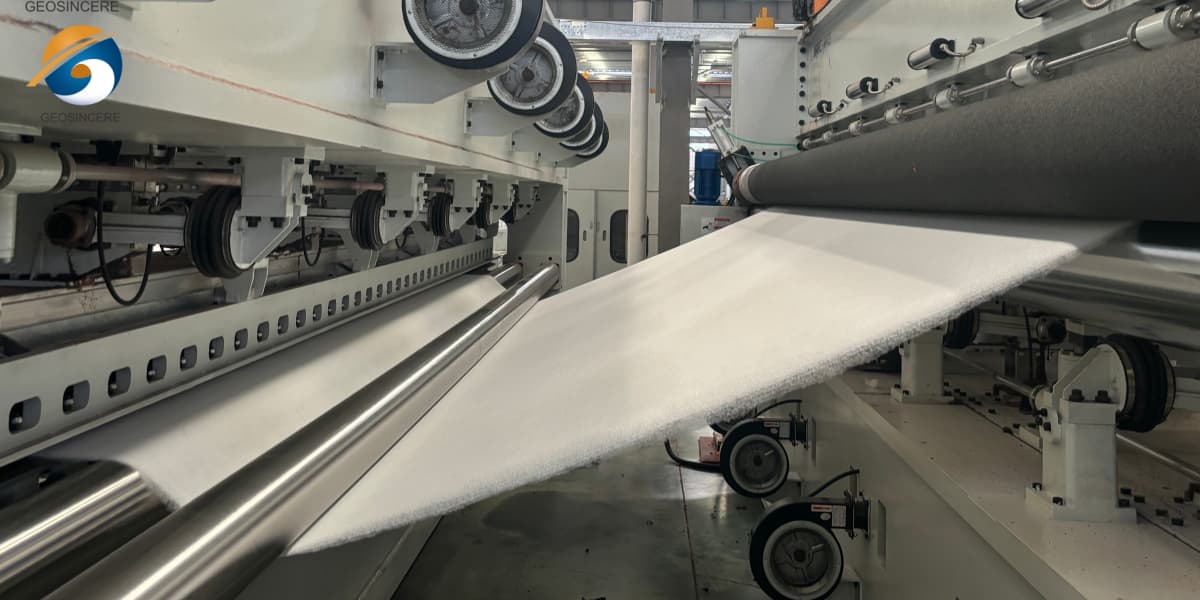
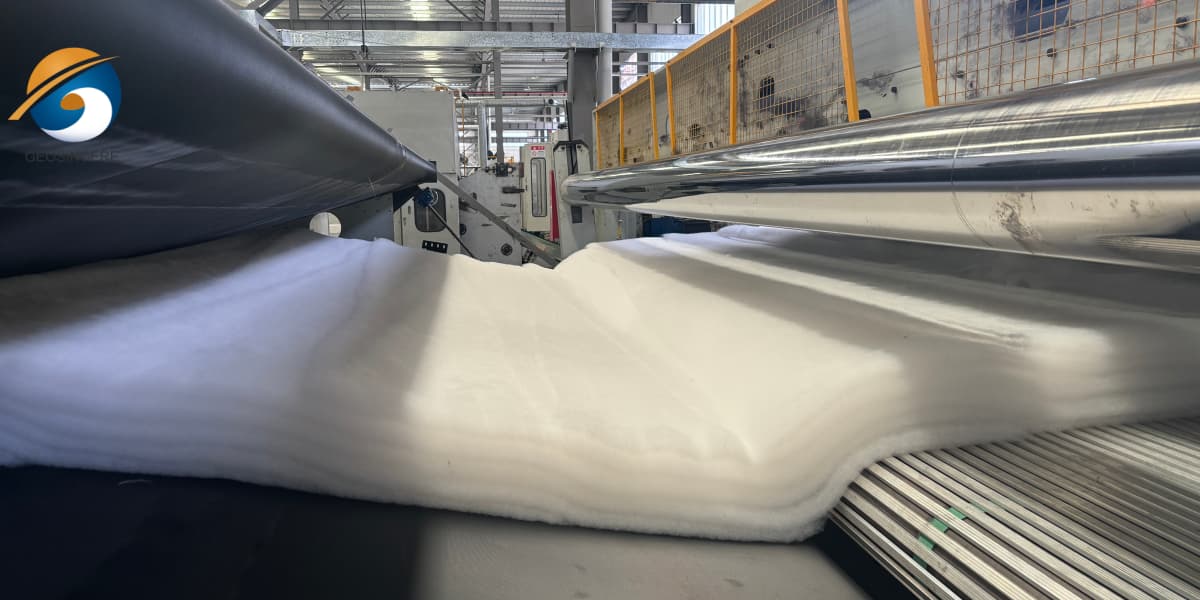
Geotextiles are permeable synthetic fabrics, typically made from polypropylene or polyester. The "4 oz" designation refers to the material's weight per square yard (approximately 136 grams per square meter). This metric is not arbitrary; it directly correlates with the fabric's thickness, tensile strength, puncture resistance, and flow characteristics. A 4 oz fabric represents a mid-weight non-woven geotextile, often manufactured through a needle-punching process that entangles fibers to create a stable, felt-like sheet. This structure provides an optimal balance between durability, permeability, and cost-effectiveness, making it suitable for a wide array of separation, filtration, and stabilization tasks.
2. 4 oz Geotextile Fabric Primary Functions: The Multi-Role Performer
The 4 oz geotextile excels due to its ability to perform several key engineering functions simultaneously:
2.1 Separation
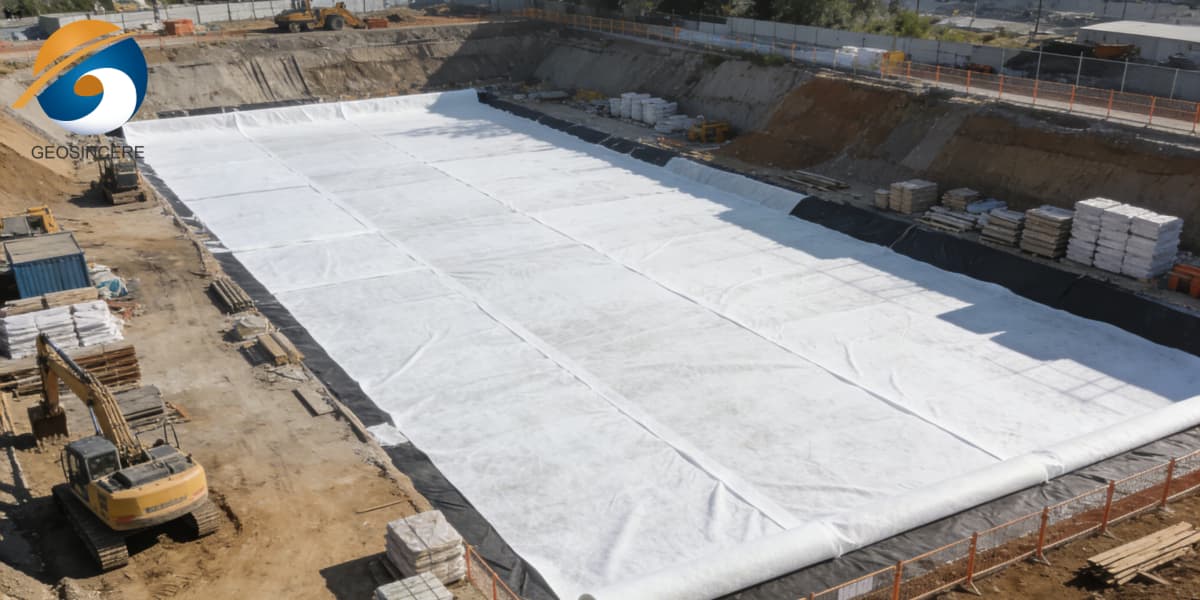
This is its most classic role. When placed between two dissimilar soil materials, such as gravel and soft subgrade, the 4 oz filter fabric prevents them from mixing. For example, in a road base or driveway installation, the 4 oz fabric keeps the aggregate from sinking into the underlying clay or silt, maintaining the structural integrity and drainage capacity of the gravel layer. This dramatically reduces maintenance needs and prolongs the project's lifespan.
2.2 Filtration
The fabric's porous nature allows water to pass through while retaining soil particles. In drainage applications, such as behind retaining walls or around French drains, the 4 oz geotextile fabric acts as a filter, preventing fine soils from clogging the drainage aggregate or pipe. This ensures long-term, unimpeded water flow and prevents hydrostatic pressure buildup.
2.3 Stabilization
By providing a tensile element in the soil matrix, the geotextile non woven fabric 4 oz distributes loads over a wider area. This is crucial in stabilizing weak, wet, or unstable subgrades (a process often called "soft soil stabilization"). It allows construction on sites that would otherwise require expensive over-excavation and replacement of native soils.
2.4 Protection
It serves as a protective cushion for more sensitive geomembranes, like those used in ponds or landfills, preventing puncture from sharp stones or uneven substrates.
3. Applications Across Industries: Where is 4 oz Geotextile Fabric Used?
The utility of 4 oz non woven filter fabric spans from residential DIY projects to large-scale infrastructure:
3.1 Residential & Commercial Landscaping
The go-to choice for weed barrier under patios, walkways, and gravel driveways. It suppresses weed growth while permitting water drainage, preventing muddy conditions and promoting a stable, clean surface.
3.2 Road and Pavement Construction
Used as a separation layer between subgrade and base aggregate for access roads, parking lots, and secondary highways, reducing rutting and pothole formation.
3.3 Drainage Systems
An essential component in subsurface drains, sport field drainage, and foundation perimeter drains, where its filtration properties are paramount.
3.4 Erosion Control
On slopes or shorelines, 4 oz non woven geotextile is used under rip-rap (stone armor) or as a wrapping for silt fences, stabilizing soil while allowing for vegetation establishment.
3.5 Railroad Bed Stabilization
Placed beneath the ballast (trackbed stones) to separate it from the subsoil, preventing contamination and maintaining track alignment.
3.6 Agriculture and Drainage Fields
Used in agricultural drainage tiles and around septic system leach fields to prevent soil intrusion.
4. 4 oz Geotextile Fabric Advantages and Specifications: Why Choose 4 oz?
The popularity of this specific weight is anchored in its balanced performance profile:
4.1 Optimal Permeability
It offers high water flow rates (both in-plane and cross-plane), crucial for effective drainage without causing soil erosion.
4.2 Adequate Strength
With typical grab tensile strength ranging from 120 to 200 lbs and puncture resistance between 50 to 80 lbs, it is robust enough for most common applications without being over-engineered.
4.3 UV Resistance
Treated for extended exposure during installation, though it is designed to be buried for long-term service.
4.4 Chemical and Biological Inertia
Polypropylene is resistant to most soil chemicals, acids, alkalis, and does not support rot, mold, or biological degradation.
4.5 Cost-Efficiency
It provides the best value proposition, offering substantial engineering benefits at a very accessible price point per square yard.
5. 4 oz Geotextile Fabric Installation Best Practices: Key to Success
Even the best geotextile fails if installed incorrectly. Proper deployment of 4 oz fabric involves:
5.1 Site Preparation
The subgrade should be cleared of sharp debris, vegetation, and large rocks, and roughly graded to ensure uniform contact.
5.2 Roll Placement
Rolls are laid out manually or with equipment. The 4 oz non woven geotextile fabric should be placed with the smoother side (if apparent) facing the more sensitive material (e.g., a geomembrane) or the aggregate layer.
5.3 Overlap and Seaming
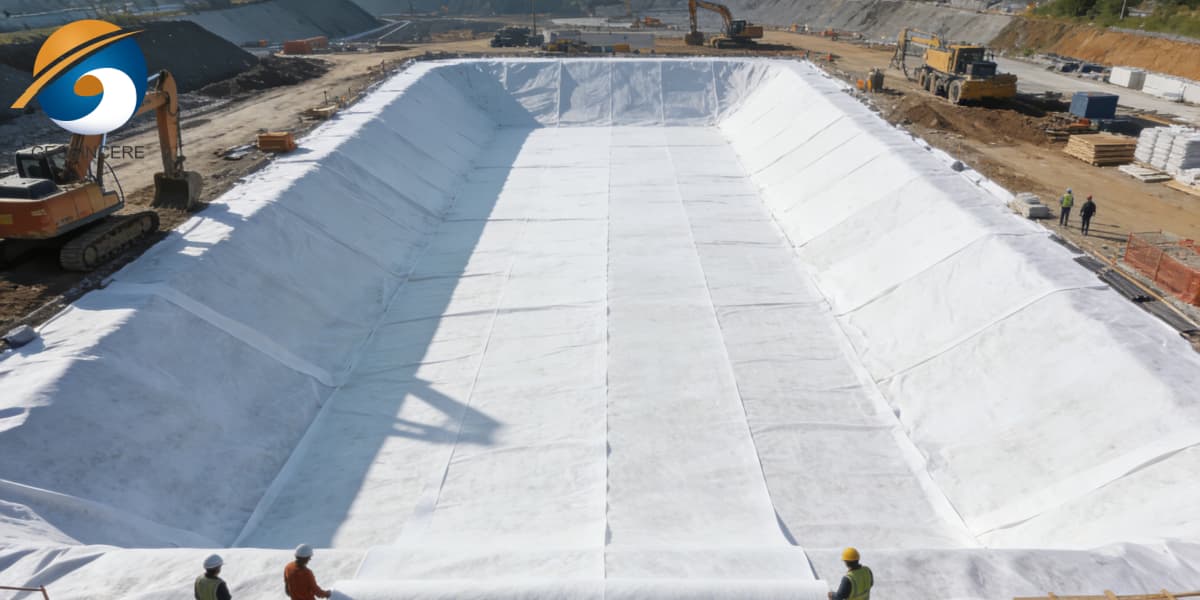
Adjacent rolls must overlap sufficiently—typically 12 to 18 inches for separation, and 24 inches or sewn seams for critical filtration applications. Overlap is always placed in the direction of water flow or primary load.
5.4 Anchoring
On slopes, it must be anchored at the top in a trench and secured with pins or staples to prevent slippage during backfilling.
5.5 Aggregate Placement
The covering material (gravel, sand) should be dumped from the lowest feasible height and spread carefully to avoid tearing or displacing the fabric. Avoid driving equipment directly on the exposed 4oz non woven geo textile filter fabric.
6. The Environmental and Economic Impact
The widespread use of 4 oz geotextile fabric has a significant positive impact. By extending the service life of roads and structures, it reduces the frequency of repairs and the consumption of raw materials like aggregate. It enables construction on marginal lands, minimizing site disturbance. In drainage and erosion control, it protects water quality by stabilizing soil and filtering sediments. Economically, it lowers the long-term cost of infrastructure by providing a high-performance, preventive solution that mitigates common failure mechanisms.
Conclusion: The Indispensable Groundwork Guardian
The 4 oz geotextile fabric is a testament to the power of simple, well-engineered solutions. It is not a glamorous material, but its role is fundamental. It is the silent separator that keeps driveways level, the vigilant filter that keeps drains flowing, and the hidden reinforcement that stabilizes paths and roads. For engineers, contractors, and homeowners alike, specifying and installing the correct geotextile—often the versatile 4 oz variant—is a critical step in ensuring the durability, functionality, and success of a project. It exemplifies how a modest sheet of synthetic felt, weighing a mere four ounces per yard, can shoulder immense responsibilities, forming a foundational barrier between order and subsidence, between design intent and real-world performance. In the layered anatomy of the built environment, it is, without a doubt, an unsung hero.
Choose a reliable Geotextile supplier to quote price for you :
Shandong Geosino New Material Co., Ltd. (GEOSINCERE Geosynthetics) is the professional Geosynthetic clay liners and geosynthetics manufacturer and wholesaler located in Shandong Province, China. We are an professional manufacturer, exporter and wholesaler for such geosynthetic products as HDPE Pool Liner, geotextiles, geogrids, geocells, geosynthetic clay liners (geosynthetic clay linerss), drainage boards, etc.
GEOSINCERE Geosynthetics has been keeping on investing in technological innovation, manufacturing facilities improvement and turnkey engineering abilities. We have invested 10 million dollars into our manufacturing factory which is equipped with state-of-the-art automatic production lines to manufacture high quality HDPE geomembranes and other geosynthetics with optimized processes. Our extensive lines of geosynthetics products are well known for their ensured quality, high performance, excellent durability and best cost effectiveness.