Polyester Non Woven Geotextile Drainage Filter Fabric
Manufacturing Process
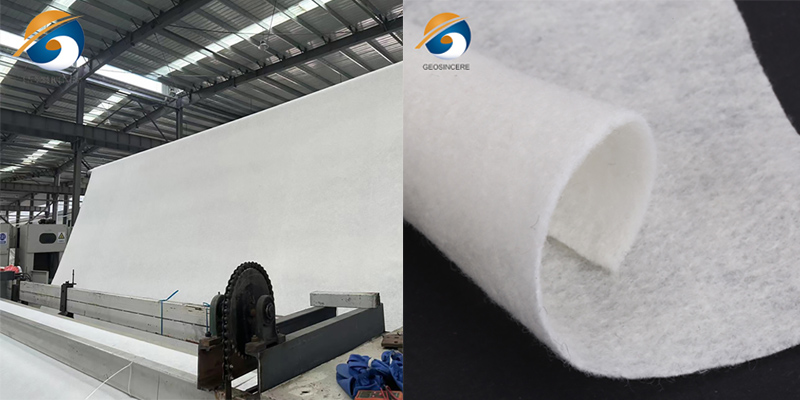
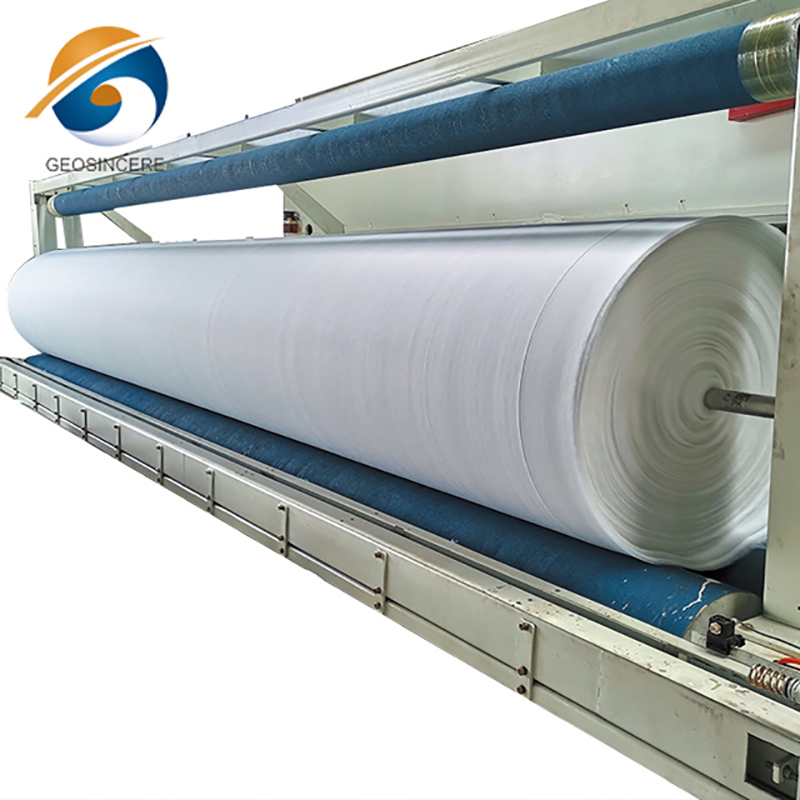
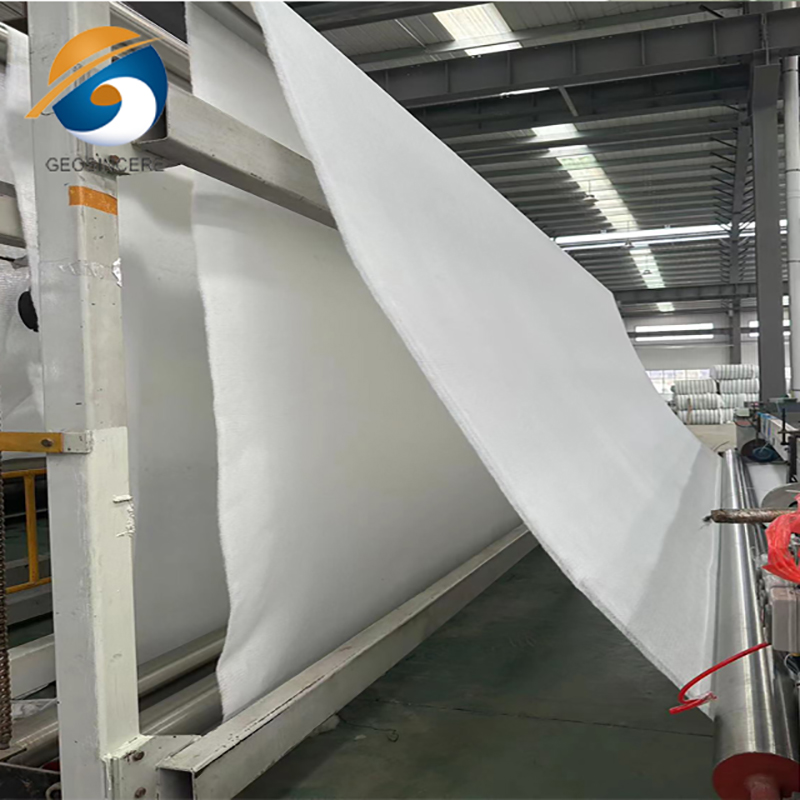
The manufacturing process is highly controlled to ensure uniform filtration and mechanical stability.
Polyester fiber preparation and opening
Carding and web formation
Cross-lapping to achieve target weight and thickness
Needle punching for mechanical bonding
Heat setting and dimensional stabilization
Roll cutting and edge trimming
Quality inspection and batch traceability
Product Definition
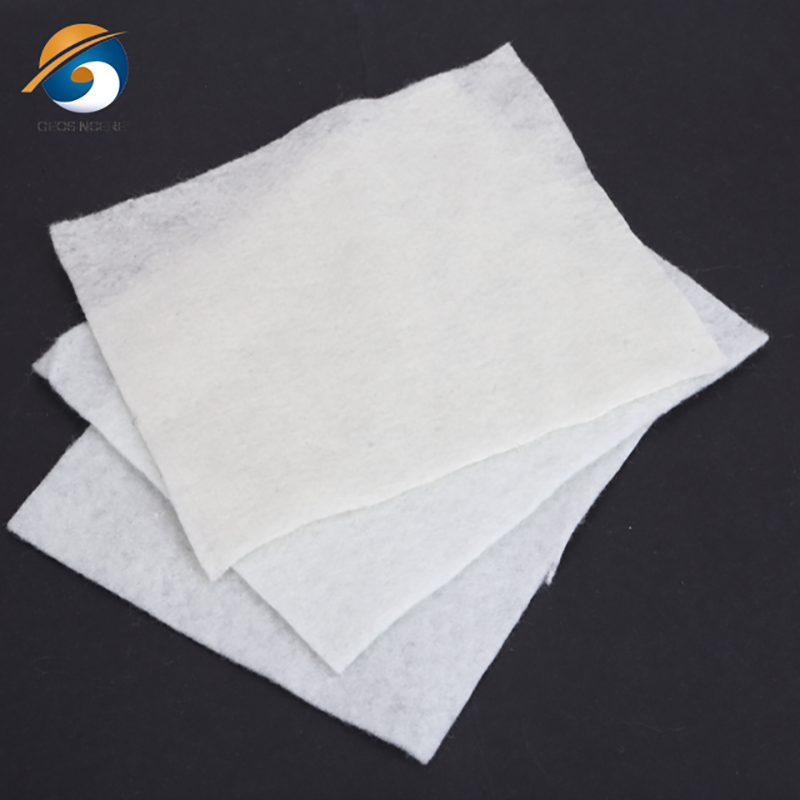
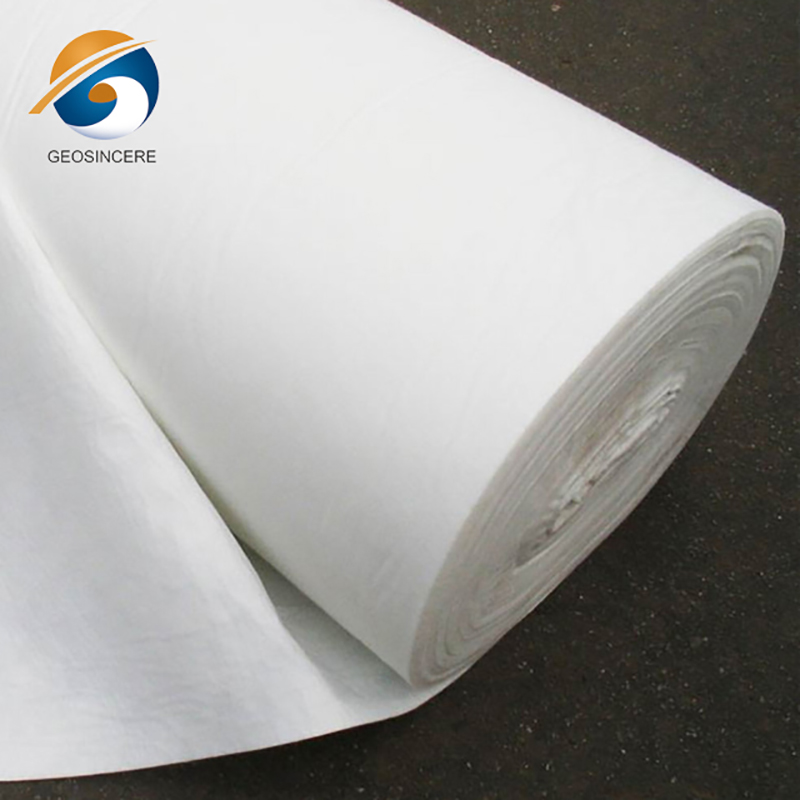
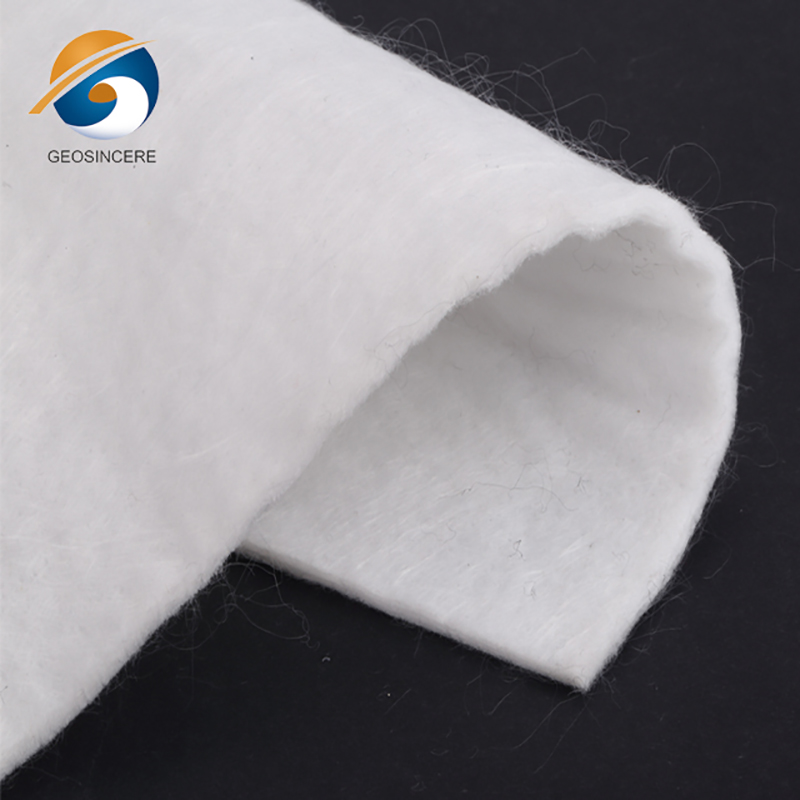
Polyester Non Woven Geotextile Drainage Filter Fabric is a needle-punched, permeable geosynthetic made from continuous or staple PET fibers, engineered to provide filtration, separation, drainage, and protection functions in civil, environmental, and infrastructure engineering projects.
Technical Parameters and Specifications
Polyester non woven geotextile drainage filter fabric is specified based on mechanical strength, hydraulic performance, and durability to ensure long-term performance in drainage systems.
Mass per unit area: 100–800 g/m²
Thickness (2 kPa): 0.8–4.5 mm
Tensile strength (MD/CD): 8–35 kN/m
Elongation at break: 40%–80%
CBR puncture resistance: 1.2–6.5 kN
Apparent opening size (AOS): 70–200 μm
Permittivity: ≥1.0 s⁻¹
Water flow rate: ≥80 L/m²/s
UV resistance (500 h): ≥70% strength retained
Service life: ≥50 years (buried conditions)
Structure and Material Composition
The functional performance of polyester non woven geotextile drainage filter fabric is determined by its internal fiber structure and bonding method.
Raw material: Virgin or high-grade recycled polyester (PET)
Fiber form: Staple fibers or continuous filaments
Bonding method: Mechanical needle punching
Pore structure: Three-dimensional interconnected voids
Surface characteristics: High friction coefficient for soil interaction
Manufacturing Process
The manufacturing process is highly controlled to ensure uniform filtration and mechanical stability.
Polyester fiber preparation and opening
Carding and web formation
Cross-lapping to achieve target weight and thickness
Needle punching for mechanical bonding
Heat setting and dimensional stabilization
Roll cutting and edge trimming
Quality inspection and batch traceability
Industry Comparison
| Parameter | Polyester Non Woven Geotextile | Polypropylene Non Woven | Woven Geotextile | Gravel Filter Layer |
|---|---|---|---|---|
| Filtration Efficiency | High | High | Moderate | Variable |
| Drainage Capacity | Excellent | Excellent | Limited | Moderate |
| Installation Speed | Fast | Fast | Moderate | Slow |
| Soil Compatibility | Very Good | Good | Moderate | Low |
| Cost Efficiency | High | High | Moderate | Low |
Application Scenarios
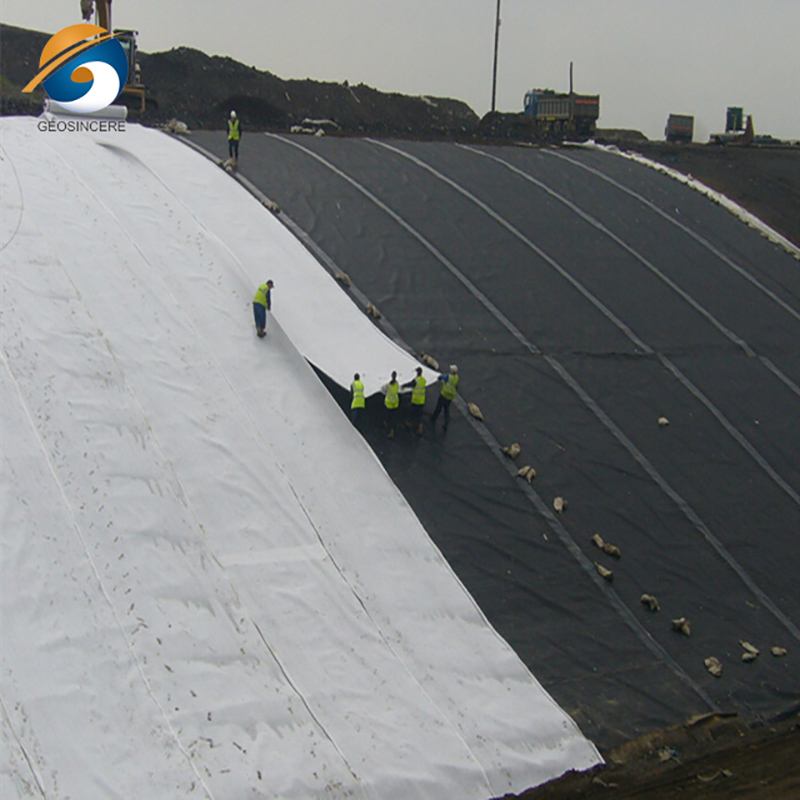
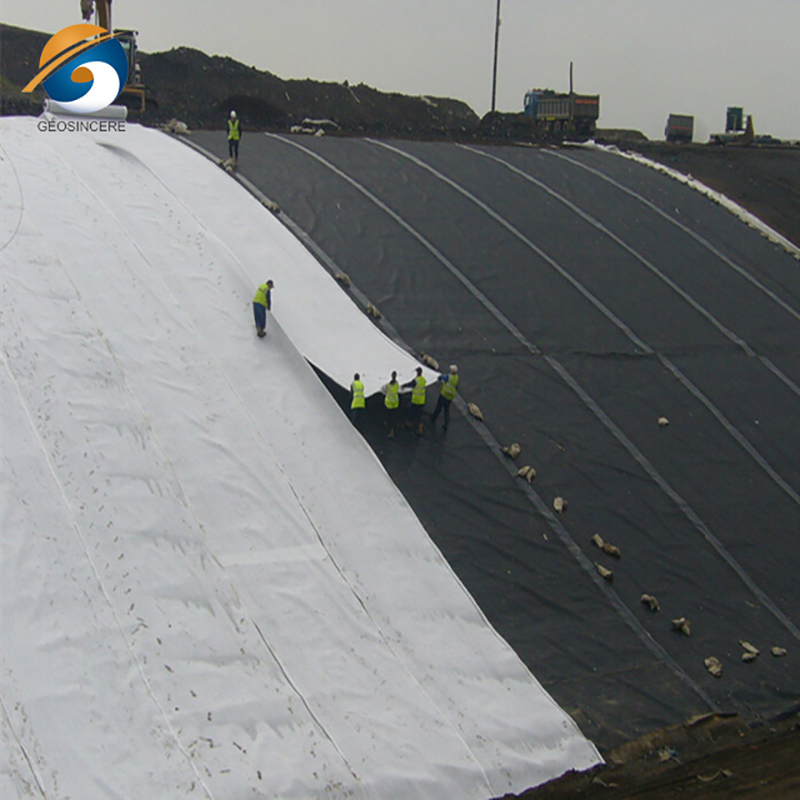
Polyester non woven geotextile drainage filter fabric is widely adopted across infrastructure and environmental engineering sectors.
Distributors: Drainage and geosynthetic product supply chains
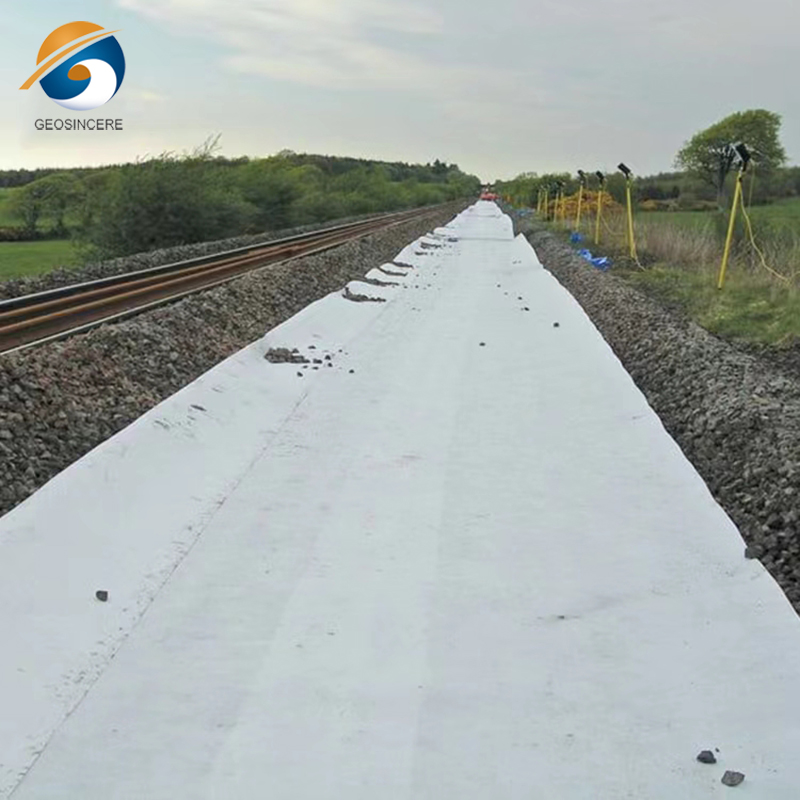
EPC contractors: Road subgrade and railway drainage systems
Engineering consultants: Retaining walls and slope stabilization
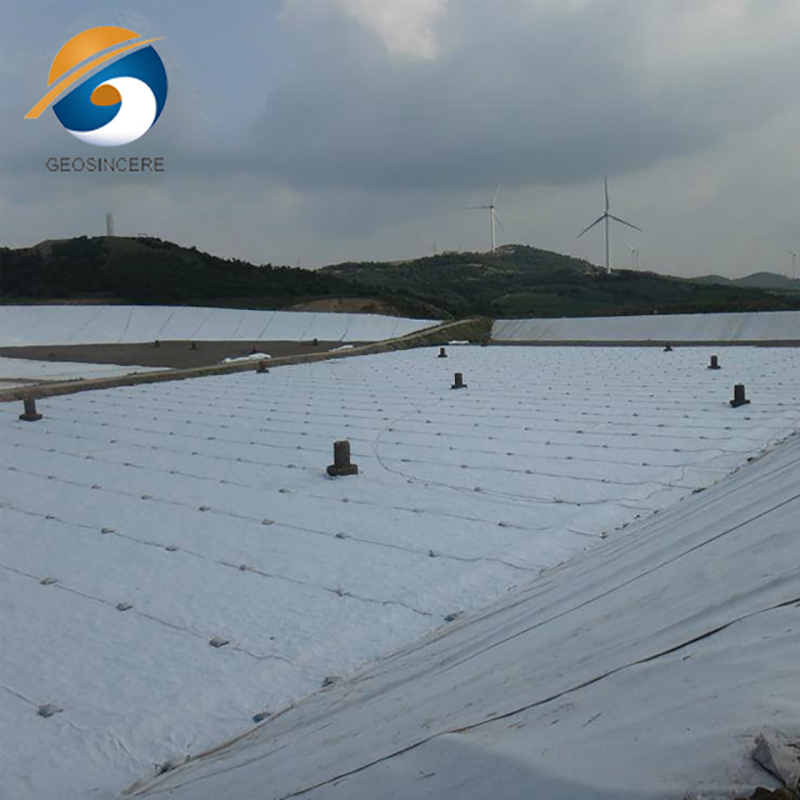
Developers: Landfill leachate and stormwater management projects
Municipal authorities: Urban drainage and flood control works
Core Pain Points and Engineering Solutions
Soil clogging: Optimized pore size maintains filtration without blocking
Insufficient drainage: High permittivity ensures continuous water flow
Material degradation: Polyester offers strong chemical and biological resistance
Installation damage: High puncture resistance reduces construction risk
Risk Warnings and Mitigation
Improper specification or installation may compromise drainage performance.
Match AOS values to soil gradation to prevent piping
Avoid prolonged UV exposure before burial
Prevent excessive tension during installation
Ensure overlap lengths meet project specifications
Procurement and Selection Guide
Analyze soil particle size distribution
Define required filtration and drainage performance
Select appropriate mass per unit area
Verify tensile and puncture strength test reports
Confirm chemical compatibility with site conditions
Review roll dimensions and installation logistics
Request third-party quality certifications
Engineering Case Application
In a highway embankment drainage project, 400 g/m² polyester non woven geotextile drainage filter fabric was installed behind retaining structures and around perforated drainage pipes. The system effectively reduced pore water pressure, prevented soil migration, and has remained operational after six years of continuous service.
FAQ
Q1: What is the main function of this geotextile? A: Filtration and drainage.
Q2: Is polyester suitable for acidic soils? A: Yes, with good chemical resistance.
Q3: Can it replace sand filters? A: In most engineered drainage systems, yes.
Q4: What weight is commonly used for drainage? A: 200–400 g/m².
Q5: How is it installed? A: Rolled directly over prepared subgrades.
Q6: Can it be used underwater? A: Yes, with proper anchoring.
Q7: What is the typical roll width? A: 2–6 meters.
Q8: Is it resistant to biological degradation? A: Yes.
Q9: How long does it last underground? A: Over 50 years.
Q10: Does it require maintenance? A: No routine maintenance is required.
Call to Action
For detailed technical datasheets, laboratory test reports, project-specific recommendations, or bulk procurement quotations of polyester non woven geotextile drainage filter fabric, professional buyers and engineering teams are invited to request comprehensive technical support.
E-E-A-T Author Credentials
This article is authored by a geotechnical materials specialist with more than 15 years of experience in geosynthetics engineering, supporting EPC contractors, consultants, and international B2B procurement teams across infrastructure and environmental protection projects.