


Geocell Slope Protection
Soil Stabilization: 3D honeycomb structure restricts soil shift and cuts slope erosion.
Durable Polymer: High strength & resilience for long‑term slope service.
Eco‑friendly revegetation: Holds growing medium, improves water retention for plant growth.
Easy Installation: Unfold and fill with soil/gravel, no heavy equipment needed.
Wide Compatibility: Fits road slope, drainage and recreational area projects.
Combined performance: Delivers structural reinforcement together with green slope management.
Geocell slope protection is a versatile and innovative solution designed to enhance soil stability and prevent erosion on slopes, embankments, and other vulnerable terrains. Constructed from high-density polyethylene (HDPE) or other durable polymers, geocells feature a unique three-dimensional honeycomb structure that creates a robust and flexible framework. When deployed, these geocells can be filled with soil, gravel, or other aggregate materials, forming a solid yet permeable surface that effectively retains vegetation and promotes ecological restoration.
The primary function of geocell slope protection is to stabilize loose soil and prevent erosion caused by water runoff or wind. By confining the soil within the geocell network, it reduces the impact of surface water and helps maintain the integrity of the slope. This system not only enhances the mechanical strength of the slope but also improves drainage, reducing the risk of water pooling and subsequent erosion. The ability to support plant growth further transforms these slopes into green spaces, contributing to biodiversity and environmental sustainability.
Installation is straightforward, requiring minimal equipment and labor. Geocells are typically rolled out and anchored to the ground before being filled with the chosen material. Their lightweight nature and flexibility allow them to conform to various slope angles and terrains, making them adaptable for a wide range of applications, including road construction, landscape restoration, and flood control measures.
In addition to their protective qualities, geocells are cost-effective and environmentally friendly, as they reduce the need for traditional hardscaping methods like concrete or stone walls. Overall, geocell slope protection stands out as a sustainable engineering solution, combining functionality with ecological benefits, and is increasingly favored in modern civil engineering and landscape management projects.

Parameter
Four geocell types are available for slope projects:
Smooth & Not Perforated: solid wall, maximum confinement, for slope where drainage is not priority.
Smooth & Perforated: smooth wall with drainage holes, for gentle vegetated slope.
Textured & Not Perforated: rough textured wall, high interface friction, for steep slope without high drainage demand.
Textured & Perforated: Most‑popular for general slope protection. Texture boosts anti‑slip; perforations drain pore water, ideal for revegetation cut‑slope, riverbank slope.
Product Type | Height (mm) | Welding Distance (mm) | Thickness (mm) | Tensile Strength of Welding Points (N/cm) | Tensile Strength of Connection of Cells (N/cm) | Tensile Strength at Yield of Each Sheet (MPa) |
Smooth and Not Perforated | 50≤H≤250 | 330≤A≤1000 | 1.0~1.4 | ≥100 | ≥120 | ≥20 |
Smooth and Perforated | 50≤H≤250 | 330≤A≤1000 | 1.0~1.4 | ≥100 | ≥120 | ≥20 |
Textured and Not | 50≤H≤250 | 330≤A≤1000 | 1.5~1.7 | ≥100 | ≥120 | ≥20 |
Textured and Perforated | 50≤H≤250 | 330≤A≤1000 | 1.5~1.7 | ≥100 | ≥120 | ≥20 |
Geocell Type Selection for Slope Projects
✅Steep slope (>30°), high sliding risk: choose Textured geocell (perforated or non‑perforated). Texture surface improves friction between infill and cell wall.
✅Vegetated revegetation slope, heavy rainfall area: choose Perforated geocell. Holes release pore‑water and allow root cross‑cell growth.
✅Gentle slope, main goal is soil confinement, low drainage demand: Smooth non‑perforated geocell works well.
✅Riverbank / channel slope: Textured + Perforated geocell is recommended, balances anti‑slip and drainage against running water erosion.
Advantages of Geocell Slope Protection

3D Confinement Performance: Honeycomb structure locks infill, raises slope‑surface shear strength against erosion & shallow slip.
Multiple Type Options: Smooth/textured, perforated/non‑perforated variants match slope angle, drainage and revegetation demand.
Eco‑Revegetation Friendly: Perforated model allows root penetration for green slope construction, substitute concrete hard retaining works.
Good Slope Adaptability: Flexible HDPE sheet conforms to irregular slope contours.
Cost‑Saving: Lower total cost compare with concrete slope protection.
Durable HDPE Material: Resists UV, chemical and weathering for long‑term buried/covered service.
Fast On‑Site Deployment: Light‑weight folded panels, no heavy construction equipment required.
Application of Geocell Slope Protection

1. Road Construction: Geocells are widely used in road construction to stabilize slopes and embankments. They help prevent erosion along roadways, ensuring the integrity and safety of the infrastructure by providing a solid foundation for the roadway.
2. Landfill and Waste Management: In landfill sites, geocells can be used to create stable slopes and prevent soil erosion. They help manage runoff and leachate, making the disposal process more efficient and environmentally friendly.
3. Riverbank and Shoreline Protection: Geocells are effective in protecting riverbanks and shorelines from erosion caused by water flow. They help stabilize soil and can be integrated with vegetation to enhance ecological health along waterways.
4. Slope Stabilization: Geocell are employed in various slope stabilization projects, including steep terrain and mountainous regions. By reinforcing the soil, geocells reduce the risk of landslides and ensure the stability of the slope.
5. Retaining Walls: Geocells can be used to construct flexible retaining walls that adapt to ground movement and provide support for adjacent structures. They offer a cost-effective alternative to traditional concrete walls.
6. Recreational Areas: In parks and recreational areas, geocells help create stable surfaces for trails, paths, and slopes. They promote vegetation growth, enhancing the aesthetic appeal and ecological value of these spaces.
7. Parking Lots and Driveways: Geocell systems can be utilized in the construction of permeable parking lots and driveways. They allow for effective water drainage while providing a stable surface for vehicles.
8. Green Infrastructure: Geocells are integrated into green infrastructure projects, such as bioswales and rain gardens, to manage stormwater runoff. They support plant growth while enhancing soil stability and drainage.
9. Coastal Protection: In coastal areas, geocells are used to build protective structures against erosion from waves and tides. They can be filled with sand or gravel to create barriers that safeguard the shoreline.
10. Construction Sites: During construction, geocells help manage soil erosion and sediment control. They stabilize temporary slopes and embankments, reducing the environmental impact of construction activities.
FAQ
Q:Perforated vs non‑perforated geocell for slope, which one?
A:Choose perforated for revegetation and high‑rainfall slope; non‑perforated for pure confinement with low drainage demand.
Q:Textured or smooth geocell for steep slope?
A:Textured geocell is recommended, higher friction reduces infill sliding risk.
Q:What cell height for 35‑degree cut slope?
A:150‑200 mm cell height is typical for slope near 35°, subject to geotech design.
Q:What infill material to use inside slope geocell?
A:Topsoil‑mix for vegetation; well‑graded gravel for hard anti‑erosion slope. Avoid sharp oversized rock.
Q:How far apart should anchors be on geocell slope?
A:Denser anchor spacing for steep slope; follow project geotechnical design. Anchor at slope crest trench is mandatory.
Q:Can geocell slope work for riverbank with running water?
A:Yes, select textured perforated geocell, match anti‑scour infill material.
Q:Can HDPE geocell stay exposed on slope surface?
A:Short‑term only; infill immediately after unfolding, long‑term exposure causes UV degradation.
Q:Does geocell slope need geotextile underneath?
A:Recommended for loose or rocky subgrade as cushion layer against puncture.
Q:Can you customize height & welding distance for slope geocell?
A:Yes, custom height 50‑250 mm and welding distance 330‑1000 mm available for bulk orders.
Q:What documents can you supply for tender submission?
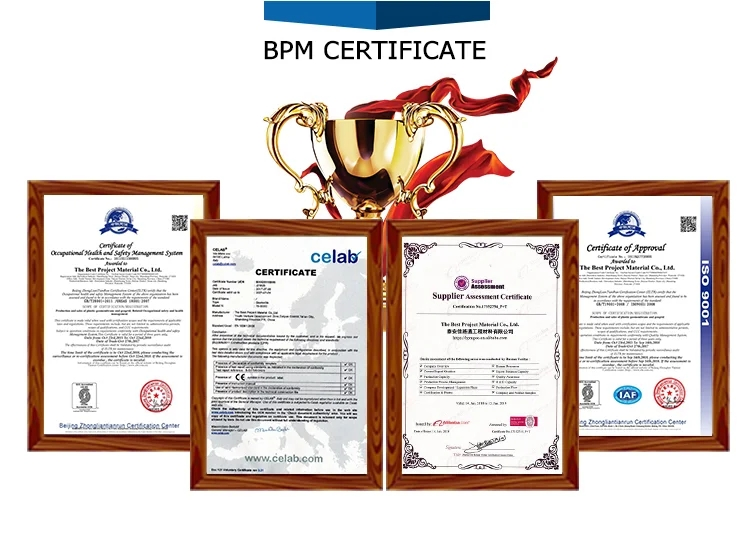
A:TDS, factory COA, third‑party test reports can be sent on request.


Hope to be your partner!


