

How to Choose the Perfect HDPE Liner Material?
The development of the HDPE liner material article was quite an adventure. From the factory to the landfill, mine, and water resource uses, and installation best practices, the piece explains why HDPE liner material is still the first choice for environmentally safe, long-lasting industrial solutions and industrial projects that pose high challenges.
The integrity of a barrier system is a key issue for environmental protection, water conservation, and industrial containment sectors. These are just a few of the ways that a liner system failure could lead to an ecological disaster and huge financial loss: isolating landfills from groundwater, potable water storage, or mining byproducts containment. Many of these necessities at the heart of the world depend on a seemingly ordinary yet highly engineered material: a Geomembrane liner made of High-Density Polyethylene (HDPE). But more than that it is the combination of polymer science and geotechnical engineering that has resulted in a material with remarkable life characteristics, durability, chemical resistance, and stability. The content of this paper is the composition, properties, applications, and installation details of HDPE liner material , emphasizing their function as the fundamental elements of modern containment systems.
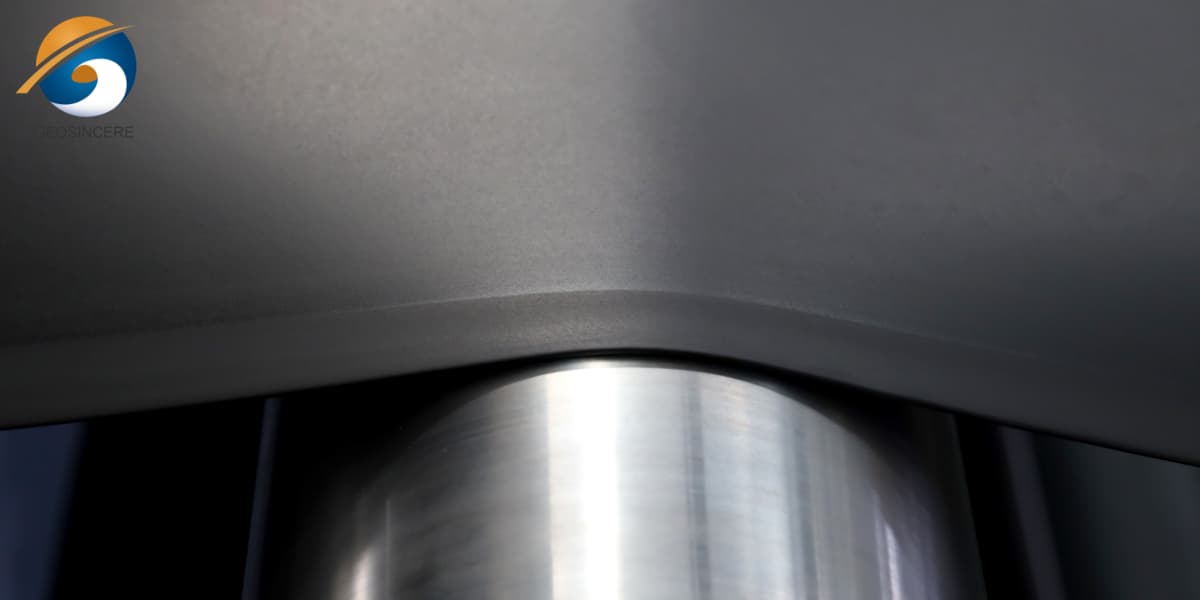
1. Composition and Manufacturing of HDPE Liner Material
Geosynthetic hdpe liner made of HDPE are not just a single polymer but are essentially made from high-density polyethylene resin, a petroleum-based thermoplastic. The base resin is generally mixed with essential additives to improve its performance specific to geosynthetic applications:
1.1 Carbon Black (2-3%)
Without a doubt the most important next to the raw polymer itself. This is what gives the film its ability to resist exposure to sunlight by absorbing the harmful ultra violet radiation, thus protecting the polymer from degradation and simultaneously increasing the outdoor lifetime of the liner from only a few months to several decades.
1.2 Antioxidants
They ward off the effect of oxygen both during long periods of high temperature in extrusion and on the physical stressing by oxygen of polymer chain scission after prolonged exposure outdoor.
1.3 Heat Stabilizers
Provide protection to the materials used in the film during repair and installation operations when high ambient temperatures and exposure to sunlight are experienced.
1.4 Processing Aids
These ensure a smooth and consistent manufacturing process.
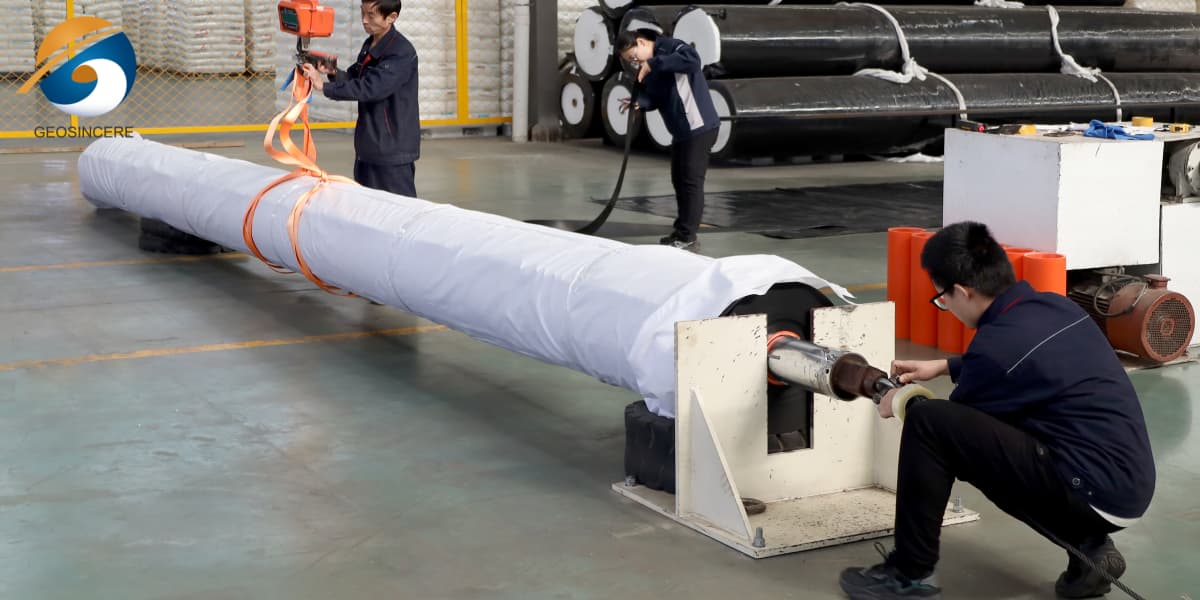
It is mainly through extrusion processes that the manufacturing takes place. The flat-die extrusion process is the most popular one, in which case a plastic sheet with uniform thickness is obtained by forcing the molten polymer compound through a wide, flat die, and then rolling it on the cooling system. Blown-film extrusion is the technique to get one big seamless piece by making a continuous cylindrical tube that can be folded flat. This process has great advantages when producing very wide rolls (up to 10.5 meters), saving a lot of field seams altogether. The roll of the finished product usually comes in different thickness options, such as 0.75 mm (30 mil) to 3.0 mm (120 mil), with 1.5 mm (60 mil) and 2.0 mm (80 mil) being common choices for primary landfill liners.
2. HDPE Liner Material Properties and Performance Advantages
The considerable global traction gained by HDPE liner material is based upon its outstanding and highly balanced set of engineering characteristics:
2.1 Extraordinary Chemical Resistance
HDPE stands out as one of the most inert plastics and exhibits excellent resistance towards a very broad spectrum of chemical substances, including strong acids and alkalis, as well as various salts. This feature makes it extremely suitable for applications such as landfill liners (leachate collection systems), tailings dams (for acidic or alkaline process fluids), and holding lagoons for industrial wastewater.
2.2 Low Permeability
This hdpe geomembrane material acts as a very effective barrier against fluids and gases. Its water vapor transmission rate is extremely low, so it effectively stops the seepage, thus keeping the groundwater safe.
2.3 High Durability and Tensile Strength
HDPE geomembranes have excellent tensile strength capabilities in the machine and cross-machine directions, which means they can endure the heavy loads from the overburden, subsidence, and can be safely installed without damage.
2.4 Excellent Stress Crack Resistance (SCR)
Top of the line, high-grade HDPE resins nowadays mainly consist of high SCR stress crack resistance; thus making the high density polyethylene liner material have a slow crack growth rate under constant stress, especially when surfactants are present. This is the key characteristic of a material for long-term usage.
2.5 UV Resistance
As a result of a certain amount of carbon black added, the high density polyethylene geomembrane material is highly-resistant to UV radiation and can thus be exposed for a limited period of time during installation without being damaged.
2.6 Flexibility at Low Temperatures
HDPE can become a bit tougher in winter but it, nevertheless, sustains a certain degree of flexibility even in deep freezing which is very helpful for those who have to take care of installations in areas of different climates.
2.7 Long Service Life
Prediction of provides the service life of an hdpe geo membrane to be more than 50 years if it is correctly formulated, installed, and protected. Unlined service life can be several times longer, especially when the liner is buried or submerged.
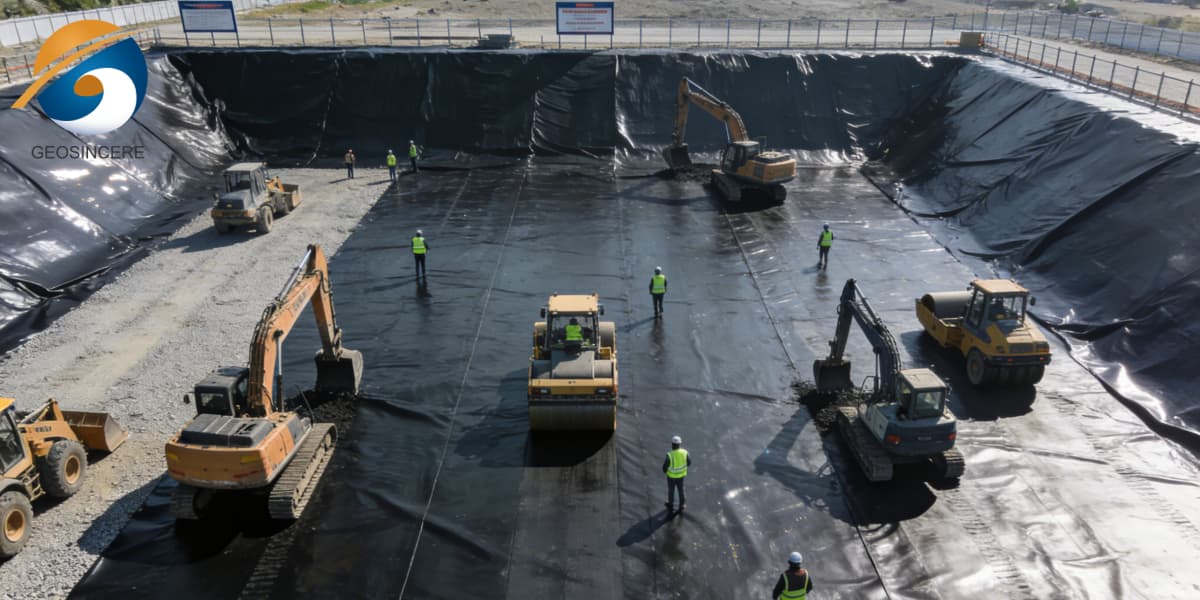
3. HDPE Liner Material Primary Applications and Use Cases
HDPE liners are the primary means that provide the solution to the problem of containment in the following industries:
3.1 Environmental Protection:
3.1.1 Landfills (Solid Waste and Hazardous)
This usage is probably the most severe one where hdpe geomembrane sheet is used to form a primary and secondary liner system for leachate collection and barrier prevention from the soil and groundwater. Their high chemical resistance plays a very important role there.
3.1.2 Wastewater and Treatment Lagoons
Various components of wastewater treatment plants such as anaerobic digesters, equalization basins, and evaporation ponds are lined with geomembranes to contain the waste and sludge.
3.2 Mining and Energy:
3.2.1 Tailings Dams and Heap Leach Pads
Mining hdpe geomembrane liner is used to hold chemically aggressive and/or toxic mining waste slurry and metal extraction solutions (e.g. cyanide for gold, sulphuric acid for copper). Their resistance to mechanical impacts as well as chemical attack is constantly under the test.
3.2.2 Oil & Gas Brine Pits and Frac Pads
These are secondary containment systems for "produced water" and drilling fluids used in the oil & gas extraction processes.
3.3 Water Resources and Aquaculture:
3.3.1 Potable Water Reservoirs
HDPE is considered safe for human consumption and therefore can be used for reservoirs, clear wells, and canal lining where leakage as well as contamination has been prevented.
3.3.2 Decorative and Fire Protection Ponds
Landscapes, golf courses, and public fire water supply installations are some of the common places where such facilities are used.
3.3.3 Aquaculture Ponds:
By using geomembrane sheet, a closed fish and shrimp farming system can be set up where water quality is higher and better managed.
3.3.4 Agriculture:
Increased efficiency as well as prevention of nutrient leaching can be attained by lining irrigation canals, silage pits, and manure storage ponds.
4. HDPE Liner Material Installation, Seaming, and Quality Assurance
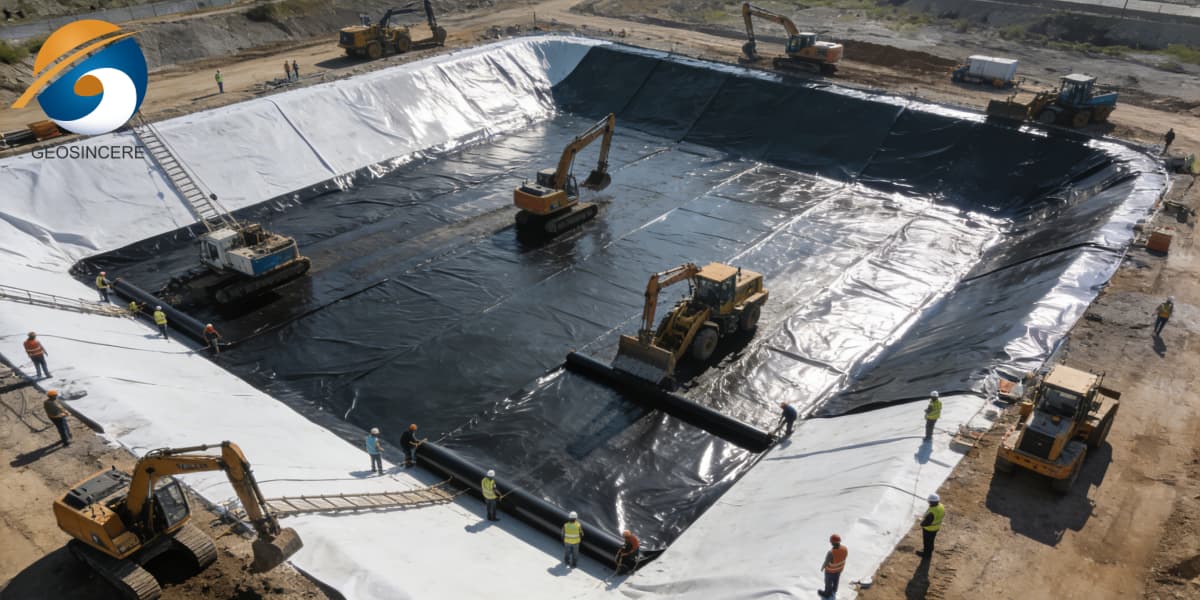
However, the performance of a hdpe liner sheet depends mostly on how well it is installed and rounded with seams whose quality is the most paramount. Proper installation is a highly specialized skill.
4.1 Subgrade Preparation
It is of great importance that the subsoil be properly prepared such that it is compacted, smooth, and doesn't have sharp rocks, roots, or debris which might tear the sheet. On rocky substrates a layer of geotextile is commonly placed.
4.2 Panel Deployment and Seaming
After deployment and anchoring the rolls, the field joints are fused by an overlap only heating in place process. The two main methods are:
4.2.1 Dual Hot Wedge Fusion
A heated wedge is used to melt two overlapping hdpe membrane sheet, which are then pressed together by the dual rollers. This results in two continuous, parallel fusion tracks with an air channel between them that is used for non-destructive testing.
4.2.2 Extrusion Fillet Seaming
Molten polymer of the HDPE is extruded as a thin ribbon over the edge of two overlapped sheets thus bonding them together. This method is handy to create intricate details, patches, and repairs.
4.3 Quality Control (QC) and Non-Destructive Testing (NDT)
Each and every inch of all seams must be subjected to testing.
4.3.1 Destructive Testing
Strips are taken from the production seams' ends, and their shear and peel strength are tested in a laboratory.
4.3.2 Non-Destructive Testing
Air Pressure Testing for dual wedge seams is done by inflating the air channel to find a pressure drop which indicates the presence of a defect. Vacuum Box Testing and Spark Testing are the methods used for extrusion fillet seams and patches that help to pinpoint the pinholes.
4.4 Protection
Typically, after a successful installation and testing of the hdpe geomembrane pond liner, they are covered immediately with a protective layer (such as soil, sand, geocomposite) or fluid to prevent UV damage, accidental damage, and wind uplift.
5. HDPE Liner Material Considerations and Limitations
HDPE stands out in many ways but there are situations when it's not the best or only option. Depending on which of the following considerations
5.1 Differential Settlement
HDPE has a relatively high modulus of elasticity. In cases of substantially uneven or large settling areas, HDPE may not yield as well as more flexible materials such as PVC or LLDPE, thus localized stress areas may appear.
5.2 Puncture Resistance
Although HDPE is strong, a thin layer of hdpe geomembrane pond liner can be damaged through a sharp aggregate when a point load is applied. Proper subgrade preparation combined with geotextiles is a must.
5.3 Thermal Expansion/Contraction
HDPE is very sensitive to temperature changes. It expands and contracts quite a bit. During installation, pieces should be welded leaving some slack for temperature changes happening throughout the day so that no stress wrinkles will form.
5.4 Seaming Expertise
Highly skilled welders are necessary and a stringent QC is essential as it makes the whole process of installation critical and technically demanding.
6. The Future of HDPE Liner Material Technology
Thanks to continuing innovations, performance of HDPE liners is continually improved:
6.1 Coextruded and Textured Liners
Coextrusion makes it possible to have layers with different properties (e.g., a protective cap layer). Textured liners( with roughened surfaces) help to obtain higher interface shear strength on slopes thus yielding more stability.
6.2 Enhanced Resins
Research and development in polyethylene resins do not stop as they are continually being improved for higher stress crack resistance, greater flexibility, and higher elongation at break.
6.3 Installation Technology
Development in automated welding machines, better seam testing methods (e.g., ultrasonic testing), and the employment of drones for site surveying are some of the ways to further increase reliability and efficiency.
Conclusion
The HDPE liner material is a testament to the power of material engineering in service of environmental stewardship and industrial safety. Its robust combination of chemical inertness, impermeability, durability, and proven longevity has made it the default choice for the world's most critical containment challenges. From safeguarding aquifers beneath mountains of waste to ensuring the security of our drinking water, HDPE liners perform a silent, vital function. As technological enhancements in resin formulation and installation practices continue to evolve, the role of polyethylene geomembrane material as a foundational element in sustainable infrastructure is set to remain unchallenged for decades to come. Its success is not merely in its physical properties but in the rigorous engineering, skilled installation, and uncompromising quality assurance that surrounds its use, creating a trusted barrier between potential pollutants and the environment we strive to protect.
Choose a reliable supplier to quote price for you :
Shandong Geosino New Material Co., Ltd. (GEOSINCERE Geosynthetics) has been keeping on investing in technological innovation, manufacturing facilities improvement and turnkey engineering abilities. We have invested 10 million dollars into our manufacturing factory which is equipped with state-of-the-art automatic production lines to manufacture high quality HDPE geomembranes and other geosynthetics with optimized processes. Our extensive lines of geosynthetics products are well known for their ensured quality, high performance, excellent durability and best cost effectiveness.
GEOSINCERE Geosynthetics brand HDPE geomembranes and other geosynthetics products and solutions can meet your requirements by our solid technologies, innovative engineering solutions and excellent customer services. GEOSINCERE always tries our best to solve the most complex civil, mining and environmental challenges with our innovative and high performance geosynthetic products. Quality assurance, factory price and fast delivery time are our competitive advantages.
GEOSINCERE Geosynthetics has been keeping on investing in technological innovation, manufacturing facilities improvement and turnkey engineering abilities. We have invested 10 million dollars into our manufacturing factory which is equipped with state-of-the-art automatic production lines to manufacture high quality Geosynthetic clay liners and other geosynthetics with optimized processes. Our extensive lines of geosynthetics products are well known for their ensured quality, high performance, excellent durability and best cost effectiveness.


