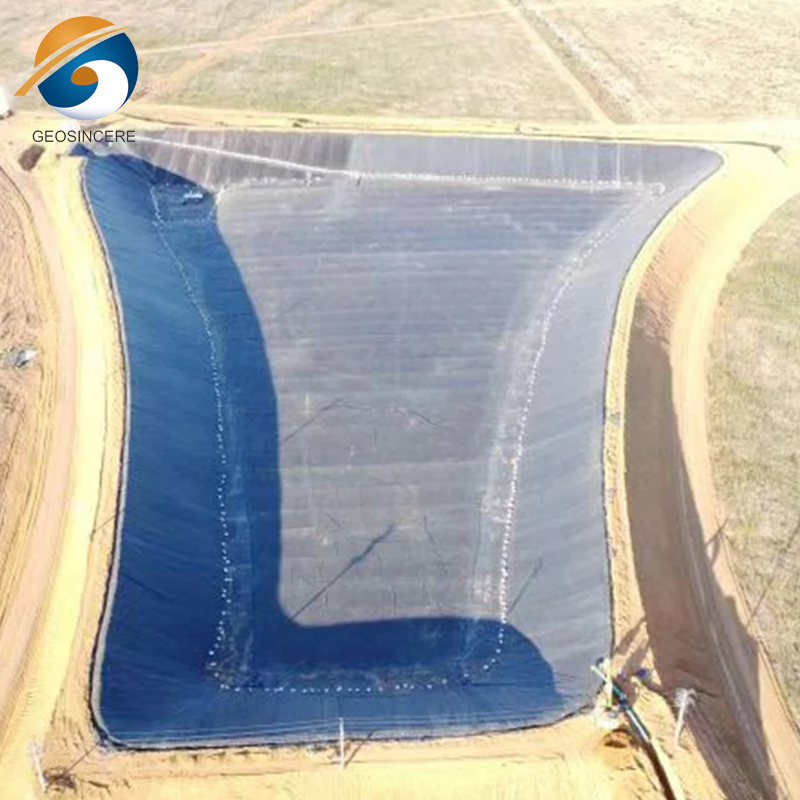
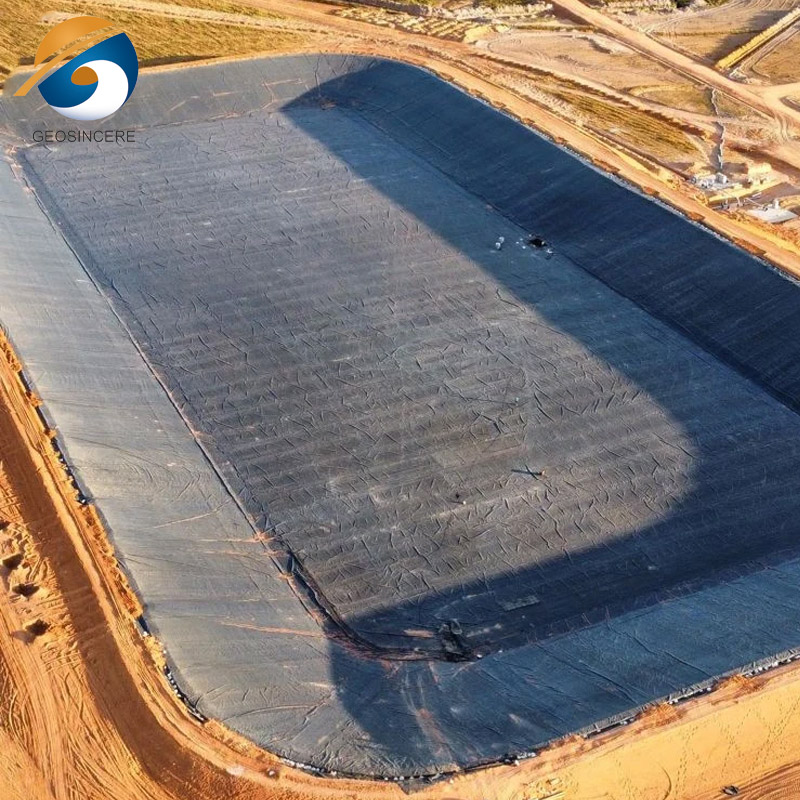
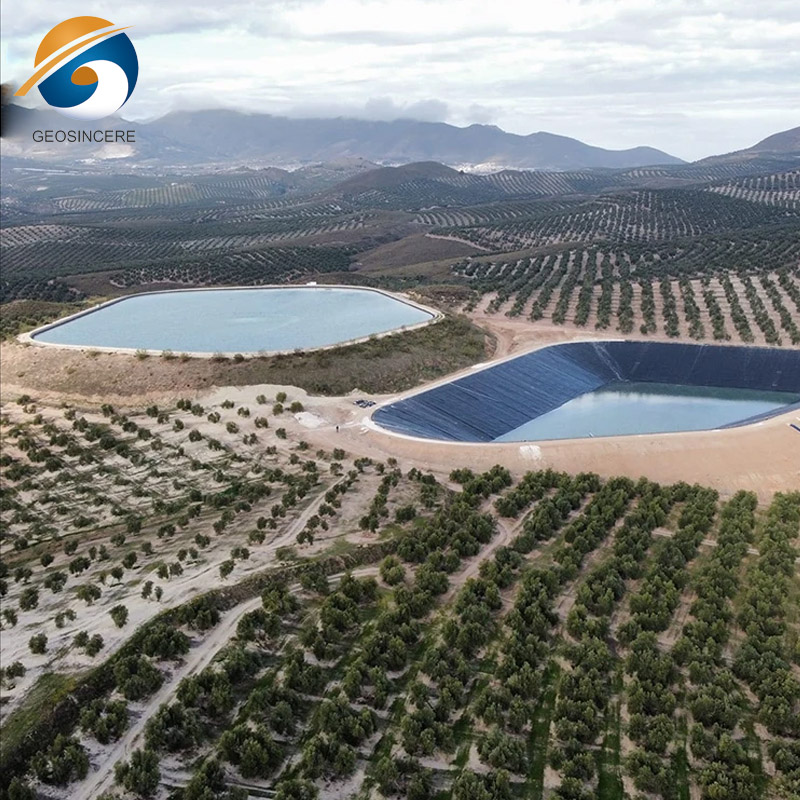
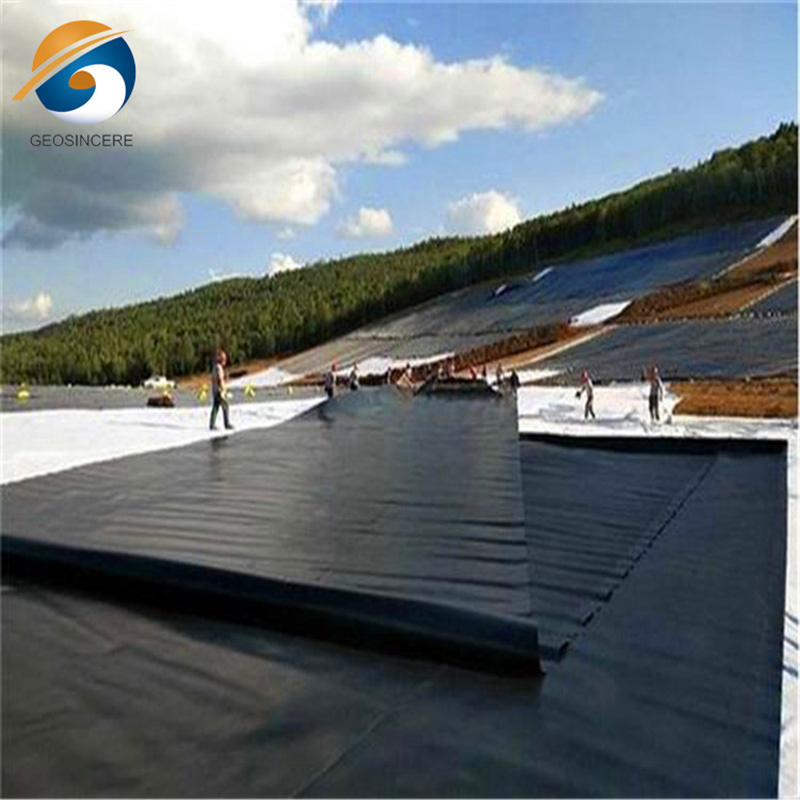
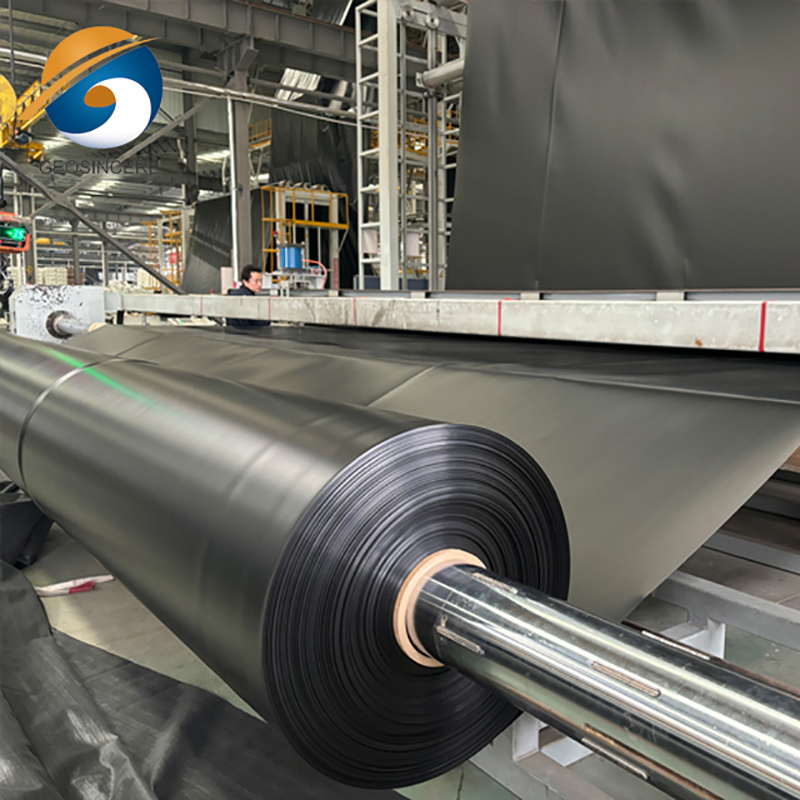
Canal Lining Flexible HDPE Geomembrane Pond Liner
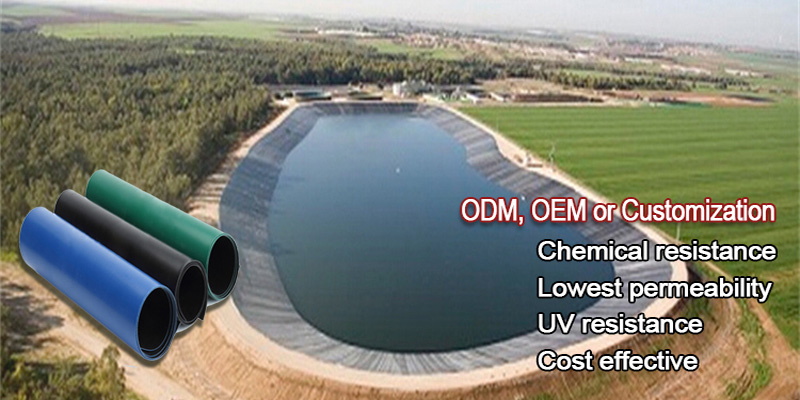
The global adoption of Canal Lining Flexible HDPE Geomembrane Pond Liner continues to accelerate as governments and engineering firms prioritize efficient water resource management. With increasing water scarcity, aging canal systems, and rising agricultural demand, geomembranes are becoming essential for reducing seepage losses and improving canal performance. Flexible HDPE liners offer a long-term solution that enhances water delivery efficiency while minimizing maintenance costs.
Recent industry analyses indicate that the demand for geomembrane-based canal lining systems is expanding across Asia, the Middle East, Africa, and Latin America. The push for sustainable irrigation infrastructure and improved water conservation strategies has positioned the Canal Lining Flexible HDPE Geomembrane Pond Liner as a preferred choice among international project developers, public utilities, and EPC contractors.
Global Market Overview of Canal Lining Flexible HDPE Geomembrane Pond Liner
The global adoption of Canal Lining Flexible HDPE Geomembrane Pond Liner continues to accelerate as governments and engineering firms prioritize efficient water resource management. With increasing water scarcity, aging canal systems, and rising agricultural demand, geomembranes are becoming essential for reducing seepage losses and improving canal performance. Flexible HDPE liners offer a long-term solution that enhances water delivery efficiency while minimizing maintenance costs.
Recent industry analyses indicate that the demand for geomembrane-based canal lining systems is expanding across Asia, the Middle East, Africa, and Latin America. The push for sustainable irrigation infrastructure and improved water conservation strategies has positioned the Canal Lining Flexible HDPE Geomembrane Pond Liner as a preferred choice among international project developers, public utilities, and EPC contractors.
Industry Trends and Market Growth Drivers
The current market is driven by several major trends, including the modernization of irrigation channels, rehabilitation of old concrete-lined canals, and the global shift toward cost-effective, durable water containment materials. Flexible HDPE geomembranes offer an advantage due to their superior impermeability, high tensile strength, and resistance to UV and chemical exposure.
As part of global sustainability initiatives, many development agencies and agricultural ministries have integrated geomembrane canal lining into large-scale water-saving programs. Digital monitoring and improved trenchless installation technologies have further boosted adoption across diverse terrains. The flexibility and weldability of HDPE liners make them suitable for both straight and curved canal systems.
Technical Specifications and Material Performance
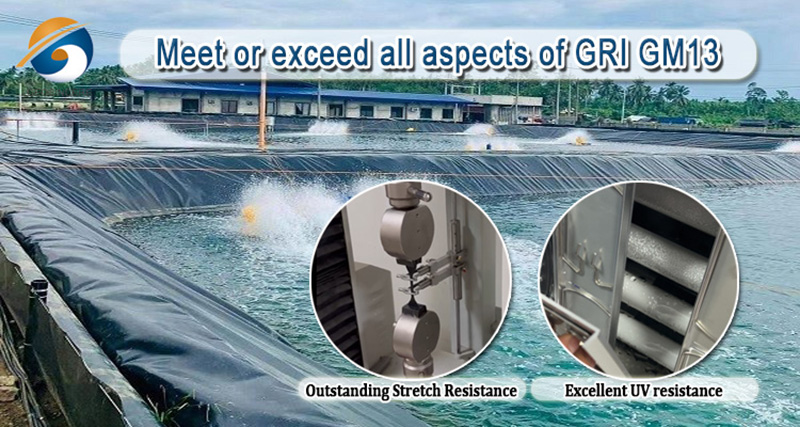
The Canal Lining Flexible HDPE Geomembrane Pond Liner is typically produced with thicknesses ranging from 0.75mm to 2mm, depending on project specifications. Mechanical properties such as tensile strength, elongation at break, tear resistance, and puncture resistance are evaluated according to international geomembrane testing standards.
Additional parameters including permeability rate, UV resistance, stress-crack resistance, and hydrostatic pressure performance are crucial for long-term canal stability. HDPE geomembranes incorporate high-quality resins with carbon-black additives to ensure stability under high solar radiation conditions, particularly in desert climates and tropical regions.
Product Structure and Composition
The liner is manufactured from high-density polyethylene resins using advanced extrusion processes. Its single-layer structure combines flexibility with structural integrity, enabling installation along sloped banks, curved sections, and irregular soil surfaces. The geomembrane surface typically features a smooth or textured finish, with textured options improving frictional resistance on steep canal embankments.
The mechanical characteristics of the Canal Lining Flexible HDPE Geomembrane Pond Liner depend on resin type, additive formulation, and extrusion consistency. Stabilizers and antioxidants ensure long-term resistance to thermal stress, oxidative degradation, and environmental chemical exposure.
Manufacturing Process and Quality Assurance
The production of HDPE geomembranes follows a controlled extrusion process, where polymer pellets are melted, filtered, and extruded into sheets of uniform thickness. Modern manufacturing lines use continuous online scanning systems to monitor film thickness, detect surface imperfections, and maintain dimensional accuracy.
Quality control testing includes tensile verification, carbon-black dispersion, OIT performance, puncture resistance, and dimensional stability analysis. These parameters ensure the geomembrane meets international standards and performs reliably during field installation and long-term water containment applications.
Applications in Canal Infrastructure and Water Management
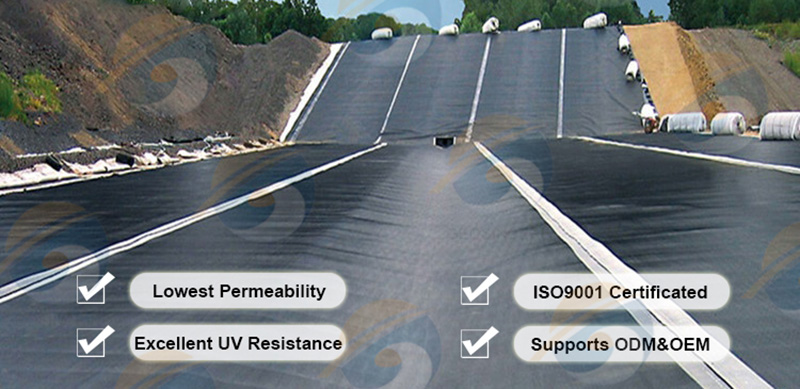
The Canal Lining Flexible HDPE Geomembrane Pond Liner is widely used in irrigation canals, stormwater channels, agricultural watercourses, fish ponds, and wastewater conveyance systems. Its impermeable structure significantly reduces water seepage, improves flow efficiency, and prevents soil erosion and canal bed instability.
In large-scale irrigation networks, the liner enhances water distribution by preventing leakage loss and improving hydraulic conductivity. Municipal water authorities also adopt HDPE liners for lining drainage canals and stormwater channels, ensuring efficient water movement during peak flooding periods.
Procurement Preferences and Common Buyer Concerns
International buyers prioritize material consistency, welding performance, and UV resistance when sourcing HDPE geomembrane liners. The durability of the liner under extreme weather conditions and long operational cycles is a central decision factor, especially for government-funded canal rehabilitation projects.
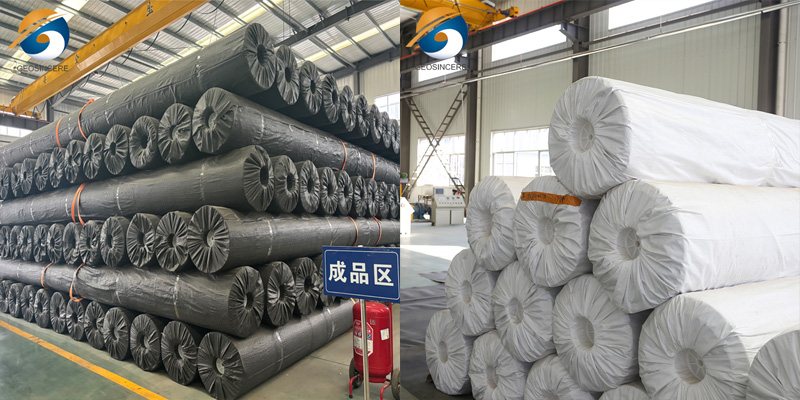
Common procurement challenges include inconsistent thickness tolerance, inadequate packaging for export shipments, and difficulty evaluating supplier technical documentation. To address these concerns, buyers rely on detailed datasheets, third-party testing, and sample verification before confirming bulk orders.
Global Market Outlook and Development Potential
The future outlook for Canal Lining Flexible HDPE Geomembrane Pond Liner remains strong as global investments in water infrastructure continue to increase. Developing countries are expected to allocate substantial budgets toward canal modernization, with geomembrane systems playing an essential role in next-generation water conservation strategies.
We support engineering firms, project developers, and government agencies with reliable technical documentation, customized specifications, and expert consultation to ensure optimal material selection for canal lining applications.
FAQ
What thickness is recommended for canal lining?
Most irrigation and water conveyance projects use HDPE liners between 1.0mm and 1.5mm, depending on soil conditions, hydraulic load, and expected durability.
Can HDPE geomembrane withstand long-term sunlight exposure?
Yes, HDPE liners with proper carbon-black content and UV stabilizers are engineered for continuous outdoor exposure in high-temperature climates.
Is flexible HDPE suitable for curved or sloped canals?
Its flexibility and strong weldability make HDPE geomembrane ideal for curved, sloped, and irregular canal structures.
Can buyers request custom widths for faster installation?
Yes, roll width and length can be customized based on installation requirements and handling capacity.
For project-specific pricing, technical datasheets, engineering recommendations, or material samples, contact us to receive professional support tailored to your canal lining application.