Non Woven Geotextile Road Filter Fabric
Manufacturing Process and Engineering Controls
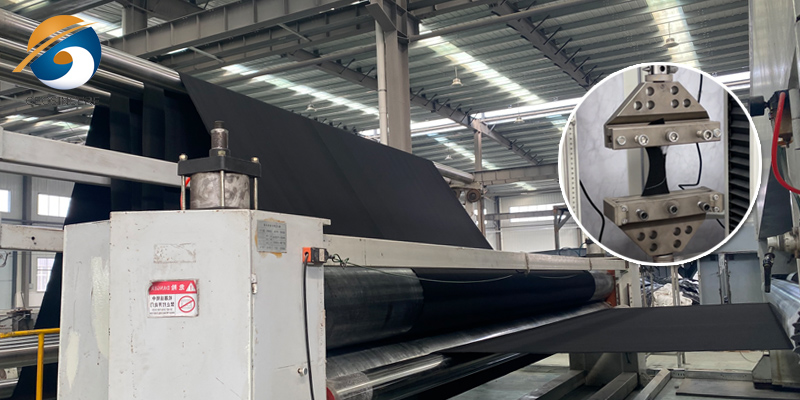
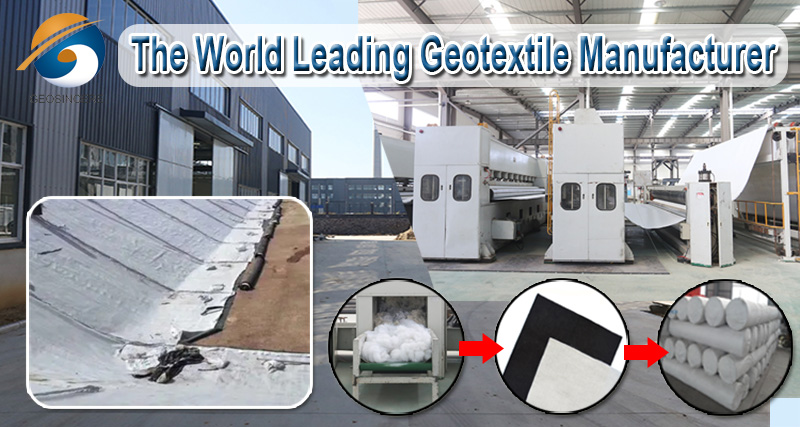
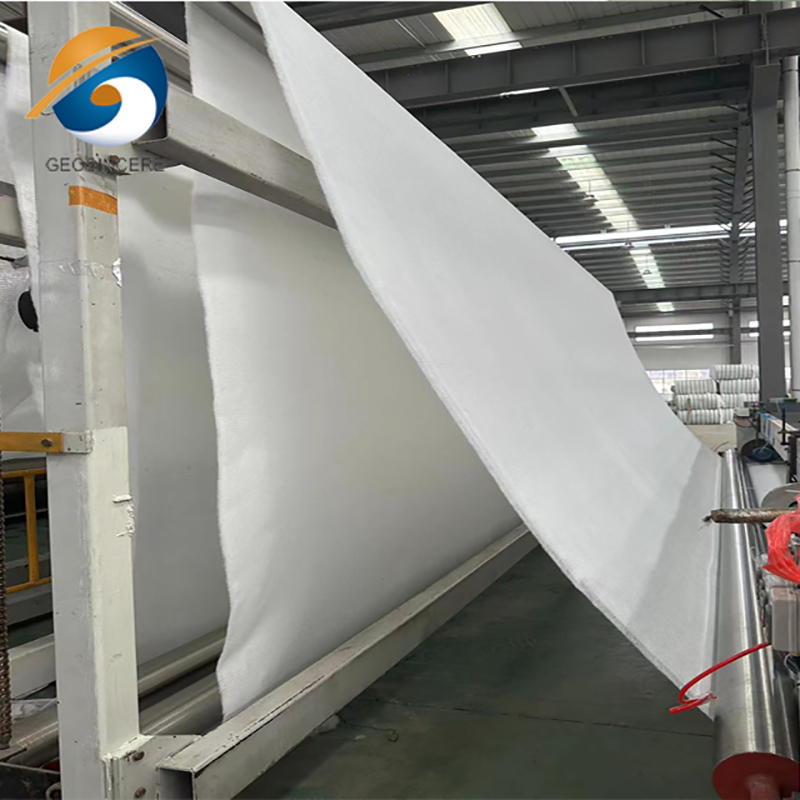
Producing non woven geotextile road filter fabric requires precise control of fiber distribution, needling density, and finishing processes.
Polymer Extrusion – Formation of continuous filaments or staple fibers
Web Formation – Uniform fiber laying using carding or air-laying systems
Needle Punching – Mechanical bonding via high-frequency barbed needles
Thermal Setting – Dimensional stabilization under controlled temperature
Edge Trimming – Width accuracy and roll consistency
Quality Testing – Tensile, permeability, and AOS verification
Roll Packaging – UV-protected wrapping for transport and storage
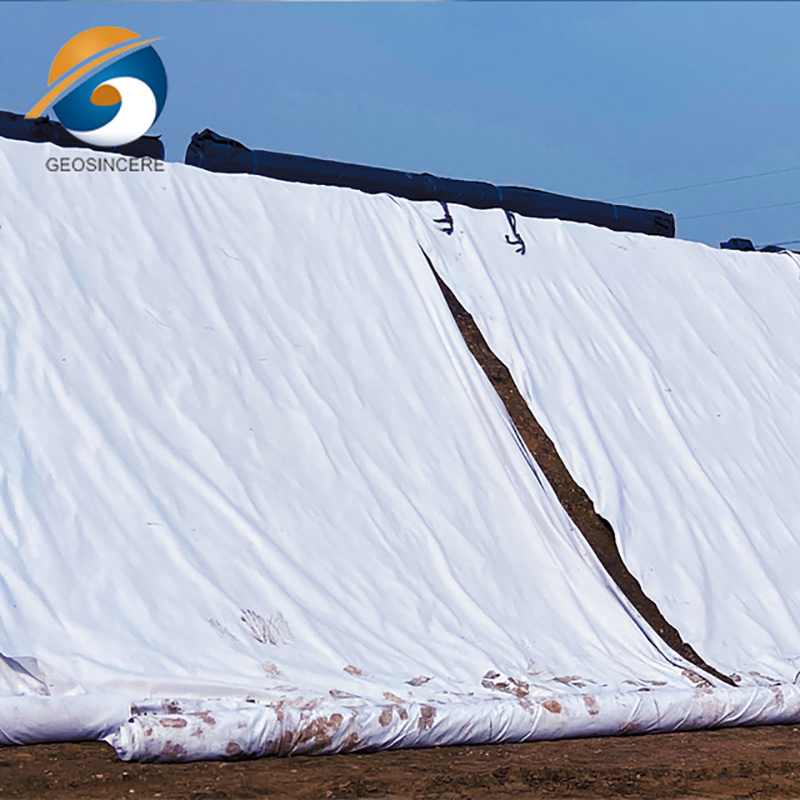
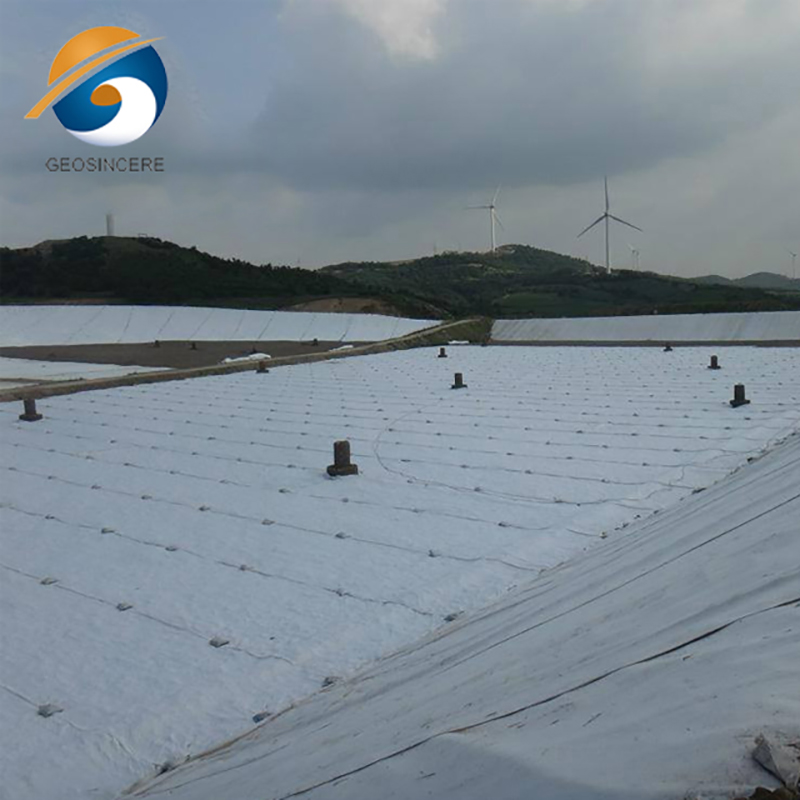
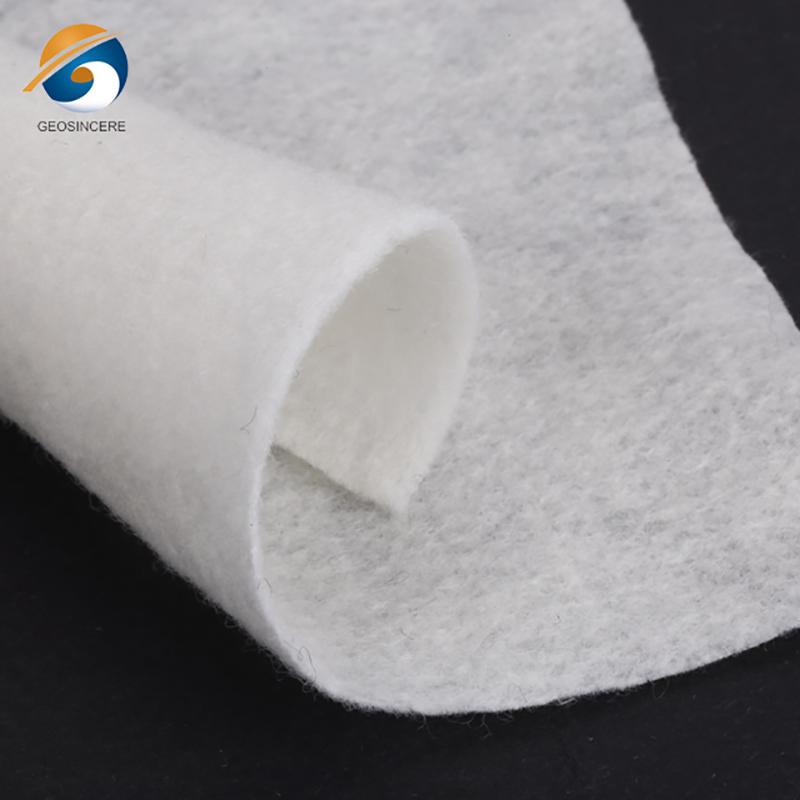
Non Woven Geotextile Road Filter Fabric is a permeable, needle-punched synthetic textile used in road and pavement construction to provide filtration, separation, drainage, and soil stabilization, allowing water flow while preventing fine soil migration that compromises structural integrity.
Technical Parameters and Specifications
For road engineering and infrastructure procurement, the performance of non woven geotextile road filter fabric is defined by mechanical strength, hydraulic behavior, and durability.
| Parameter | Typical Range | Engineering Relevance |
|---|---|---|
| Mass per Unit Area | 100–600 g/m² | Controls filtration and separation capacity |
| Tensile Strength | 8–30 kN/m | Load distribution under traffic stress |
| Elongation at Break | 40–80% | Accommodation of subgrade deformation |
| Permittivity | 0.5–2.5 s⁻¹ | Vertical water flow efficiency |
| Apparent Opening Size (AOS) | 0.07–0.25 mm | Soil retention control |
| UV Resistance | >70% (500 hrs) | Durability during construction exposure |
Structure and Material Composition
The functional reliability of non woven geotextile road filter fabric depends on its fiber structure and polymer selection.
Primary Polymer
Polypropylene (PP)
Polyester (PET) for higher temperature resistance
Fiber Structure
Continuous or staple fibers
Randomly oriented for isotropic strength
Bonding Method
Needle-punched mechanical entanglement
Pore Network
Three-dimensional void structure for filtration and drainage
Manufacturing Process and Engineering Controls
Producing non woven geotextile road filter fabric requires precise control of fiber distribution, needling density, and finishing processes.
Polymer Extrusion – Formation of continuous filaments or staple fibers
Web Formation – Uniform fiber laying using carding or air-laying systems
Needle Punching – Mechanical bonding via high-frequency barbed needles
Thermal Setting – Dimensional stabilization under controlled temperature
Edge Trimming – Width accuracy and roll consistency
Quality Testing – Tensile, permeability, and AOS verification
Roll Packaging – UV-protected wrapping for transport and storage
Industry Comparison
Selecting the correct geotextile type is critical for long-term road performance.
| Criteria | Non Woven Geotextile | Woven Geotextile | Geogrid | Gravel Filter Layer |
|---|---|---|---|---|
| Filtration | Excellent | Limited | Poor | Moderate |
| Drainage | High | Low | Very Low | Moderate |
| Installation Speed | Fast | Fast | Moderate | Slow |
| Material Consistency | High | High | High | Variable |
Application Scenarios
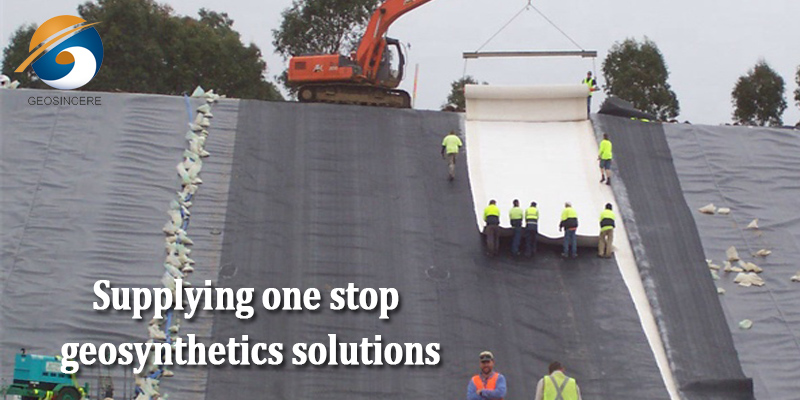
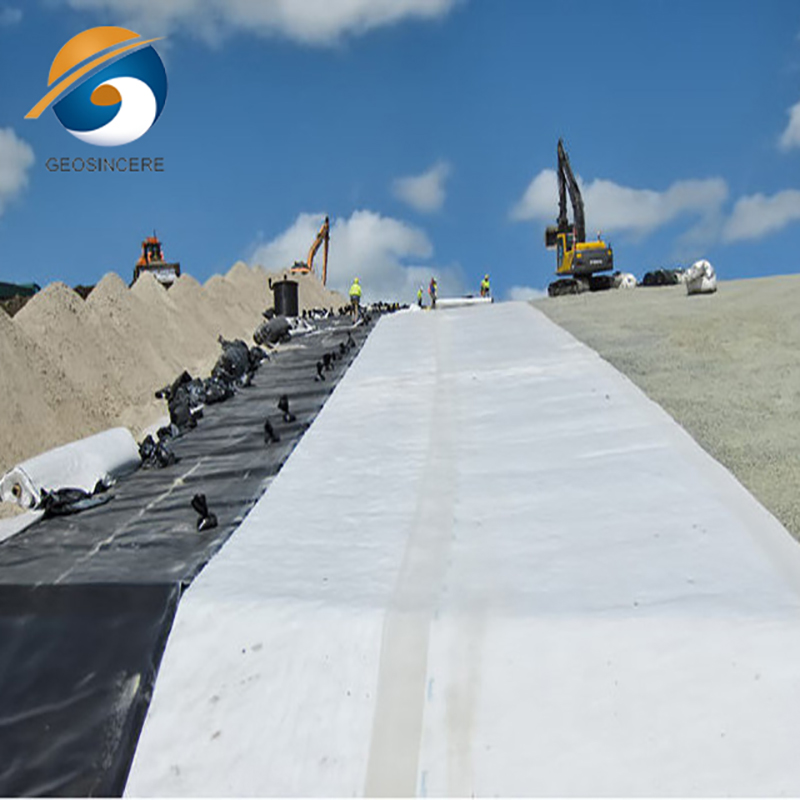
Non woven geotextile road filter fabric is widely adopted across transportation and civil infrastructure projects.
Road and Highway Construction – Subgrade separation and filtration
EPC Contractors – Pavement systems, access roads, and shoulders
Municipal Projects – Urban roads and drainage layers
Industrial Facilities – Heavy-load service roads
Distributors – Infrastructure material supply chains
Core Pain Points and Engineering Solutions
Pain Point: Subgrade pumping and fines migration
Solution: Controlled AOS for effective soil retentionPain Point: Poor drainage causing water accumulation
Solution: High permittivity non woven structurePain Point: Fabric tearing during installation
Solution: Higher mass and tensile strength selectionPain Point: Uneven settlement under traffic
Solution: Elastic elongation to accommodate deformation
Risk Warnings and Mitigation Strategies
Incorrect selection of non woven geotextile road filter fabric may result in clogging, tearing, or reduced service life. Risks should be mitigated by matching AOS to soil gradation, avoiding prolonged UV exposure, and ensuring overlap and anchoring comply with project specifications.
Procurement and Selection Guide
Analyze subgrade soil particle size distribution
Define required filtration and drainage performance
Select appropriate fabric mass and tensile class
Verify compliance with ASTM or EN standards
Confirm roll width and length for installation efficiency
Request third-party test reports
Evaluate logistics and site storage conditions
Engineering Case Application
In a regional highway rehabilitation project, 300 g/m² non woven geotextile road filter fabric was installed between soft clay subgrade and crushed aggregate base. Post-construction monitoring showed reduced rutting and stable drainage performance after two monsoon seasons.
FAQ – Non Woven Geotextile Road Filter Fabric
Q1: What is the main function in road construction?
A: Filtration and separation of subgrade and base layers.Q2: Is non woven better than woven for drainage?
A: Yes, non woven provides superior water flow.Q3: How is AOS selected?
A: Based on soil gradation and fines content.Q4: Can it be used under asphalt roads?
A: Yes, commonly used beneath base courses.Q5: Does thickness affect filtration?
A: Mass and pore structure are more critical than thickness.Q6: What overlap is recommended?
A: Typically 300–500 mm depending on subgrade.Q7: Is UV resistance important?
A: Yes, especially during prolonged site exposure.Q8: Can it replace gravel filters?
A: In many applications, yes.Q9: What standards apply?
A: ASTM D4595, D4491, EN ISO 10319.Q10: What is the expected service life?
A: 25–50 years when properly designed.
Call to Action
For project-specific recommendations, technical datasheets, compliance documentation, or pricing of non woven geotextile road filter fabric, please submit your engineering requirements for professional review.
E-E-A-T Author Credentials
This article is authored by a geosynthetics engineer with over 15 years of experience in road infrastructure design, geotextile specification, and EPC project support across transportation and civil engineering sectors.