Non Woven Landscape Fabric Geotextile
The demand for non woven landscape fabric geotextile continues to rise worldwide, driven by increasing emphasis on sustainable landscaping, erosion control, and infrastructure stability. This material plays a crucial role in preventing soil erosion, enhancing drainage, and improving soil reinforcement in civil engineering and horticultural applications.
According to recent industry data, the global geotextile market exceeded USD 10 billion in 2024 and is projected to grow at a CAGR of around 6% through 2030. Within this, non woven geotextiles account for nearly 65% of total consumption due to their versatility and cost efficiency. The **non woven landscape fabric geotextile** segment, in particular, has experienced strong growth in landscaping, agriculture, and construction sectors in North America, Europe, and emerging Asian markets.
Global Market Overview of Non Woven Landscape Fabric Geotextile
The demand for non woven landscape fabric geotextile continues to rise worldwide, driven by increasing emphasis on sustainable landscaping, erosion control, and infrastructure stability. This material plays a crucial role in preventing soil erosion, enhancing drainage, and improving soil reinforcement in civil engineering and horticultural applications.
According to recent industry data, the global geotextile market exceeded USD 10 billion in 2024 and is projected to grow at a CAGR of around 6% through 2030. Within this, non woven geotextiles account for nearly 65% of total consumption due to their versatility and cost efficiency. The **non woven landscape fabric geotextile** segment, in particular, has experienced strong growth in landscaping, agriculture, and construction sectors in North America, Europe, and emerging Asian markets.
Material Composition and Structural Characteristics
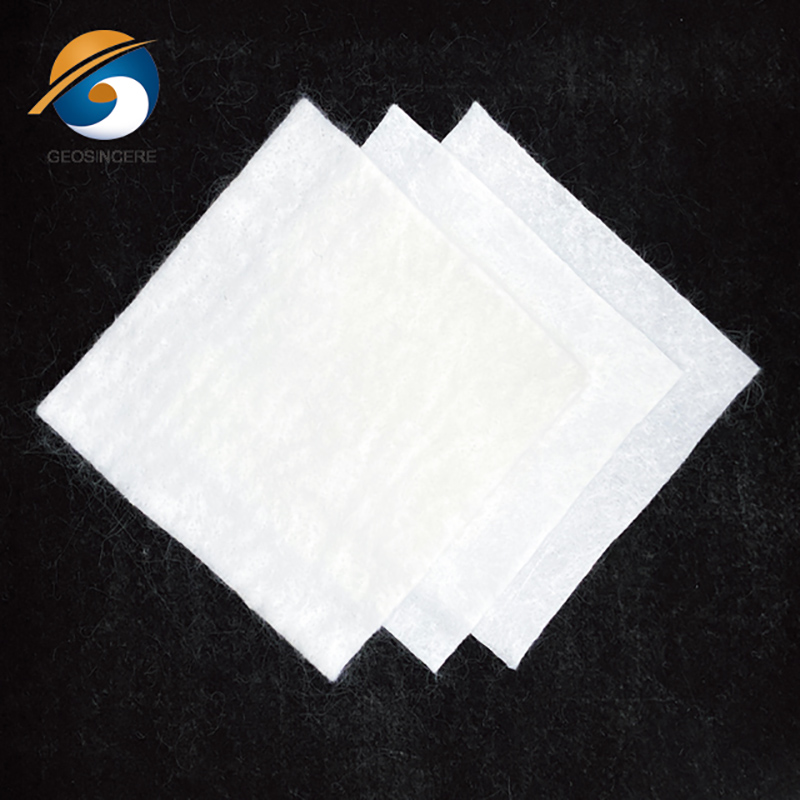
A **non woven landscape fabric geotextile** is typically produced from polypropylene (PP) or polyester (PET) fibers through mechanical needle-punching, thermal bonding, or a combination of both. The non woven structure offers high permeability and superior filtration performance compared to woven geotextiles, making it suitable for applications where water flow and soil separation are critical.
Key structural parameters include:
• **Weight range:** 80–600 g/m² (depending on project requirements)
• **Thickness:** 0.8–5 mm
• **Tensile strength:** 8–35 kN/m
• **Elongation rate:** 30–100%
• **Permeability coefficient:** 0.01–0.05 cm/s
These properties determine the product’s mechanical strength, filtration capacity, and lifespan—factors that directly influence **non woven landscape fabric geotextile** pricing and selection for professional buyers.
Manufacturing Process and Quality Standards
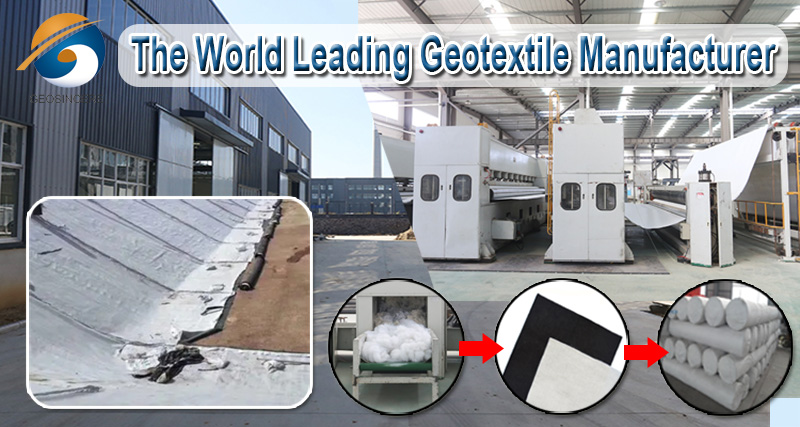
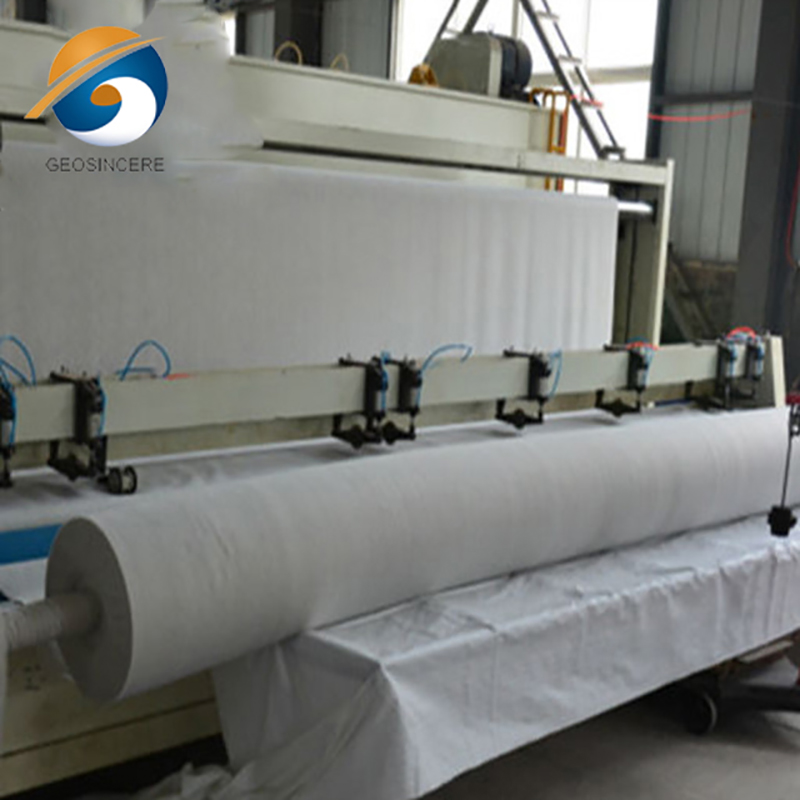
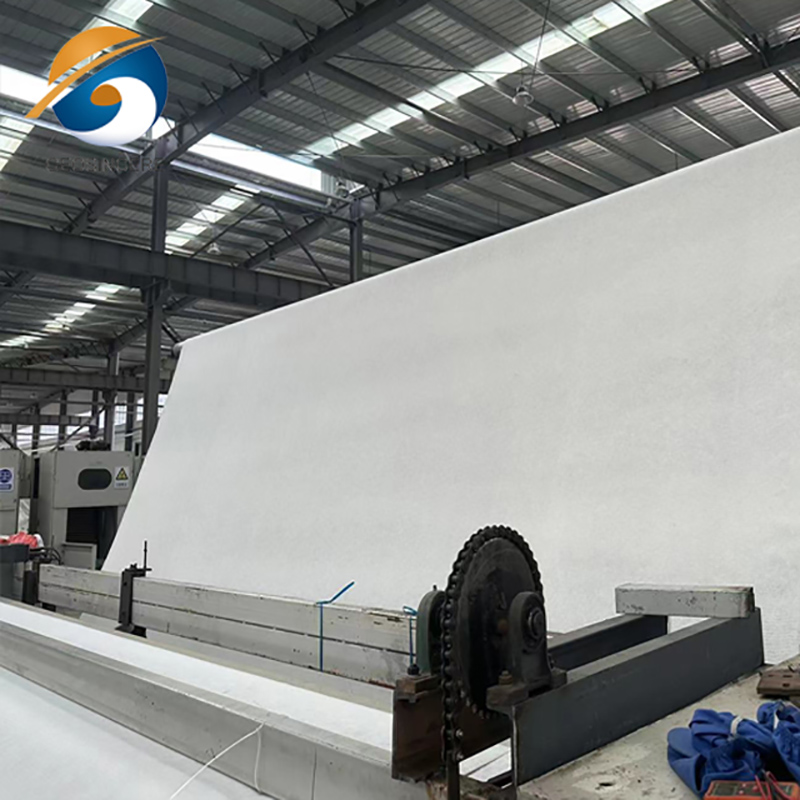
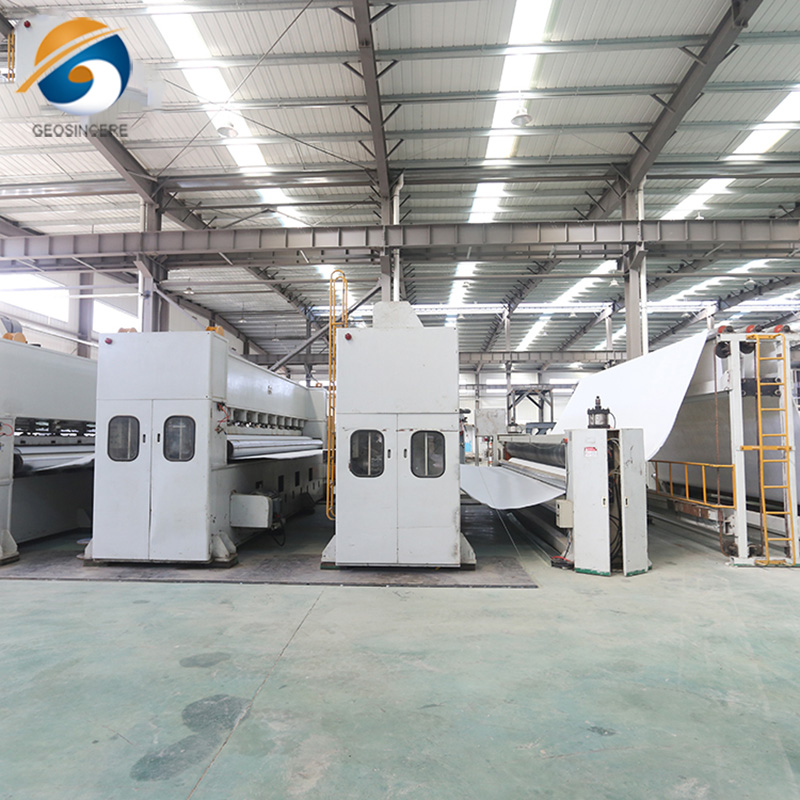
The production of **non woven landscape fabric geotextile** involves a carefully controlled multi-step process to ensure performance consistency. Raw PP or PET chips are extruded into filaments, which are then laid randomly and bonded through needle-punching or heat pressing. This random fiber distribution provides high dimensional stability and isotropic mechanical properties.
Leading manufacturers follow international standards such as:
• **ASTM D4595** – Tensile properties of geotextiles
• **ISO 10319** – Wide-width tensile test
• **EN 13249–13257** – Geotextiles for civil engineering applications
Compliance with these standards ensures that non woven geotextiles meet global engineering requirements, improving buyer confidence and facilitating international trade.
Applications in Landscaping and Civil Engineering
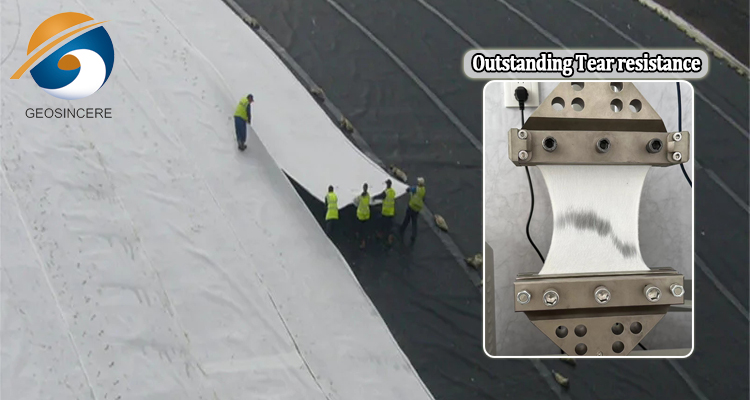
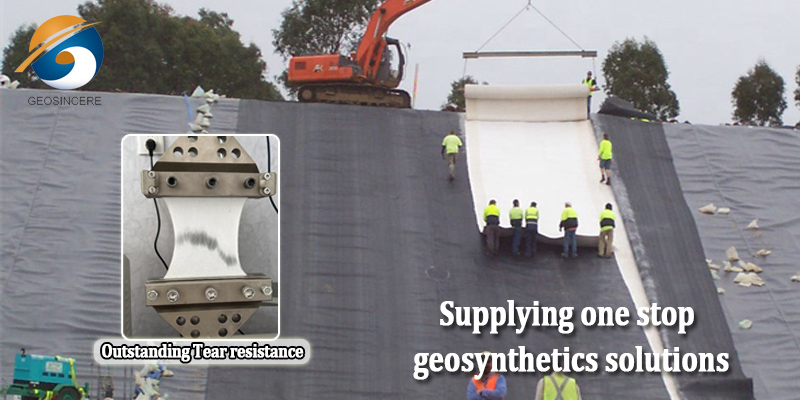
**Non woven landscape fabric geotextile** serves a wide range of functions across both landscaping and infrastructure applications. Its core functions include separation, filtration, drainage, protection, and reinforcement.
Common uses include:
• **Weed Control in Landscaping:** Acting as a barrier that blocks sunlight while allowing water and air to pass through.
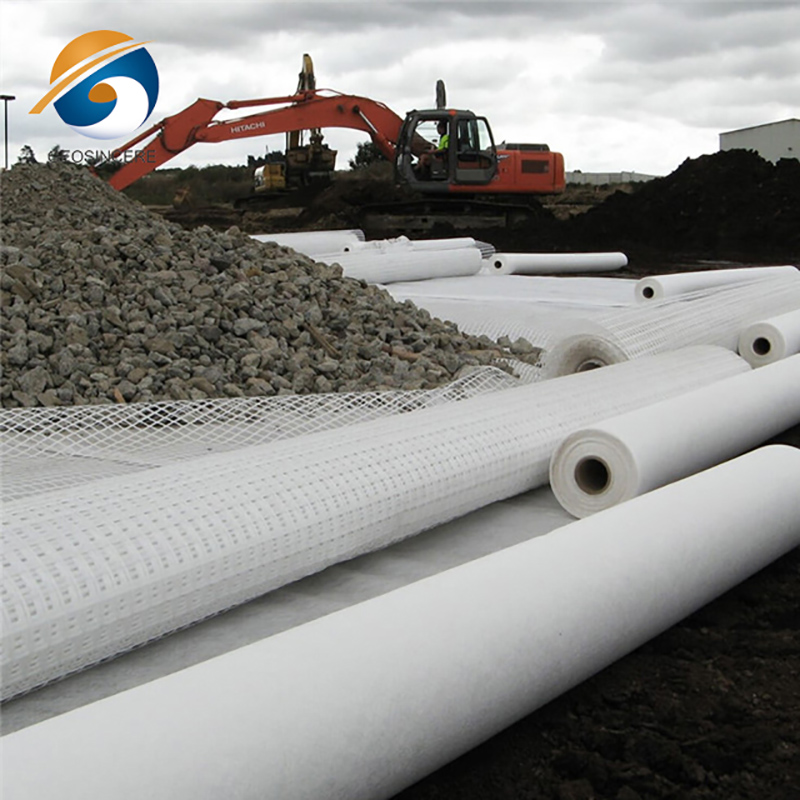
• **Soil Stabilization:** Preventing intermixing between subgrade and aggregate in road or pathway construction.
• **Erosion Control:** Reinforcing soil on slopes and embankments to prevent washout during heavy rainfall.
• **Drainage Systems:** Enhancing water flow in agricultural fields, retaining walls, and sports turf installations.
These applications highlight the adaptability of **non woven landscape fabric geotextile**, which can be easily cut, laid, and overlapped without specialized equipment.
Global Market Trends and Price Insights
The **non woven landscape fabric geotextile** market is influenced by fluctuations in raw material prices, manufacturing technology, and regional construction activity. As polypropylene and polyester prices depend heavily on global oil markets, raw material volatility remains a key challenge for both suppliers and buyers.
In 2025, the average **non woven landscape fabric geotextile price** ranges from USD 0.35 to USD 1.5 per square meter, depending on GSM (grams per square meter), tensile grade, and UV treatment. High-performance UV-stabilized fabrics for outdoor landscaping and long-term erosion control command premium prices.
Regionally, Asia-Pacific leads in production capacity, offering cost-competitive exports, while North America and Europe prioritize higher-quality geotextiles with strict compliance standards and advanced testing documentation.
Buyer Preferences and Procurement Challenges
International buyers typically evaluate **non woven landscape fabric geotextile** suppliers based on key criteria such as technical data, sample consistency, and compliance certification. Procurement departments in the U.S. and EU often request full documentation—including third-party testing reports, SGS inspection data, and UV-resistance performance results—to verify long-term reliability.
Buyers in emerging markets, meanwhile, are more sensitive to price and delivery times. The ability to provide flexible order quantities and customized GSM specifications often becomes a decisive factor. Common challenges include inconsistent fabric strength across batches and unclear labeling regarding polymer composition. Reliable suppliers address these pain points through ISO-certified production and rigorous batch quality tracking systems.
Technological Innovations and Sustainability Focus
The shift toward environmentally responsible manufacturing has led to increased adoption of recycled polymer feedstocks in **non woven landscape fabric geotextile** production. New-generation geotextiles now feature enhanced UV stabilizers and improved hydrophilic coatings to extend service life and optimize drainage performance.
Automation and digital quality control are transforming production lines, enabling better weight uniformity and tensile strength monitoring. Furthermore, research into biodegradable or partially bio-based geotextiles is underway to meet the sustainability goals of major infrastructure projects worldwide.
FAQs About Non Woven Landscape Fabric Geotextile
Q1: What is the difference between woven and non woven landscape fabric geotextile?
A1: Woven fabrics provide higher tensile strength, while non woven fabrics offer better filtration and water permeability, making them ideal for landscaping and drainage applications.
Q2: How long does a non woven landscape fabric geotextile last outdoors?
A2: With proper UV stabilization and installation, high-quality non woven geotextiles can last 10–20 years in outdoor environments.
Q3: Can non woven geotextiles be used under gravel or pavers?
A3: Yes. They prevent soil migration, improve load distribution, and extend the service life of driveways, walkways, and patios.
Q4: What GSM should I choose for my landscaping project?
A4: Light-grade fabrics (80–120 g/m²) are suitable for garden weed control, while medium to heavy grades (150–300 g/m²) are ideal for soil stabilization and drainage layers.
Professional Call to Action
We supply high-performance **non woven landscape fabric geotextile** solutions tailored to various landscaping, construction, and environmental projects.
Request detailed technical data sheets, test reports, and material samples today to ensure your project meets both engineering and environmental standards. Contact our technical sales team for professional consultation and a customized quotation.