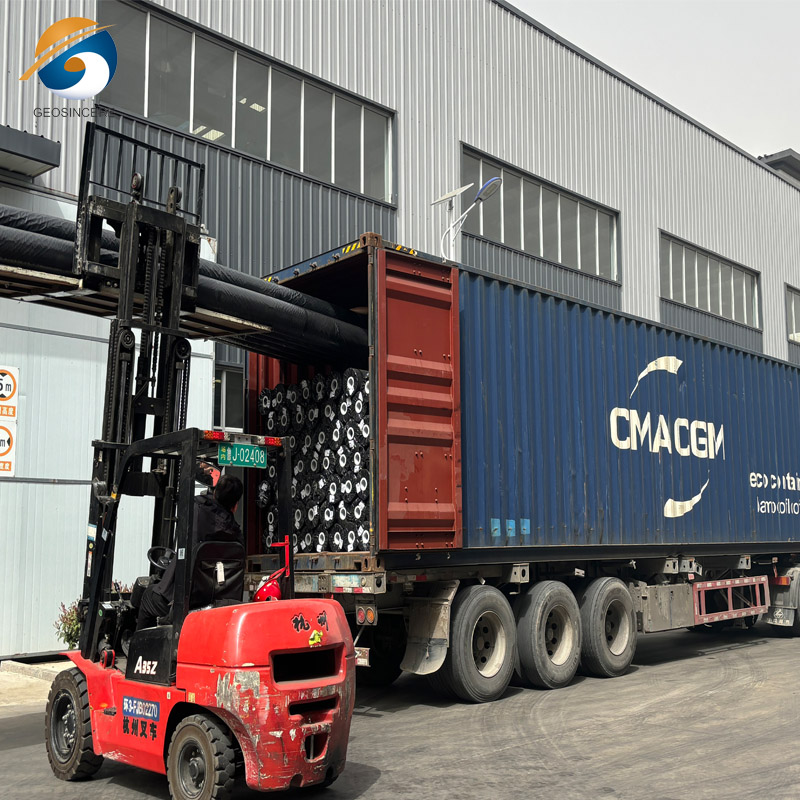
EPDM Geomembrane
Manufacturing Process
The performance reliability of EPDM Geomembrane depends on a controlled rubber processing workflow.
EPDM polymer compounding with fillers and additives
Internal mixer or open mill mixing
Sheet extrusion or calendering
Vulcanization (hot-air or continuous press system)
Surface cooling and dimensional stabilization
Thickness inspection and mechanical testing
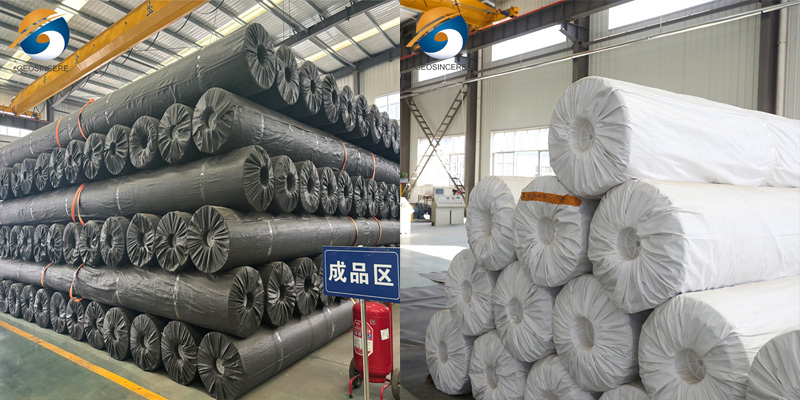
Roll cutting, packaging, and batch labeling
Product Definition
EPDM Geomembrane is a synthetic rubber impermeable liner manufactured from ethylene propylene diene monomer, engineered for long-term waterproofing, flexibility, and weather resistance in hydraulic, environmental, and civil engineering containment systems.
Technical Parameters and Specifications
For engineering-grade applications, EPDM Geomembrane must meet stable mechanical, chemical, and environmental performance requirements.
Standard thickness: 0.8 mm / 1.0 mm / 1.2 mm / 1.5 mm
Density: 1.15–1.25 g/cm³
Tensile strength: ≥8 MPa
Elongation at break: ≥300%
Tear resistance: ≥25 kN/m
Hardness (Shore A): 60 ±5
Operating temperature range: -40°C to +120°C
UV and ozone resistance: Excellent (no cracking)
Water vapor permeability: ≤1.0 × 10⁻¹¹ g·cm/cm²·s·Pa
Structure and Material Composition
EPDM Geomembrane is a homogeneous elastomeric sheet designed for elasticity and environmental durability.
Base Polymer: EPDM synthetic rubber
Reinforcing Fillers: Carbon black for strength and UV stability
Curing System: Sulfur or peroxide-based vulcanization
Processing Oils: Flexibility enhancement
Additives: Antioxidants and anti-aging agents
Manufacturing Process
The performance reliability of EPDM Geomembrane depends on a controlled rubber processing workflow.
EPDM polymer compounding with fillers and additives
Internal mixer or open mill mixing
Sheet extrusion or calendering
Vulcanization (hot-air or continuous press system)
Surface cooling and dimensional stabilization
Thickness inspection and mechanical testing
Roll cutting, packaging, and batch labeling
Industry Comparison
| Property | EPDM Geomembrane | HDPE Geomembrane | LLDPE Geomembrane | PVC Geomembrane |
|---|---|---|---|---|
| Flexibility | Excellent | Moderate | High | High |
| UV / Ozone Resistance | Excellent | Excellent | Good | Moderate |
| Low Temperature Performance | Excellent | Moderate | Good | Moderate |
| Chemical Resistance | Moderate | Excellent | Good | Moderate |
| Service Life | 25–30 years | 30–50 years | 20–30 years | 15–20 years |
Application Scenarios
EPDM Geomembrane is selected where flexibility, weather resistance, and movement accommodation are critical.
Distributors: Pond liners and landscape water features
EPC contractors: Artificial lakes, reservoirs, and canals
Engineering firms: Roof waterproofing and foundation isolation
Infrastructure projects: Decorative water bodies and irrigation systems
Core Pain Points and Engineering Solutions
Substrate movement: EPDM elasticity absorbs settlement and deformation
Extreme temperature exposure: Stable performance from -40°C to +120°C
UV aging: Inherent ozone and UV resistance reduces surface cracking
Complex detailing: Easy field shaping for corners and penetrations
Risk Warnings and Mitigation
Improper selection or installation of EPDM Geomembrane can lead to premature system failure.
Avoid prolonged exposure to hydrocarbons and oils
Ensure compatible adhesives and seam tapes are used
Protect liner from sharp objects during installation
Verify curing quality and mechanical test reports
Procurement and Selection Guide
Confirm application environment and temperature range
Select thickness based on mechanical stress
Evaluate chemical exposure compatibility
Review manufacturing process and curing method
Request standard compliance documentation
Check roll size, packaging, and logistics feasibility
Obtain installation manuals and seam method guidance
Engineering Case Application
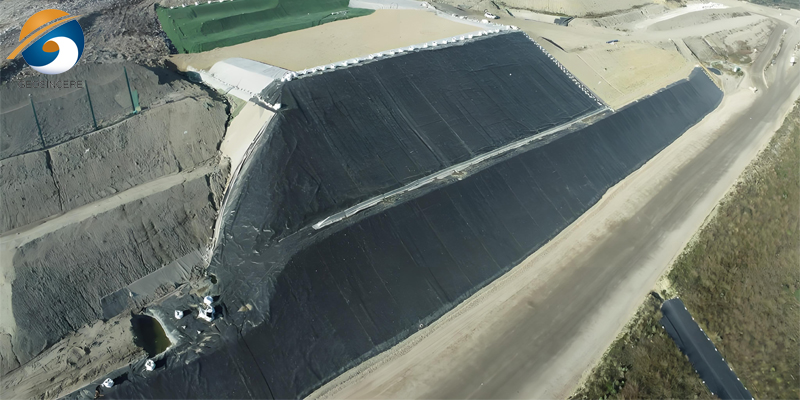
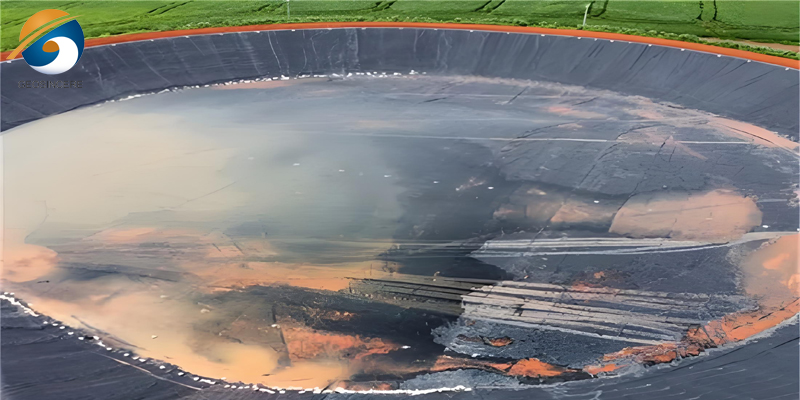
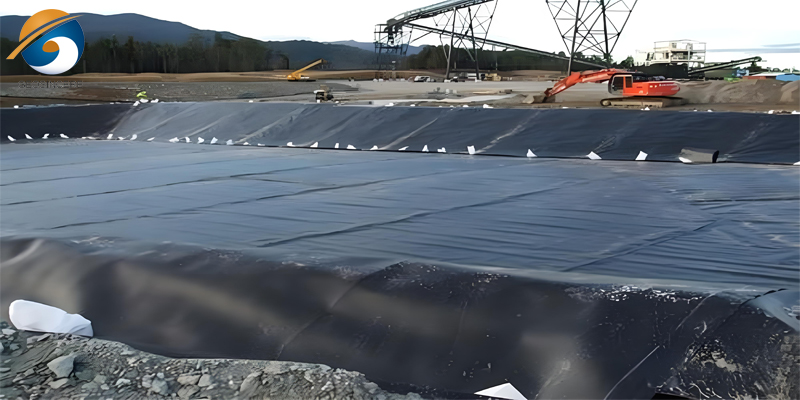
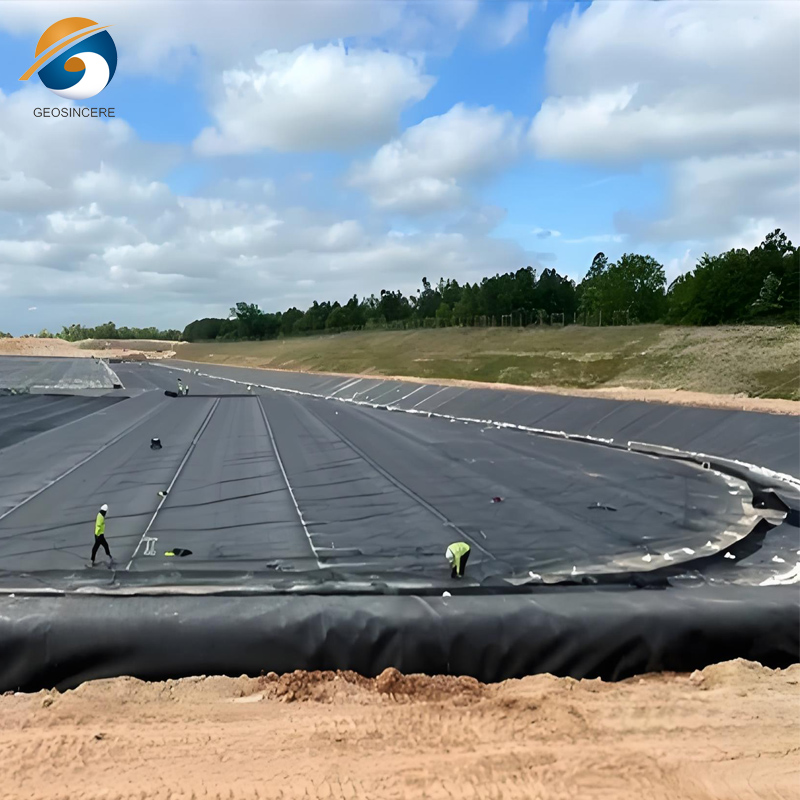
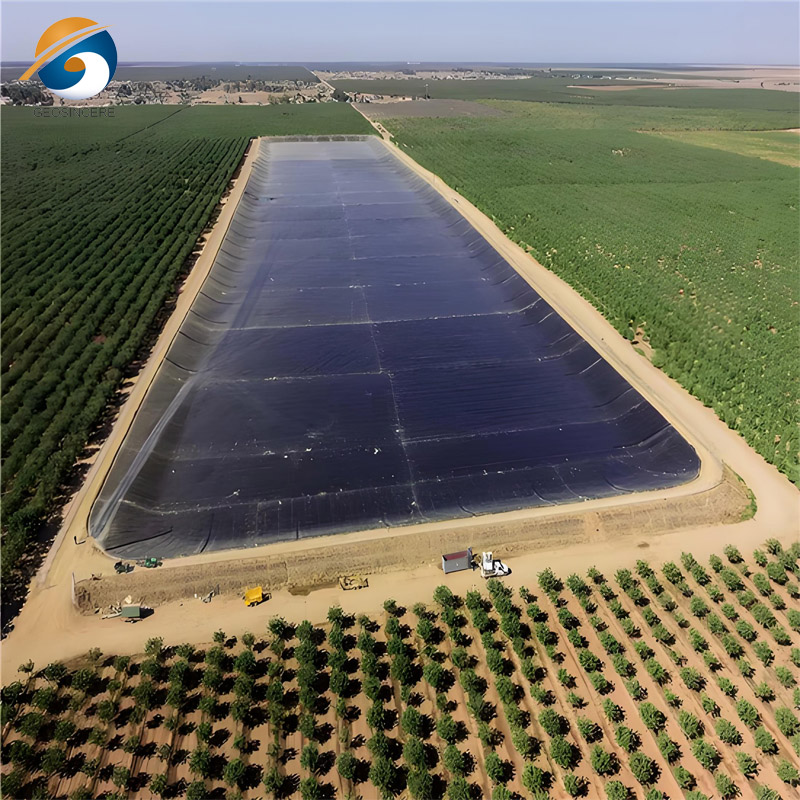
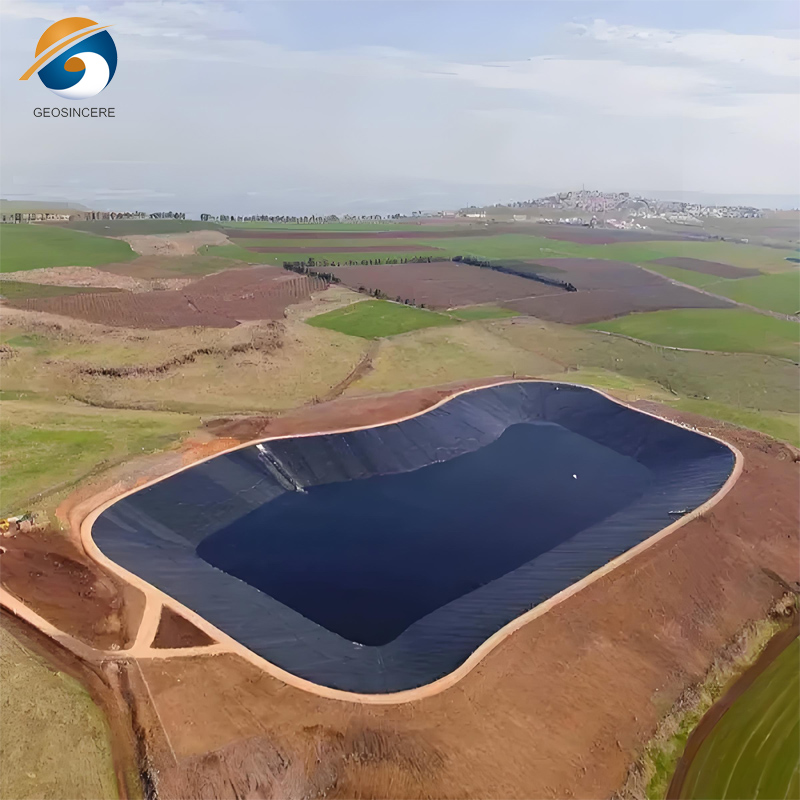
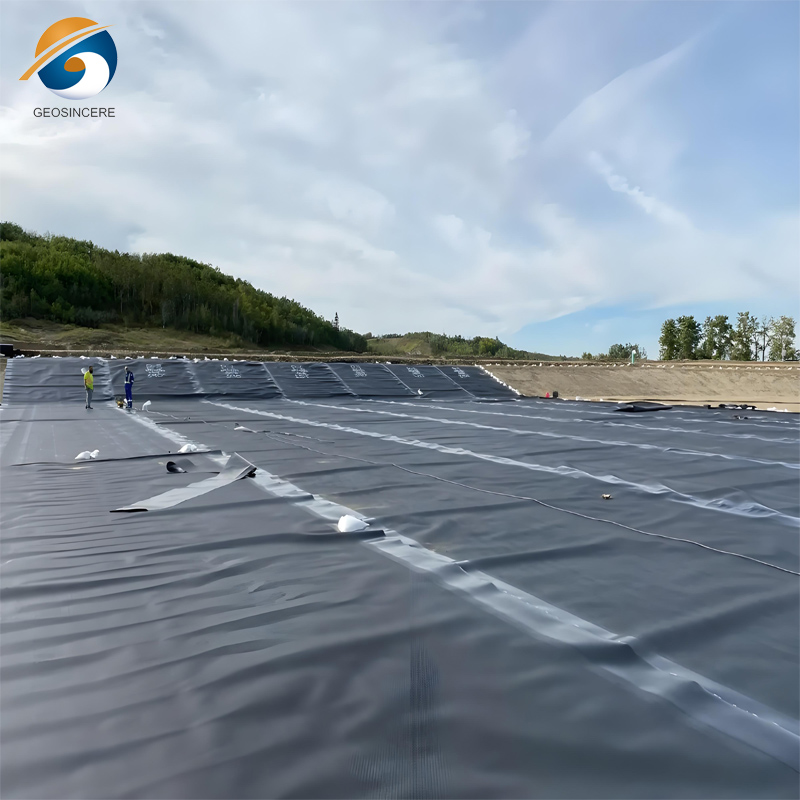
In a landscaped artificial lake project covering 18,000 m², a 1.2 mm EPDM Geomembrane liner was installed over a sand-cushioned subgrade. The liner accommodated seasonal thermal expansion and minor ground settlement, maintaining watertight performance after six years of continuous service.
FAQ
Q1: Is EPDM Geomembrane suitable for cold climates? A: Yes, down to -40°C.
Q2: How are seams formed? A: Using adhesive bonding or seam tape.
Q3: Can EPDM be exposed to sunlight? A: Yes, without additional cover.
Q4: Is EPDM resistant to acids? A: Moderate resistance; testing recommended.
Q5: Typical roll width? A: Commonly 3–6 meters.
Q6: Does EPDM require welding? A: No hot welding required.
Q7: What is the expected service life? A: 25–30 years.
Q8: Is EPDM suitable for potable water? A: Yes, with certified grades.
Q9: Can EPDM handle structural movement? A: Yes, due to high elasticity.
Q10: What standards apply? A: ASTM D4637, ASTM D412.
Call to Action
For EPDM Geomembrane technical datasheets, engineering samples, installation guidance, or project-specific quotations, procurement and engineering teams are encouraged to request detailed technical documentation.
E-E-A-T Author Credentials
This content is prepared by a geosynthetics and waterproofing engineering specialist with over 15 years of experience supporting EPC contractors, infrastructure developers, and international B2B procurement teams in liner system specification and application.