
Geosynthetic Clay Liners
In recent years, the global demand for Geosynthetic Clay Liners has shown sustained growth, driven by stricter environmental regulations, landfill expansion, mining industry requirements, and water containment applications. As economies focus on groundwater protection and waste management compliance, Geosynthetic Clay Liners have become a preferred solution due to their low hydraulic conductivity, high chemical resistance, and long-term durability. Industry data from multiple international engineering associations indicates a continued upward trend in large-scale infrastructure projects, highlighting strong procurement momentum across North America, Europe, Asia-Pacific, and the Middle East.
Introduction: Rising Global Demand for High-Performance Geosynthetic Clay Liners
In recent years, the global demand for Geosynthetic Clay Liners has shown sustained growth, driven by stricter environmental regulations, landfill expansion, mining industry requirements, and water containment applications. As economies focus on groundwater protection and waste management compliance, Geosynthetic Clay Liners have become a preferred solution due to their low hydraulic conductivity, high chemical resistance, and long-term durability. Industry data from multiple international engineering associations indicates a continued upward trend in large-scale infrastructure projects, highlighting strong procurement momentum across North America, Europe, Asia-Pacific, and the Middle East.
Global Market Landscape and Growth Drivers
The worldwide Geosynthetic Clay Liners market is expanding at an estimated CAGR of 6%–8%, supported by significant investment in waste containment, tailings storage facilities, and agricultural water reservoirs. Environmental agencies in developed regions increasingly require double-liner systems, strengthening adoption rates. Meanwhile, emerging countries are accelerating the construction of industrial parks and municipal landfills, further boosting the demand for cost-efficient and high-performance GCL solutions.
Major end-use sectors include mining, tunneling, petrochemical containment, landfill caps, and water conservation structures. Long-tail keywords such as “GCL for landfill engineering”, “bentonite clay liner for mining”, “geosynthetic barrier system”, and “hydraulic containment GCL applications” have also gained search visibility as international buyers seek reliable technical information.
Technical Parameters and Performance Standards
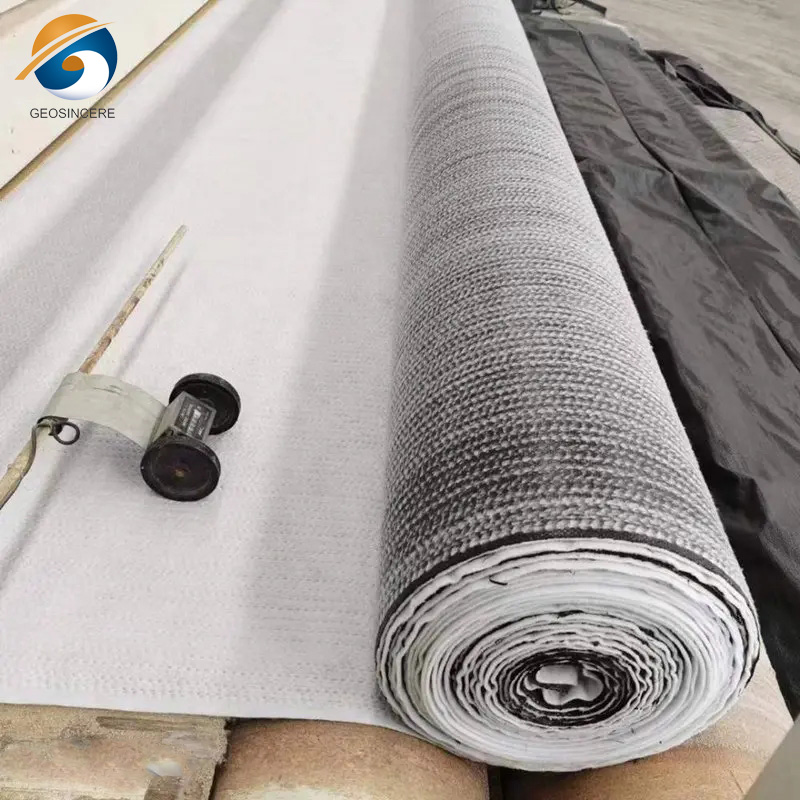
Geosynthetic Clay Liners are engineered composite materials consisting of a layer of premium sodium bentonite encapsulated between geotextiles or geomembranes. Their key technical properties—especially permeability, shear strength, swelling capacity, and long-term durability—directly influence field performance. Standard specifications across most international markets include:
• Bentonite mass per unit area: typically 3500–5000 g/m²
• Hydraulic conductivity: ≤1×10⁻⁹ cm/s
• Peel strength (needle-punched structures): ≥550 N/m
• Tensile strength: 8–13 kN/m depending on textile type
• Swell index: ≥24 mL/2 g
• Cation-exchange capacity: ≥75–85 meq/100 g
These values may differ based on application scenarios. For instance, Seepage Control GCL for water reservoirs often requires enhanced swelling capacity, while Mining-Grade GCL products emphasize higher internal shear resistance due to steep slopes and heavy overburden loads.
Product Structure and Engineering Design Principles
Geosynthetic Clay Liners are primarily classified into needle-punched reinforced GCL, adhesive-bonded GCL, and geomembrane-coated GCL. Reinforced GCL provides superior mechanical integrity, allowing installation on slopes up to 1:3. Composite GCL combining geomembrane coating delivers additional protection against chemical infiltration, making it suitable for hazardous waste containment.
The core component—sodium bentonite—exhibits high swelling and self-healing properties, enabling the liner to maintain low permeability even under minor puncture or mechanical disturbance. This characteristic distinguishes GCLs from conventional compacted clay liners and contributes to the rising preference among international project consultants.
Manufacturing Process and Quality Assurance
The production of Geosynthetic Clay Liners involves precise blending, uniform distribution of bentonite, and advanced reinforcement techniques. A typical manufacturing workflow includes:
1. Bentonite raw material processing and granulometry control
2. Geotextile weaving or nonwoven fiber preparation
3. Uniform bentonite spreading across the base layer
4. Needle-punch reinforcement or adhesive bonding
5. Lamination, geomembrane coating, or composite finishing (when required)
6. Automated rolling and packaging for international shipment
Quality assurance is conducted according to ASTM and ISO standards, covering hydraulic conductivity tests, tensile tests, index property checks, and mass per unit area verification. Consistency in needle-punch density and bentonite distribution directly affects field performance, which is why buyers globally emphasize stable production control and traceable quality documentation.
Key Industry Trends: What Buyers Are Prioritizing in 2025 and Beyond
Across international procurement channels, several notable trends are shaping demand for Geosynthetic Clay Liners:
• Increased preference for reinforced needle-punched GCL in complex engineering terrains
• Rising adoption of geomembrane-GCL composites for hazardous containment
• Higher demand for lightweight, rapid-installation barrier systems
• Stronger focus on climate-resistant performance and long-term durability
• Growing emphasis on sustainability and low-carbon engineering materials
Global buyers increasingly evaluate not only price, but also total lifecycle performance, installation efficiency, and technical support availability.
International Buyer Pain Points and Procurement Considerations
Despite strong market momentum, overseas buyers often encounter several challenges when sourcing Geosynthetic Clay Liners:
• Inconsistent bentonite quality affecting permeability results
• Lack of verifiable third-party testing certificates
• Variability in roll dimensions and shipment packaging
• Insufficient technical support for slope stability design
• Concerns regarding long-term performance in harsh climatic zones
To address these pain points, We recommend that international buyers request full technical data sheets, installation guidelines, and project case references. Clarifying expected project loads, chemical exposure risks, and environmental conditions ensures optimal product selection and long-term performance.
Applications Across Global Infrastructure Projects
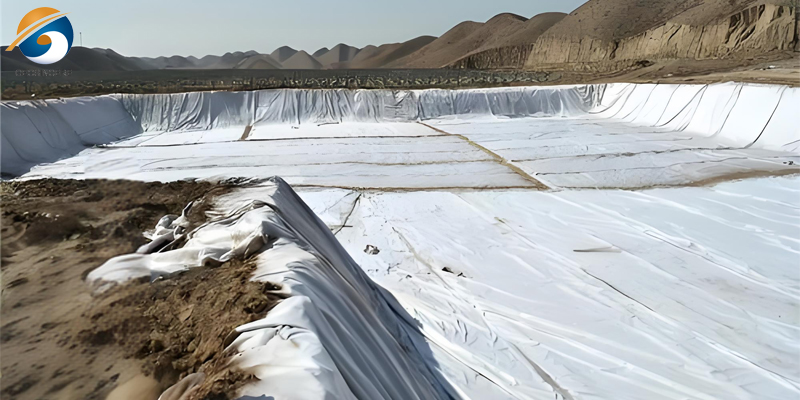
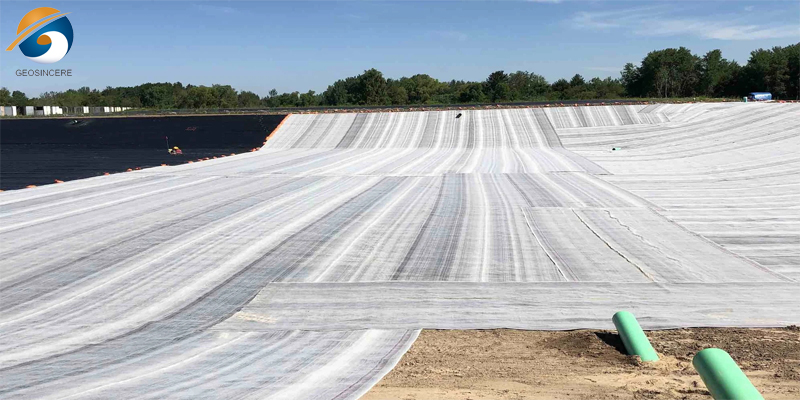
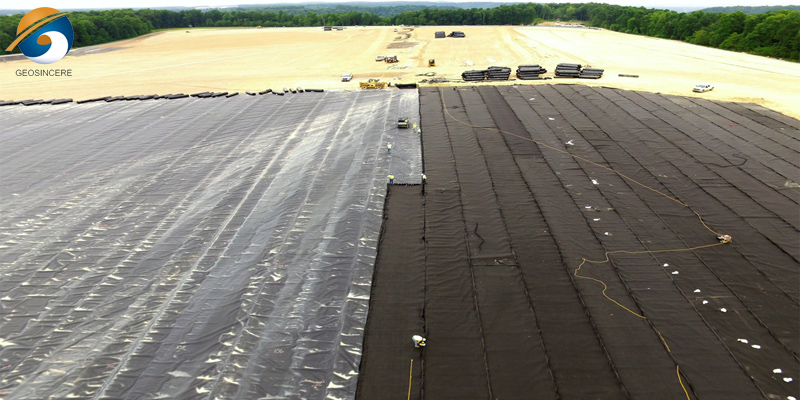
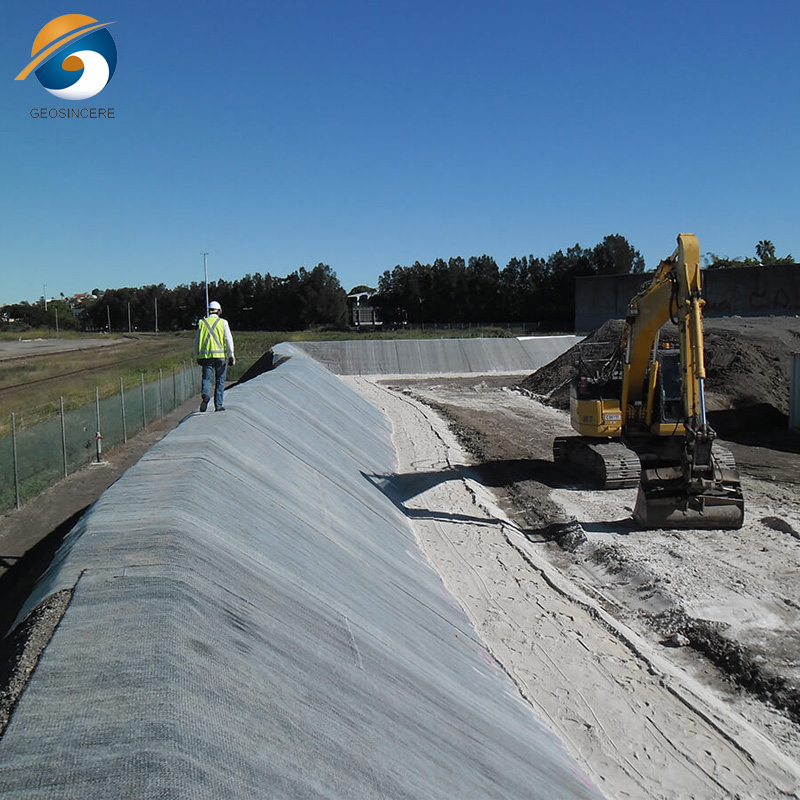
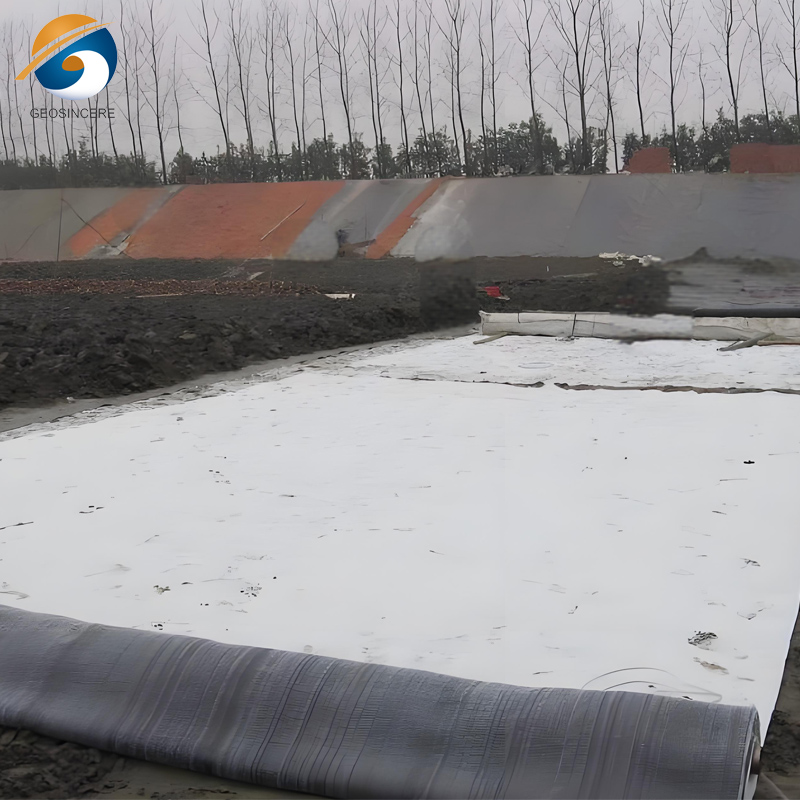
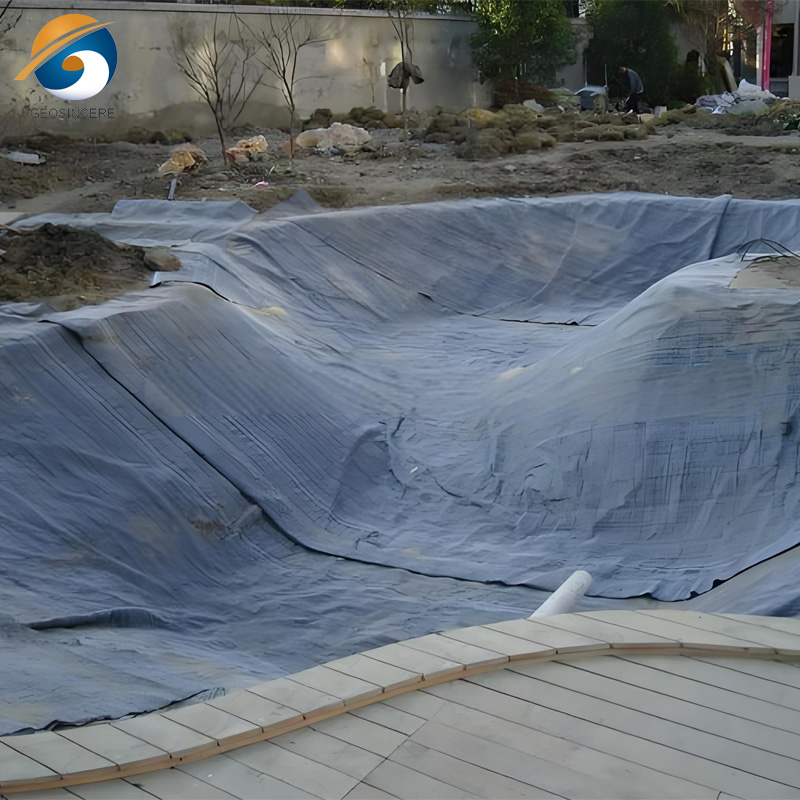
Geosynthetic Clay Liners are extensively deployed in municipal landfills, industrial waste storage facilities, mining heap-leach pads, railway tunnels, stormwater ponds, irrigation canals, and artificial lakes. Their superior sealing performance and installation efficiency make them a preferred alternative to traditional clay barriers, especially in regions with limited natural clay availability.
Conclusion and Professional Buyer Guidance
The international market for Geosynthetic Clay Liners will continue expanding as environmental regulations strengthen and infrastructure upgrades accelerate. High-quality GCL products offer reliable sealing performance, efficient installation, and long-term cost benefits, meeting the technical expectations of engineering consultants and project owners worldwide.
If you require project-specific recommendations, installation guidelines, or performance comparisons, We can provide technical data sheets, engineering samples, and competitive quotations upon request.
FAQs
1. What factors determine the durability of Geosynthetic Clay Liners?
Durability is influenced by bentonite quality, reinforcement type, geomembrane coating (if applicable), and proper installation practices.
2. Are GCLs suitable for high-salinity environments?
Yes, but a compatibility test is recommended because salinity can affect bentonite swelling and permeability.
3. How do GCLs compare with compacted clay liners?
GCLs provide significantly lower permeability, faster installation, and more consistent quality control.
4. What documents do international buyers typically request?
Standard requests include ASTM test reports, ISO certificates, technical data sheets, roll inspection records, and QC documents.
Sources referenced: International Geosynthetics Society (IGS) technical bulletins; ASTM D5887 and D5890 standard testing guidelines.