20 mil HDPE Liner Membrane Waterproofing Cost
The global market for 20 mil HDPE liner membrane waterproofing cost analysis has expanded rapidly in recent years, driven by infrastructure growth, aquaculture development, and increasing environmental protection requirements. As waterproofing systems become essential for ponds, industrial containment, landfill capping, and irrigation projects, 20 mil HDPE liners continue to be favored for their cost efficiency and mechanical durability.
Countries in Asia-Pacific, South America, and Africa have become key growth regions where large-scale farming, mining, and municipal engineering projects rely heavily on lightweight geomembrane materials. Industry data shows that demand for medium-thickness liners such as 20 mil has increased by 8% annually, strengthened by rising investments in water resource management and environmental remediation.
Global Demand for 20 mil HDPE Liner Membrane Waterproofing Solutions
The global market for 20 mil HDPE liner membrane waterproofing cost analysis has expanded rapidly in recent years, driven by infrastructure growth, aquaculture development, and increasing environmental protection requirements. As waterproofing systems become essential for ponds, industrial containment, landfill capping, and irrigation projects, 20 mil HDPE liners continue to be favored for their cost efficiency and mechanical durability.
Countries in Asia-Pacific, South America, and Africa have become key growth regions where large-scale farming, mining, and municipal engineering projects rely heavily on lightweight geomembrane materials. Industry data shows that demand for medium-thickness liners such as 20 mil has increased by 8% annually, strengthened by rising investments in water resource management and environmental remediation.
Market Trends Impacting 20 mil HDPE Liner Pricing
Several factors influence the pricing and procurement landscape for 20 mil HDPE liner membrane waterproofing cost. Raw material volatility, especially in polyethylene resin markets, creates fluctuations that buyers must consider during budget planning. Additionally, global supply chain constraints and higher freight rates have influenced landed costs for many international buyers.
A broader trend is the shift toward standardized waterproofing materials that comply with international testing protocols. This encourages buyers to prioritize certified HDPE liners with consistent thickness accuracy and reliable long-term performance. Sustainability considerations also contribute to increased adoption, as HDPE geomembranes support reduced water loss, improved environmental protection, and compliance with modern regulatory frameworks.
Technical Specifications of 20 mil HDPE Liner Membrane
The 20 mil HDPE liner membrane offers a balanced combination of durability and affordability. Core specifications typically include:
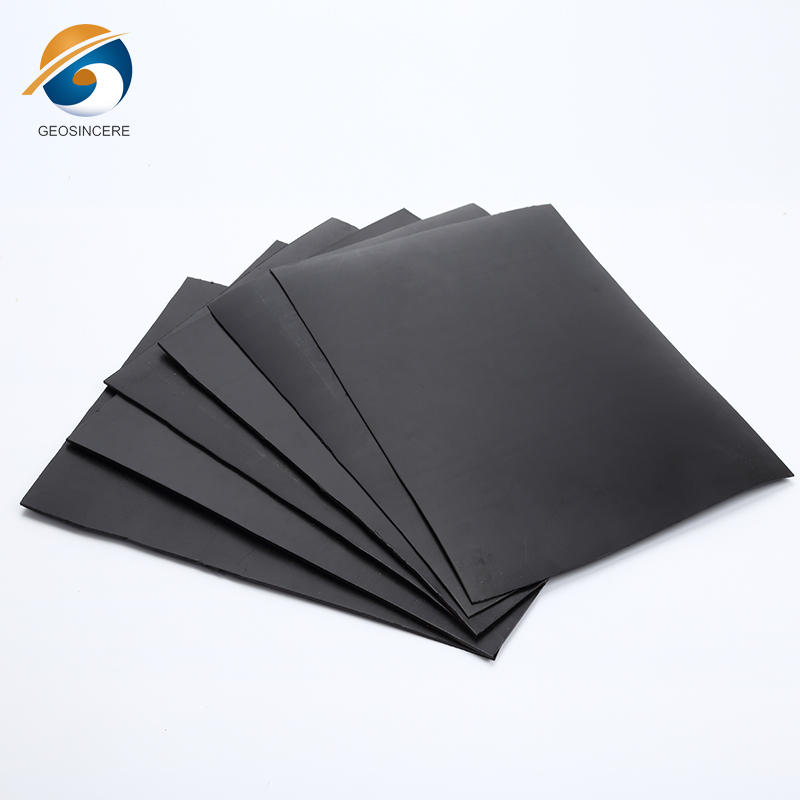
• Thickness: 20 mil (approximately 0.5 mm).
• Tensile Strength: 15–20 MPa, depending on the resin grade.
• Puncture Resistance: Engineered to withstand installation stress and soil pressure.
• Chemical Resistance: Compatible with a wide range of liquids including wastewater, fertilizers, and saline water.
• UV Stability: Treated with carbon black for long-term outdoor exposure.
• Hydraulic Conductivity: Extremely low permeability to ensure reliable containment.
These specifications make 20 mil liners suitable for cost-efficient waterproofing in moderate-load environments.
Product Structure and Performance Characteristics
A 20 mil HDPE geomembrane is manufactured using high-density polyethylene resin blended with antioxidants and UV stabilizers. Its structure is typically single-layered with smooth surfaces on both sides, enabling easier deployment and reduced friction during installation. The membrane provides stable performance under moderate tension and remains flexible enough to adapt to uneven ground surfaces.
Performance reliability is enhanced through proper carbon black concentration, which prevents premature degradation under sunlight and ensures long-term waterproofing efficiency.
Manufacturing Process of HDPE Geomembrane
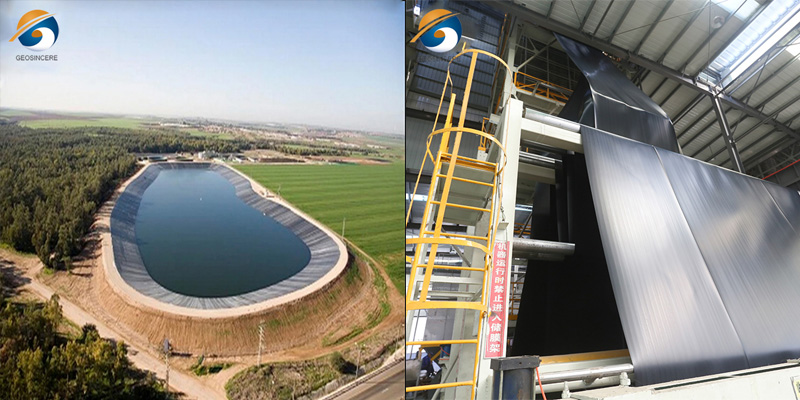
The production of 20 mil HDPE liner membranes follows a multi-step extrusion process. First, raw resin is dried, mixed with additives, and melted under controlled temperatures. The molten material is then extruded using either blown-film or flat-die techniques. Thickness monitors ensure the membrane maintains accurate 20 mil specifications.
After extrusion, the membrane is rapidly cooled, trimmed, and rolled into standard widths. Each batch undergoes quality testing for tensile strength, tear resistance, thickness uniformity, carbon black distribution, and UV aging. This manufacturing discipline ensures that the finished product maintains structural integrity during installation and long-term use.
Applications and Installation Process
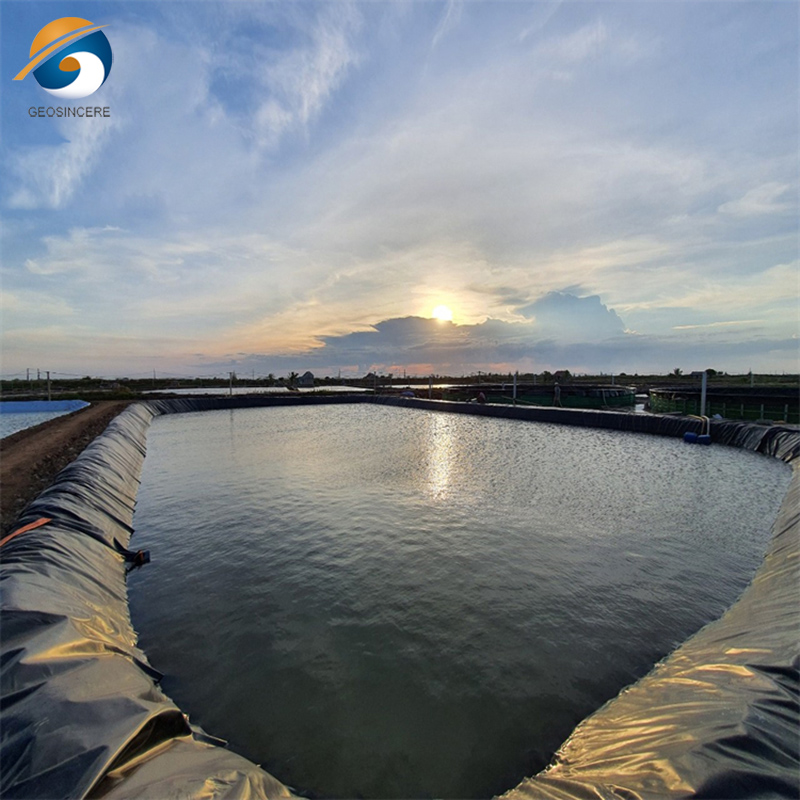
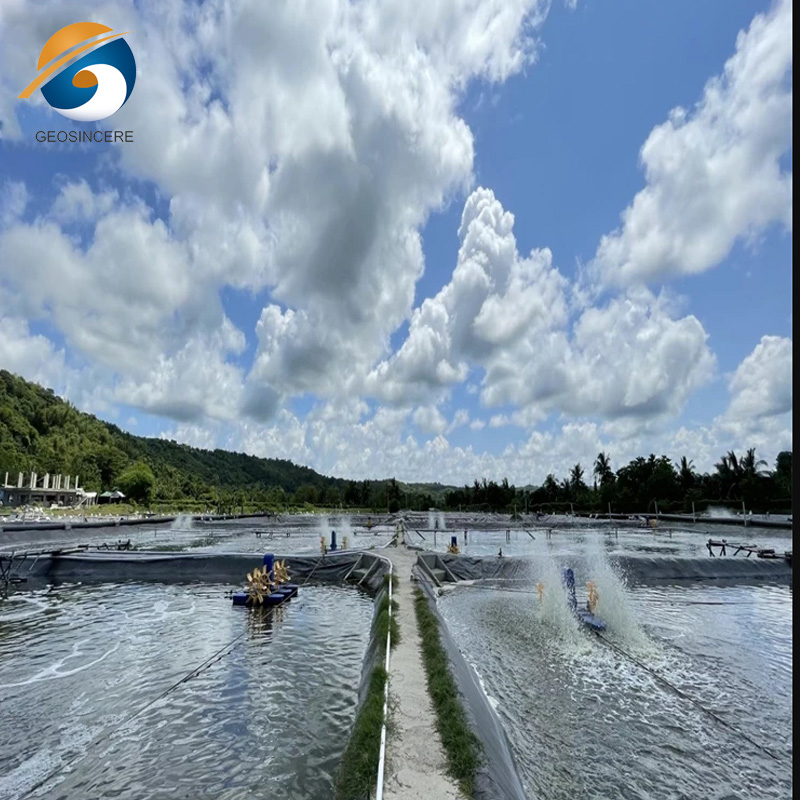
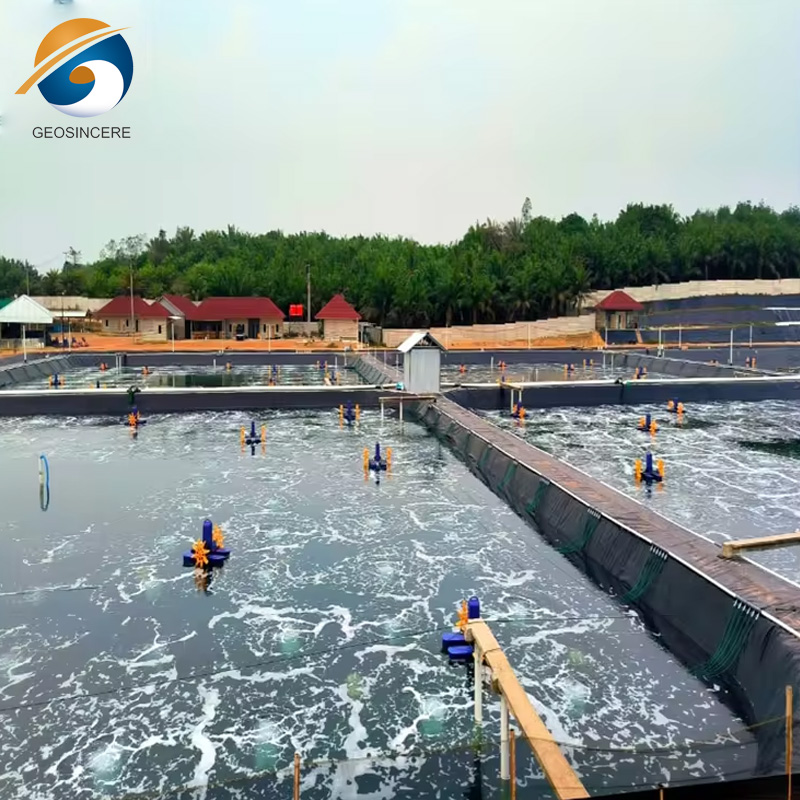
The 20 mil HDPE liner membrane waterproofing cost is often evaluated alongside its practical applications. This thickness is widely used for agricultural ponds, aquaculture farms, wastewater lagoons, mining ditches, stormwater basins, and construction site waterproofing.
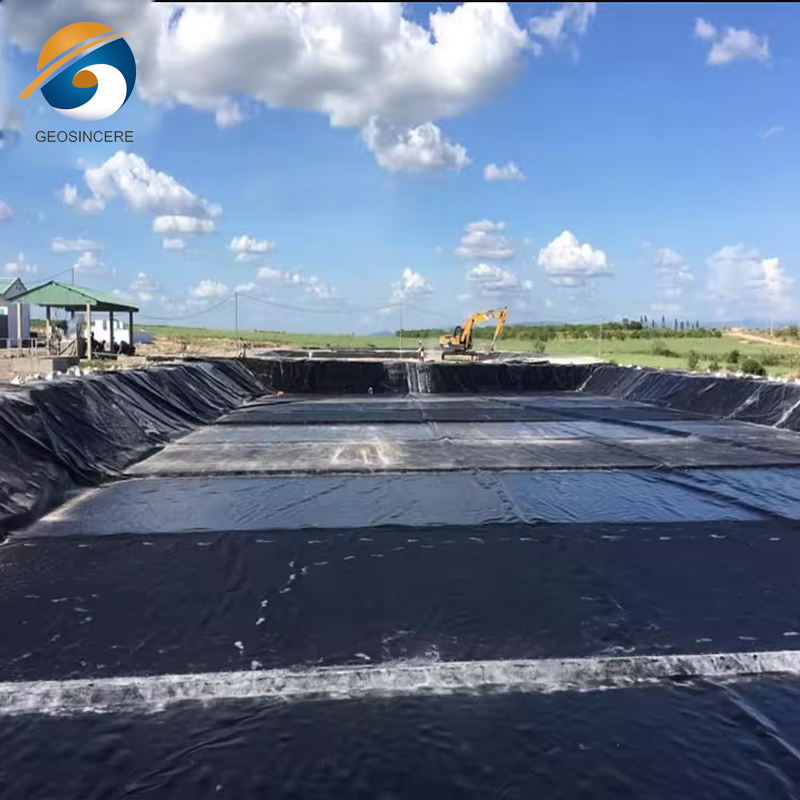
Installation typically consists of ground preparation, optional geotextile underlayment, membrane deployment, and hot-wedge welding of seams. Installation crews must ensure the liner is tension-free, properly anchored, and fully inspected through vacuum or spark testing. Correct installation prolongs service life and reduces project maintenance costs.
Cost Structure: What Determines the Final Price?
The total 20 mil HDPE liner membrane waterproofing cost is influenced by multiple variables:
• Resin and Additive Costs: The largest cost component, driven by petroleum market trends.
• Production Technology: Higher-precision extrusion lines yield more consistent quality but affect pricing.
• Thickness Accuracy: True 20 mil liners cost more than underspecified products.
• Surface Finish: Smooth and textured options carry different pricing structures.
• Roll Width and Length: Custom sizes may increase production and logistics costs.
• Transportation and Freight: Shipping distance and container availability directly impact final cost.
• Certification Requirements: International test reports and third-party audits add value and affect pricing.
Understanding these elements allows buyers to evaluate overall project costs more accurately.
Global Buyer Preferences and Procurement Challenges
International buyers focus on durability, verified material purity, precise thickness control, and comprehensive technical documentation. The 20 mil HDPE liner thickness is particularly popular among buyers seeking cost-efficient waterproofing without compromising project lifespan.
However, common pain points include receiving inconsistent thickness, poor seam performance, or recycled material blends misrepresented as virgin HDPE. To address these issues, We implement strict raw material verification, continuous production monitoring, and batch-level testing to ensure predictable performance and cost-effectiveness.
Long-Tail Keywords Integrated for SEO Performance
To enhance search visibility, this article naturally incorporates long-tail keywords including “HDPE waterproofing membrane price,” “20 mil geomembrane liner cost,” “HDPE liner for pond waterproofing,” “lightweight geomembrane sheet,” “cost-effective pond liner membrane,” and “geomembrane for agricultural water projects.” Each keyword supports ranking potential without disrupting article clarity.
Conclusion: Choosing the Right 20 mil HDPE Liner for Cost-Driven Projects
For projects requiring a balance between waterproofing performance and budget control, the 20 mil HDPE liner membrane remains one of the most efficient options available. Its mechanical strength, chemical resistance, and reliable waterproofing properties make it suitable for diverse applications across environmental engineering, aquaculture, and agricultural water management.
To support global procurement needs, We provide technical data sheets, quality inspection reports, product samples, and tailored quotations. Buyers are encouraged to contact us for comprehensive cost analysis and material selection guidance.
Frequently Asked Questions (FAQ)
Q1: Is 20 mil thickness sufficient for long-term pond waterproofing?
Yes, for moderate-depth ponds and containment applications, 20 mil provides reliable durability and cost efficiency.
Q2: How is the cost of HDPE liner calculated?
Pricing depends on resin cost, manufacturing process, thickness accuracy, roll dimensions, and shipping expenses.
Q3: Can 20 mil HDPE liner be used for wastewater containment?
Yes, HDPE material is chemically resistant and suitable for municipal and industrial wastewater projects.
Q4: Do buyers receive quality certifications?
Yes, documentation such as tensile test reports, carbon black analysis, and UV aging data is available upon request.
Authoritative Notes
This article references global geomembrane testing standards, environmental engineering guidelines, and material performance studies commonly cited by professional geosynthetics associations. These benchmarks support accurate assessment of HDPE liner performance and cost behavior.