20 mil HDPE Liner
As environmental regulation strengthens across multiple regions, demand for engineered waterproofing and containment materials is rising rapidly. Among these materials, the **20 mil HDPE liner** has become a widely adopted solution for industrial containment, wastewater projects, and environmental protection infrastructure. Its combination of durability, chemical resistance, and cost-effectiveness positions it as a preferred choice in North America, Latin America, the Middle East, Southeast Asia, and Africa.
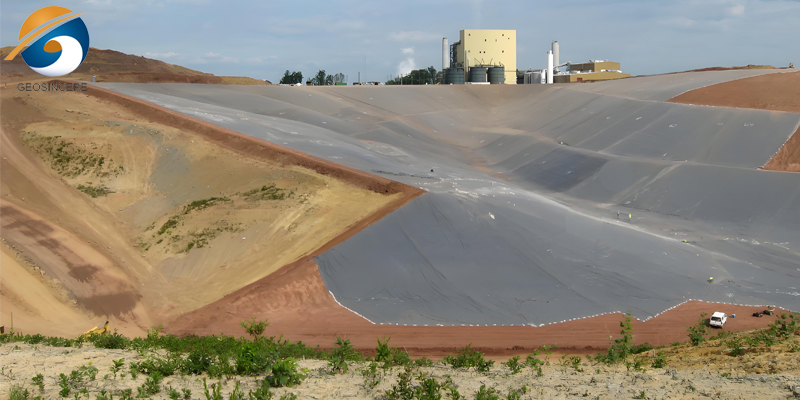
With global geomembrane consumption increasing steadily over the past decade, the market for lightweight HDPE solutions—especially 20 mil variants—shows strong growth. These liners are now essential in mining leach pads, agricultural ponds, stormwater channels, canal rehabilitation, landfill cover systems, and large-scale aquaculture projects.
Global Market Outlook for 20 mil HDPE Liner
As environmental regulation strengthens across multiple regions, demand for engineered waterproofing and containment materials is rising rapidly. Among these materials, the **20 mil HDPE liner** has become a widely adopted solution for industrial containment, wastewater projects, and environmental protection infrastructure. Its combination of durability, chemical resistance, and cost-effectiveness positions it as a preferred choice in North America, Latin America, the Middle East, Southeast Asia, and Africa.
With global geomembrane consumption increasing steadily over the past decade, the market for lightweight HDPE solutions—especially 20 mil variants—shows strong growth. These liners are now essential in mining leach pads, agricultural ponds, stormwater channels, canal rehabilitation, landfill cover systems, and large-scale aquaculture projects.
Industry Trends and Market Drivers
The worldwide expansion of environmental engineering projects has been a major force behind the adoption of geomembrane technology. Key market drivers include:
• Rising demand for flexible geomembrane sheets with verified barrier performance
• Growth in aquaculture and irrigation infrastructure in developing economies
• Increasing usage of thin-gauge HDPE pond liner membranes for agricultural water retention
• Stricter compliance requirements for containment systems in mining and industrial zones
• Preference for cost-effective liners with reliable UV and chemical resistance
Compared with thicker liners, the **20 mil HDPE liner** occupies a unique market segment: it provides strong mechanical properties while remaining economical and easy to install. For this reason, it is often selected for medium-duty containment and fluid control applications across diverse environments.
Technical Specifications of 20 mil HDPE Liner
The performance of a **20 mil HDPE liner** depends on a combination of material purity, density, and manufacturing precision. Standard specifications typically include:
• Thickness: 0.5 mm (20 mil)
• Material: High-density polyethylene with ≥97% virgin polymer content
• Tensile Strength: 15–22 MPa depending on resin grade
• Elongation at Break: ≥600%
• Environmental Stress Crack Resistance: >300 hours
• Carbon Black Content: 2%–3% for long-term UV resistance
• Puncture Resistance: Optimized for medium-load conditions
These parameters ensure that the liner offers long-term impermeability, thermoplastic flexibility, and stability under various environmental conditions.
Product Structure and Functional Characteristics
A typical 20 mil HDPE liner is designed to provide strong barrier performance while maintaining manageable weight and installation flexibility. Key structural characteristics include:
• **Smooth or textured finish** depending on project specifications
• **Monolayer construction** formed through continuous extrusion
• **Hydrophobic surface** preventing microbial growth and chemical interaction
• **Carbon black dispersion** ensuring uniform UV protection
The relatively light gauge allows the liner to adapt to uneven soil surfaces, making it suitable for irrigation ponds, temporary containment cells, and secondary lining systems.
Manufacturing Process and Quality Control
High-quality HDPE liners rely on advanced production technologies and strict quality management systems. The manufacturing process typically includes:
1. Resin selection and blending with antioxidant and carbon black additives
2. Extrusion blow molding or flat extrusion to form a continuous sheet
3. Precision thickness calibration to maintain uniform 20 mil gauge
4. Surface texturing (if required) for friction-enhanced applications
5. Cooling, stabilizing, and continuous visual inspection
6. Mechanical and chemical property testing prior to shipment
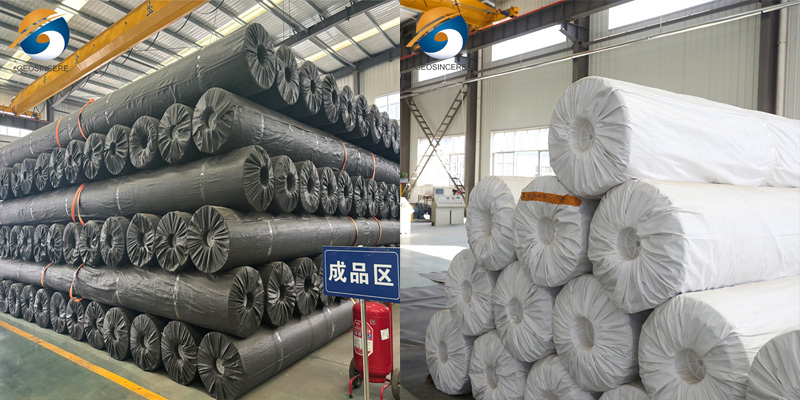
Each roll undergoes tensile testing, permeability assessment, thickness verification, and visual inspection to ensure compliance with international engineering standards.
Applications in Environmental and Industrial Projects
Because of its durability and cost-to-performance advantage, the **20 mil HDPE liner** is widely used in:
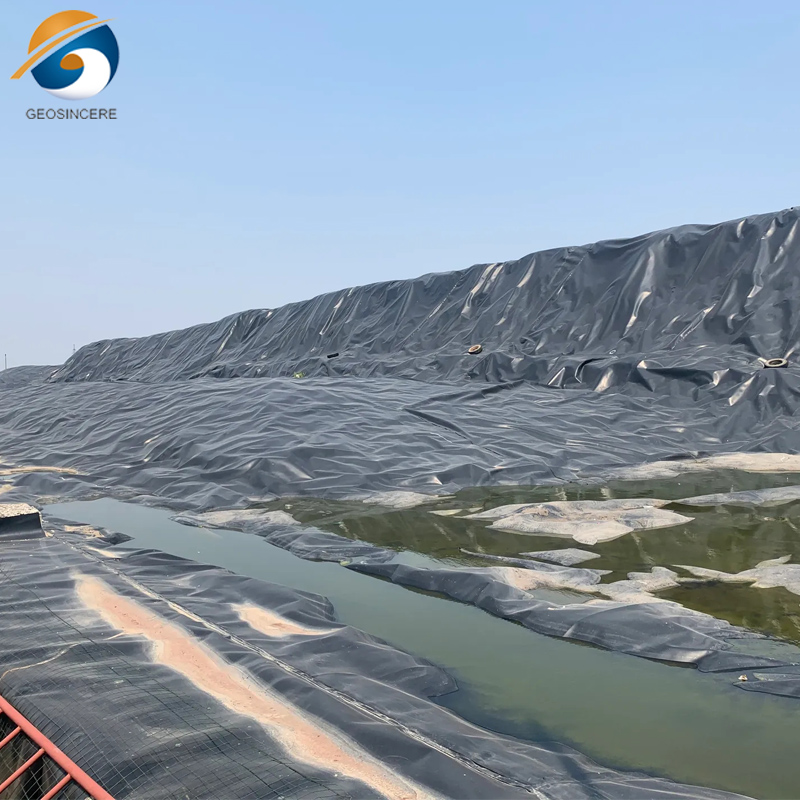
• Agricultural ponds, fish ponds, and irrigation reservoirs
• Stormwater retention basins and drainage channels
• Temporary wastewater containment in construction and industrial zones
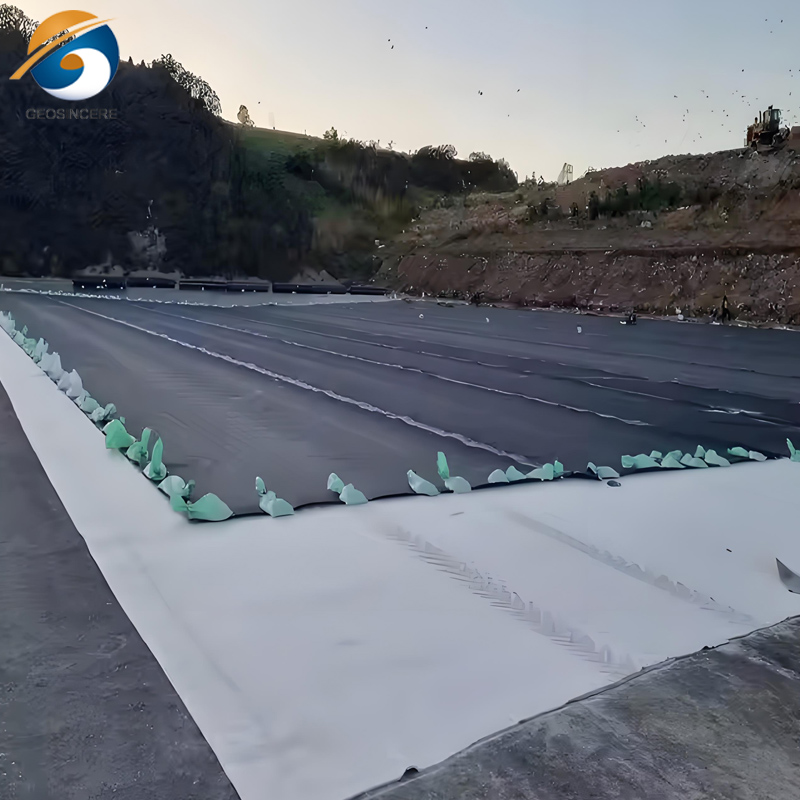
• Landfill interim cover systems
• Mining operations requiring chemical-resistant liners
• Oilfield containment pads and slurry control systems
Its lightweight structure makes it ideal for large-area installation, especially in projects requiring rapid deployment or temporary environmental barriers.
Global Buyer Preferences and Procurement Pain Points
International procurement teams evaluating 20 mil HDPE liner materials generally prioritize:
• Verified mechanical and permeability performance
• Reliable thickness consistency across entire roll width
• UV resistance documentation for long-term outdoor exposure
• Roll width and length customization
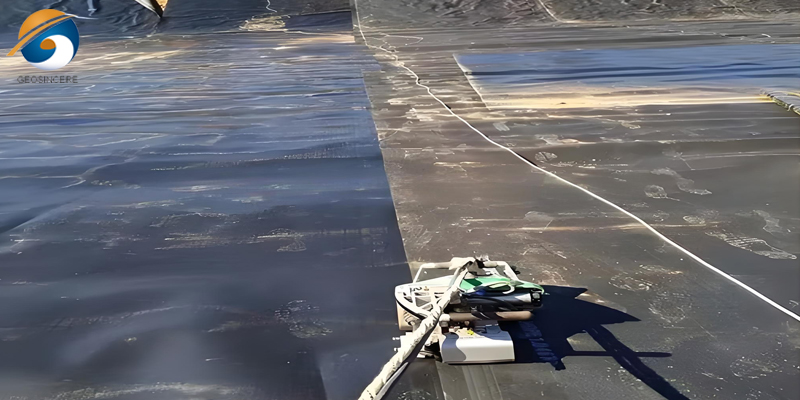
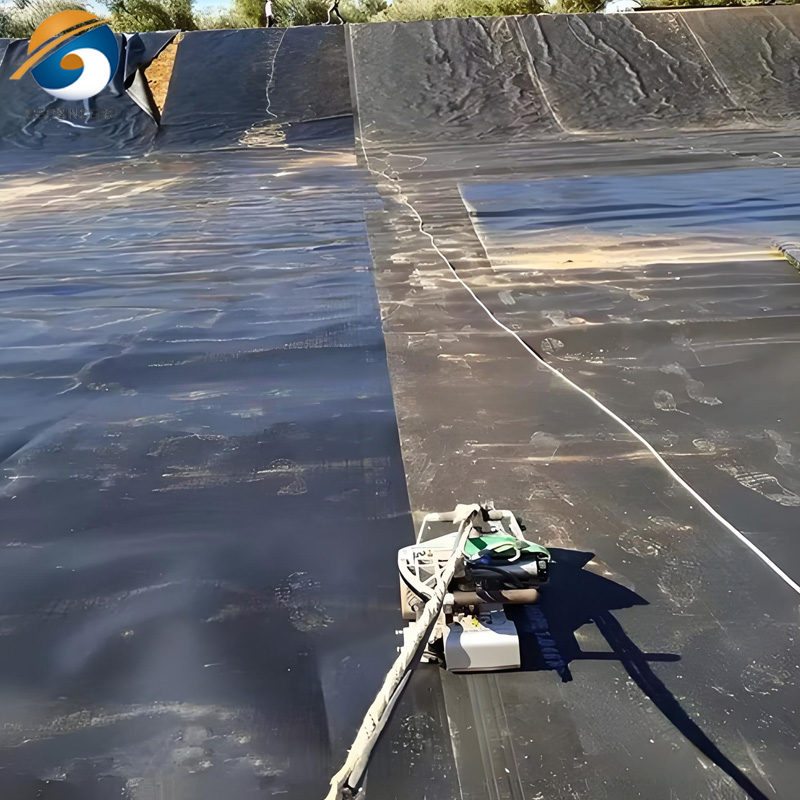
• Compatibility with hot-wedge and extrusion welding
Common buyer pain points include inconsistent thickness, recycled-material contamination, insufficient stress-crack resistance data, and inadequate testing certification. Because project success depends heavily on liner integrity, buyers frequently request third-party test results, resin certificates, and detailed installation guidelines to minimize onsite risk.
Conclusion
The **20 mil HDPE liner** remains a crucial component in modern environmental engineering and industrial containment projects. Its balance of strength, impermeability, and installation efficiency makes it suitable for a wide range of applications, from water management to waste control systems. As the demand for sustainable and reliable geomembrane materials continues to grow, high-quality HDPE liners will play an increasingly vital role in global infrastructure development.
For project planners seeking dependable, certified, and scalable containment solutions, this liner thickness offers an optimal combination of performance and value.
FAQs
Q1: Can a 20 mil HDPE liner be welded for long seam applications?
Yes. It supports hot-wedge welding, extrusion welding, and fusion sealing when installed under proper temperature and surface conditions.
Q2: Is this thickness suitable for industrial chemical containment?
For moderate chemical exposure, 20 mil performs well. For high-intensity chemical zones, thicker gauges such as 40–60 mil may be recommended.
Q3: What documentation do buyers commonly request?
Mechanical property reports, stress crack resistance data, UV aging results, resin certificates, and roll dimension specifications.
Q4: Can this liner be used in long-term outdoor applications?
Yes, provided it contains adequate carbon black for UV protection and meets environmental-aging standards.
For detailed specifications, installation guidance, quotation options, or engineering samples, please contact us to obtain complete technical documentation tailored to your project.