

What is the 60 Mil HDPE Liner Cost?
A Practical Cost Analysis from a GEOSINCERE Geosynthetics International Perspective
1. Introduction: Understanding the Question Behind “60 Mil HDPE Liner Cost”
When buyers ask “What is the 60 Mil HDPE Liner Cost?”, they are usually not just asking for a simple price per square meter or square foot. Behind this question lies a series of practical concerns: budget control, material performance, project lifespan, regulatory compliance, and long-term risk management.
As an experienced international supplier of geosynthetic materials, GEOSINCERE Geosynthetics has worked with clients across landfill engineering, mining, aquaculture, water containment, and environmental protection projects worldwide. From our perspective, the cost of a 60 mil HDPE liner is never a single fixed number. Instead, it is the result of multiple technical, commercial, and logistical variables working together.
This article aims to clarify what “60 mil HDPE liner cost” really means, what factors influence it, and how buyers should evaluate cost beyond just the initial purchase price.
2. What Exactly is a 60 Mil HDPE Liner?
Before discussing cost, it is essential to define the product clearly.
A 60 mil HDPE liner refers to a high-density polyethylene geomembrane with a nominal thickness of 60 mil, which equals approximately 1.5 mm. This thickness is widely recognized in international markets and commonly used in medium- to high-demand containment applications.
2.1 Typical characteristics of a 60 mil HDPE liner include:
- High tensile strength and puncture resistance
- Excellent chemical resistance
- Low permeability
- Strong UV and oxidation resistance (when properly formulated)
- Long service life under engineered installation conditions
Because of these properties, 60 mil HDPE liners are often specified in environmental and infrastructure projects where durability and risk control are critical.
3. Why 60 Mil Thickness is a Cost-Sensitive Choice?
From a cost-performance standpoint, 60 mil high density polyethylene pond liner sit at a strategic middle point, offering a balance between durability, safety, and budget efficiency. This makes them a popular choice for many engineering, mining, and aquaculture projects around the world.
3.1 Thinner liners (such as 40 mil or 1.0 mm)
While thinner hdpe geomembrane can reduce the upfront material cost, they come with increased long-term risk. Thinner high density polyethylene geomembrane is more susceptible to punctures, tears, and chemical degradation, which can lead to higher maintenance, repair, or replacement costs over the lifespan of the project. In environments with heavy equipment traffic, sharp stones, or aggressive chemical exposure, the risk of liner failure is notably higher.
3.2 Thicker liners (such as 80 mil or 2.0 mm)
Thicker high density polyethylene liner provide higher safety margins, enhanced puncture resistance, and longer service life. However, the significant increase in material usage directly raises the procurement cost. Additionally, heavier liners lead to higher shipping and handling expenses, especially for large-scale international projects. Installation may also require more labor and specialized equipment, further driving up overall project costs.
3.3 Why 60 mil becomes the optimal balance
For many international projects, 60 mil HDPE liners achieve the ideal compromise between performance and cost. They provide adequate strength and chemical resistance for most standard applications while keeping material, transportation, and installation costs manageable. This cost-performance sweet spot explains why buyers often focus their cost inquiries specifically on 60 mil liners, recognizing it as a reliable, practical, and economical choice.
4. Raw Material Factors Influencing 60 Mil HDPE Liner Cost
One of the most critical cost drivers is HDPE resin quality, which directly affects the liner’s durability, chemical resistance, and UV stability.
4.1 High-Quality Resin Usage
High-quality 60 mil HDPE liners are typically manufactured using:
- Virgin HDPE resin – ensures consistent molecular structure and maximum strength.
- High molecular weight formulations – improve puncture resistance, tear strength, and long-term durability.
- Controlled carbon black content – enhances UV resistance, preventing premature degradation from sunlight exposure.
These factors ensure that the hdpe geo membrane maintains optimal performance over its intended lifespan. However, premium resin quality comes with a higher raw material cost, which is reflected in the final price of the 60 mil HDPE liner.
4.2 Global Petrochemical Market Fluctuations
Since HDPE is derived from petroleum-based feedstocks, any fluctuations in crude oil prices, refinery production capacity, or regional supply chains can significantly affect resin pricing. During periods of high oil prices or limited supply, HDPE liner costs typically increase. Conversely, when oil prices fall or supply stabilizes, material costs may decrease, providing opportunities for cost savings on large projects.
4.3 Lower-Cost Resin Options
Some manufacturers may reduce upfront cost by using:
- Recycled or mixed-grade resins – may introduce variability in mechanical properties.
- Inconsistent resin sources – leading to batch-to-batch performance differences.
- Lower stabilizer content – decreases UV and chemical resistance.
While these measures reduce initial expenses, they often compromise long-term performance, particularly in harsh environmental conditions such as exposed ponds, mining tailings, or chemically aggressive waste containment. Over time, this can result in higher maintenance, repairs, or replacement costs, offsetting the initial savings.
5. Manufacturing Technology and Quality Control Impacting 60 Mil HDPE Liner Cost
Not all 60 mil HDPE liners are manufactured the same way. The production process, equipment quality, and quality control procedures directly influence both the cost and long-term performance of the liner.
5.1 Advanced Production Technology
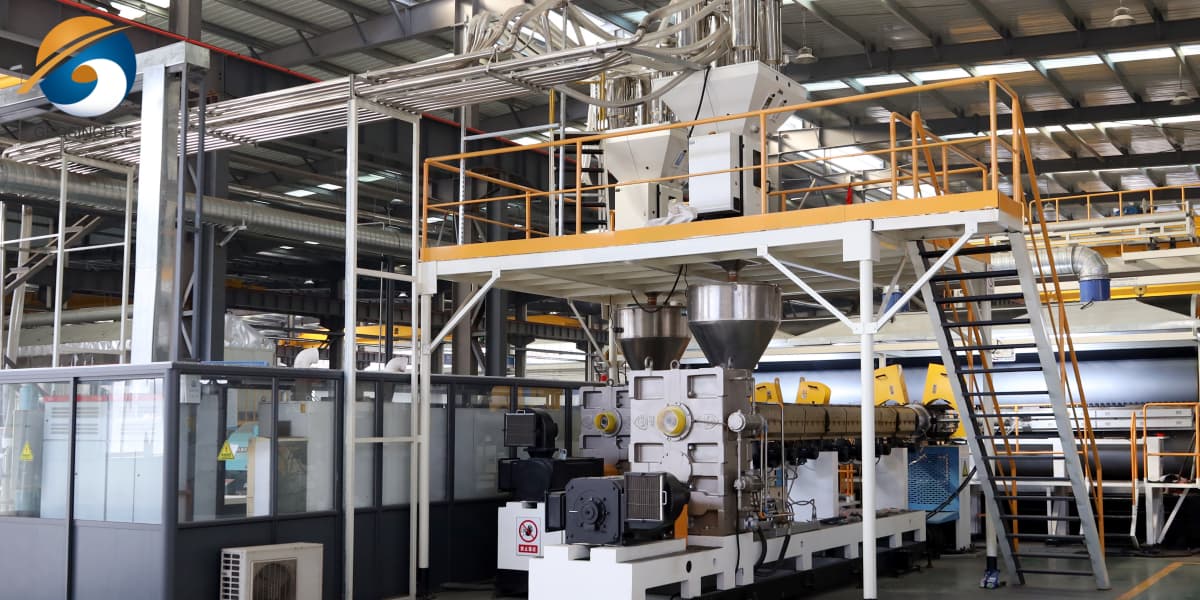
High-quality 60 mil HDPE liners are typically produced on advanced extrusion lines that include:
- Automatic thickness control – ensures consistent 60 mil thickness across the entire roll, preventing weak spots that may fail under stress.
- Online surface inspection – detects defects such as pinholes, bubbles, or surface irregularities during production, minimizing the risk of compromised liners reaching the buyer.
- Consistent extrusion temperature management – maintains uniform polymer properties, ensuring predictable mechanical performance such as tensile strength and elongation.
While these systems require higher capital investment and operational costs, they directly contribute to producing a more reliable and durable liner.
5.2 Quality Control and Assurance
Comprehensive quality control procedures are equally important:
- Mechanical property testing – checks tensile strength, puncture resistance, and elongation to meet project specifications.
- Leakage and impermeability tests – ensures the liner provides complete waterproofing for ponds, channels, or landfills.
- Batch consistency verification – guarantees uniform performance across multiple rolls, reducing installation risks.
From a buyer’s perspective, these manufacturing and QC costs are reflected indirectly in the product price. However, investing in a high-quality, well-controlled production process reduces installation risks, minimizes maintenance or repair costs, and ensures long-term performance—making it a cost-effective choice over the geomembrane sheet’s lifecycle.
6. International Standards and Certification Impact on 60 Mil HDPE Liner Cost
A genuine 60 mil HDPE liner designed for international projects is often tested according to recognized standards such as:
- ASTM standards for physical and mechanical properties
- ISO standards for durability and aging performance
- Project-specific or regional regulatory requirements
Testing, documentation, and third-party verification all add to production cost. However, these costs are essential for projects that must pass engineering review, government approval, or environmental audits.
When evaluating cost, buyers should always clarify whether the quoted product complies with the required standards—or if it is simply nominally labeled as “60 mil.”
7. 60 Mil HDPE Liner Cost: Roll Size, Weight, and Packaging Considerations
The total cost of a 60 mil HDPE liner is not determined by material alone; how the liner is supplied and packaged plays a significant role in overall project cost.
7.1 Roll Dimensions and Weight
7.1.1 Roll width and length
Wider rolls reduce the number of seams during installation, which can lower labor time and risk of leaks. However, extremely wide rolls may be harder to handle on-site, requiring specialized equipment or additional manpower.
7.1.2 Total roll weight
Heavier rolls can decrease the per-unit manufacturing cost due to efficiency in extrusion and rolling processes. On the other hand, heavy rolls increase transportation, loading, and unloading complexity, especially for international shipping or remote project sites.
7.2 Packaging and Logistics
7.2.1 Core type and protective wrapping
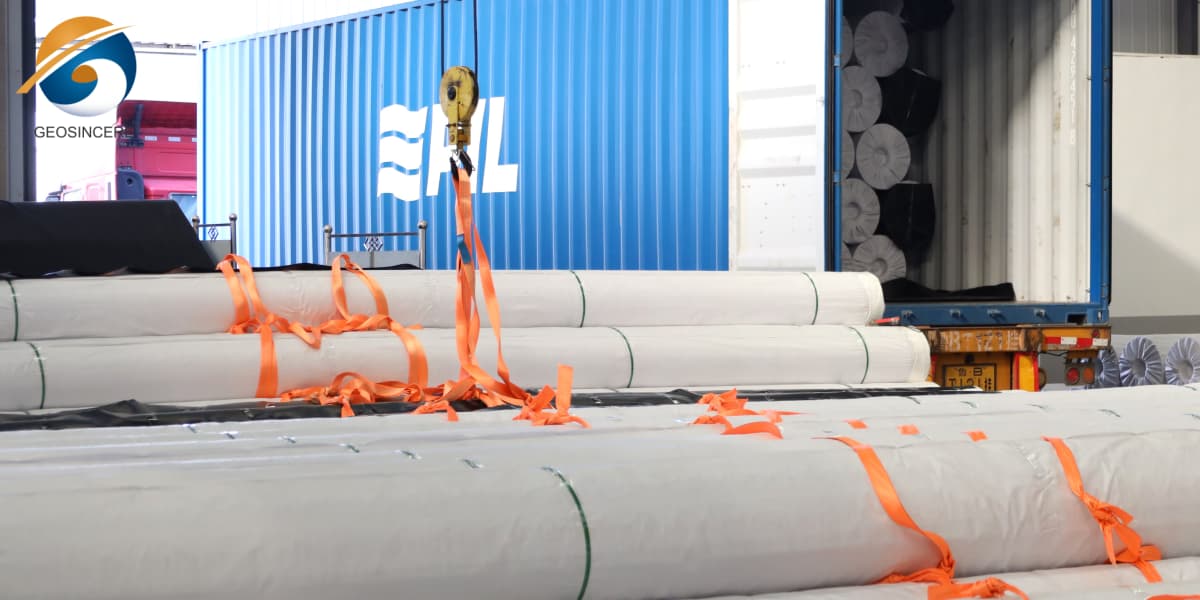
Liners are typically rolled onto sturdy cores and wrapped in protective film to prevent damage from moisture, dust, or UV exposure during storage and transport. High-quality packaging slightly increases cost but protects product integrity.
7.2.2 Export packaging requirements
International shipments often require reinforced packaging, pallets, or crates to meet shipping regulations and prevent damage during transit. These packaging considerations influence logistics cost, insurance, and handling, ultimately affecting the total delivered price.
While these factors might seem secondary to raw material or production costs, they significantly influence the delivered cost of 60 mil hdpe geomembrane liner. Optimizing roll dimensions, weight, and packaging can lead to cost savings during installation and reduce the risk of product damage on-site.
8. Transportation and Incoterms: Hidden 60 Mil HDPE Liner Cost Variables
For international buyers, the quoted price of a 60 mil HDPE liner depends heavily on the chosen Incoterm.
8.1 Key cost elements include:
- Inland transportation from factory to port
- Ocean freight rates
- Port handling charges
- Insurance and customs clearance
For example, the difference between FOB and CIF pricing can be substantial, especially for heavy products like HDPE liners. Since 60 mil liners have higher density per square meter, freight costs play a larger role compared to thinner membranes.
9. Regional Market Differences in 60 Mil HDPE Liner Cost
The cost perception of a 60 mil HDPE liner varies by region.
- In North America, stricter environmental regulations often push demand toward fully certified, premium-grade liners.
- In Latin America, buyers may balance performance with budget constraints and local installation practices.
- In the Middle East and Africa, UV resistance and thermal stability are key cost drivers.
- In Southeast Asia, aquaculture and water containment projects often prioritize flexibility and logistics efficiency.
Understanding these regional priorities helps explain why cost expectations differ even for the same nominal thickness.
10. Installation-Related 60 Mil HDPE Liner Cost Considerations
While material cost is the focus of most inquiries, installation-related factors are closely tied to liner thickness.
A 60 mil HDPE liner:
- Requires professional welding equipment
- Needs trained installation crews
- Demands quality assurance testing (such as seam testing)
Thicker liners may reduce damage risk during installation but can increase welding time and labor cost. These downstream factors should always be considered when evaluating overall project cost.
11. How GEOSINCERE Geosynthetics Approaches 60 Mil HDPE Liner Cost Transparency?
As an international geosynthetics supplier, GEOSINCERE Geosynthetics emphasizes cost transparency rather than price-only competition.
Our approach includes:
- Clear specification confirmation before quotation
- Honest explanation of material and performance differences
- Cost optimization based on project needs, not generic pricing
- Long-term partnership rather than one-time transactions
This allows clients to make informed decisions rather than reacting to a single number.
12. How Buyers Should Ask About 60 Mil HDPE Liner Cost?
Instead of simply asking “What is the 60 Mil HDPE Liner Cost?”, buyers should provide detailed project information to receive accurate and meaningful pricing.
12.1 Specify Application and Standards
12.1.1 Application environment
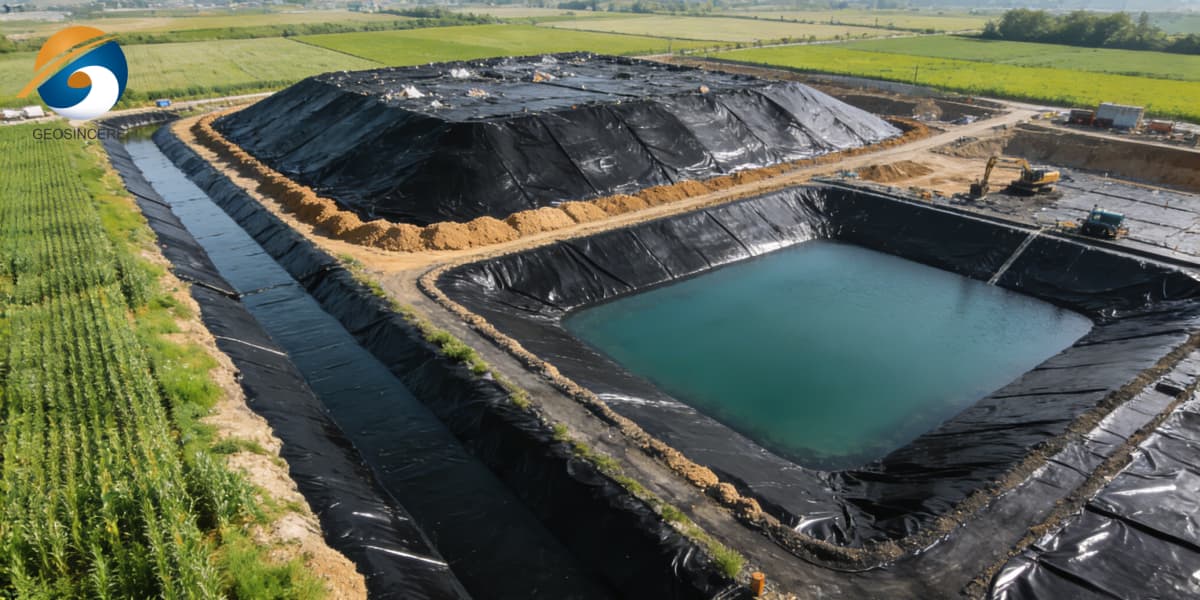
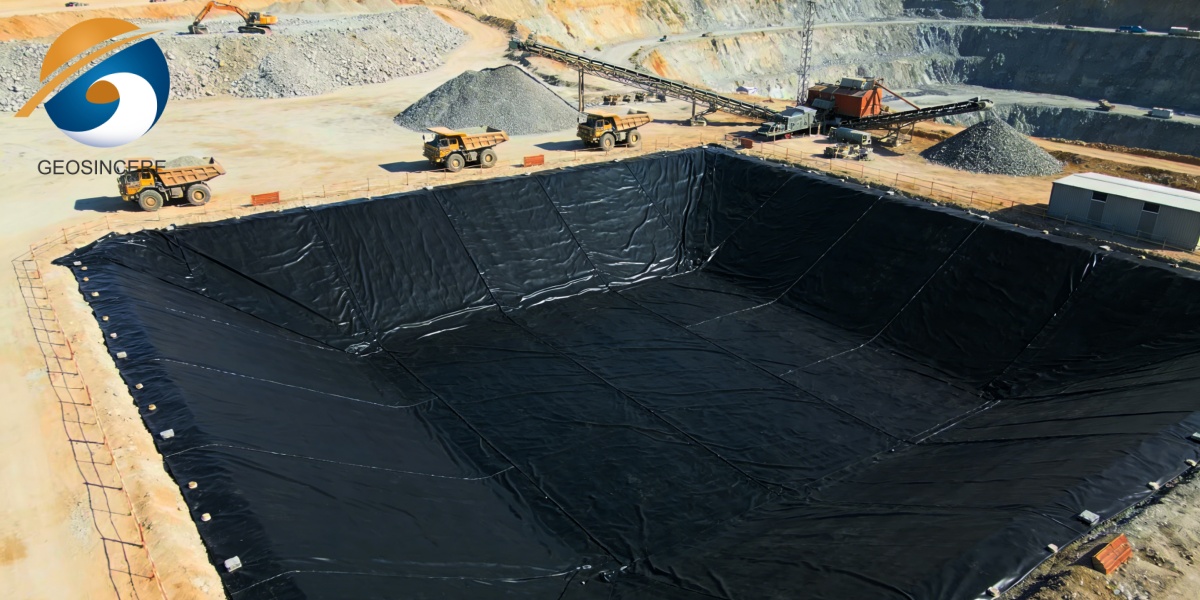
Is the liner for a pond, irrigation canal, landfill, mining tailings, or chemical containment? Different applications have different mechanical and chemical resistance requirements.
12.1.2 Required standards and certifications
For international projects, buyers may need liners that meet ISO, ASTM, GRI, or local regulatory standards. Clarifying this ensures suppliers quote products that comply with all necessary specifications.
12.2 Clarify Exposure and Project Details
12.2.2 Exposure conditions
Include expected UV exposure, chemical contact, temperature range, and mechanical stress. These factors influence liner thickness, additive content, and overall material performance.
12.2.3 Delivery terms and destination
Providing shipping location and preferred delivery method allows suppliers to include logistics, customs, and packaging costs in their quotation.
12.2.4 Project timeline
Indicating start and completion dates helps suppliers plan production and delivery, avoiding rush fees or stock shortages.
By providing these details, buyers enable suppliers to offer precise, tailored cost information, rather than a generic price that may not suit the specific project requirements. This approach also reduces the risk of miscommunication, unexpected costs, and project delays.
Conclusion: Defining the Real 60 Mil HDPE Liner Cost
The cost of a 60 mil HDPE liner is not a fixed figure—it is the outcome of material quality, manufacturing standards, logistics, compliance requirements, and project-specific needs.
For responsible engineering projects, the true cost should be evaluated in terms of performance reliability, service life, and risk control, not just initial purchase price.
By understanding these factors, buyers can move beyond price comparisons and make decisions that support both project success and long-term value.
For reliable, high-quality geosynthetics solutions, trust Shandong Geosino New Material Co., Ltd. (GEOSINCERE Geosynthetics) for your next project.


