Geo Membranes HDPE Liner
Manufacturing Process
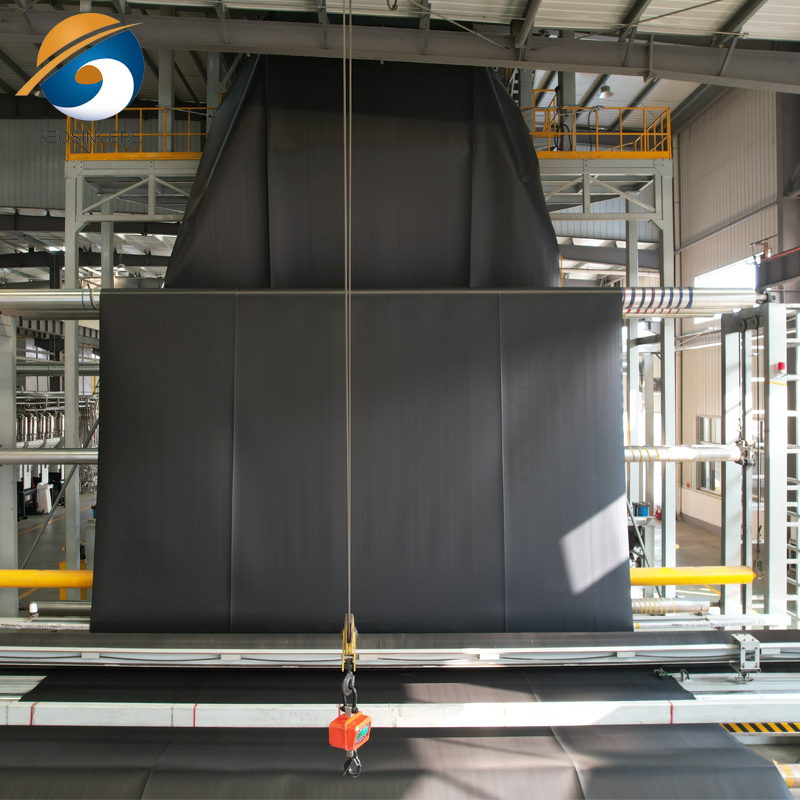
The production of Geo Membranes HDPE Liner follows a controlled extrusion and quality assurance process.
Raw material batching and resin drying
Flat die or blown film extrusion using high-output extruders
Precision thickness calibration and cooling
Surface texturing (if required) via embossing rollers
Inline quality monitoring (thickness, density, dispersion)
Rolling, cutting, and labeling
Final inspection and laboratory testing
Key equipment includes twin-screw extruders, automatic thickness gauges, and carbon black dispersion analyzers.
Product Definition of Geo Membranes HDPE Liner
Geo Membranes HDPE Liner is a high-density polyethylene geomembrane engineered as an impermeable barrier for environmental, civil, and industrial containment projects. It is designed to prevent liquid and gas migration, ensuring long-term sealing performance under mechanical, chemical, and environmental stress.
Technical Parameters and Specifications
Geo Membranes HDPE Liner is manufactured according to internationally recognized geosynthetic standards, suitable for landfill, mining, water conservancy, and industrial containment systems.
Material: High-Density Polyethylene (HDPE)
Density: ≥ 0.94 g/cm³
Thickness Range: 0.5 mm – 3.0 mm
Standard Width: 5 m – 8 m
Standard Length: 50 m – 200 m
Tensile Strength at Yield: ≥ 15 MPa
Elongation at Break: ≥ 700%
Carbon Black Content: 2.0% – 3.0%
Hydrostatic Pressure Resistance: ≥ 0.3 MPa
Service Temperature Range: -40°C to +60°C
Design Service Life: ≥ 30 years (buried condition)
Structure and Material Composition
Geo Membranes HDPE Liner adopts a homogeneous polymer structure with optimized additives to enhance durability and environmental resistance.
Primary Resin Layer: Virgin HDPE resin providing impermeability and mechanical strength
Carbon Black Dispersion: UV resistance and aging protection
Antioxidant System: Thermal and oxidative stability during long-term exposure
Optional Surface Texture: Single or double textured finish to improve interface friction
Manufacturing Process
The production of Geo Membranes HDPE Liner follows a controlled extrusion and quality assurance process.
Raw material batching and resin drying
Flat die or blown film extrusion using high-output extruders
Precision thickness calibration and cooling
Surface texturing (if required) via embossing rollers
Inline quality monitoring (thickness, density, dispersion)
Rolling, cutting, and labeling
Final inspection and laboratory testing
Key equipment includes twin-screw extruders, automatic thickness gauges, and carbon black dispersion analyzers.
Industry Comparison with Alternative Materials
| Parameter | HDPE Liner | LDPE Liner | Clay Liner | PVC Liner |
|---|---|---|---|---|
| Impermeability | Excellent | Good | Moderate | Good |
| Chemical Resistance | High | Medium | Low | Medium |
| Service Life | 30+ years | 20 years | 10–15 years | 15–20 years |
| Installation Complexity | Moderate | Low | High | Low |
Application Scenarios
Geo Membranes HDPE Liner is widely adopted across infrastructure and environmental engineering sectors.
Municipal solid waste landfills
Hazardous waste containment facilities
Mining heap leach pads and tailings dams
Industrial wastewater ponds
Agricultural irrigation reservoirs
Canals, tunnels, and water storage projects
Core Engineering Pain Points and Solutions
Leakage Risk: Continuous extrusion sheets and welded seams ensure low permeability
Chemical Degradation: HDPE polymer resists acids, alkalis, and hydrocarbons
UV Aging: Carbon black stabilization extends outdoor exposure performance
Subgrade Settlement: High elongation accommodates differential settlement
Risk Warnings and Mitigation Recommendations
Improper design or installation can compromise liner performance.
Avoid installation on sharp or poorly compacted subgrade
Ensure certified welding technicians perform seam welding
Conduct nondestructive seam testing
Prevent prolonged exposure before backfilling
Procurement and Selection Guide
Define project application and containment requirements
Select appropriate thickness based on load and chemical exposure
Determine surface texture requirements
Verify compliance with ASTM or ISO standards
Review manufacturer quality control documentation
Assess logistics, roll size, and installation support
Request material samples for verification
Engineering Case Application
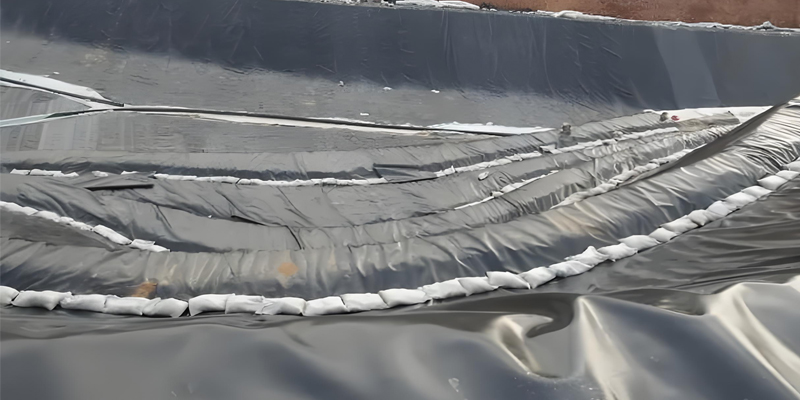
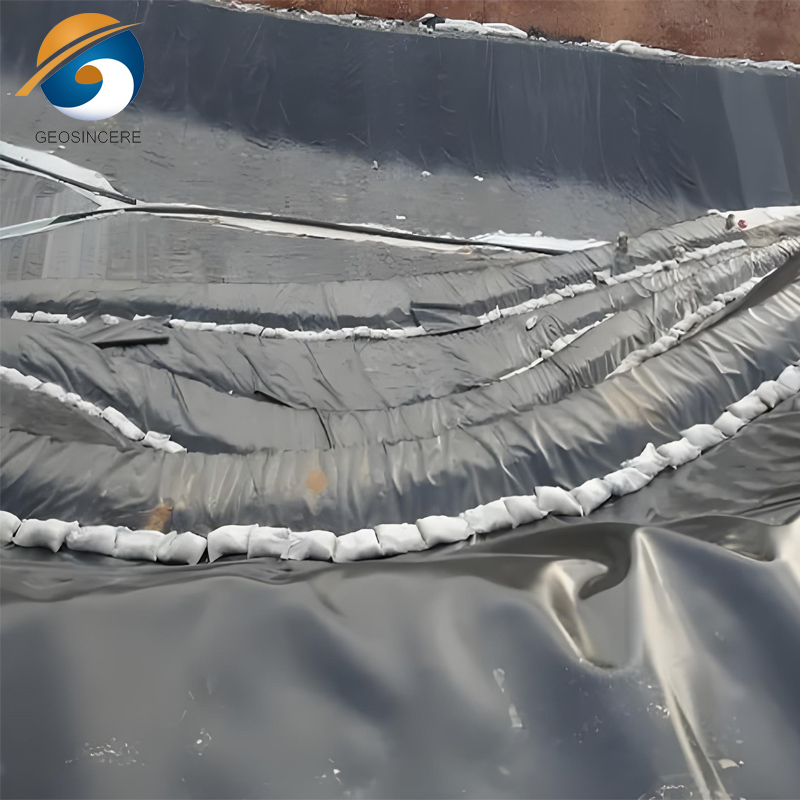
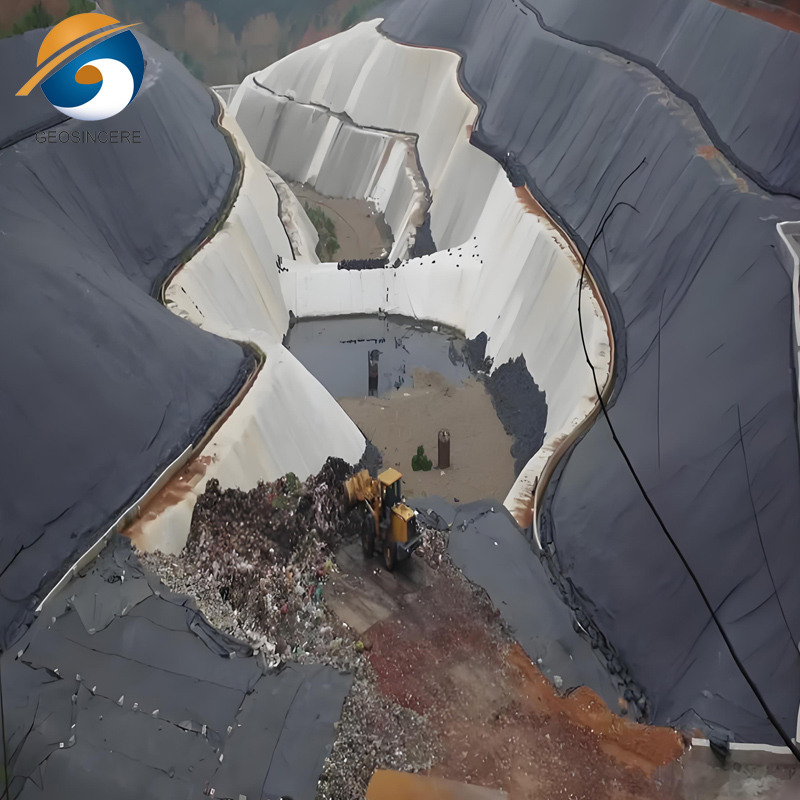
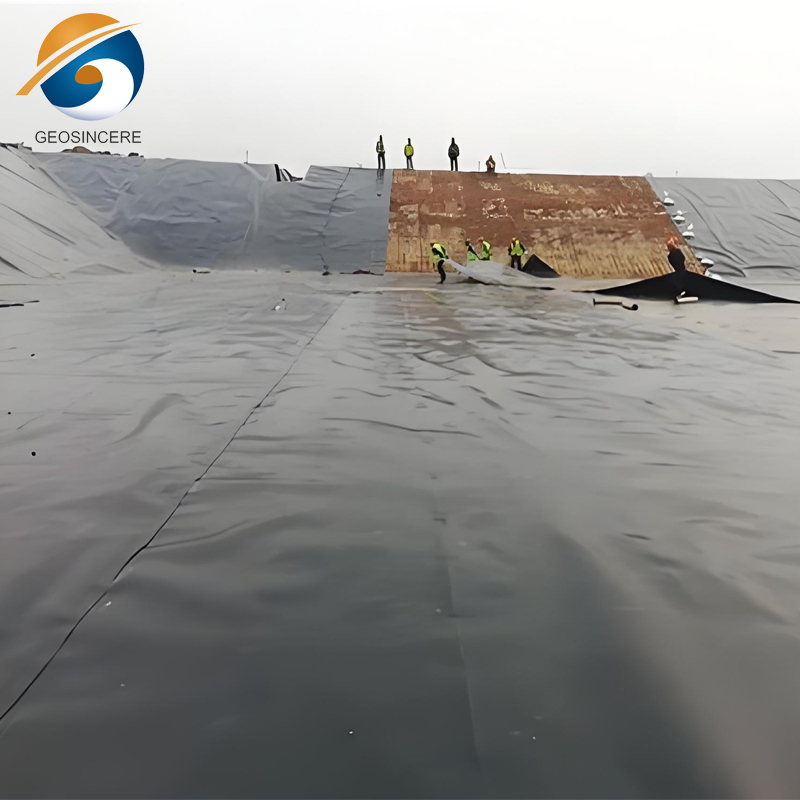
In a municipal landfill expansion project, a 2.0 mm Geo Membranes HDPE Liner system was installed across a 120,000 m² base and slope area. Double-textured liners improved slope stability, while dual-track hot wedge welding achieved over 98% seam integrity compliance during field testing.
Frequently Asked Questions (FAQ)
What thickness is typical for landfill liners? – Commonly 1.5 mm to 2.0 mm
Can HDPE liners withstand chemical waste? – Yes, with verified compatibility
Is textured liner mandatory for slopes? – Recommended for slopes above 1:3
How are seams tested? – Air pressure and vacuum box testing
What is the expected lifespan? – Over 30 years under buried conditions
Can liners be repaired onsite? – Yes, using extrusion welding
Are custom sizes available? – Width and length can be customized
Does HDPE liner resist UV? – Yes, with carbon black stabilization
What standards apply? – ASTM D5885, ASTM D6693, ISO 9001
Is third-party inspection recommended? – Strongly recommended for EPC projects
CTA – Request Commercial and Technical Support
For pricing inquiries, detailed technical datasheets, or project-specific engineering samples of Geo Membranes HDPE Liner, procurement and engineering teams are encouraged to submit formal requests for evaluation.
E-E-A-T Author Credentials
This article is prepared by geosynthetics engineering specialists with over 15 years of experience in landfill, mining, and water containment projects. The content reflects industry standards, verified engineering practices, and real-world EPC implementation knowledge.