LLDPE Pond Liner
Manufacturing Process
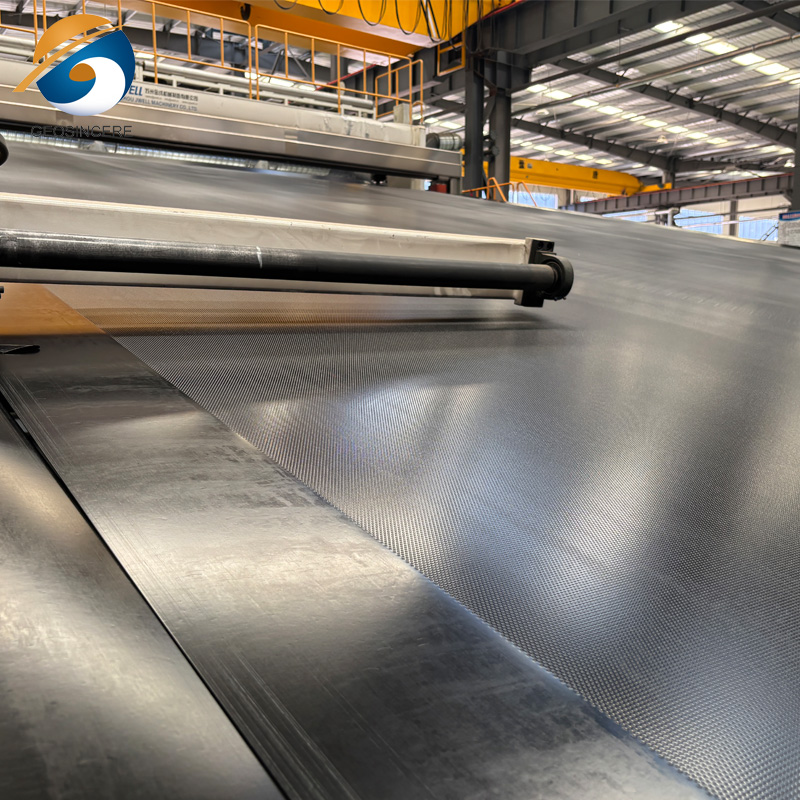
The manufacturing of LLDPE Pond Liner follows a controlled extrusion process to ensure uniform thickness and material consistency.
Virgin resin selection and material batching
Resin melting and homogenization using single or twin-screw extruders
Flat die or blown film extrusion forming continuous sheets
Thickness calibration and water or air cooling
Surface texturing through embossing rollers (if required)
Inline quality inspection (thickness, dispersion, tensile properties)
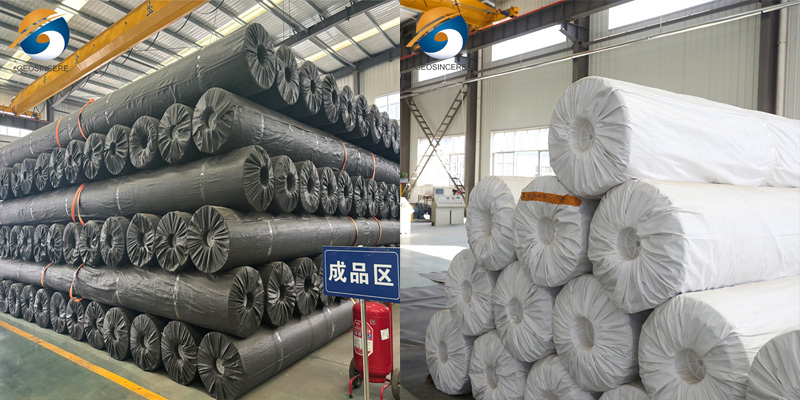
Rolling, cutting, labeling, and packaging
Critical equipment includes automated thickness scanners, carbon black dispersion analyzers, and tensile testing systems.
Product Definition of LLDPE Pond Liner
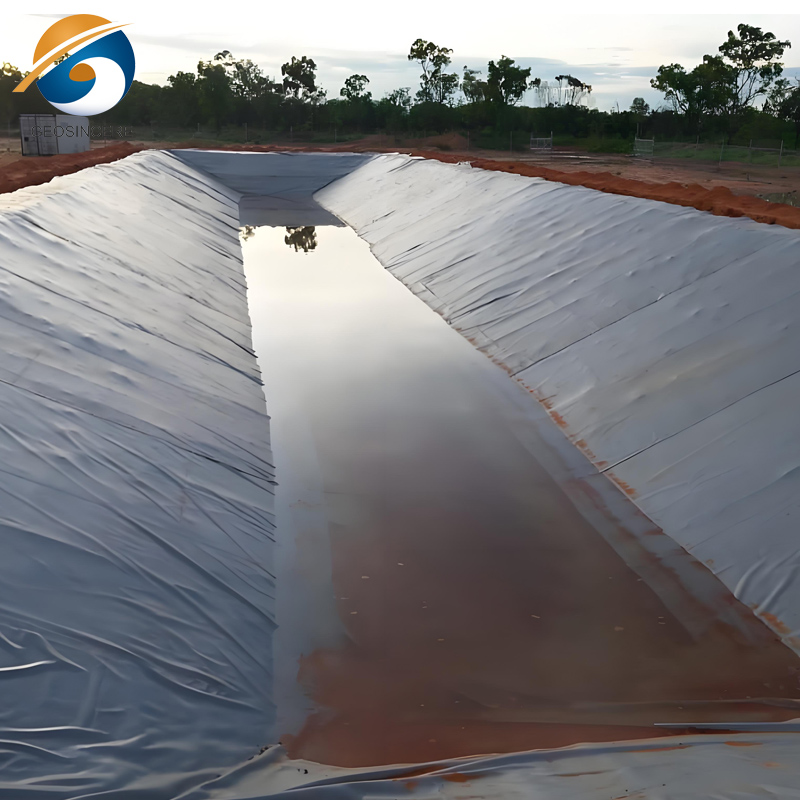
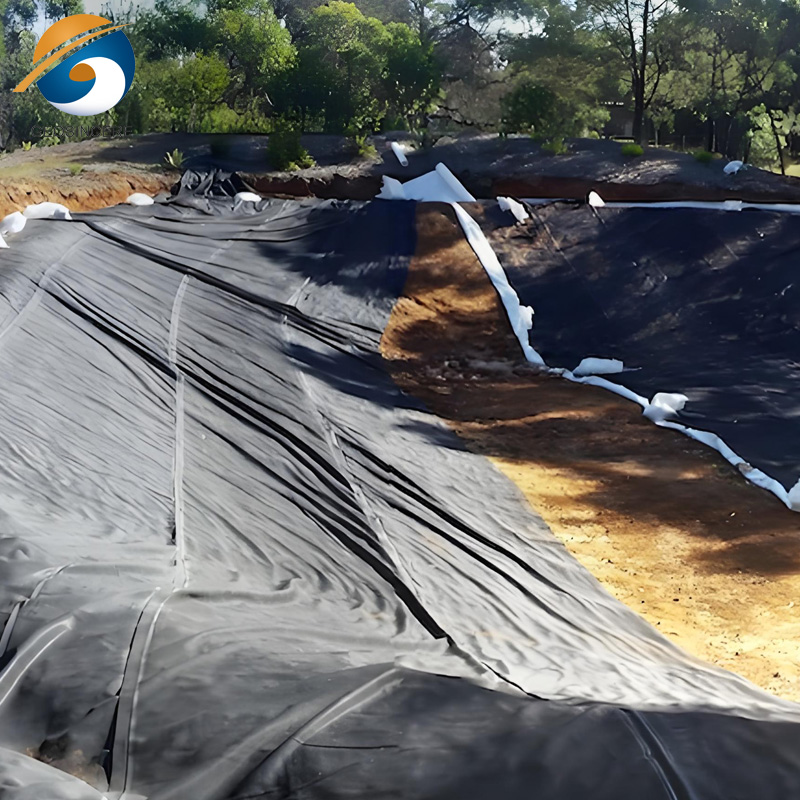
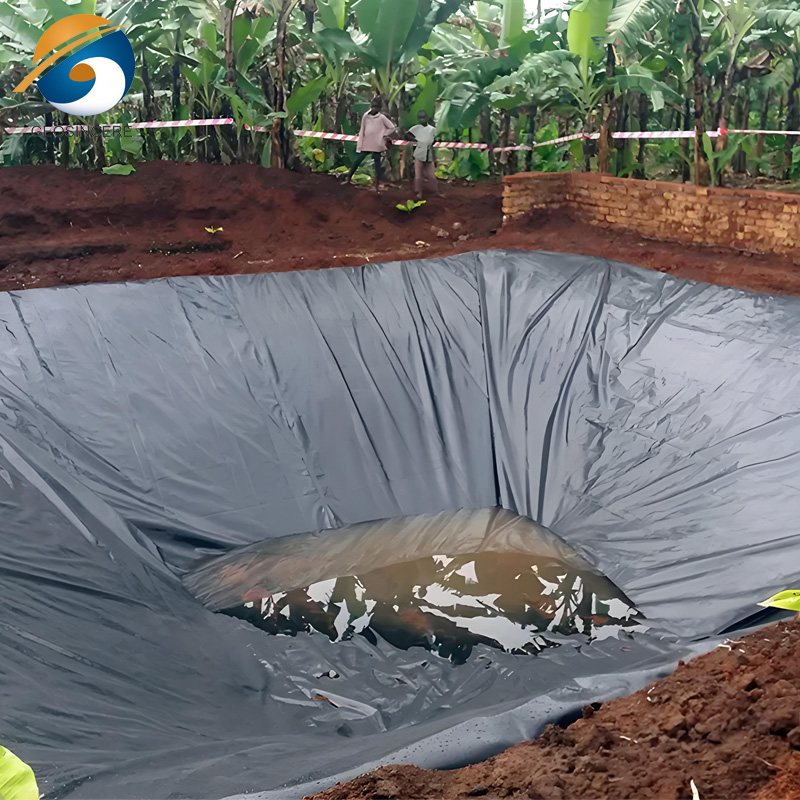
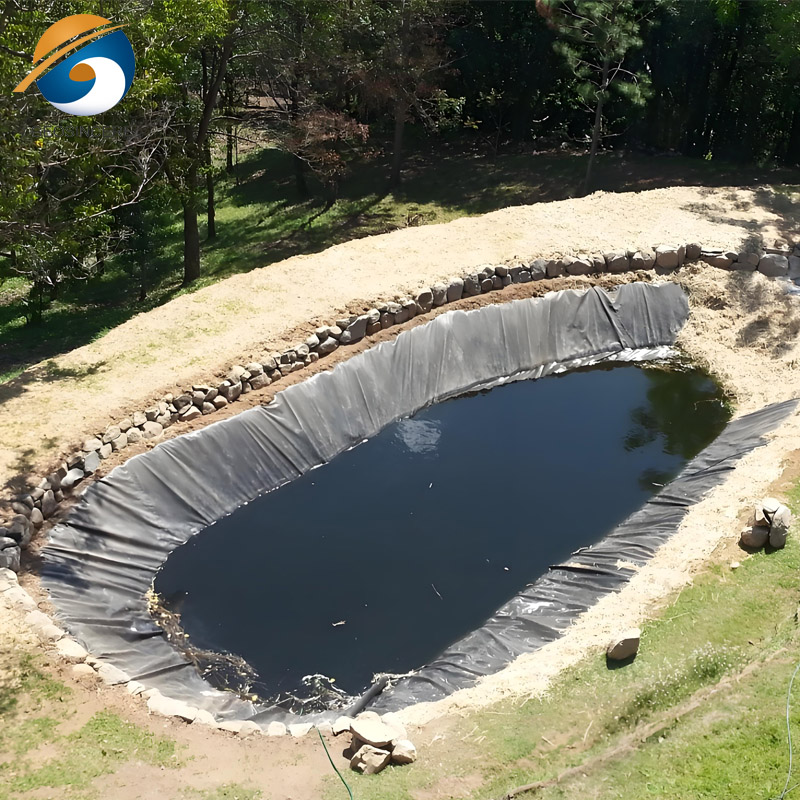
LLDPE Pond Liner is a flexible geomembrane manufactured from linear low-density polyethylene, engineered to provide reliable waterproof containment for ponds, reservoirs, and liquid storage systems. It combines high elongation, chemical stability, and installation adaptability for engineered water containment projects.
Technical Parameters and Specifications
LLDPE Pond Liner is designed to meet the performance requirements of civil, agricultural, and environmental engineering projects.
Material: Linear Low-Density Polyethylene (LLDPE)
Density: 0.915–0.935 g/cm³
Thickness Range: 0.5 mm – 2.5 mm
Standard Width: 4 m – 8 m
Standard Roll Length: 50 m – 200 m
Tensile Strength at Break: ≥ 12 MPa
Elongation at Break: ≥ 800%
Tear Resistance: ≥ 60 N
Hydrostatic Pressure Resistance: ≥ 0.25 MPa
Carbon Black Content: 2.0% – 3.0%
Service Temperature Range: -40°C to +60°C
Expected Service Life: ≥ 25 years (buried condition)
Structure and Material Composition
LLDPE Pond Liner features a homogeneous polymer structure optimized for flexibility and puncture resistance.
Base Polymer Layer: Linear low-density polyethylene resin providing elasticity and sealing performance
Carbon Black Additive: UV resistance and long-term outdoor durability
Antioxidant Package: Thermal stability and oxidation resistance
Smooth or Textured Surface: Optional texture for improved interface friction on slopes
Manufacturing Process
The manufacturing of LLDPE Pond Liner follows a controlled extrusion process to ensure uniform thickness and material consistency.
Virgin resin selection and material batching
Resin melting and homogenization using single or twin-screw extruders
Flat die or blown film extrusion forming continuous sheets
Thickness calibration and water or air cooling
Surface texturing through embossing rollers (if required)
Inline quality inspection (thickness, dispersion, tensile properties)
Rolling, cutting, labeling, and packaging
Critical equipment includes automated thickness scanners, carbon black dispersion analyzers, and tensile testing systems.
Industry Comparison with Alternative Pond Liner Materials
| Parameter | LLDPE Pond Liner | HDPE Liner | PVC Liner | EPDM Rubber |
|---|---|---|---|---|
| Flexibility | Excellent | Moderate | Good | Excellent |
| Puncture Resistance | High | High | Medium | Medium |
| Chemical Resistance | High | High | Medium | Medium |
| Installation Complexity | Moderate | Moderate | Low | Low |
| Service Life | 25+ years | 30+ years | 15–20 years | 20–25 years |
Application Scenarios
LLDPE Pond Liner is widely used by distributors, EPC contractors, and engineering firms in water containment projects.
Aquaculture ponds and fish farming facilities
Agricultural irrigation reservoirs
Landscape and decorative ponds
Stormwater retention and detention basins
Industrial water storage ponds
Wastewater treatment lagoons
Core Engineering Pain Points and Solutions
Subgrade Settlement: High elongation accommodates ground movement without cracking
Puncture Risk: Enhanced tear and puncture resistance protects against stones and roots
UV Exposure: Carbon black stabilization extends outdoor service life
Complex Geometry: Superior flexibility enables easy installation on irregular pond shapes
Risk Warnings and Mitigation Recommendations
Potential risks must be addressed through proper design and construction control.
Ensure subgrade is smooth, compacted, and free of sharp objects
Avoid excessive liner exposure before backfilling or water filling
Use certified welding equipment and trained technicians
Conduct seam integrity testing after installation
Procurement and Selection Guide
Define pond size, depth, and hydraulic load requirements
Select liner thickness based on puncture and pressure demands
Determine smooth or textured surface requirements
Confirm chemical compatibility with stored liquids
Verify compliance with ASTM or ISO standards
Assess roll dimensions for transport and installation efficiency
Request samples for material verification and testing
Engineering Case Application
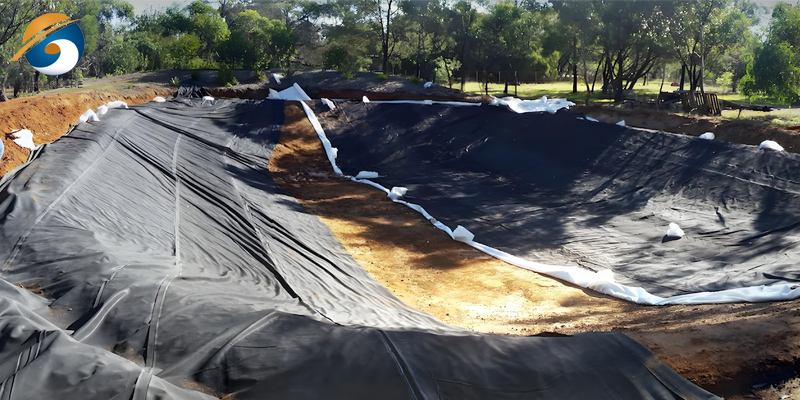
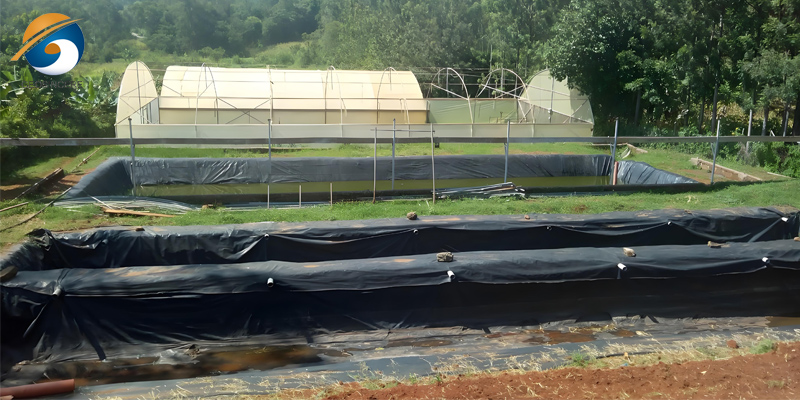
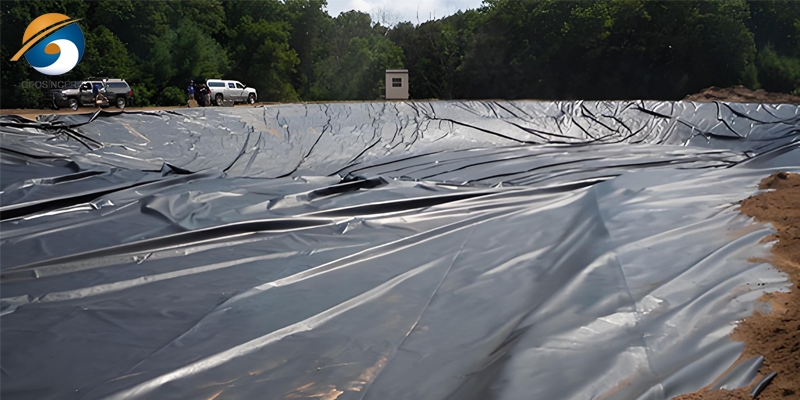
In an aquaculture project covering approximately 60,000 m², a 1.0 mm LLDPE Pond Liner system was installed for fish farming ponds. The liner’s high flexibility allowed rapid installation over uneven subgrade, while hot wedge welded seams passed all air pressure tests, ensuring leak-free performance during commissioning.
Frequently Asked Questions (FAQ)
What thickness is common for pond liners? – Typically 0.75 mm to 1.5 mm
Is LLDPE suitable for aquaculture? – Yes, it is chemically inert and safe
How are seams welded? – Hot wedge or extrusion welding
Can LLDPE liners handle ground movement? – Yes, due to high elongation
Is UV resistance included? – Yes, with carbon black additives
What standards apply? – ASTM D6693, ASTM D5885
Can liners be repaired onsite? – Yes, using extrusion welding patches
Are custom roll sizes available? – Yes, depending on production capability
How long is the service life? – Over 25 years under proper conditions
Is third-party inspection recommended? – Recommended for large EPC projects
CTA – Request Commercial and Technical Support
Procurement managers and engineering teams may request pricing quotations, detailed technical datasheets, or project-specific LLDPE Pond Liner samples for evaluation and approval.
E-E-A-T Author Credentials
This content is prepared by geosynthetics engineering professionals with extensive experience in pond lining, water containment systems, and EPC project support. All technical data is based on established industry standards and verified engineering practices.