Unveiling the Versatility and Critical Role of the 1mm HDPE Liner
In the modern world, some of the most important technologies are the ones we never see. Buried beneath the surface, lining our reservoirs, or capping our landfills, a quiet revolution in materials science has been underway for decades. At the heart of this revolution is a seemingly simple product: the 1mm HDPE Liner. This thin, black sheet of high-density polyethylene is far more than just plastic; it is an engineered solution that acts as an impermeable barrier, protecting our water, soil, and environment from contamination and waste.
Defined by its thickness of 1 millimeter (or 1000 microns), this specific grade of geomembrane strikes a perfect balance between durability, flexibility, and cost-efficiency . It serves as the industry standard for a vast array of applications, from agriculture and aquaculture to mining and municipal waste management . This article delves deep into the world of the 1mm HDPE liner, exploring its material properties, manufacturing precision, diverse applications, installation techniques, and why it has become an indispensable component of modern infrastructure.

1. What is a 1mm HDPE Liner? Material Science and Manufacturing
To understand the capability of a 1mm HDPE liner, one must first understand its composition. HDPE, or High-Density Polyethylene, is a thermoplastic polymer derived from petroleum. The "high-density" refers to the material's molecular structure, which features a high ratio of strength to density, making it robust and rigid.
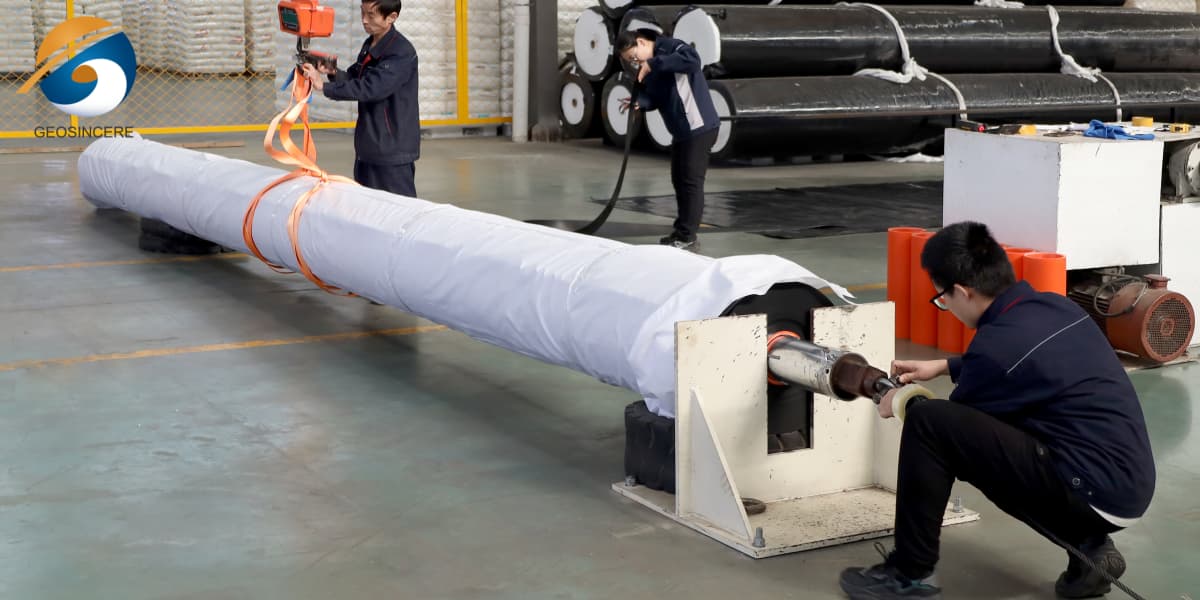
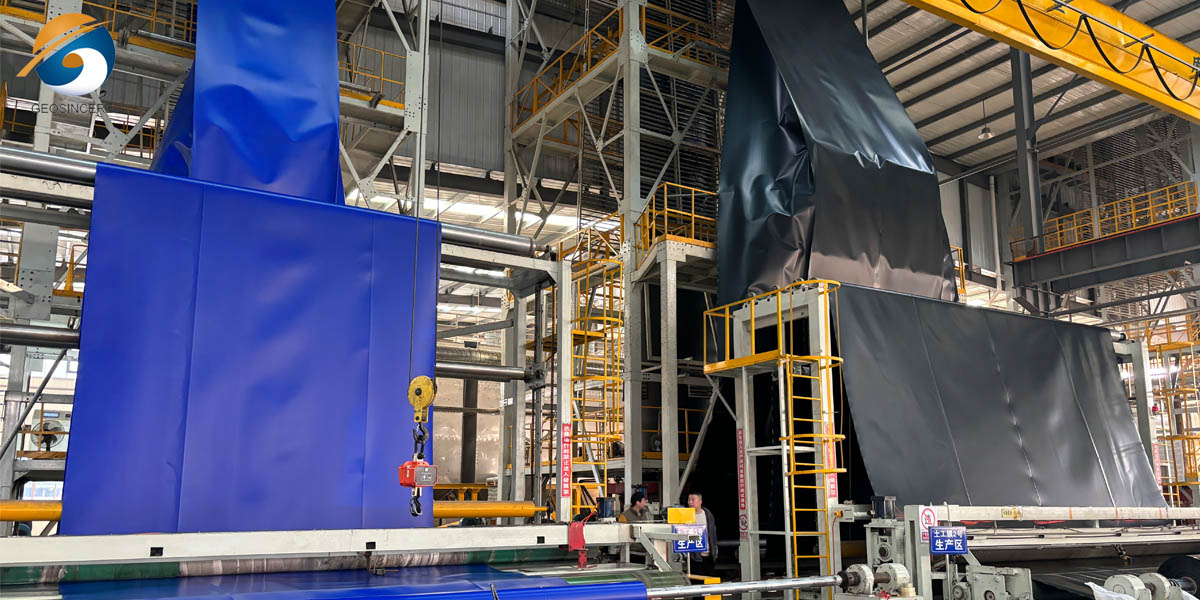
A 1mm HDPE liner is manufactured through a process of extrusion. High-quality, often 100% virgin HDPE resin is fed into an extruder, where it is melted under precise temperature control and forced through a flat die to create a continuous sheet of uniform thickness . This process ensures that the 1mm thickness is consistent across the entire roll, eliminating weak points that could compromise the liner's integrity . The standard width of these rolls can range from 3 meters to an impressive 10 meters, with roll lengths varying from 50 to 200 meters, allowing for large areas to be covered with minimal seams .
While black is the standard color due to its excellent carbon black content, which provides UV protection, other colors can be customized for specific aesthetic or functional purposes . The result is a flexible, durable, and remarkably strong material with a density of at least 0.94 g/cm³, ready to face the toughest environmental conditions.
2. 1mm HDPE Liner Key Performance Properties
The widespread adoption of the 1mm HDPE liner is not accidental. It is a direct result of its impressive physical, chemical, and mechanical properties.
2.1 Chemical Resistance
One of the most celebrated features of HDPE is its inertness. The 1mm HDPE liner offers exceptional resistance to a wide spectrum of chemicals, including acids, alkalis, salts, and many organic chemicals . This makes it the ideal choice for containing hazardous materials, landfill leachate, and industrial effluent, ensuring that aggressive substances do not seep into the surrounding soil and groundwater .
2.2 Impermeability
The primary function of any hdpe geomembrane is to contain liquids or gases. With its ultra-low permeability, the 1mm HDPE liner provides a near-perfect barrier. It effectively prevents the migration of water, leachate, and other fluids, making it essential for water conservation projects and environmental protection .
2.3 Mechanical Strength and Durability
Despite its relatively modest 1mm thickness, this high density polyethylene pond liner possesses high tensile strength and excellent puncture and tear resistance . It can withstand the stresses of soil pressure, settlement, and even the impact of sharp objects, provided the subgrade is properly prepared . Its high elongation at break allows it to accommodate ground movement without cracking, ensuring long-term structural integrity .
2.4 UV Resistance and Longevity
Designed for outdoor exposure, the 1mm hdpe liner pond is stabilized against ultraviolet (UV) radiation. The carbon black additive protects the polymer chains from degradation caused by prolonged sunlight exposure . When installed correctly, these liners boast a remarkable service life, often ranging from 20 to 50 years, providing a permanent solution for long-term infrastructure projects .
2.5 The 1mm Advantage: A Balanced Choice
In the world of geomembranes, thickness is a critical variable. Thinner liners, such as 0.5mm, are economical but offer lower puncture resistance and are generally suited for temporary or low-stress applications . On the other end of the spectrum, 1.5mm, 2.0mm, or thicker liners provide maximum protection for high-stress environments like landfill bases or mining operations, but high density polyethylene liner come with increased material cost and reduced flexibility, making them more challenging to handle and install on complex terrain .
The 1mm HDPE liner sits perfectly in the middle. It is the "goldilocks" of liners. It is thick enough to provide robust, long-term durability and chemical resistance for a majority of projects, yet it remains flexible and lightweight enough to be installed relatively easily, even on irregular surfaces . This balance makes it the most versatile and cost-effective option for a broad spectrum of applications.
3. A World of Applications: Where You Find 1mm HDPE Liner
The versatility of the 1mm HDPE liner means it can be found at the heart of countless projects across the globe. Here are some of its most common and critical applications.
3.1 Agriculture and Aquaculture
In agriculture, water is the most precious resource. 1mm HDPE liners are used to line irrigation canals, reservoirs, and farm ponds, significantly reducing water loss due to seepage and evaporation . This not only conserves water but also ensures a reliable supply for crops and livestock.
In aquaculture, these high density polyethylene geomembrane is transformative. They create controlled environments for fish and shrimp farming . The liner isolates the pond from the surrounding soil, preventing contamination from pesticides or fertilizers and stopping diseases from entering. It maintains water quality, preserves oxygen content, and makes pond cleaning effortless, leading to higher survival rates and increased productivity . A case study from Ecuador highlights how a shrimp farm utilized 37,240 square meters of 1mm HDPE sheet to create an impermeable and healthy environment for their stock, resulting in a more stable and efficient breeding cycle .
3.2 Environmental Protection and Waste Management
Modern landfills are complex engineering feats designed to protect the environment from toxic waste. The hdpe geo membrane often forms a critical part of the composite liner system at the bottom of a landfill cell . It acts as the primary barrier, preventing leachate—the toxic liquid formed when water percolates through waste—from contaminating the underlying groundwater . It is also used in caps to close landfills, minimizing rainwater infiltration.
Furthermore, these geomembrane pond liner is essential in wastewater treatment plants, lining lagoons and holding tanks to ensure that untreated or partially treated water does not leak into the earth . They are also used in industrial sites for secondary containment, creating a safety barrier around chemical storage tanks to capture any spills or leaks, protecting the company from environmental liability .
3.3 Mining and Energy
The mining industry relies heavily on HDPE geomembranes. The 1mm grade is frequently employed in heap leach pads, where it creates a waterproof base for piles of ore . As chemicals are sprayed on the ore to dissolve valuable minerals, the liner ensures that the resulting solution is captured and directed to collection ponds without being lost to the ground.
In the oil and gas sector, 1mm geomembrane sheet is used to line reserve pits and fracking fluid ponds, containing the chemical-laden water used in drilling operations and preventing soil contamination . They are also used in the construction of biogas digesters, where their chemical resistance ensures long-term integrity as they contain organic material undergoing decomposition .
3.4 Civil Engineering and Construction
Even in our cities, 1mm hdpe geomembrane liner play a silent but crucial role. They are used in tunnels and beneath highways as a waterproofing membrane to protect the structure from groundwater ingress . In building construction, they can serve as vapor barriers under slabs or on green roofs, protecting the structural integrity of the building from moisture damage .
4. 1mm HDPE Liner Installation: The Key to Performance
Even the highest-quality 1mm hdpe liner sheet will fail if not installed correctly. The liner is only as good as its weakest seam. Therefore, installation is a critical phase that requires skill, the right equipment, and adherence to strict protocols.
4.1 Site Preparation
Before the hdpe geomembrane sheet is even unrolled, the subgrade must be meticulously prepared. The surface must be smooth, compacted, and free of any sharp objects like stones, roots, or debris that could puncture the material . Often, a layer of sand or geotextile is placed down to provide a cushion.
4.2 Deployment
Due to its manageable weight and flexibility, a 1mm HDPE liner is relatively easy to handle on-site compared to thicker alternatives. Smaller rolls can be maneuvered by hand, while larger projects might require equipment like forklifts to position the heavy rolls . It is laid out with some slack to accommodate ground settlement and temperature contractions, avoiding tight stretching that could cause stress .
4.3 Welding: Creating the Bond
Connecting multiple pieces of hdpe membrane sheet to form a continuous barrier is the most technical part of the installation. The goal is to create a seam that is as strong as the liner itself. Several methods are used, with thermal fusion being the most reliable .
- Extrusion Welding: This method involves melting a filler rod of HDPE material and extruding it over the overlap between two liner sheets. It is versatile and can be used for both straight and curved joints, as well as for patching and repairs .
- Hot Wedge Welding: This is the most common method for long, straight seams. A hot wedge is inserted between two overlapping liner edges, melting them simultaneously. Pressure rollers then immediately fuse the two softened surfaces together, creating a continuous, homogenous bond. It is fast, efficient, and produces highly consistent results .
After welding, every seam must be tested to ensure it is leak-proof. Common methods include non-destructive air pressure testing for double-track welds and destructive testing where sample cuts are taken from the seam and pulled apart in a tensiometer to verify bond strength .

5. 1mm HDPE Liner Quality Control and Standards
The reliability of a 1mm HDPE liner is underpinned by rigorous international standards. Reputable manufacturers produce liners that comply with standards such as the ASTM (American Society for Testing and Materials) and GRI-GM13 (Geosynthetic Research Institute) . These standards specify the minimum required values for properties like tensile strength, tear resistance, puncture resistance, carbon black content, and resistance to environmental stress cracking.
When sourcing a 1mm HDPE liner, polyethylene pond liners is crucial to verify that the product meets these certifications. This guarantees that the material has the necessary properties to perform as expected over its intended lifespan. Manufacturers also conduct in-house quality control, using precise thickness gauges and laboratory testing to ensure every roll meets the promised specifications .
Conclusion: The Unsung Hero of Infrastructure
The 1mm HDPE liner may lack the glamour of a skyscraper or the complexity of a microchip, but its contribution to modern society is equally profound. It is a silent guardian, protecting our environment, securing our water resources, and enabling critical industries to operate safely. By providing a perfect balance of durability, chemical resistance, and cost-effectiveness, it has become the default choice for countless engineers and project managers around the world.
From a small fish pond in a rural village to a massive hazardous waste landfill on the outskirts of a major city, the 1mm HDPE liner performs its duty tirelessly, unseen and uncelebrated. As we continue to face challenges related to water scarcity, environmental protection, and sustainable industrial practices, the importance of this simple, sophisticated sheet of plastic will only continue to grow. It is a testament to the fact that sometimes, the most powerful technologies are the ones that lie just beneath the surface.
Choose a Reliable Supplier to Quote Price for You :
Shandong Geosino New Material Co., Ltd. (GEOSINCERE Geosynthetics) has been keeping on investing in technological innovation, manufacturing facilities improvement and turnkey engineering abilities. We have invested 10 million dollars into our manufacturing factory which is equipped with state-of-the-art automatic production lines to manufacture high quality HDPE geomembranes and other geosynthetics with optimized processes. Our extensive lines of geosynthetics products are well known for their ensured quality, high performance, excellent durability and best cost effectiveness.
GEOSINCERE Geosynthetics brand HDPE geomembranes and other geosynthetics products and solutions can meet your requirements by our solid technologies, innovative engineering solutions and excellent customer services. GEOSINCERE Geosynthetics always tries our best to solve the most complex civil, mining and environmental challenges with our innovative and high performance geosynthetic products. Quality assurance, factory price and fast delivery time are our competitive advantages.
GEOSINCERE Geosynthetics has been keeping on investing in technological innovation, manufacturing facilities improvement and turnkey engineering abilities. We have invested 10 million dollars into our manufacturing factory which is equipped with state-of-the-art automatic production lines to manufacture high quality geomembrane and other geosynthetics with optimized processes. Our extensive lines of geosynthetics products are well known for their ensured quality, high performance, excellent durability and best cost effectiveness.