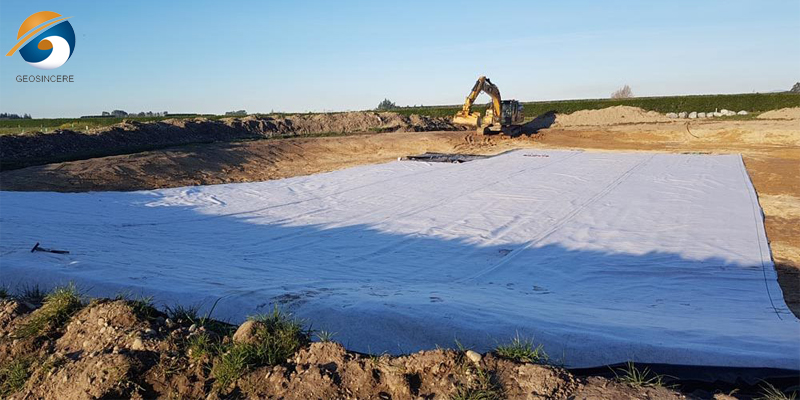
What is Geo Clay Liner Used for?
Product Definition: What Is a Geo Clay Liner?
A Geo Clay Liner (GCL) is a factory-manufactured hydraulic barrier consisting of a layer of sodium bentonite clay encapsulated between geotextiles or bonded to a geomembrane. It is designed to provide extremely low permeability for containment and environmental protection applications.
What Is Geo Clay Liner Used for in Civil and Environmental Engineering?
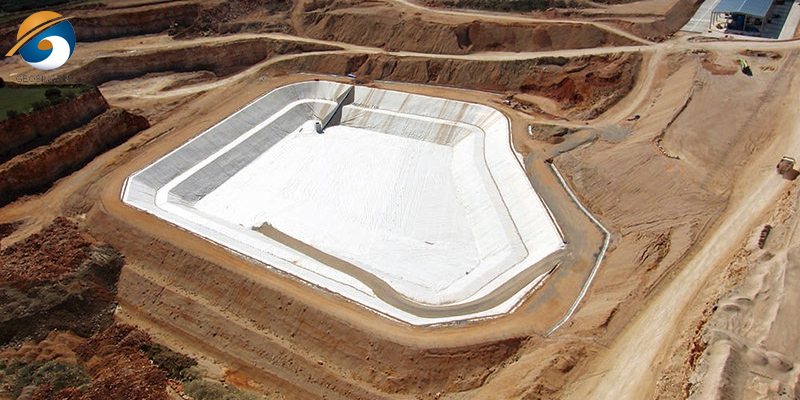
Understanding what is geo clay liner used for is critical for EPC contractors and procurement managers involved in containment, waste management, and water protection projects. GCLs are primarily used as impermeable liners to control fluid migration and protect soil and groundwater systems.
Technical Parameters and Specifications
Geo Clay Liner performance is defined by standardized physical and hydraulic parameters suitable for large-scale infrastructure projects.
Bentonite Type: Sodium bentonite
Bentonite Mass: 3.5–5.5 kg/m²
Hydraulic Conductivity: ≤ 5 × 10⁻¹¹ m/s
Peel Strength: ≥ 600 N/m
Shear Strength (Internal): ≥ 25 kPa
Geotextile Type: Woven / Nonwoven PP or PET
Standard Roll Width: 4–5 m
Standard Roll Length: 30–50 m
Design Service Life: ≥ 50 years (buried conditions)
Applicable Standards: ASTM D5887, ASTM D5890, ISO 10772
Structure and Material Composition
The structural composition explains what is geo clay liner used for in high-risk containment environments.
Top Geotextile Layer: Woven or nonwoven fabric providing tensile strength and protection
Sodium Bentonite Core: Expansive clay forming a self-sealing impermeable layer
Bottom Geotextile Layer: Ensures confinement and shear resistance
Needle-Punching or Adhesive Bonding: Maintains integrity during installation
Optional Geomembrane Lamination: Enhances chemical resistance and barrier performance
Manufacturing Process
Geo Clay Liner manufacturing follows controlled industrial procedures to ensure uniform hydraulic performance.
Selection and testing of sodium bentonite raw material
Geotextile fabric production or sourcing
Uniform bentonite granule distribution across geotextile
Needle-punching or thermal bonding of layers
Moisture content control and inline quality inspection
Roll cutting, labeling, and packaging
Key equipment includes bentonite spreaders, needle-punching machines, moisture analyzers, and tensile testing systems.
Industry Comparison: GCL vs Other Liner Systems
| Parameter | Geo Clay Liner | HDPE Geomembrane | Compacted Clay Liner | Composite Liner |
|---|---|---|---|---|
| Hydraulic Conductivity | Very Low | Extremely Low | Low | Extremely Low |
| Installation Speed | Fast | Moderate | Slow | Moderate |
| Thickness | 5–10 mm | 1–3 mm | 500–1000 mm | 6–15 mm |
| Self-Healing Ability | Yes | No | Limited | Partial |
| Cost Efficiency | High | Moderate | Low | Moderate |
Application Scenarios
From a practical engineering perspective, what is geo clay liner used for spans multiple containment-driven sectors.
Municipal solid waste landfills
Hazardous waste containment facilities
Mining tailings ponds and heap leach pads
Water reservoirs and canals
Secondary containment for industrial sites
Artificial lakes and decorative ponds
Core Engineering Pain Points and Solutions
Groundwater Contamination Risk: GCL provides ultra-low permeability barriers
Limited Construction Space: Thin profile replaces thick compacted clay layers
Subgrade Irregularities: Bentonite self-seals minor defects
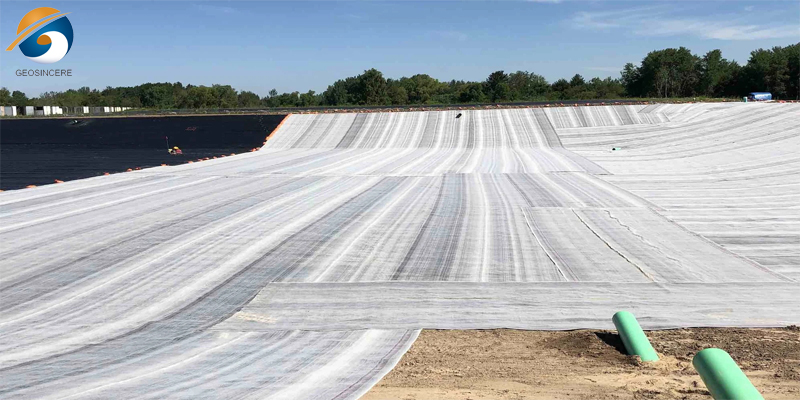
Construction Time Constraints: Roll-based installation accelerates project schedules
Risk Warnings and Mitigation Recommendations
While understanding what is geo clay liner used for, potential risks must be considered.
Premature hydration before confinement should be avoided
Exposure to saline or calcium-rich water may reduce swelling capacity
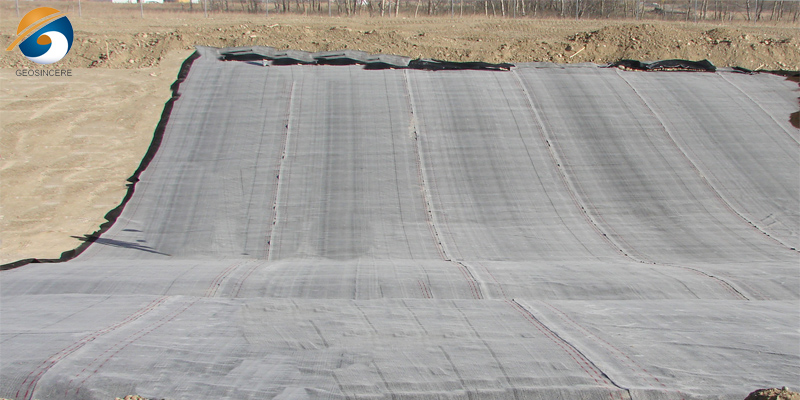
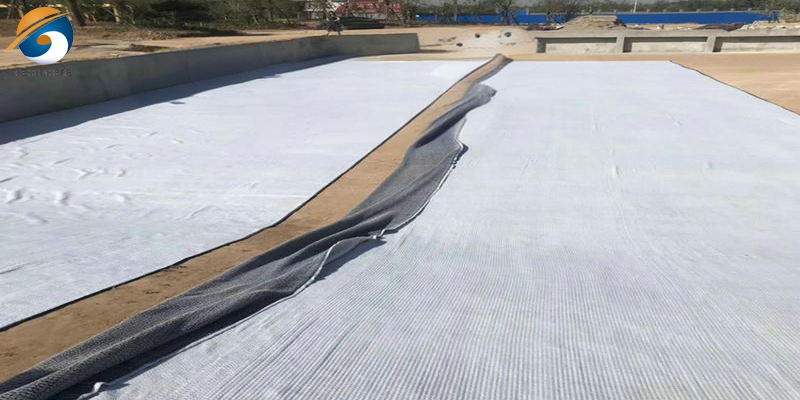
Proper overlap and sealing are critical to performance
Cover layers should be placed promptly after installation
Procurement and Selection Guide
Define project containment requirements and regulatory standards
Evaluate chemical compatibility of bentonite with site liquids
Select appropriate GCL type (stitched, needle-punched, laminated)
Verify bentonite mass and hydraulic conductivity values
Request third-party laboratory test reports
Assess supplier manufacturing capacity and QA procedures
Confirm logistics, roll dimensions, and onsite support
Engineering Case Study
In a municipal landfill expansion project, a needle-punched Geo Clay Liner with bentonite mass of 5.0 kg/m² was installed beneath a composite liner system. Field permeability testing confirmed hydraulic conductivity below 1 × 10⁻¹¹ m/s, meeting environmental compliance requirements while reducing installation time by over 30% compared to compacted clay liners.
Frequently Asked Questions (FAQ)
What is geo clay liner used for? – Environmental containment and seepage control
Is GCL suitable for landfills? – Yes, widely used globally
Can GCL replace compacted clay liners? – In many projects, yes
Does GCL self-heal? – Yes, due to bentonite swelling
Is GCL chemically resistant? – Moderate, compatibility testing required
How long does GCL last underground? – Over 50 years
Can GCL be combined with geomembranes? – Yes, as composite liners
Does GCL require welding? – No, overlaps are used
Is installation equipment complex? – No, standard lifting tools suffice
Is third-party testing recommended? – Strongly recommended
CTA – Request Quotation or Technical Documentation
Procurement teams, EPC contractors, and distributors may request detailed technical datasheets, compliance documentation, pricing information, or engineering samples to support tendering and project design validation.
E-E-A-T Author Credentials
This content is prepared by engineering specialists with extensive experience in geosynthetics design, landfill engineering, and environmental containment systems. All technical parameters are aligned with internationally recognized standards and field-proven engineering practices.