40 mil HDPE Quality Pond Liner Geomembrane
Manufacturing Process
Manufacturing quality directly affects geomembrane service life:
Virgin or controlled recycled HDPE resin blending
High-precision flat die extrusion or blown film extrusion
Thickness calibration and automatic gauge control
Surface cooling and stress relaxation
Inline spark testing and visual inspection
Roll cutting, labeling, and protective packaging
Strict process control minimizes thickness deviation and internal stress.
40 mil HDPE Quality Pond Liner Geomembrane: Engineering Guide
The 40 mil HDPE quality pond liner geomembrane is widely specified in water containment, aquaculture, and environmental protection projects. For B2B buyers, understanding its engineering performance, cost drivers, and long-term risks is essential for compliant, durable, and economically sound installations.
Product Definition
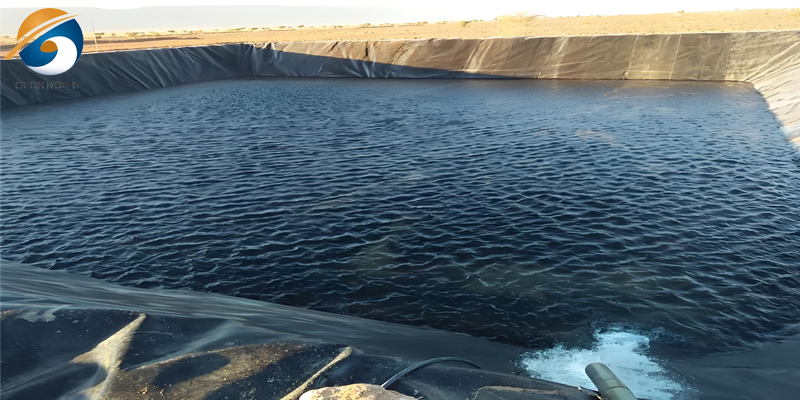
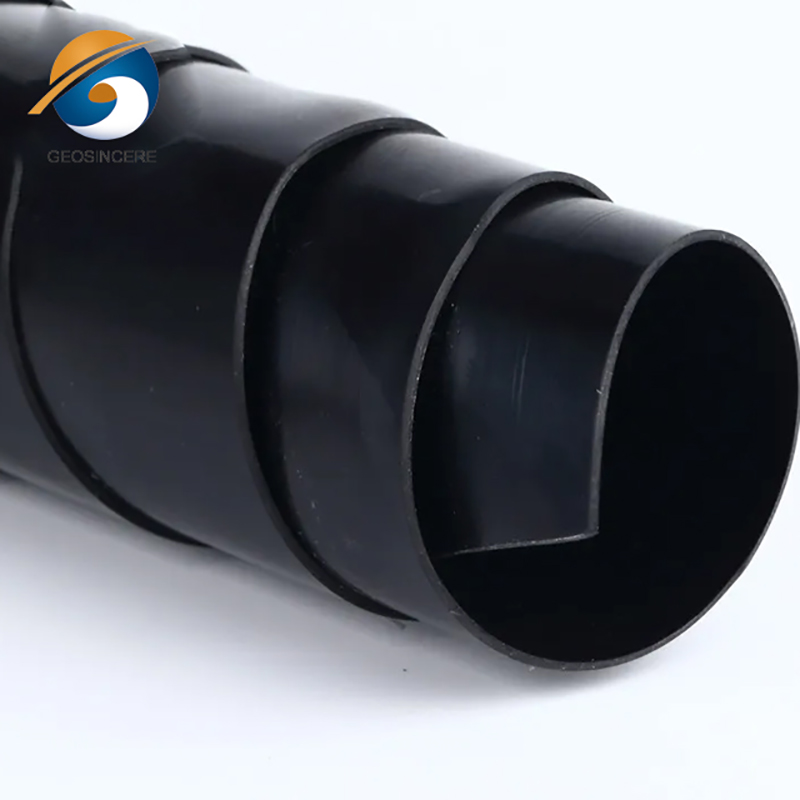
A 40 mil HDPE quality pond liner geomembrane is a 1.0 mm thick high-density polyethylene impermeable membrane designed for liquid containment. It provides reliable hydraulic isolation, chemical resistance, and UV stability for ponds, reservoirs, and environmental engineering applications.
Technical Parameters and Specifications
Key technical parameters for a 40 mil HDPE quality pond liner geomembrane include:
Nominal thickness: 40 mil (1.0 mm)
Density: ≥ 0.94 g/cm³
Tensile strength at yield: ≥ 15 MPa
Elongation at break: ≥ 700%
Puncture resistance: ≥ 320 N
Carbon black content: 2.0–3.0%
Oxidative induction time (OIT): ≥ 100 min
Hydraulic conductivity: ≤ 1 × 10⁻¹³ m/s
These parameters ensure long-term impermeability and structural reliability under field conditions.
Structure and Material Composition
The structural design of a 40 mil HDPE quality pond liner geomembrane focuses on uniformity and durability:
Base polymer: High-density polyethylene resin
Carbon black: UV protection and weather resistance
Antioxidants: Thermal and oxidative aging control
Optional texture: Enhanced interface friction (where required)
Homogeneous single-layer construction ensures consistent mechanical and hydraulic performance.
Manufacturing Process
Manufacturing quality directly affects geomembrane service life:
Virgin or controlled recycled HDPE resin blending
High-precision flat die extrusion or blown film extrusion
Thickness calibration and automatic gauge control
Surface cooling and stress relaxation
Inline spark testing and visual inspection
Roll cutting, labeling, and protective packaging
Strict process control minimizes thickness deviation and internal stress.
Industry Comparison
| Material | HDPE 40 mil | LLDPE 40 mil | PVC Liner |
|---|---|---|---|
| Flexibility | Moderate | High | High |
| Chemical Resistance | Excellent | Very Good | Moderate |
| UV Resistance | Excellent | Good | Limited |
| Service Life | 20–30 years | 15–25 years | 10–15 years |
| Cost Level | Medium | Medium | Low–Medium |
Application Scenarios
Distributors: Standardized pond liner supply for agriculture and landscaping markets
EPC Contractors: Engineered containment systems for reservoirs and lagoons
Environmental Engineers: Secondary containment and seepage control
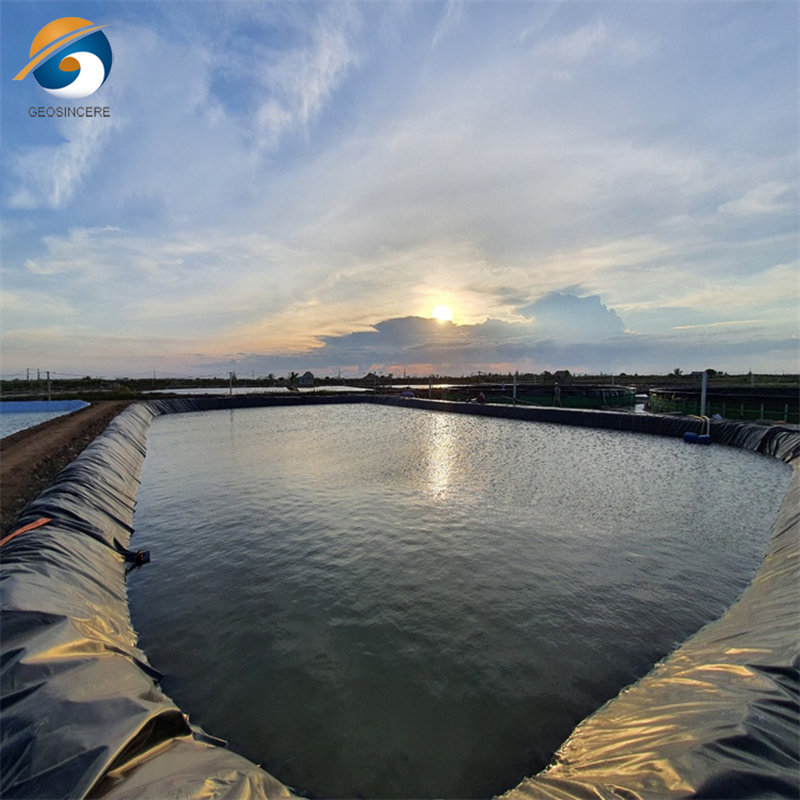
Aquaculture Operators: Fish and shrimp ponds requiring chemical neutrality
Core Pain Points and Solutions
Pain Point: Premature UV degradation
Solution: Specify certified carbon black content and OIT valuesPain Point: Seam leakage during installation
Solution: Use qualified thermal welding with test seamsPain Point: Puncture damage from subgrade
Solution: Install protective geotextile underlaymentPain Point: Cost overruns due to material waste
Solution: Optimize panel layout and roll width selection
Risk Warnings and Avoidance Recommendations
Avoid uncertified recycled HDPE in critical containment
Do not install without subgrade preparation and smoothing
Protect liner from prolonged exposure before backfilling
Ensure welding parameters match liner thickness
Procurement and Selection Guide
Define containment purpose and fluid chemistry
Confirm thickness requirement based on load and risk
Request full technical data sheet and test reports
Verify manufacturing quality control procedures
Evaluate logistics, roll size, and on-site handling
Assess installer qualifications and welding methods
Align warranty period with project design life
Engineering Application Case
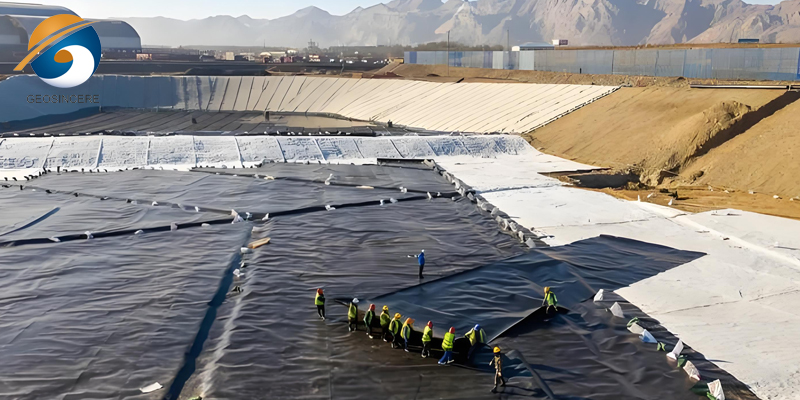
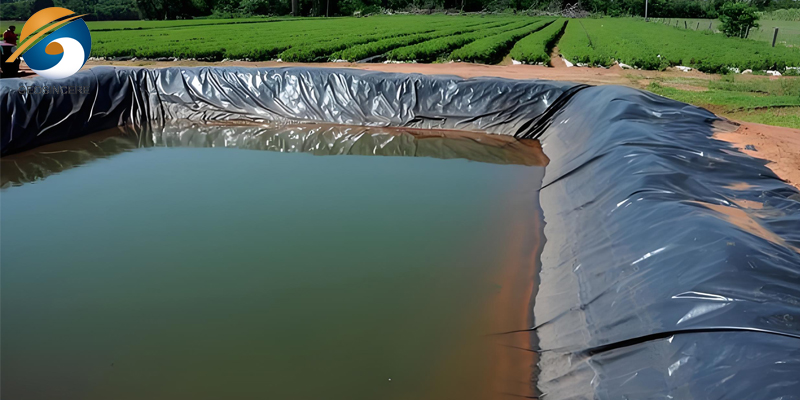
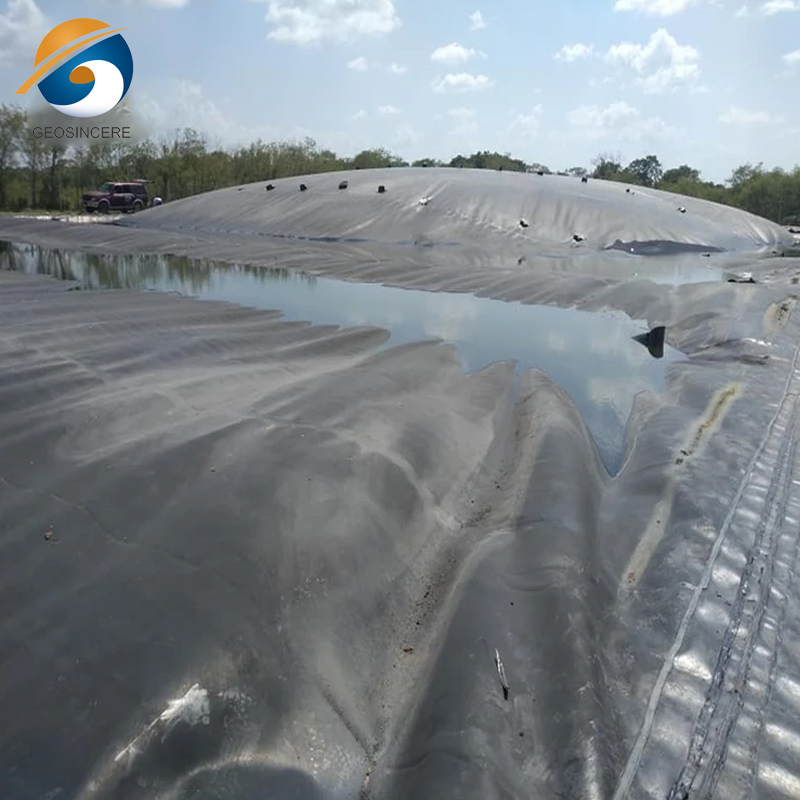
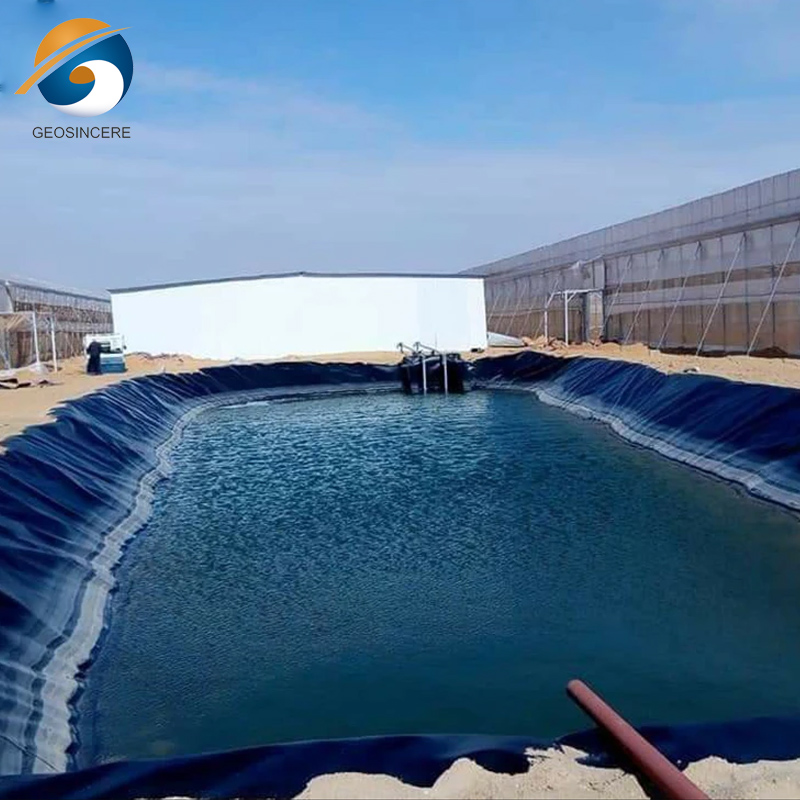
In a 12,000 m² agricultural irrigation pond project, a 40 mil HDPE quality pond liner geomembrane was installed over compacted soil with nonwoven geotextile protection. The system achieved zero leakage after commissioning and reduced annual water loss by over 30%, improving operational efficiency and water security.
FAQ
1. Is 40 mil HDPE thick enough for ponds?
Yes, for most agricultural and landscape ponds with proper subgrade preparation.
2. Can it be used for drinking water?
Only if certified for potable water contact.
3. How long does a 40 mil HDPE liner last?
Typically 20–30 years under normal conditions.
4. Is HDPE better than PVC for ponds?
HDPE offers superior chemical and UV resistance.
5. Does texture improve performance?
Texture improves slope stability but increases cost.
6. Can it handle freeze–thaw cycles?
Yes, HDPE performs well under temperature variation.
7. What welding method is recommended?
Hot wedge or extrusion welding.
8. Is geotextile always required?
Strongly recommended for puncture protection.
9. How is quality verified on site?
Through seam testing and visual inspection.
10. Can panels be factory-prefabricated?
Yes, to reduce field welding and installation time.
Call to Action
For detailed specifications, engineering drawings, pricing, or project samples of 40 mil HDPE quality pond liner geomembrane, please submit your project requirements for professional technical support.
E-E-A-T Author Credentials
This content is prepared by a geosynthetics engineering specialist with extensive experience in HDPE geomembrane manufacturing, quality control, and large-scale water containment and environmental projects worldwide.