

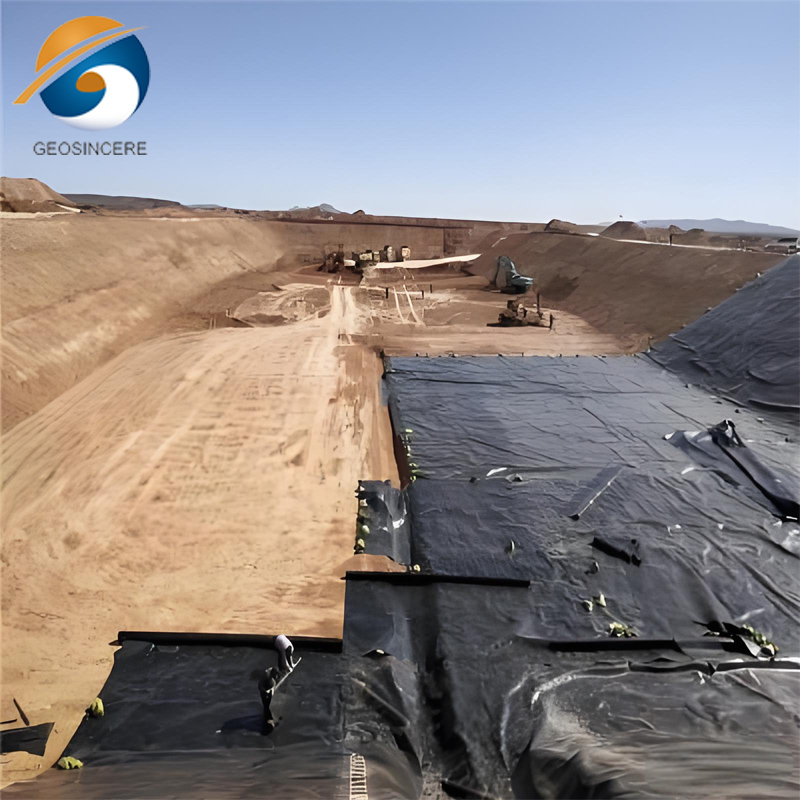
Geomembrane for Landfill
Barrier protection: The liner system formed by geomembranes traps hazardous materials. It protects groundwater, cuts soil pollution risks and safeguards public health and local ecosystems.
Strong environmental adaptability: The material withstands extreme weather, UV exposure and mechanical loads to maintain reliable long-term performance.
Flexible application: Custom sizes are available for different landfill layouts. It works well with other geosynthetic products to boost overall project performance.
Easy construction: Lightweight geomembranes simplify installation work, lowering labor expenses and shortening construction periods.
Regulatory compliance & sustainability: It helps landfill operators satisfy strict environmental waste management standards, improve operational efficiency and promote sustainable waste treatment.
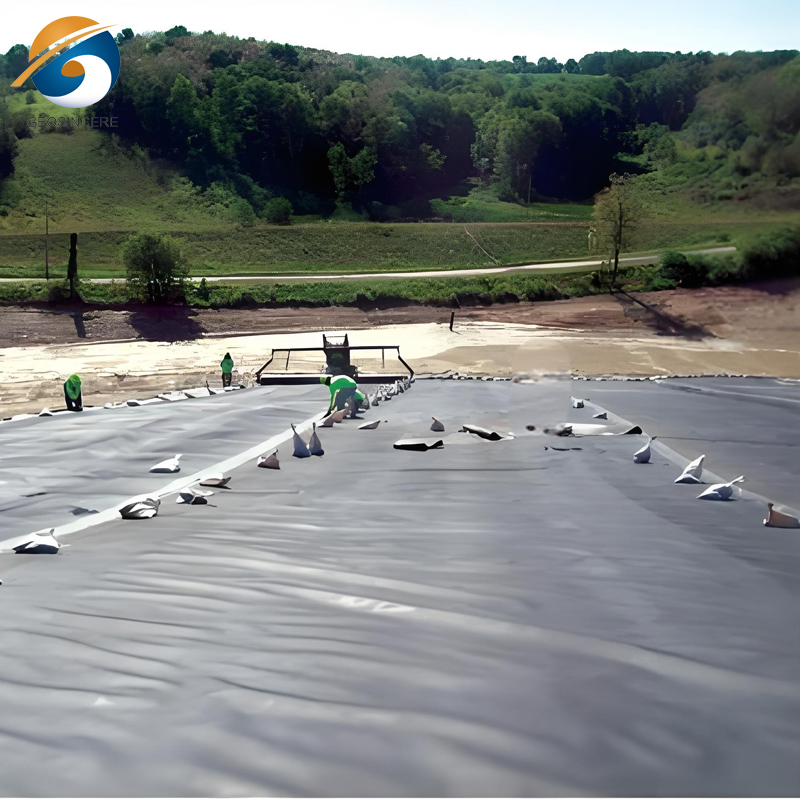
Geomembranes are essential components in modern landfill management, offering robust solutions for environmental protection and waste containment. These impermeable liners, typically made from high-density polyethylene (HDPE), are designed to effectively prevent the migration of leachate—a toxic byproduct of waste decomposition—into the surrounding soil and groundwater. The durability and chemical resistance of HDPE geomembranes make them particularly suitable for the harsh conditions found in landfills, where they are exposed to a variety of potentially harmful substances.
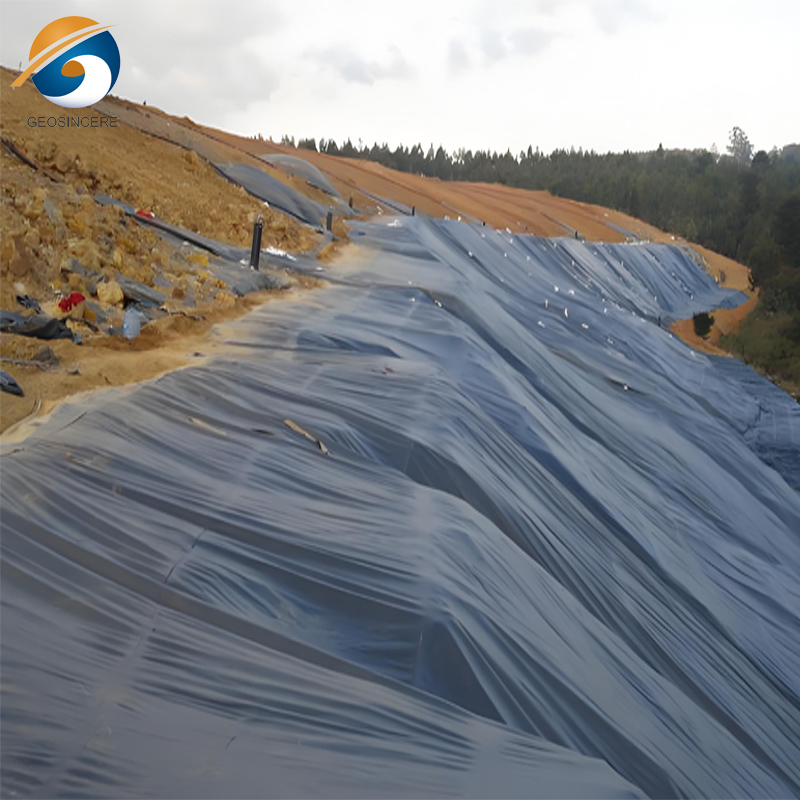
When installed as a liner at the base of a landfill, geomembranes create a secure barrier that not only mitigates the risk of contamination but also enhances the overall stability of the landfill structure. Their flexibility allows for easy installation over uneven terrain, ensuring a tight seal that minimizes the potential for leaks. Additionally, geomembranes can be employed in caps and covers to prevent rainwater infiltration, further reducing the volume of leachate generated.
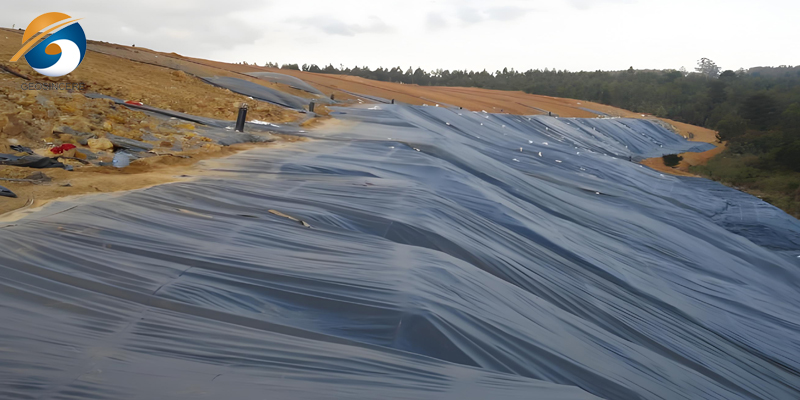
Parameter
ltem | Detailed item | Unit | Standard | Test Frequency | GS075 | GS010 | GS015 | GS020 | GS030 |
Mechanical Properties | Thickness | mm | D5199 | per roll | 0.75 | 1.00 | 1.50 | 2.00 | 3.00 |
Density | g/cc | D1505/D792 | 90.000kg | 0.94 | |||||
Tensile Properties | |||||||||
Yield Strength | KN/m | D6693 Type Iv | 9.000 kg | 11 | 15 | 22 | 29 | 44 | |
Break Strength | KN/m | 20 | 27 | 40 | 53 | 80 | |||
Yield Elongation | % | 12 | 12 | 12 | 12 | 12 | |||
Break Elongation | % | 700 | 700 | 700 | 700 | 700 | |||
Tear Resistance | N | D1004 | 20.000kg | 93 | 125 | 187 | 249 | 374 | |
Puncture Resistance | N | D4883 | 20.000kg | 240 | 320 | 480 | 640 | 960 | |
Stress Crack Resistance | Hr. | D5397 | per GRl GM-10 | 300 hr. | |||||
Carbon black content | % | D4218 | 9.000kg | 2.0-3.0% | |||||
Carbon black dispersion | D5596 | 20.000kg | For 10 different views: 9 in Categories 1 or 2 and 1 in Category 3 | ||||||
Reference Properties | Oxidative Induction Time | ||||||||
Standard OlT | min | D3895 | 90.000kg | 100 min | |||||
High pressure OlT
| D5885 | 90.000kg | 400 min | ||||||
Oven Aging at 85°C retained after 90 days
| % | D5721 | per each formulation | 55% | |||||
Standard OlT | D3895 | 80% | |||||||
High pressure OlT | D5885 | 80% | |||||||
UV Resistance | |||||||||
High Pressure OlT_% retained after 1600 hrs | % | D5885 | per each formulation | 50% | |||||
Roll Size | Roll widthe | m | 7 | 7 | 7 | 7 | 7 | ||
Roll Length | m | 280 | 210 | 140 | 105 | 70 | |||
Size stability | % | 2% | |||||||
Geomembrane for Landfill Features
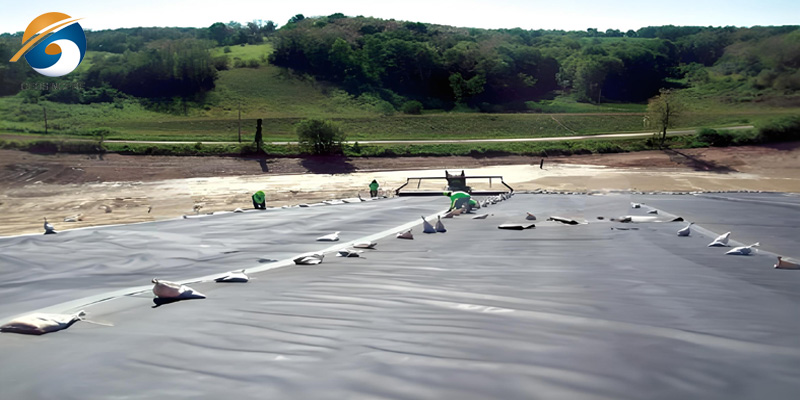
1. High Durability: Geomembranes are constructed from materials like high-density polyethylene (HDPE), which provide exceptional strength and resistance to punctures, tears, and environmental stressors. This durability ensures long-term performance even in harsh landfill conditions.
2. Chemical Resistance: Designed to withstand exposure to a wide range of chemicals, geomembranes effectively prevent the leaching of hazardous substances into the soil and groundwater, safeguarding the environment from contamination.
3. Impermeability: The primary function of geomembranes is to act as a barrier against liquids. Their impermeable nature prevents leachate from escaping, which is critical for maintaining the integrity of landfill sites and protecting surrounding ecosystems.
4. UV Resistance: Many geomembranes are treated to resist ultraviolet (UV) radiation, which helps prevent degradation over time when exposed to sunlight. This enhances their longevity and reliability in outdoor applications.
5. Flexibility: The flexible nature of geomembranes allows for easy installation over uneven or irregular surfaces, ensuring a tight fit and effective sealing. This adaptability is essential for various landfill configurations.
6. Lightweight: Geomembranes are relatively lightweight compared to other containment materials, making them easier to transport and install. This characteristic can significantly reduce labor and equipment costs during installation.
7. Easy Installation: With straightforward installation procedures, geomembranes can be quickly deployed, minimizing project timelines and reducing the overall cost of landfill construction and maintenance.
8. Environmental Compliance: Using geomembranes helps landfill operators adhere to environmental regulations and standards, promoting responsible waste management practices and contributing to sustainability efforts.
9. Versatile Applications: Geomembranes can be used in various landfill applications, including liners, caps, and covers, making them suitable for different types of waste management projects.
10. Cost-Effectiveness: While the upfront cost of geomembranes may be higher than some alternatives, their durability, reduced maintenance needs, and effectiveness in preventing contamination make them a cost-effective solution in the long run.
Applications of Geomembrane for Landfill
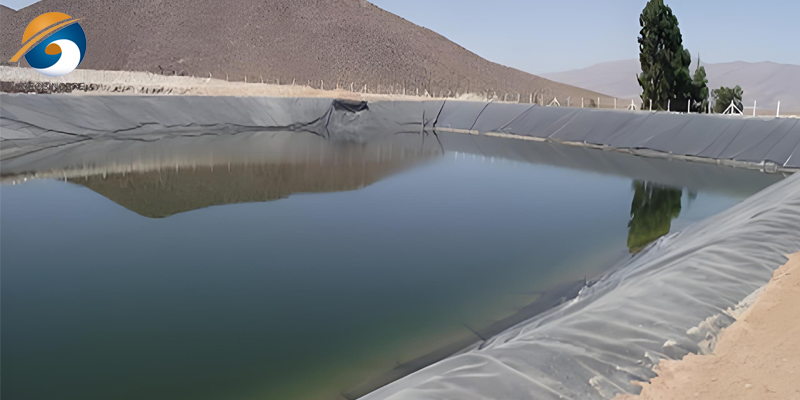
Landfill Liners:
Geomembranes are primarily used as liners at the base of landfills to prevent leachate from penetrating the underlying soil and groundwater. This application is critical for protecting the environment from contaminants released during waste decomposition.
Cap Systems:
Geomembranes are employed in cap systems to cover closed landfills, preventing rainwater infiltration and reducing the generation of leachate. These caps help control gas emissions and protect the landfill from erosion.
Leachate Collection Systems:
In conjunction with drainage layers, geomembranes facilitate the construction of leachate collection systems. They guide leachate to collection points, ensuring efficient removal and treatment of contaminated water.
Temporary Covers:
Geomembranes can be used as temporary covers during landfill operations to minimize odor, control dust, and prevent windblown debris while the landfill is being filled or constructed.
Waste Containment Structures:
In addition to traditional landfills, geomembranes are utilized in waste containment structures for hazardous waste disposal, providing an effective barrier against leachate and ensuring compliance with strict regulatory requirements.
Mining and Ore Processing:
Geomembranes are applied in mining operations to manage tailings and prevent contamination of nearby water sources. They are used in tailings storage facilities, heap leach pads, and other mining applications.
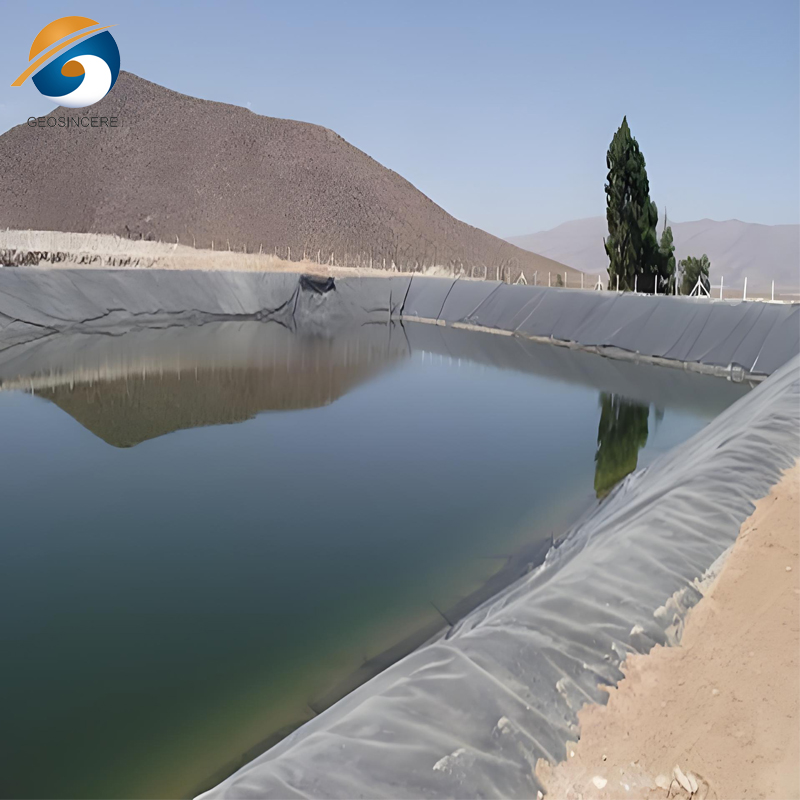
Pond and Lagoon Liners:
In areas adjacent to landfills, geomembranes can line ponds and lagoons to prevent contamination from landfill leachate or runoff, ensuring that these bodies of water remain safe and uncontaminated.
Stormwater Management:
Geomembranes can be integrated into stormwater management systems within landfill sites to control runoff and prevent the mixing of clean and contaminated water, thereby protecting water quality.
Gas Collection Systems:
In landfills that generate landfill gas, geomembranes can be used as part of gas collection systems to capture methane and other gases, allowing for safe extraction and utilization as an energy source.
Environmental Monitoring:
Geomembranes are also used in environmental monitoring applications, such as creating barriers for groundwater testing wells, ensuring accurate testing results by preventing contamination from surrounding areas.
Company Profile
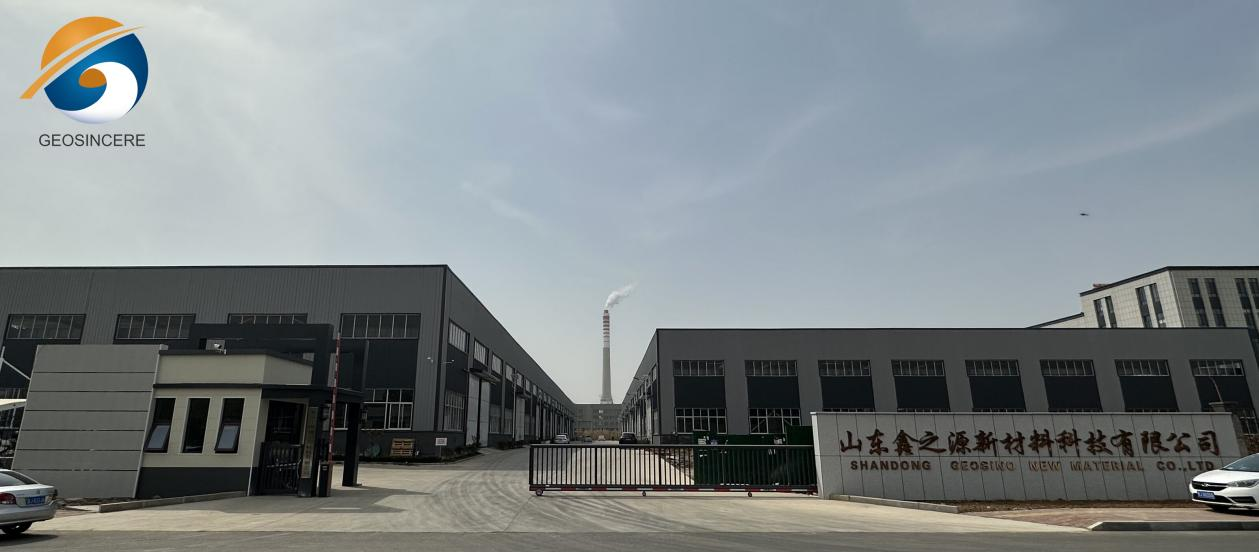
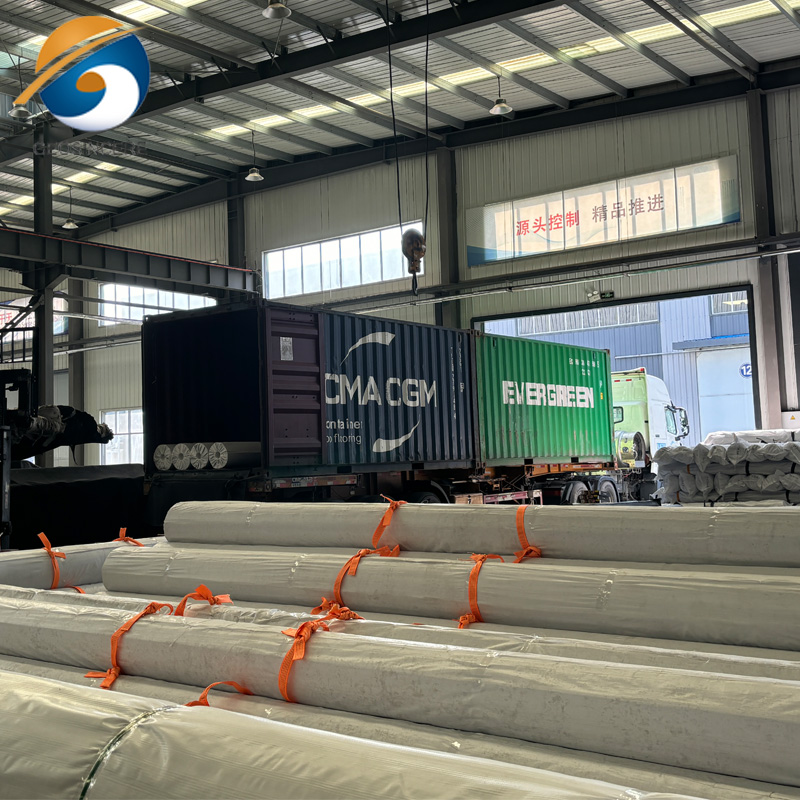
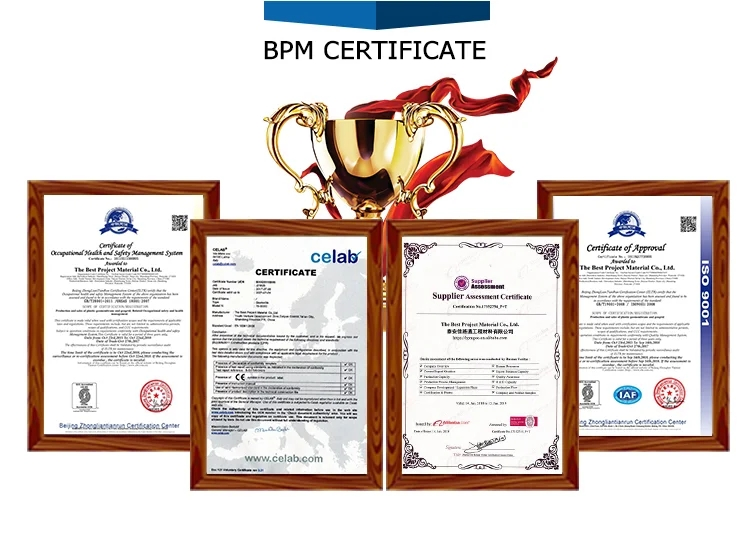
Geosincere has consistently focused on the R&D, manufacturing and supporting installation services of geomembranes. We continuously refine production processes and carry out strict quality control for every batch of goods. Our in-house testing laboratory conducts comprehensive performance inspections to guarantee stable and qualified geosynthetic materials. We supply a complete lineup of geomembranes and geotextiles, with custom parameter options to meet technical requirements of different projects.
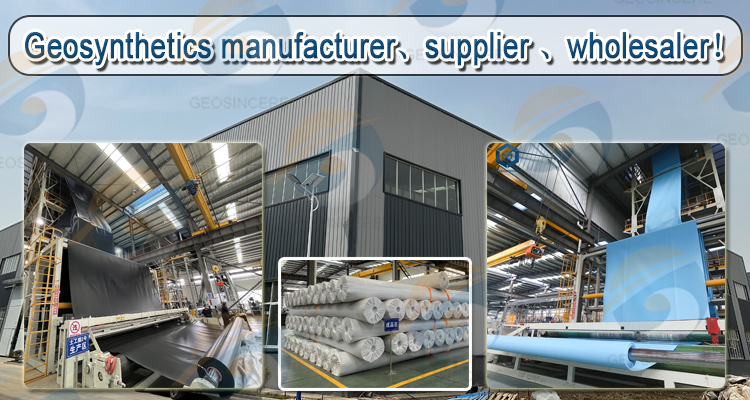
Our geosynthetic materials are widely adopted in civil, mining, environmental and aquaculture engineering sectors. With years of practical engineering experience, we also deliver professional technical consultation, including material selection and on-site construction guidance, to provide integrated geosynthetic solutions for global engineering clients.


Hope to be your partner!


