

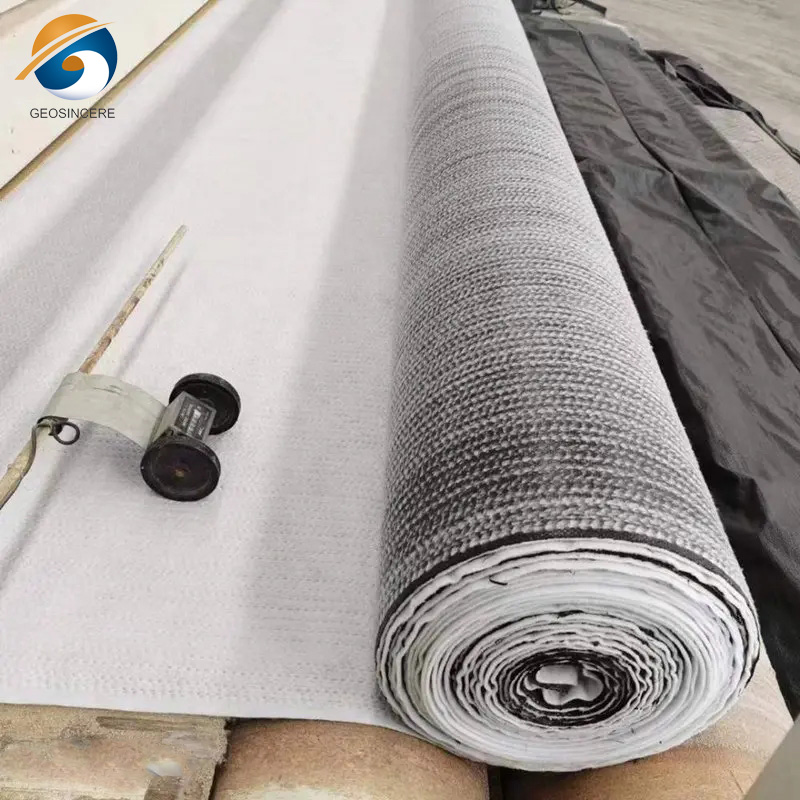
Geo Clay Liner
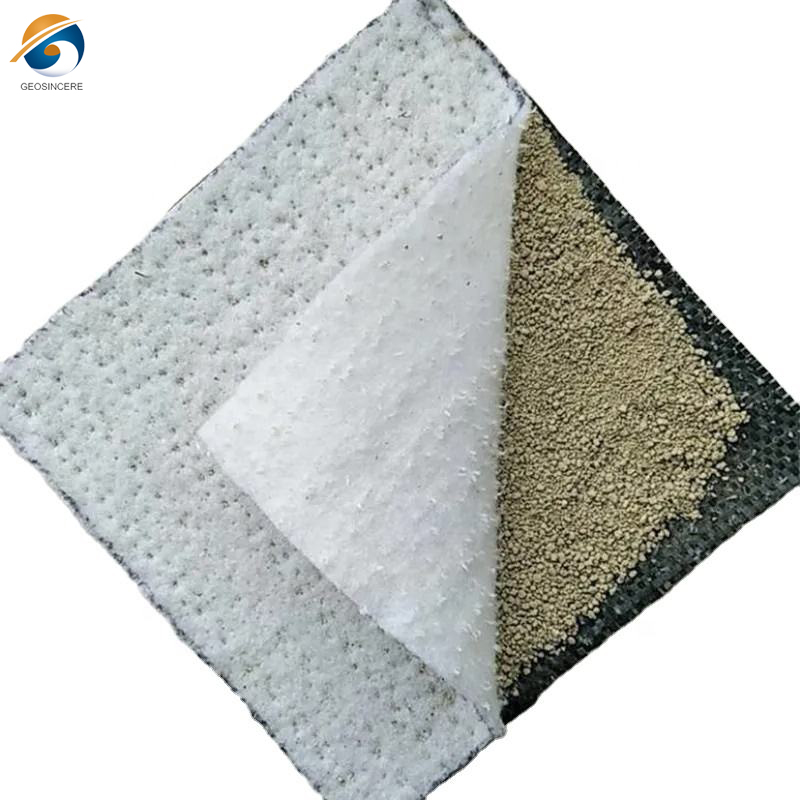
Composed of natural clay and polymers, the geo clay liner provides excellent waterproofing and environmental protection.
It swells on contact with water to form a tight, low-permeability seal against contaminant leakage.
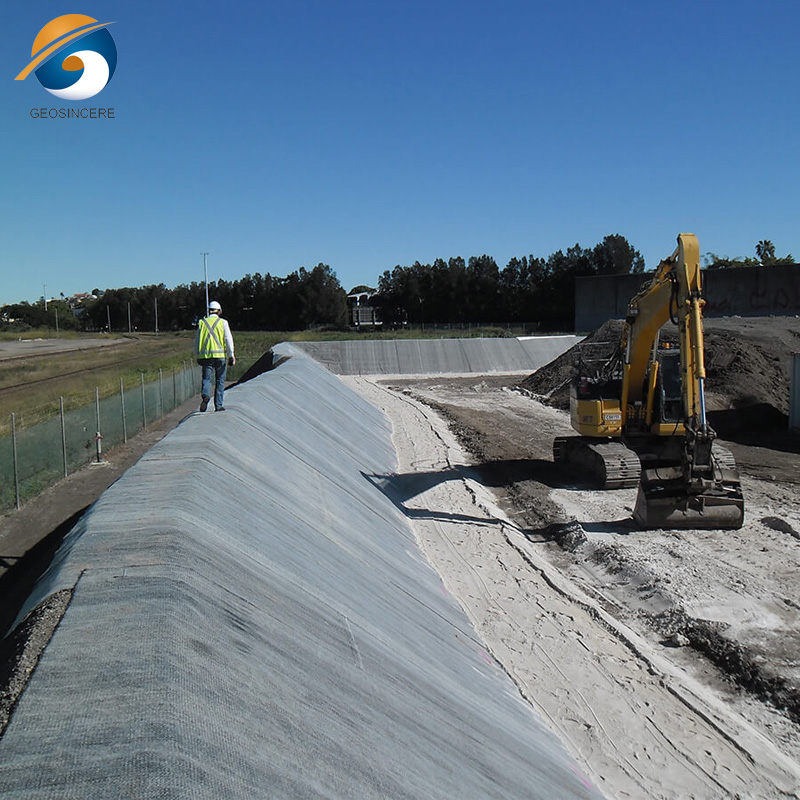
Effectively prevents pollutants from seeping into soil and groundwater for landfill and pond containment projects.
Lightweight and flexible, fitting uneven terrain and adapting to complex site conditions.
Easy installation requires fewer machines than traditional clay liners, saving time and cost.
Eco-friendly natural material minimizes hazardous waste impact on the ecosystem.
Geo Clay Liner is an innovative material commonly used for environmental protection and containment applications. Made from natural clay and reinforced with geosynthetic materials, it provides an effective barrier against water and contaminants. The primary function of Geo Clay Liner is to serve as a hydraulic barrier in landfills, ponds, and other containment structures, preventing the migration of leachate and groundwater contamination. Its unique composition allows it to swell and seal, enhancing its impermeability when in contact with water, making it particularly effective in various environmental conditions.
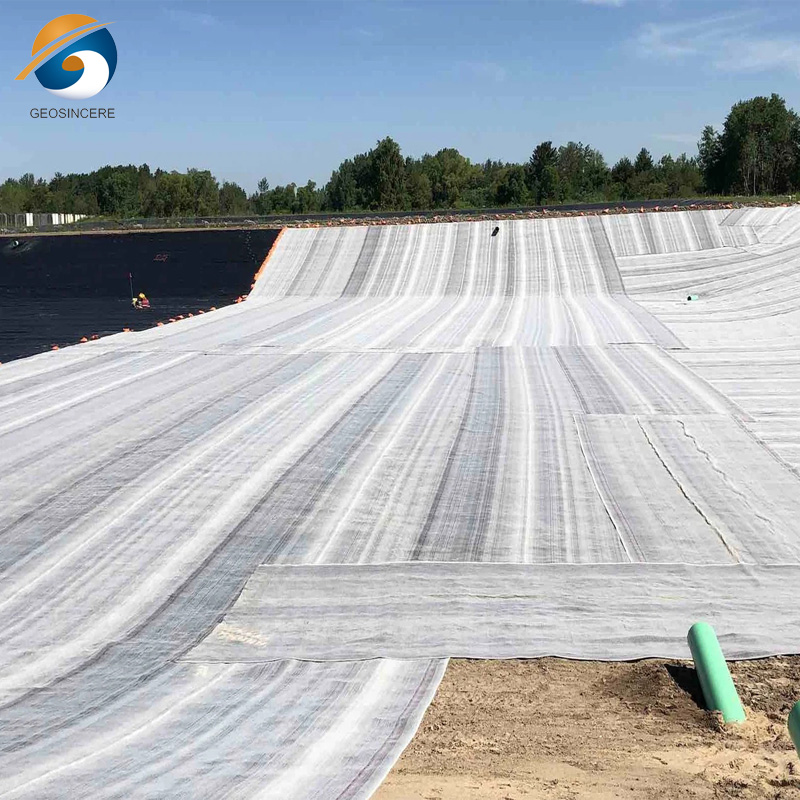
The installation of Geo Clay Liner is relatively straightforward, as it can be laid in sheets and secured to the substrate, providing a seamless barrier that minimizes the risk of leakage. Its lightweight nature also contributes to lower transportation and installation costs compared to traditional clay liners. Additionally, Geo Clay Liner is environmentally friendly, as it is made from natural materials and does not produce harmful byproducts during its lifecycle. This makes it an ideal choice for projects focused on sustainability and ecological preservation. Overall, Geo Clay Liner offers a reliable and cost-effective solution for effective containment and environmental protection in various applications.

Parameter
Properties | Unit | Test Method | Frequency | Value |
GCL Property | ||||
Bentonite mass per unit area | g/m2 | ASTM D 5993 | 4000m2 | 3600g/m2 MARV |
Tensile Strength | kN/m | ASTM D 6768 | 4000m2 | 6kN/m MARV |
Peel Strength | N | ASTM D 4632 | 4000m2 | 65N MARV |
Hydraulic conductivity | cm/s | ASTM D 5887 | periodically | 5x10⁻²cm/sec MARV |
Shear Strength | kPa | ASTM D 6243 | periodically | 24 kPa Typical |
Geotextitle Property | ||||
Cap nonwoven geotextile | g/m2 | ASTM D 5261 | 20,000m2 | 200 g/m2 MARV |
Cap woven geotextile | g/m2 | ASTM D 5261 | 20,000m2 | 200 g/m2 MARV |
Bentonite property | ||||
Swell index | Kg | ASTM D 5890 | 50,000Kg | 24mI/2g MARV |
Moisture content | % | ASTM D 4643 | 50,000Kg | 12% max |
Fluid loss | ml | ASTM D 5891 | 50,000Kg | 18ml max |
Roll Dimensions | ||||
Width*Length | m | Typical | each roll | 5.8×30 |
Area Per Roll | m2 | Typical | each roll | 174 |
Packaged Weight | kg | Typical | each roll | 935 |
20GP loading | roll | Typical | each roll | 20 |
20GP loading Note: 1. Variation allowed 2%. 2.GCL Unit weight can be 5000g/m2.5500g/m2 .6000g/m2 3.Nonwoven Geotextile can be PP or PET material. | ||||
Why Our GCL Outperforms Ordinary Clay Liners
Our sodium bentonite GCL is factory prefabricated for environmental containment projects, designed to solve the common defects of traditional compacted clay barriers, such as cracking, large occupation area and unstable on-site compaction quality. Different from generic low-grade bentonite products, our GCL features fixed high bentonite loading, stable hydraulic conductivity and excellent anti-aging performance, adapting to long-term underground immersion and complex geological settlement.
As a professional geosynthetic manufacturer, we strictly control bentonite purity and avoid impure calcium bentonite adulteration, ensuring consistent self-healing and anti-seepage performance in landfill, mining and water conservancy projects. Our GCL provides standardized, fast-installation, low-maintenance containment solutions for global engineering contractors.
Geo Clay Liner Features
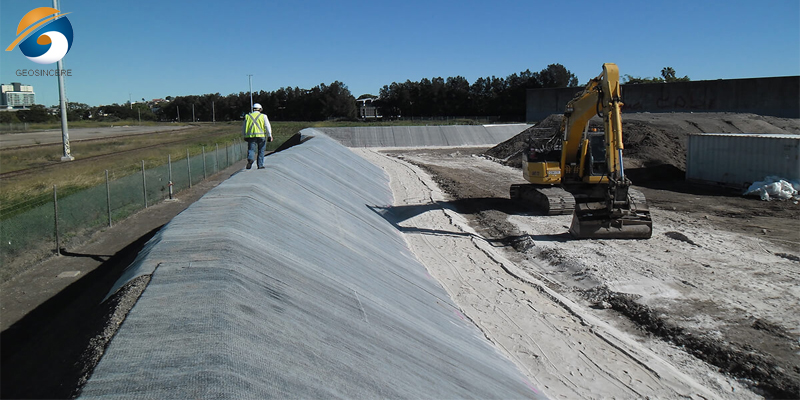
Hydraulic Barrier
The geosynthetic clay liner serves as a reliable hydraulic barrier to block water and contaminant migration. Its low hydraulic conductivity prevents leachate and pollutants from penetrating downward and protects native groundwater.
Swelling and Self-Healing Properties
This geo clay liner contains sodium bentonite. When exposed to water, the bentonite swells and forms a dense low-permeability layer. It delivers unique self-healing performance, sealing minor cracks caused by ground deformation and maintaining long-term sealing performance.
Lightweight and Simple Installation
The geosynthetic clay liner comes in prefabricated roll form. Compared with compacted clay liner, it greatly cuts transport difficulty. Simple laying work lowers site labor input and shortens construction schedules.
Environmentally Friendly
Manufactured from natural sodium bentonite and geotextile layers, the geo clay liner releases no toxic substances into soil or water. It fits sustainable containment and environmental remediation projects.
Long Term Durability
The geosynthetic clay liner resists temperature variation and moderate mechanical stress. With stable chemical properties underground, it maintains barrier performance for decades and minimizes replacement work.
Economic Advantage
Prefabricated roll structure removes the high expense of soil excavation, mixing and on-site compaction required for traditional clay liner, bringing obvious overall cost savings for containment projects.
Wide Application Versatility
Geo clay liner adapts to multiple containment scenarios, such as municipal landfill, tailings ponds, aquaculture ponds, brine pits and canal lining. It can work alone or form composite liner systems paired with HDPE geomembrane to satisfy different design requirements.
These features make Geo Clay Liner a reliable and efficient solution for environmental containment and protection, ensuring compliance with regulations and safeguarding natural resources.
Industry Application Matching Advantage
Our geosynthetic clay liner is not limited to basic landfill usage. It has targeted matching advantages for multiple high-demand industries:
Mining tailings pond: Resists weak acid and alkali water erosion, stable for long-term tailings stacking.
Salt industry brine pond: Adapt to high-salinity water environment, no failure caused by salt crystallization.
Water conservancy canal: Flexible fit for slope deformation, solves rigid lining cracking problems.
Municipal remediation: Perfect for contaminated soil closure and underground pollution isolation.
Aquaculture pond: Safe and non-toxic, maintains stable water seepage prevention.
Applications of Geo Clay Liner
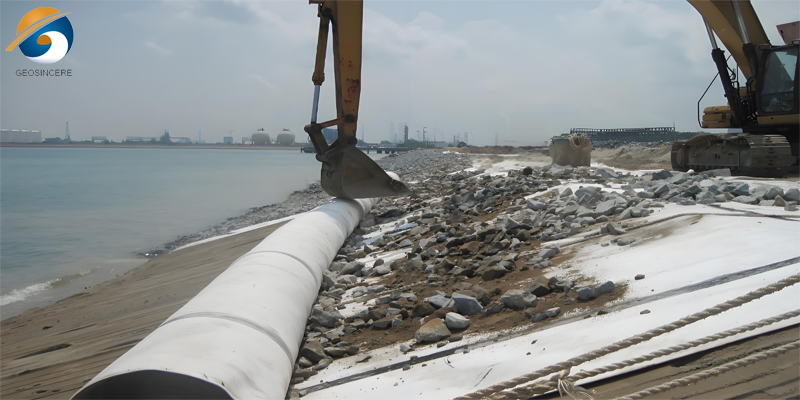
1. Landfill Lining: Geo Clay Liner is commonly used as a lining material in landfills to prevent leachate from contaminating groundwater. Its impermeability ensures that harmful substances are contained within the landfill site, protecting surrounding ecosystems.
2. Wastewater Treatment: In wastewater treatment facilities, Geo Clay Liner serves as a barrier to contain treated effluents and prevent seepage into the surrounding soil and groundwater, ensuring compliance with environmental regulations.
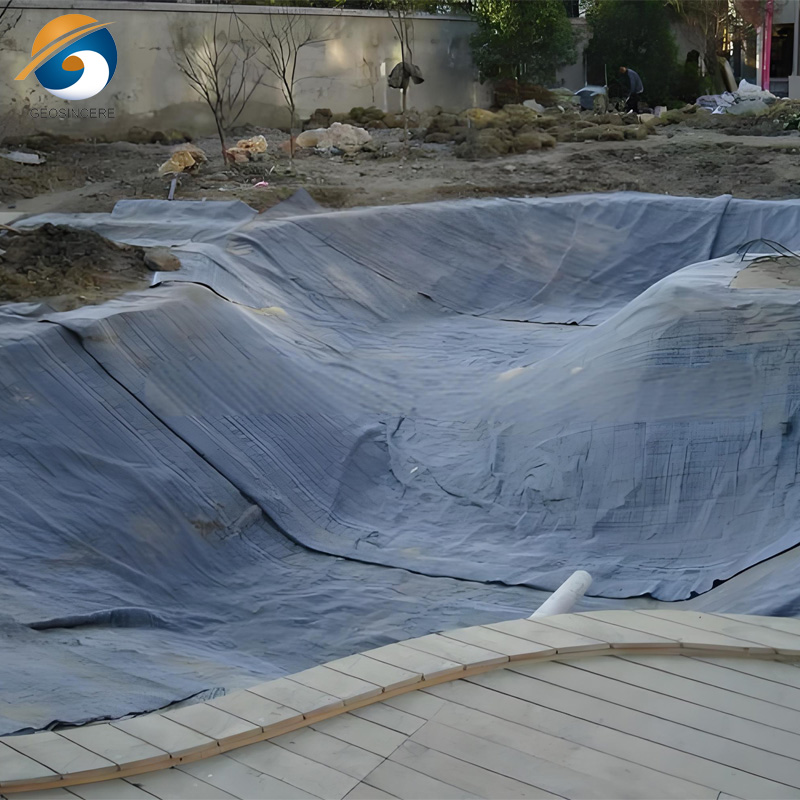
3. Retention Ponds: Geo Clay Liner is employed in the construction of retention and detention ponds, where it helps to retain stormwater and manage runoff. This application is crucial for flood control and preventing erosion.
4. Mining Operations: In the mining industry, Geo Clay Liner is used to contain process water and prevent contamination of surrounding land and water bodies. It is effective in managing tailings and other waste materials.
5. Agricultural Applications: Geo Clay Liner can be used in agricultural settings to create ponds for irrigation or livestock watering, ensuring that water is retained and preventing soil contamination from fertilizers and pesticides.
6. Reclamation Projects: In land reclamation efforts, Geo Clay Liner acts as a barrier to restore and protect disturbed lands, helping to prevent erosion and promote vegetation growth in previously contaminated or degraded areas.
7. Environmental Remediation: Geo Clay Liner is utilized in environmental remediation projects to contain hazardous waste and prevent the spread of contaminants during cleanup operations, contributing to safer and more effective remediation processes.
These applications highlight the versatility and effectiveness of Geo Clay Liner in various fields, supporting efforts to protect the environment and manage water resources effectively.
FAQ
Q1: What is the difference between sodium bentonite and calcium bentonite GCL?
A1: Sodium bentonite GCL features high expansion rate, strong self-healing ability and stable anti-seepage performance, which is the standard for engineering projects. Calcium bentonite GCL has poor swelling performance and is only suitable for temporary non-standard projects.
Q2: Why is GCL widely used for tailings pond anti-seepage?
A2: GCL has excellent chemical inertness, resisting weak acid, weak alkali and salt water corrosion. Its flexible structure adapts to tailings settlement, avoiding cracking leakage risks of rigid clay layers.
Q3: Is GCL necessary to use with geomembrane?
A3: For ordinary landscape and aquaculture ponds, GCL can be used alone. For landfill and hazardous waste projects, GCL and HDPE geomembrane composite liner is required to meet international environmental standards.
Q4: What weight GCL is suitable for landfill projects?
A4: Municipal landfill projects generally adopt 4500g to 6000g high-standard GCL, while general environmental greening projects can choose 3600g economical type.
Q5: Does GCL lose waterproof function after long-term underground burial?
A5: Qualified sodium bentonite GCL has ultra-stable physical and chemical properties, no aging or failure after long-term underground burial, and can maintain permanent anti-seepage effect.
Q6: Can GCL work in freezing and cold regions?
A6: Yes. Our GCL adapts to extreme low-temperature environments. The bentonite structure will not be damaged by freezing and thawing, and the anti-seepage performance remains intact after temperature recovery.
Q7: What are the advantages of GCL over geomembrane alone?
A7: GCL has unique self-healing property. Minor deformation and tiny cracks caused by ground settlement can be automatically repaired, which single geomembrane cannot achieve.
Q8: Is your GCL factory direct sales?
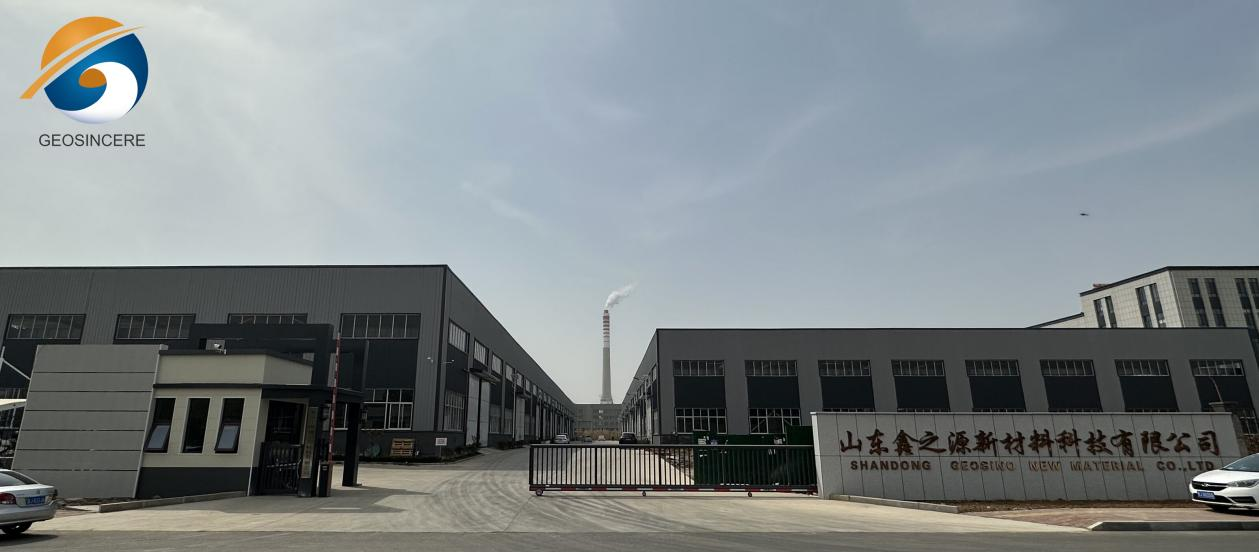
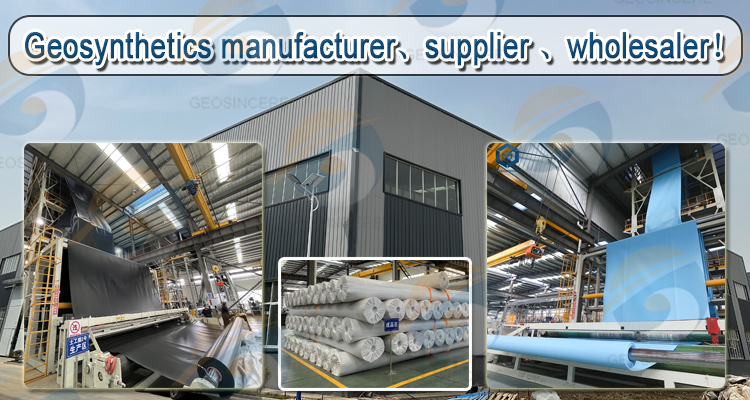
A8: Yes. We are a professional geosynthetic manufacturer without middlemen, providing stable quality and competitive ex-factory price for global clients.
Q9: Can you provide full set of test reports for international bidding?
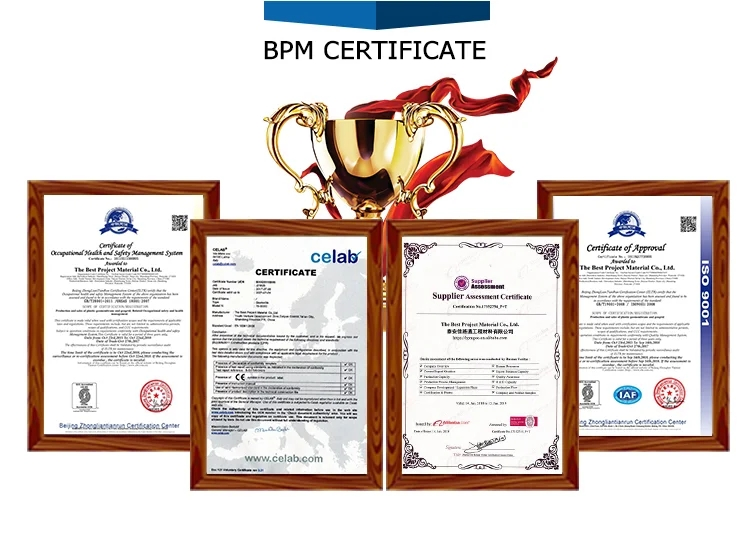
A9: We provide complete factory test reports, and support SGS, Intertek third-party inspection and customized bidding documents for overseas projects.
Q10: Is needle punched GCL better for engineering projects?
A10: Needle punched integrated GCL has higher structural strength, no bentonite leakage, stronger shear resistance, and is the first choice for all formal environmental protection projects.


Hope to be your partner!


