

The Ultimate Guide to HDPE Liner Price Factors
HDPE liners is among the most widely used geomembrane products in civil, environmental, and industrial engineering applications. From landfill containment systems, mining heap leach pads, water reservoirs, to canal lining, HDPE liners provide reliable impermeability and chemical resistance.
In the fast growing global construction and environmental protection industries, understanding the pricing mechanisms and market dynamics of HDPE liners is crucial for manufacturers, suppliers, engineers, and end users alike.In this article — written from the perspective of Geosino’s marketing and business development team — we explore:
- The key factors influencing HDPE liner prices
- The global and regional market trends
- Application specific pricing considerations
- Cost components from raw materials to logistics
- Market demand analysis and future outlook
- Practical advice for buyers to get the best value
Let’s begin.

1. What are HDPE Liner?
HDPE liners are geomembranes manufactured from highdensity polyethylene resin. They serve as synthetic impermeable barriers in various civil and environmental projects. The main characteristics that make HDPE liners preferred include:
- Excellent chemical resistance
- High tensile strength and durability
- UV resistance (when carbon black added)
- Low permeability
- Long service life (20+ years in many applications)
HDPE geomembrane is available in different thicknesses — commonly ranging from 0.5 mm to 3.0 mm (or 20 mil to 120 mil) — depending on project requirements.
As the market has matured, HDPE geomembrane liner have replaced traditional materials like clay, asphalt, and concrete in many containment applications.
2. Key Influencing Factors of HDPE Liner Price
Pricing of HDPE geomembranes is influenced by a complex set of variables. Understanding each of these helps buyers estimate realistic budgets and suppliers optimize offerings.Below are the core price drivers:
2.1 Raw Material Costs
HDPE geomembrane sheet is polymer based products. As such, the price of the basic resin — High Density Polyethylene (HDPE) — accounts for the majority of the total cost, typically 40%–70% of the finished product price.Two key raw material pricing influences:
2.1.1 Polymer Resin Type and Quality
Virgin HDPE resin with high melt index (MI) and high density commands a premium.
Additives such as carbon black (for UV protection), antioxidants, and processing aids also influence cost.
Higher grade resins improve performance (oxidation resistance, flexibility, weldability), but cost more.
2.1.2 Crude Oil and Energy Prices
Since HDPE is a petrochemical product, its price fluctuations correlate strongly with global crude oil and natural gas prices. When oil prices rise, resin prices typically increase — and vice versa.
Resin price volatility makes accurate pricing forecasting challenging.
2.2 Thickness and Size (Specification)
HDPE liner is sold by weight (kg/m² or g/m²) or roll size (width × length × thickness).
The thicker and heavier the liner:
The more material it requires
The higher the cost per square meter
For example:
Thickness (mm) | Approx. Weight (g/m²) | Estimated Price Index |
0.5 mm | 500 | Low |
1.0 mm | 1000 | Medium |
1.5 mm | 1500 | Higher |
2.0 mm | 2000 | Higher |
3.0 mm | 3000 | Premium |
Structural applications with heavy equipment or landfill leach pads may require thicker liners — increasing total project cost.
2.3 Manufacturing Technology and Quality Standards
Not all hdpe membrane is manufactured to the same standards. Quality certifications and production technology significantly influence price.
Key quality parameters that impact cost include:
Density and Melt Index (MI)
Carbon black content
Tensile strength
Elongation at break
Elmendorf Tear Resistance
Oxidative Induction Time (OIT for antioxidant performance)
Products meeting ASTM, GSI, ISO, EN, or GB/T standards are often priced higher due to superior mechanical and chemical properties.
2.4 Geographic Location and Logistics
Shipping heavy geomembrane rolls is expensive. Transport distance and country of origin affect landed cost significantly.Producers near major ports or raw material sources enjoy lower freight costs.Inland production incurs additional warehousing and trucking charges.Import duties and tariffs vary by region, affecting final pricing.
2.4.1 Example:
An end user in Brazil or South Africa might pay more than a US or EU buyer due to long freight routes and import duties.
Buyers in Southeast Asia may benefit from proximity to Chinese, Korean, or Taiwanese manufacturers.
2.5 Supplier Size and Brand Reputation
Big multinational manufacturers with established technology and quality control tend to price products at a premium compared to small local producers.
However, reputable brands also deliver:
Reliable performance
Better warranty and after sales support
Consistent quality
Worldwide supply chain and technical service
Smaller manufacturers may compete on lower price, but buyers must balance cost with risk.
2.6 Market Demand and Supply Cycles
HDPE liner pricing is influenced by seasonal demand and project activity:
Infrastructure booms and environmental regulations increase demand
Mining cycles heavily influence geomembrane markets
Economic downturns may reduce capacity utilization and lead to price softness
Market dynamics are cyclical and often tied to government spending and commodity markets.
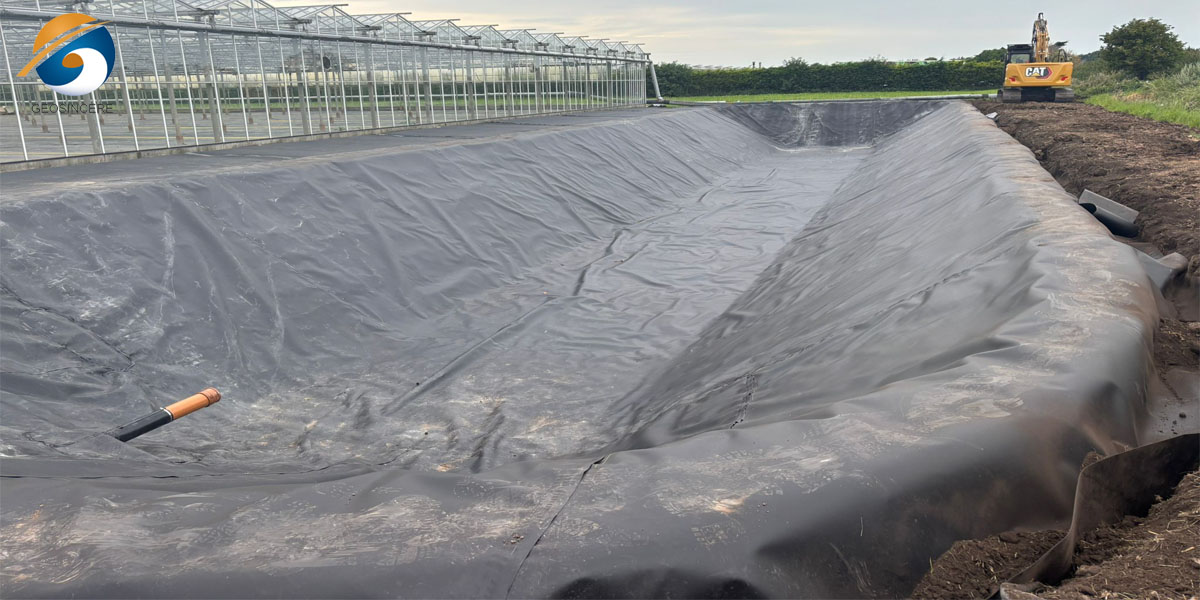
3. Cost Breakdown: What Makes Up the HDPE Liner Price?
3.1 Raw Material (Resin + Additives)
Raw materials represent the largest portion of HDPE liner cost. Pricing is closely linked to crude oil market fluctuations, as HDPE resin and functional additives such as carbon black and antioxidants are petroleum-based, directly impacting overall liner pricing.
3.2 Manufacturing Overhead
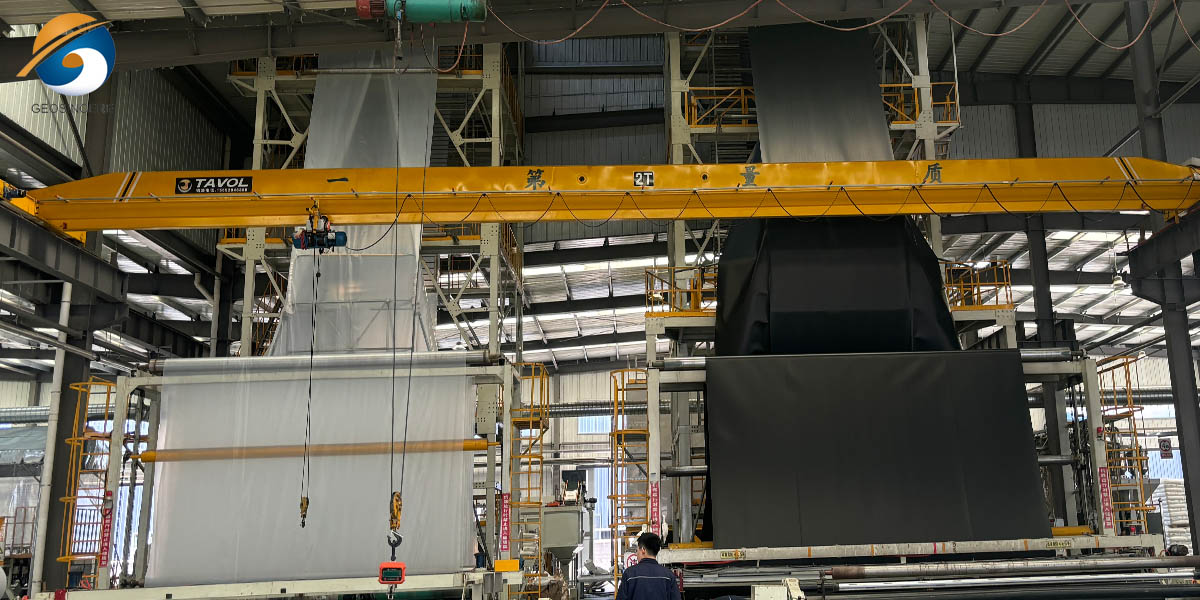
Manufacturing costs include extrusion line operation, energy consumption, skilled labor, and in-process quality inspections. Advanced production equipment and stable process control improve product consistency but also contribute to higher operational expenses.
3.3 Quality Control
Quality control covers third-party laboratory testing, certification compliance, and mechanical property verification. These measures ensure the hdpe geomembrane sheet meets international standards and project specifications, adding value but also increasing unit cost.
3.4 Logistics and Storage
Logistics costs include inbound transportation of raw resin, finished product warehousing, and domestic or international distribution. Factors such as shipping distance, fuel prices, and storage duration all influence the final delivered price.
3.5 Sales and Marketing
Sales-related costs involve the quotation process, technical consultation, documentation support, and after-sales service. Professional technical support and responsive customer service enhance buyer confidence but are reflected in pricing.
3.6 Profit Margin
Profit margins vary by manufacturer strategy and are influenced by brand positioning, market competition, and target customer segments. Understanding this element helps buyers assess whether a quoted price is reasonable and aligned with the supplier’s value proposition.
4. Regional Market HDPE Liner Price Differences
Global HDPE liner prices are never uniform. Let’s explore key regions:
4.1 North America (USA, Canada)
The US impermeable geomembrane market is mature, with strict regulatory standards.
Key characteristics:
Higher pricing due to quality standards (e.g., ASTM)
Large demand in landfill and mining sectors
Efficient logistics and local suppliers reduce freight
Buyers here typically pay for performance and compliance.
4.2 Europe
Europe also demands high technical specs:
EN and CE certification influence buyer expectations
Environmental projects and liner applications are large
Prices remain stable but tend to be premium
European supply chains are robust but production costs (labor, energy) are higher.
4.3 Asia Pacific
Asia has a diverse pricing landscape:
Chinese, Korean, Taiwanese manufacturers often lead on price competitiveness
Buyers see flexible pricing due to high production capacity
Market growth in infrastructure and environmental sectors
However, quality variability is wider — requiring more prequalification of suppliers.
4.4 Latin America
Latin America’s pricing is influenced by:
Import logistics costs
Mining and urban wastewater projects
Variable regulatory enforcement
Prices can vary significantly between countries like Brazil, Chile, or Mexico.
4.5 Middle East & Africa
Growing demand due to water scarcity solutions and mining
Infrastructure spending is increasing
Logistics can add significant cost
Local supply remains limited, driving reliance on imports.
5. Market Demand Analysis
5.1 Environmental Protection Drives Growth
Global environmental regulation and landfill closure mandates have accelerated HDPE liner demand:
- Municipal solid waste landfills
- Hazardous containment systems
- Wastewater treatment plants
Governments are tightening leakage control standards, boosting liner adoption.
5.2 Mining Sector Influence
Mining installations require liner systems for:
- Heap leach pads
- Tailings storage facilities
- Process ponds
Commodity price cycles impact mining investment and hdpe liner sheet demand. When metals prices are high, mining projects expand — increasing HDPE liner consumption.
5.3 Agriculture and Water Conservation
Irrigation reservoirs, fish farms, and water delivery canals contribute to demand:
- Water scarcity increases reliance on lined canals
- Agriculture modernization drives reservoir construction
- HDPE liners provide affordable long term waterproofing.
5.4 Infrastructure and Civil Works
Dams, tunnels, and waterproofing applications in civil infrastructure continue to require reliable geomembranes.
6. Trends Affecting HDPE Liner Price and Market
6.1 Sustainability and Recycling
The push for recycled impermeable geomembrane liner is rising, but challenges remain:
Recycled HDPE liner quality is lower if not properly processed
Buyers may accept recycled products in non critical containment
Some suppliers are investing in recycling technology — potentially lowering cost in the long term.
6.2 Digital Quotation Systems and E Commerce
Online pricing transparency enables buyers to compare faster:
Independent sellers list prices online
Customers expect immediate quotes and technical support
This transparency pressures suppliers to compete on both price and service.
6.3 Technological Upgrades in Production
Advanced extrusion technology increases consistency and reduces defects — but adds production cost.
Higher automation means:
Lower operating cost over time
Better product uniformity
Higher initial investment
7. Typical HDPE Liner Price Range
While prices fluctuate, below are rough global market price ranges per square meter as of current industry trends (reference only; actual may vary by region, specification, quantity):
Thickness | Approx. Price Range (USD/m²) |
0.75 mm | $0.70 – $1.20 |
1.00 mm | $1.00 – $1.70 |
1.5 mm | $1.50 – $2.70 |
2.00 mm | $2.30 – $3.90 |
3.00 mm | $3.50 – $6.00 |
Note: Bulk volume orders, longterm supply agreements, and local pricing can significantly adjust these figures.
8. How to Evaluate HDPE Liner Price Quotes?
8.1 What’s Included in the Quotation?
When reviewing hdpe dam liners quotes, clearly confirm what is included in the price. This should cover the product cost itself, delivery terms (to port or directly to the project site), packing and handling charges, as well as any applicable taxes, duties, or customs fees to avoid hidden costs later.
8.2 Material Specifications and Compliance
Carefully compare material specifications between suppliers, including compliance with ASTM or ISO standards, carbon black content percentage, OIT (Oxidative Induction Time) performance, and key mechanical properties such as tensile strength and elongation to ensure consistent quality and long-term performance.
8.3 Technical Support and After-Sales Service
Evaluate the level of technical support offered, such as on-site installation assistance, geomembrane welding supervision, and warranty coverage. Strong technical support reduces installation risks and helps ensure project success.
8.4 Delivery Time and Lead Time Reliability
Delivery schedules are critical for project planning. Suppliers with quick turnaround times help reduce construction delays, while long or uncertain lead times can increase indirect costs and disrupt overall project timelines.
9. Tips to Optimize HDPE Liner Price
- Buy in Volume
Larger orders often reduce per unit cost.
- Negotiate Long Term Contract
Multi year agreements with suppliers can lock in favorable pricing.
- Consolidate Shipments
Avoid multiple partial shipments to save on freight.
- Localize Supply
Work with regional distributors to reduce logistics cost.
- Confirm Quality Upfront
Poor quality may cost more in repairs and warranty claims.
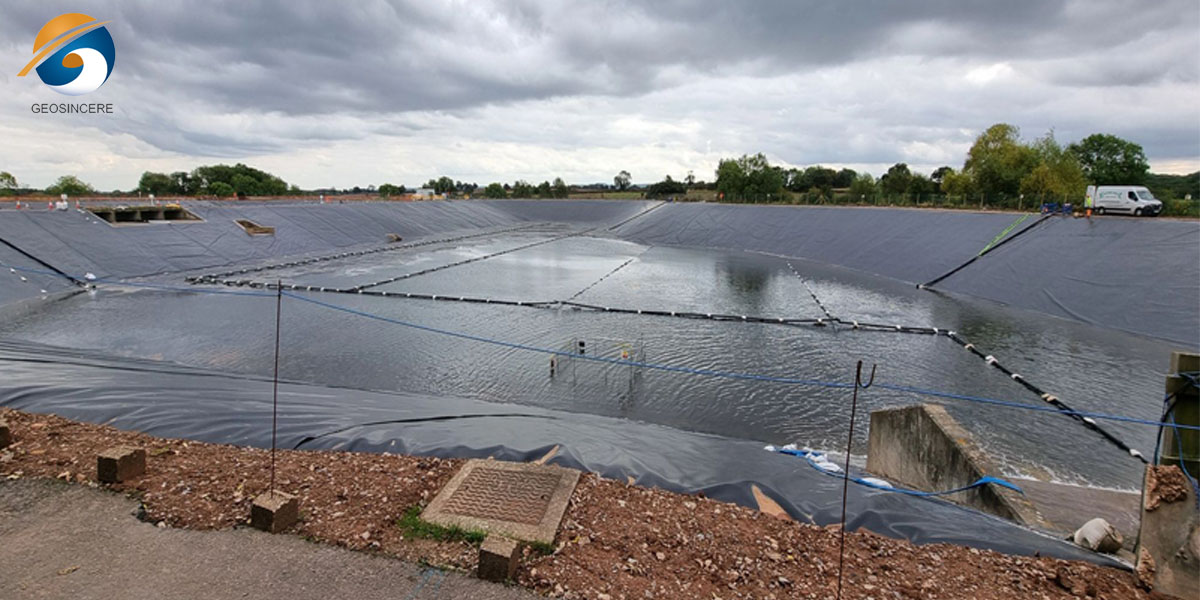
10. GEOSINCERE Geosynthetics’s Positioning in the HDPE Liner Price Market
As a trusted supplier and expert in geomembrane solutions, Geosino offers:
- Professional consultation and specification support
- Competitive pricing without sacrificing quality
- Full compliance with international standards (ASTM, ISO, GRI)
- Reliable logistics and timely delivery
- After sales and technical project support
GEOSINCERE Geosynthetics’s mission is to help clients balance cost with durability and performance — ensuring safe, compliant, and long lasting containment systems globally.
Conclusion
HDPE liner prices are influenced by raw materials, specifications, quality standards, logistics, and market demand. Buyers should balance cost and performance based on project needs. For reliable quality, competitive pricing, and professional technical support, Shandong Geosino New Material Co., Ltd. (GEOSINCERE Geosynthetics) is a trusted choice from quotation to project delivery.


