Why Choose High Density Polyethylene Liner?
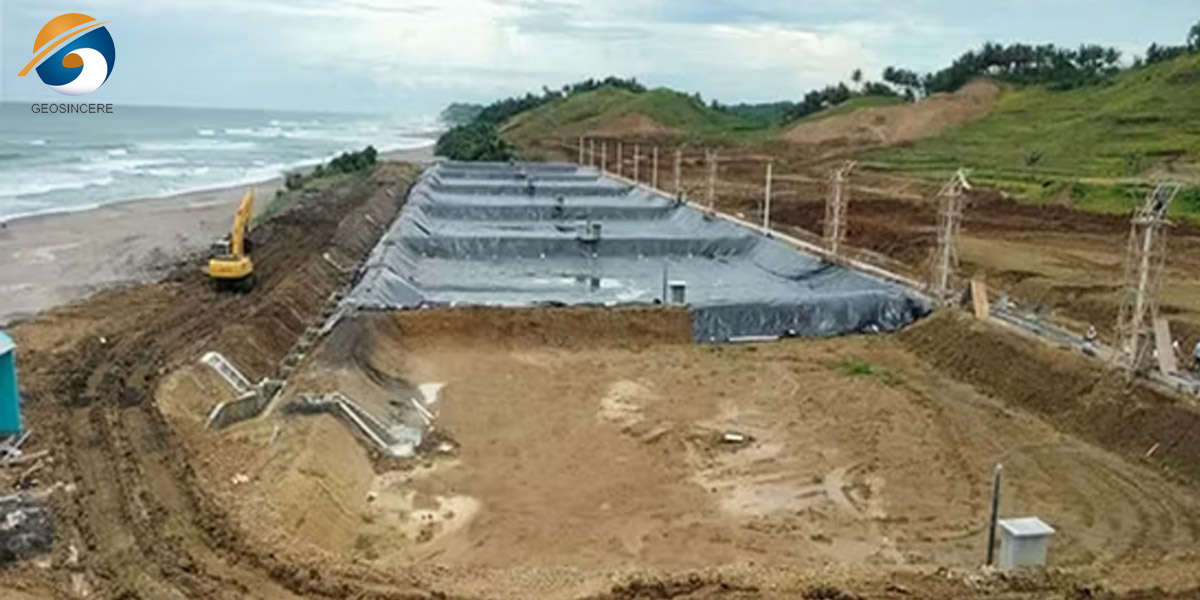
Within the complex field of civil engineering, environmental protection industries, and industrial containment, few materials can compare to high density polyethylene liner in terms of fundamental importance, and versatility. This geomembrane, which is engineered and is the result of advanced polymer science, is recognized worldwide for setting the standard when it comes to creating impermeable barriers. HDPE liner, which are quiet and rugged, trace their roots from groundwater protection against landfill leachate to covering of huge water reservoirs and similar usages. In this piece, the reader will be left with no doubt about the components, qualities, production, and the wide spectrum of applications of HDPE liners as we also find out why this product is the preferred choice in the most challenging containment problems on earth.
1. Material Chemistry: High Density Polyethylene
High Density Polyethylene is a thermoplastic polymer that is made from petroleum. Its "high density" (generally 0.941-0.965 g/cm³) is due to the very few branches in its molecular chains. This almost straight chain molecular structure permits molecules to align very closely during crystallization, thus giving a material that has much better strength, stiffness, and chemical resistance than other low and medium-density polymers.
The resin that the manufacturers use for the high density polyethylene liner is not a common HDPE; it is a specifically engineered quality which comprises about 97-98% polyethylene, 2-3% carbon black (to provide UV resistance), and very little amounts of antioxidants and thermal stabilizers. Carbon black is the one that will save the polymer chains from UV radiation degradation, thus a period of exposure in the liner's life long enough to be of years instead of just decades. Such additives are so carefully mixed in that homogeneity is guaranteed, which is the key to the consistent performance of the whole tensioned sheet of the geomembrane liner.
2. Features and Benefits of High Density Polyethylene Liner
The massive use of HDPE geomembrane can be explained by the fact that it has a great level of elevated technically engineered features, which include:
2.1 Very Low Permeability
The mass density of HDPE leads to the production of films with extremely low water evaporation rates, and consequently, the effective capability of a hydraulic barrier. The hydraulic permeability coefficient is extremely low (normally < 1 x 10⁻¹³ cm/s), which practically gives the geomembrane material the status of impermeability to liquids and gases for engineering test purposes.
2.2 Outstanding Chemical Resistance
Through experimentation, HDPE has been found to have intrinsic chemical resistance to a variety of chemicals such as strong acids, alkalis, and salts. Thus if you want to line a landfill (the one which will contain aggressive leachate), install an industrial evaporation pond or set up a secondary containment system to store fuel and chemicals, HDPE will be ideal. Nevertheless, this high density polyethylene pond liner material is not resistant to concentrated oxidizing acids and some chlorinated solvents which means that a chemical compatibility check will be necessary if some specific chemicals are to be involved in a project.
2.3 Mechanical strength and longevity of High Density Polyethylene Liner
Apart from the yield and breaking tensile strength that can be expected from high density polyethylene geomembrane in the machine and cross-machine directions, the overall mechanical strength of the materials is very robust. Installation stresses, subgrade settlements, and the hydrostatic pressure of liquids in the containment will not be problems that these materials cannot handle, basically because of their excellent mechanical properties.
2.4 Significantly reduced susceptibility to stress cracking (SCR) of the High Density Polyethylene Liner
Besides that, stress crack resistance tests are usually carried out on the hdpe geomembrane liner material by the ASTM method D5397 since it must pass a minimum 500-hour test limit before the producer will fully warrant their products in a specification. The reason why the modern resin composition and the methods of manufacture are aimed at achieving the maximum possible level of stress crack resistance is that the latter is down to the phenomenon of a material cracking under tensile stress in the presence of an agent such as a surfactant.
2.5 Resistance to UV and Weather
In this case, carbon black, already distributed in the hdpe liner material, essentially acts as a sunscreen for it and so prevents a reduction in mechanical properties such as embrittlement and loss.
2.6 Flexibility at Low Temperatures
Even at very low temperatures, HDPE keeps its flexibility and does not lose its characteristics, so it can be safely used in different weather conditions.
2.7 Cost-Effectiveness
HDPE is not initially the least expensive hdpe geomembrane sheet liner material, but its toughness, long service life (usually designed for over 50 years), and minimal maintenance needs provide great life cycle cost savings.
3. Manufacturing and Form: From Resin to High Density Polyethylene Liner
HDPE liners are mainly made by extrusion. The two most common methods are:
3.1 Blown Film Extrusion
Resin pellets are heated and extruded through a round die that forms a continuous tube. The tube is blown up with air to stretch it into a thin, wide bubble, which is then cooled and flattened into a sheet. This technique can yield very wide hdpe membrane sheet (up to 9m or more), thus reducing the number of field seams.
3.2 Flat Die (Cast) Extrusion
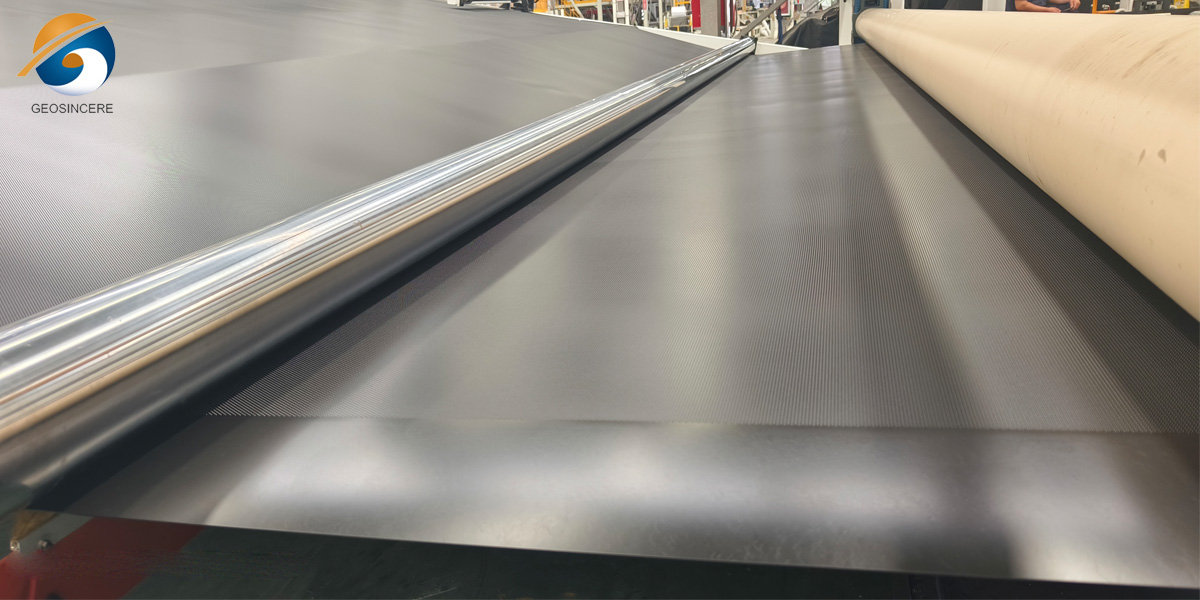
The molten polymer is pushed through a straight, narrow slit die and onto a big cooling roller. This method makes it possible to have very precise thickness control and is typically used for textured liners. These hdpe geomembrane pond liner can have either smooth or textured surfaces. Texture geomembran liners (usually made by co-extrusion or impingement) offer better interface friction to soils and geosynthetics which results in increased stability of slopes in landfill caps and steep reservoir walls. HDPE polyethylene geomembrane is a very common liner material and its thickness can go from 0.75 mm (30 mil) to 3.0 mm (120 mil). The selection depends on the structural requirements of the project, the conditions of the subgrade, and the material to be contained.
4. High Density Polyethylene Liner Primary Applications: A Shield for the Environment and Infrastructure
High Density Polyethylene Liner can be used for a broad range of important purposes:
4.1 Environmental Containment:
4.1.1 Landfills (Solid Waste and Hazardous)
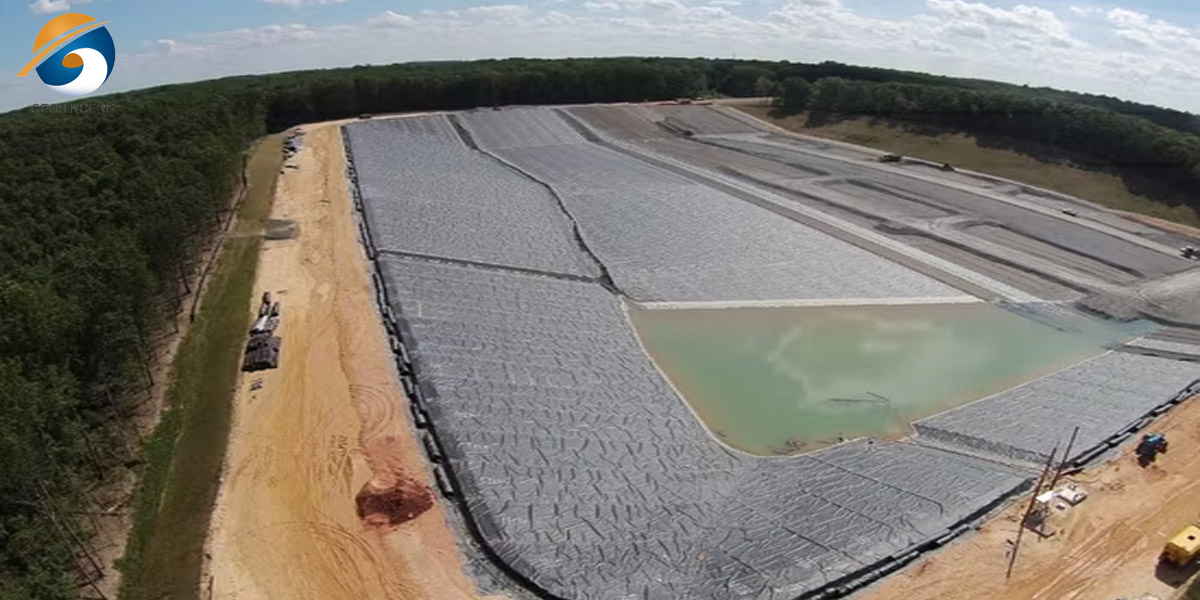
One of the most important usages is here. High density polyethylene hdpe liners are used in the composite base liner system as well as the final caps which help in isolating the leachate from groundwater and controlling landfill gas. Hence, high density pond liner is the fundamental elements of modern "dry tomb" landfill technology.
4.1.2 Wastewater and Lagoon Liners
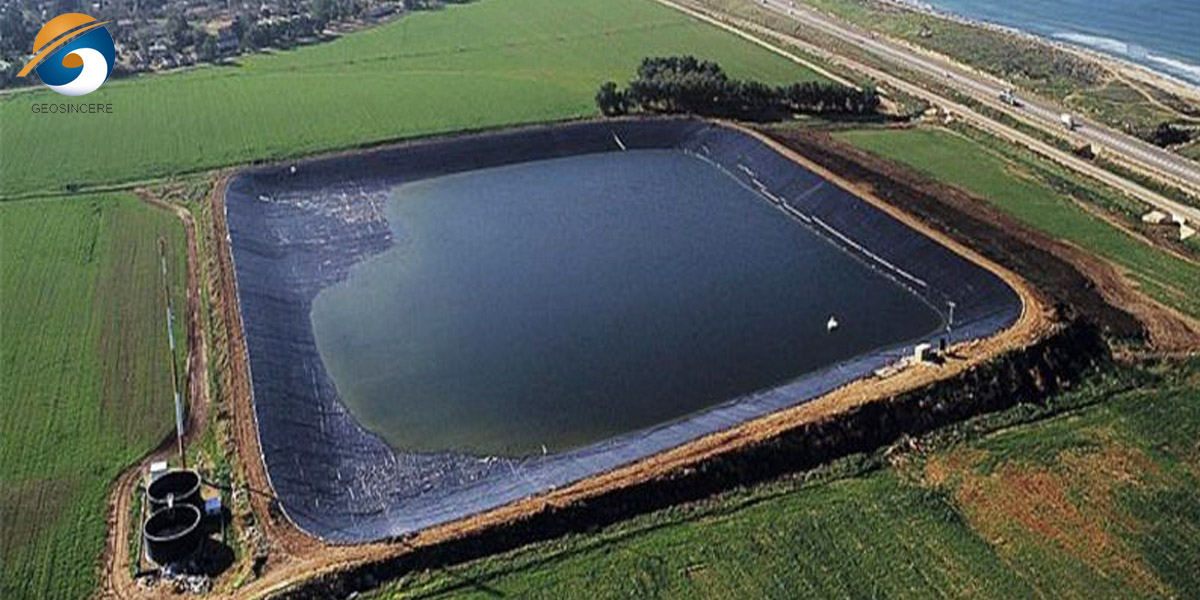
To prevent seepage water from entering into the farmland, these liners are used for treatment ponds, anaerobic digesters, and agricultural waste lagoons.
4.1.3 Heap Leach Pads
At mining operations, the hdpe geo membrane is there to hold the chemicals which are utilized for the extraction of metals from the ores thus protecting the surrounding environment.
4.2 Water & Hydraulic Applications:
4.2.1 Potable Water Reservoirs
Deposits of potable water basin can be lined to stop the loss of water through the ground and at the same time protect the water from being contaminated by the nearby soil.
4.2.2 Irrigation Canals and Ponds
The water brought to the crops will not be wasted if the irrigation canals and ponds are lined with this material.
4.2.3 Decorative and Fire Protection Ponds.
4.3 Industrial & Civil Applications:
4.3.1 Secondary Containment
For bunding areas adjacent to the storage tanks of fuel, chemical plants, and processing facilities, it is necessary to have such containment so that in case of spills, it does not spread.
4.3.2 Tunnel and Civil Works
This geomembrane liner is serving as a barrier against water in a wide range of civil infrastructures such as tunnels, under roadways and even in plaza decks.
4.3.3 Aquaculture
This method consists of putting the lining in fish and shrimp farming ponds; such a system allows controlling the environment as well as preventing the spread of diseases from the soil to the animals.
5. High Density Polyethylene Liner Installation, Seaming, and Quality Assurance
The effectiveness of an HDPE liner depends largely on how it is installed. Some of the necessary steps are:
5.1 Subgrade Preparation
It is necessary to have a clean and level base without any sharp object and debris that could damage the liner during installation.
5.2 Panel Deployment
Geomembrane in large rolls is unrolled and set in place according to engineered plans,normally with the roll direction down the slope to help minimize the number of transverse seams.
5.3 Seaming (Most Critical Operation)
It is very important to make the seams sturdy and unbroken to
the greatest length possible. There are mainly two ways to do this:
5.4 Fusion Welding (Dual Hot Wedge)
A heated wedge separates two sheets held with an overlap before the sheets are pressed together by rollers. As a result, two parallel seams with an air channel for non-destructive testing are formed.
5.5 Extrusion Welding
A molten HDPE strand is forced over the edge of two overlapped sheets, or into a lap-gap configuration, bonding them. It is usually the
method used for patches, details and repairs.
5.6 Quality Control
Seams are tested individually.Non-Destructive Testing (NDT) for the dual-weld channel includes air pressure and for extrusion welds vacuum box testing. Destructive Testing includes shear and peel tests which are carried out on field seam samples removed from the site.
6. High Density Polyethylene Liner Challenges and Considerations
HDPE advantages not withstanding, it still has some disadvantages. The dimension changes with changes in temperature; therefore, the design should take into consideration stress due to temperature changes. The material may suffer from stress cracking when the resin
quality is not good or when the substrate is not level thus creating point loads. Also, it is necessary to check the compatibility of chemicals since, unlike some other materials, it is highly resistant to chemicals. In addition, the achievement of the liner is completely reliant on the stringent quality control not only at the manufacturing
level but even more so at installation and field seaming levels.
Choose a reliable supplier to quote price for you:
Shandong Geosino New Material Co., Ltd. (GEOSINCERE Geosynthetics) has been continually investing in technological innovation, manufacturing facilities improvement and turnkey engineering abilities. We invested ten million dollars in our manufacturing factory which is fitted with state-of-the-art automatic production lines to manufacture high-quality HDPE geomembranes and other geosynthetics with optimized processes. Our vast range of geosynthetic products is very famous for assured quality, high performance, great durability, and the best cost-effectiveness.
GEOSINCERE Geosynthetics brand HDPE geomembrane and other geosynthetic products and solutions are capable of meeting your needs through their solid technologies, innovative engineering solutions and great customer services. With our innovative and high-performance geosynthetic products,GEOSINCERE Geosynthetics brand is willing to take on your toughest mine,environmental and civil engineering challenges. Quality assurance, factory price, and fast delivery are our competitive advantages.