

What is Geotextile for Slope Stabilization?
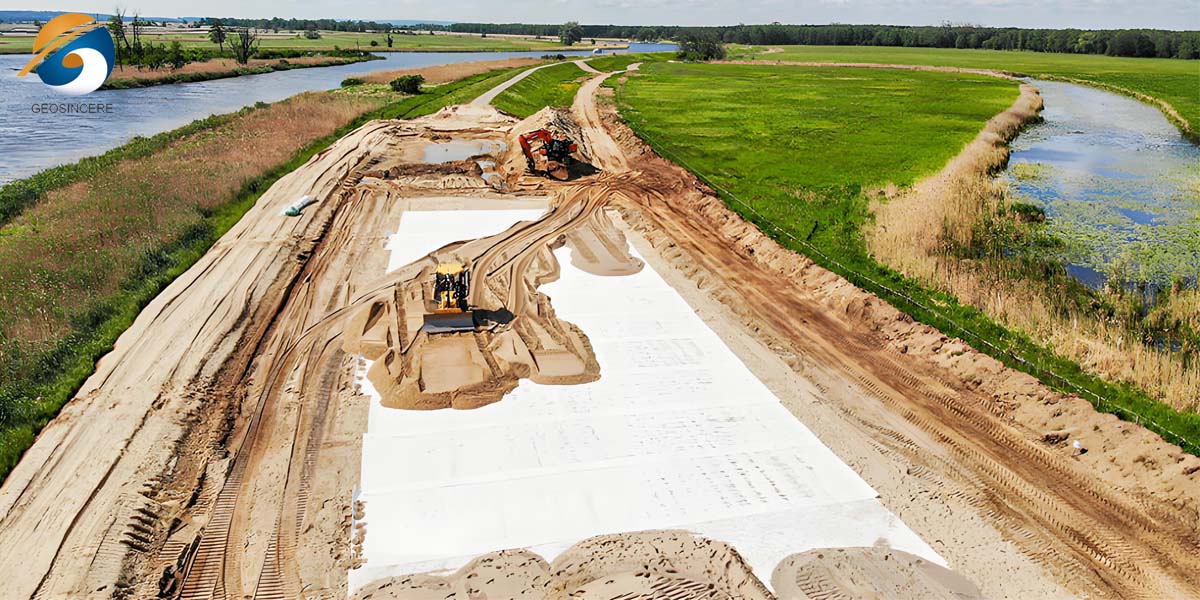
Slope stability is a fundamental concern in civil engineering, geotechnical engineering, and environmental management. Unstable slopes pose significant risks, including landslides, soil erosion, property damage, and loss of life. The causes of slope failure are varied, ranging from geological factors and hydrological conditions to human activities like construction and deforestation. For centuries, engineers have sought effective methods to reinforce and protect vulnerable slopes. In the modern era, one of the most versatile and widely adopted solutions is the use of geotextile fabric. These synthetic fabrics have revolutionized slope stabilization by providing a cost-effective, durable, and engineered approach to managing soil behavior. This article explores the critical role of geotextile in slope stabilization, detailing their functions, types, installation processes, and the overarching benefits they offer.This geotextile cloth is going to provide separation, filtration, and drainage when installed.Non woven geotextile fabric is made of polypropylene fibers that are randomly connected through a network. These fibers are small components of the network creating a felt-like feel to it.
1. What is Geotextile for Slope Stabilization?
Geotextile for slope stabilization is permeable fabrics made from synthetic polymers, most commonly polypropylene or polyester. They are designed to interact with soil, rock, and other geotechnical materials to provide specific engineering functions. Unlike natural materials such as jute or coir (though these are also used in some eco-friendly applications), synthetic geotextiles are manufactured for high tensile strength, durability, and resistance to biological and chemical degradation. Their primary functions in slope stabilization can be categorized into four key areas: separation, filtration, drainage, and reinforcement.Non woven geotextiles are usually made using synthetic materials such as polyester or polypropylene and they are permeable. They are best used in projects that require protection, filtration, separation, and drainage. However, they are not as strong as woven geotextiles.
2. Key Functions of Geotextile for Slope Stabilization
2.1 Separation
The separation function is fundamental to preserving the integrity of different soil layers. On a slope, a soft subgrade soil can become mixed with a stronger, more granular fill material (like gravel) placed atop it. This intermixing, often caused by repeated loading from traffic or water infiltration, weakens both layers and can lead to slope failure. A fabric geotextile placed between the subgrade and the fill material acts as a barrier, preventing them from mixing. By maintaining the distinct properties and strength of each layer, the geotextile membrane ensures the stability and long-term performance of the slope structure.
2.2 Filtration
Filtration is crucial for managing water within a slope, which is a primary trigger for instability. When water accumulates in a slope, it increases pore water pressure, effectively reducing the soil's shear strength and making it more prone to sliding. Non woven geotextile fabric allow water to pass through their plane while retaining soil particles. This process prevents the migration of fine soil particles into coarser drainage layers, which could otherwise lead to clogging and a failure of the drainage system. By enabling water to exit the slope while keeping the soil structure intact, geo fabric help maintain lower pore water pressures and significantly enhance slope stability.
2.3 Drainage
While filtration involves flow perpendicular to the fabric plane, drainage refers to the ability of non woven geotextile to transmit water within their own plane. Certain thick, non-woven non woven landscape fabric have a high in-plane flow capacity. When installed along a slope, they can act as a conduit, collecting and channeling seepage water to designated outlets. This function is particularly important in dealing with capillary rise and intercepting groundwater flow within the slope, further reducing the risk of water-induced failures.
2.4 Reinforcement
This is perhaps the most critical function for steep or high-risk slopes. geotextile fabric for driveway, especially woven ones with high tensile strength, can absorb tensile forces that the soil alone cannot withstand. Soil is strong in compression but weak in tension. When a woven geotextile fabric is embedded within the soil mass of a slope, it creates a reinforced composite material.
This reinforcement mechanism works through two main actions:
2.1.1 Membrane Effect
The geofabric stretches slightly under load, developing tension that helps support the soil and redistribute stresses over a wider area.
2.1.2 Direct Shear Resistance
The friction between the soil particles and the surface of the non woven geotextile membrane transfers shear stresses from the soil to the high-strength fabric.
This combination significantly increases the overall shear strength of the soil mass, allowing for the construction of steeper, more stable slopes and embankments than would be possible with soil alone.
3. Types of Geotextile for Slope Stabilization
The choice of geotextile drainage fabric is paramount and depends on the primary function required.
3.1 Non Woven Geotextile for Slope Stabilization
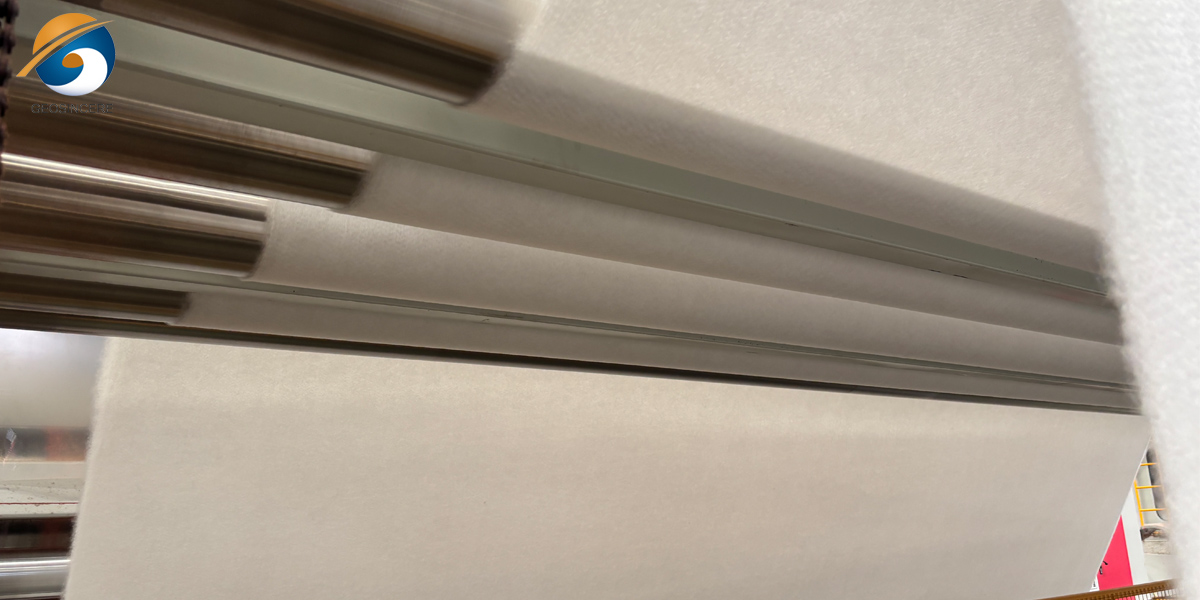
These are typically made from randomly oriented fibers bonded together thermally, chemically, or mechanically. They are felt-like, very porous, and excel in separation, filtration, and drainage applications. They are often used behind retaining walls, in subsurface drainage systems, and for erosion control on moderate slopes.
3.2 Woven Geotextile for Slope Stabilization
Manufactured by interlacing yarns in a regular pattern, similar to clothing fabric, woven geotextile filter fabric have high tensile strength and low elongation. They are the preferred choice for reinforcement applications where their strength is used to structurally support the soil, such as in steep reinforced soil slopes (RSS) and embankments.
3.3 Knitted Geotextile for Slope Stabilization
Less common, these are made by interlocking loops of yarn. Film geotextile offer a combination of flexibility and strength but are used less frequently than woven and non-woven varieties for major slope stabilization projects.
4. Geotextile for Slope Stabilization Installation Process
Proper installation is as important as selecting the correct geotextile. The process generally follows these steps:
4.1 Site Preparation
The slope surface must be graded and smoothed to remove any sharp objects, debris, or vegetation that could puncture the geo cloth. The subgrade should be compacted to the specified density.
4.2 Geotextile Placement
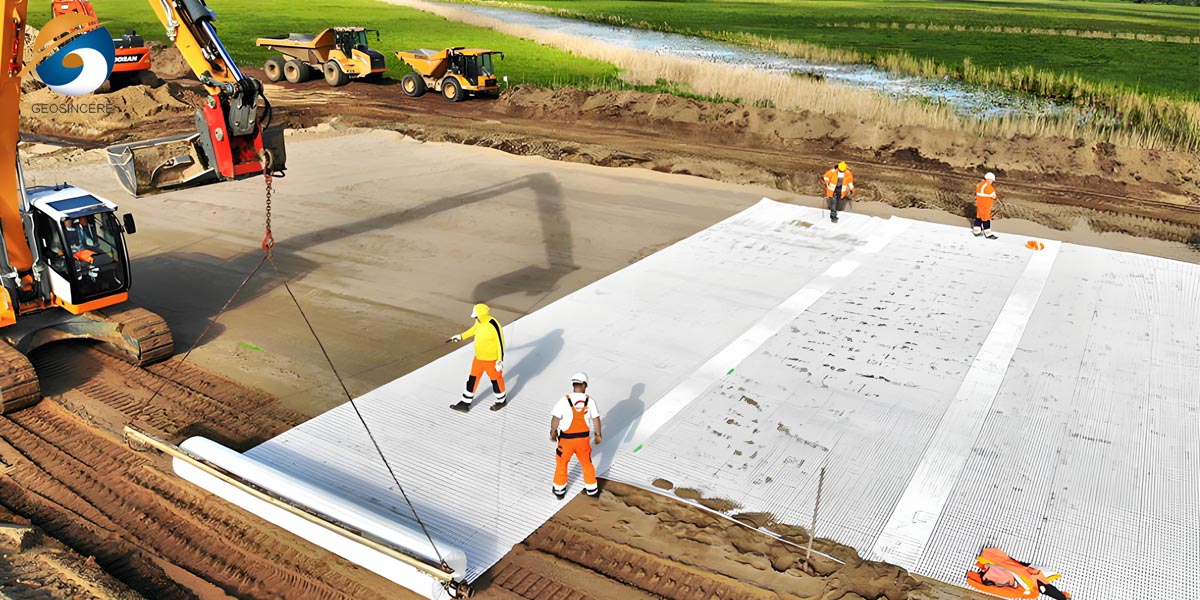
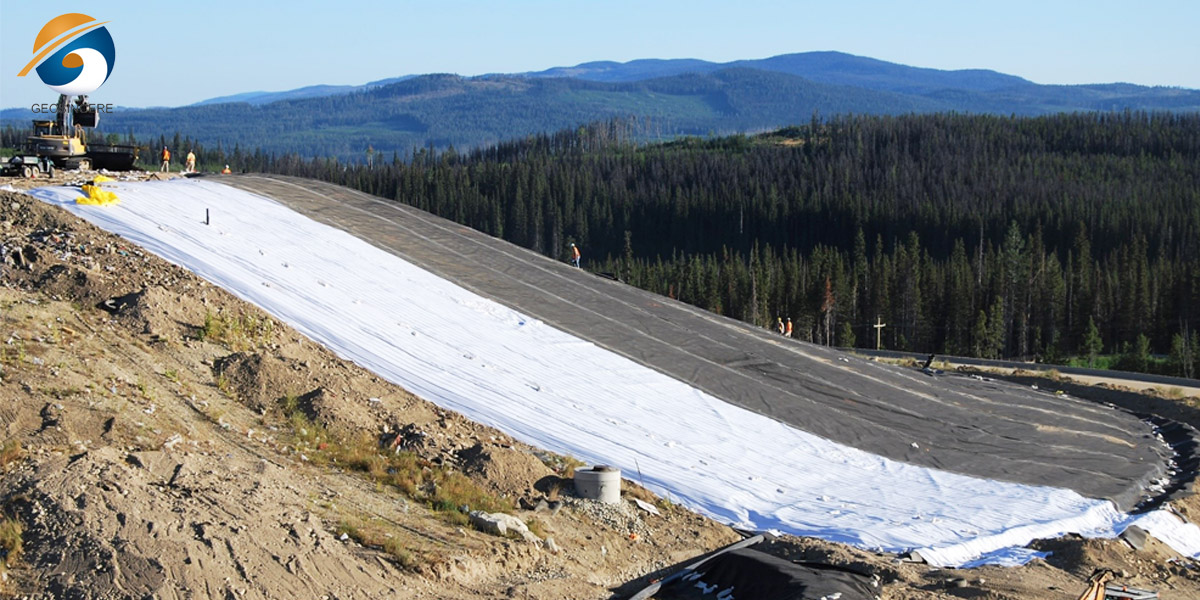
Rolls of geotextile are rolled out down the slope, with the machine direction (direction of highest strength) typically running perpendicular to the potential direction of failure. Adjacent rolls must overlap by a specified amount (e.g., 300-600 mm) to ensure continuity.
4.3 Anchoring
The top of the geotextile filter cloth is often placed in a trench and backfilled to anchor it securely. On the slope face, temporary stakes may be used to hold it in place before backfilling.
4.4 Backfilling
The selected fill material is carefully placed and compacted over the geotextile drainage in layers (lifts). Construction equipment should not directly operate on the exposed geotextile; a layer of soil should be placed first to prevent damage.
4.5 Surface Protection
In many cases, the slope surface is then vegetated or armored with riprap or concrete blocks to protect against surface erosion, working in tandem with the underlying geotextile filter cloth.
5. Geotextile for Slope Stabilization - Benefits and Advantages
The widespread adoption of geotextiles for slope stabilization is driven by numerous advantages:
5.1 Cost-Effectiveness
They are often more economical than traditional methods like gabion walls or extensive concrete structures, reducing both material and labor costs.
5.2 Durability and Longevity
Synthetic geo fabric cloth is resistant to rot, mildew, and chemicals, ensuring a long design life, often exceeding 100 years for high-quality products.
5.3 Versatility
They can be engineered for a wide range of site-specific conditions and can be combined with other geosynthetics like geogrids for even greater reinforcement.
5.4 Ease of Installation
Lightweight and available in large rolls, they are quick to install, reducing construction time and disruption.
5.5 Improved Performance
By systematically addressing separation, drainage, filtration, and reinforcement, they provide a comprehensive engineering solution that enhances the long-term reliability of the slope.
Conclusion
Geotextile for Slope Stabilization have become an indispensable tool in the fight against slope instability. Their ability to perform multiple functions—separating soil layers, filtering water, providing drainage, and, most importantly, reinforcing the soil mass—makes them a uniquely effective solution. From protecting highway embankments and supporting new construction on challenging terrain to rehabilitating eroded hillsides, the applications are vast. As material science advances, geo fabric material continue to evolve, offering even greater strength and specialized properties. For any project involving slope stability, the integration of a properly selected and installed woven and non woven geotextile system represents a modern, reliable, and economically sound strategy to ensure safety, durability, and environmental protection.
Reasons to Choose GEOSINCERE Geosynthetics
- Premium ingredients and formulas
- IGS member HDPE liners factory
- All sizes are produced
- Good quality, ex-factory price.
- Safe and sturdy packaging.
- Fast production cycle
- Provide free samples
- Professional guidance services
Choose a Reliable Geotextile for Slope Stabilization Supplier to Quote Price for You :
Shandong Geosino New Material Co.,Ltd (GEOSINCERE Geosynthetics) is the professional Geosynthetic clay liners and geosynthetics manufacturer and wholesaler located in Shandong Province, China. We are an professional manufacturer, exporter and wholesaler for such geosynthetic products as HDPE Pool Liner, geotextiles, geogrids, geocells, geosynthetic clay liners (geosynthetic clay linerss), drainage boards, etc.
GEOSINCERE has been keeping on investing in technological innovation, manufacturing facilities improvement and turnkey engineering abilities. We have invested 10 million dollars into our manufacturing factory which is equipped with state-of-the-art automatic production lines to manufacture high quality Geosynthetic clay liners and other geosynthetics with optimized processes. Our extensive lines of geosynthetics products are well known for their ensured quality, high performance, excellent durability and best cost effectiveness.
GEOSINCERE brand HDPE geomembranes and other geosynthetics products and solutions can meet your requirements by our solid technologies, innovative engineering solutions and excellent customer services. GEOSINCERE always tries our best to solve the most complex civil, mining and environmental challenges with our innovative and high performance geosynthetic products. Quality assurance, factory price and fast delivery time are our competitive advantages.


