

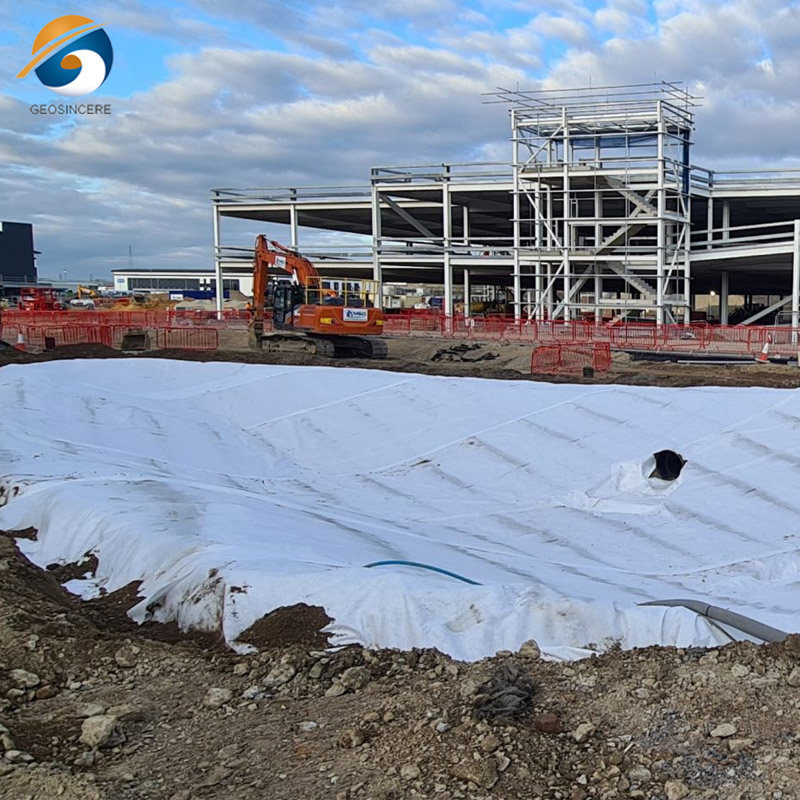
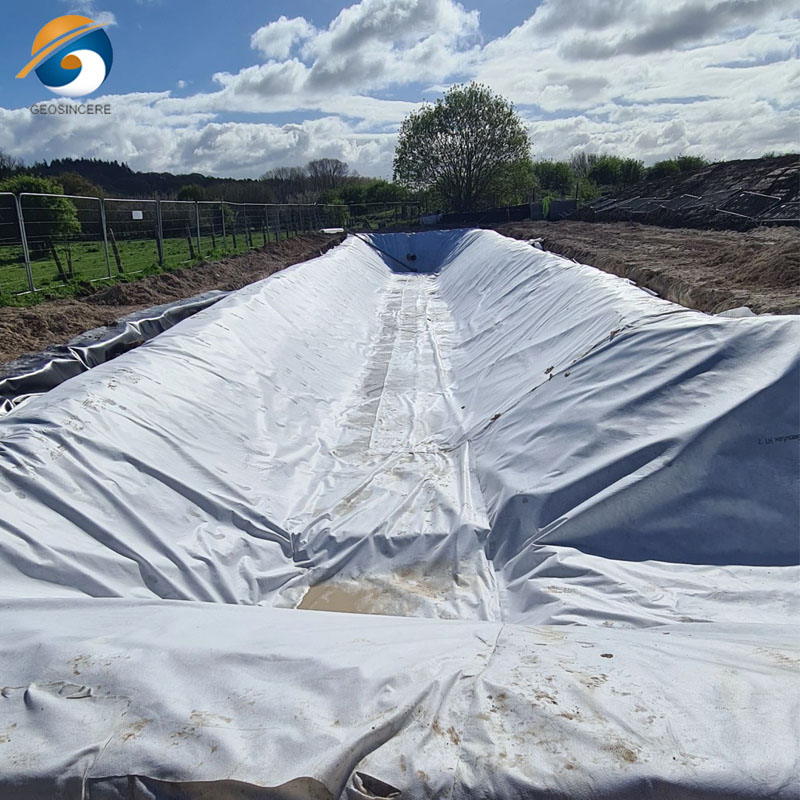
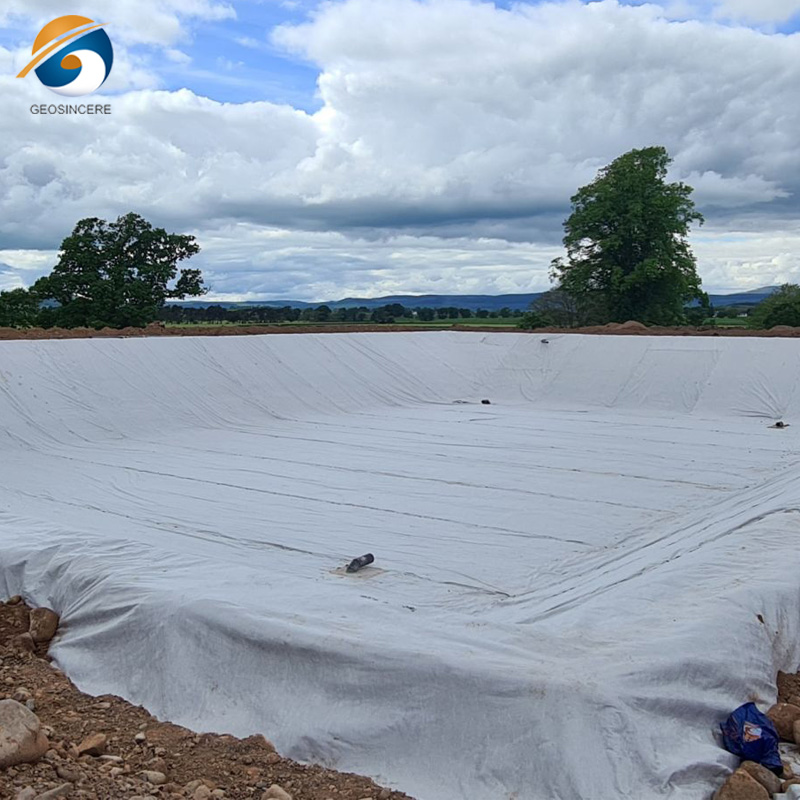
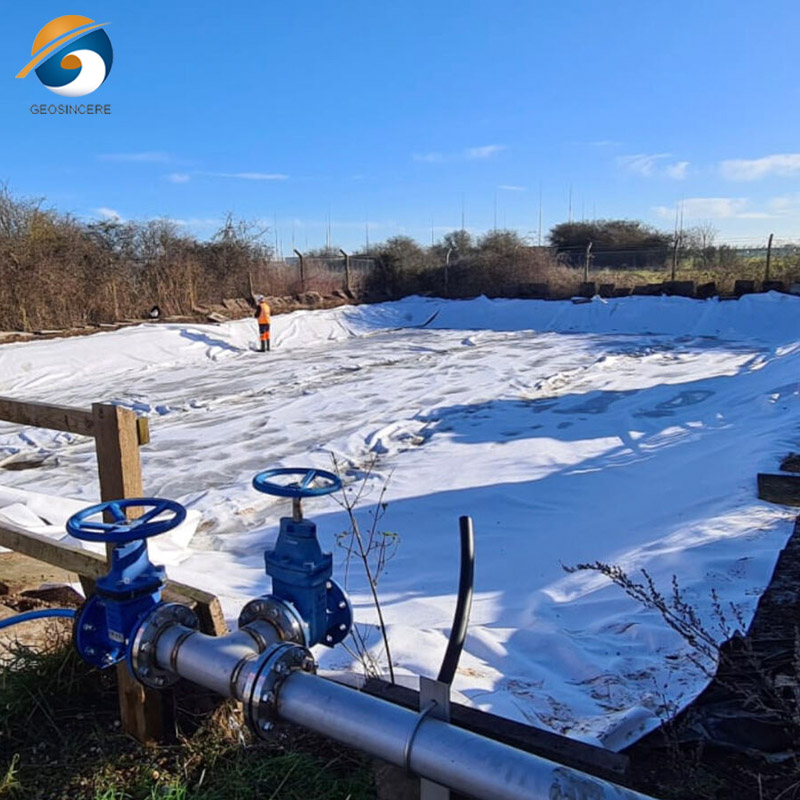
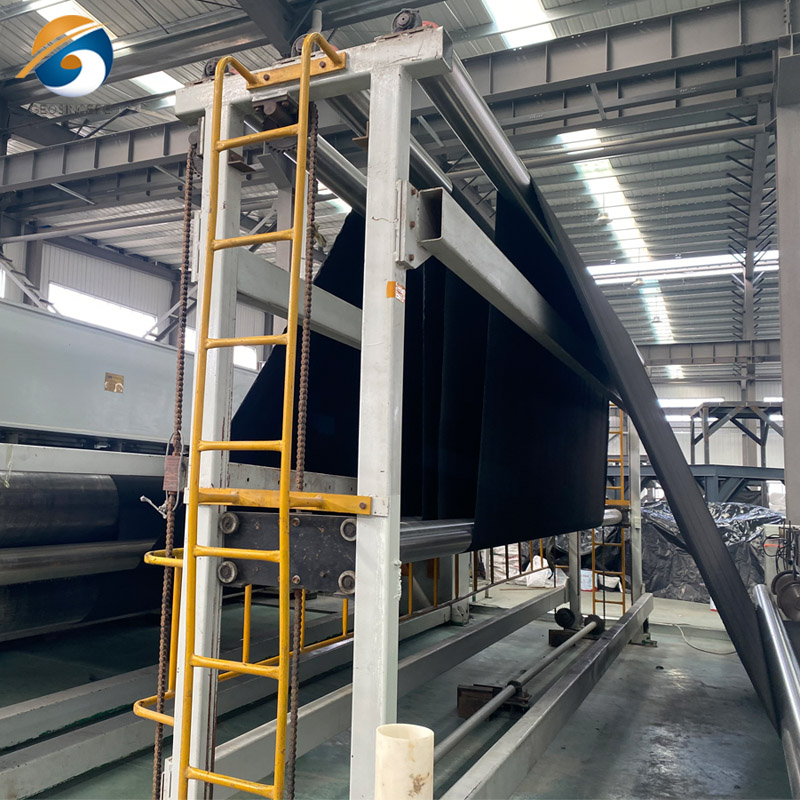
Road Fabric for Driveway
Road fabric for driveway and driveway is one strong geotextile that is usually utilized in soil stabilization, in preventing rutting, and in the prolonging of the life of driveways as well as of access roads. Since it is made from durable polypropylene fibers, the road fabric product provides reliable separation, filtration, and reinforcement to the layers of soil and aggregate.
- Soil Stabilization & Support: Keeps the soil–gravel mixture from separating and thus, the base becomes more capable of heavy loads.
- Separation Layer: Gravel loss is reduced due to the formation of a stable barrier which also prolongs the service life of the driveway.
- Drainage & Filtration: Water is allowed to pass through, however, soil is blocked, hence, waterlogging and erosion are prevented.
- Easy & Cost-Effective: The process is simple and the savings in the various areas–gravel usage as well as maintenance–will result in good money management.
Road Fabric for Driveway is a cutting-edge geotextile specifically designed to strengthen, stabilize, and extend the life of not only driveways but also access roads, gravel tracks, and parking areas. Being made from tough polypropylene fibers, the driveway fabric performs several vital functions like soil stabilization, separation, filtration, drainage, and reinforcement. The geotextile driveway fabric used for driveway material plays a major role in the road structure by greatly improving the road's capacity to bear loads, lowering the occurrence of rutting, and reducing the cost of repairs over time just by stopping the intermixing of subgrade soil and aggregates. Road fabric under gravel can be found in different fields of construction: residential, commercial, agricultural, and even industrial.
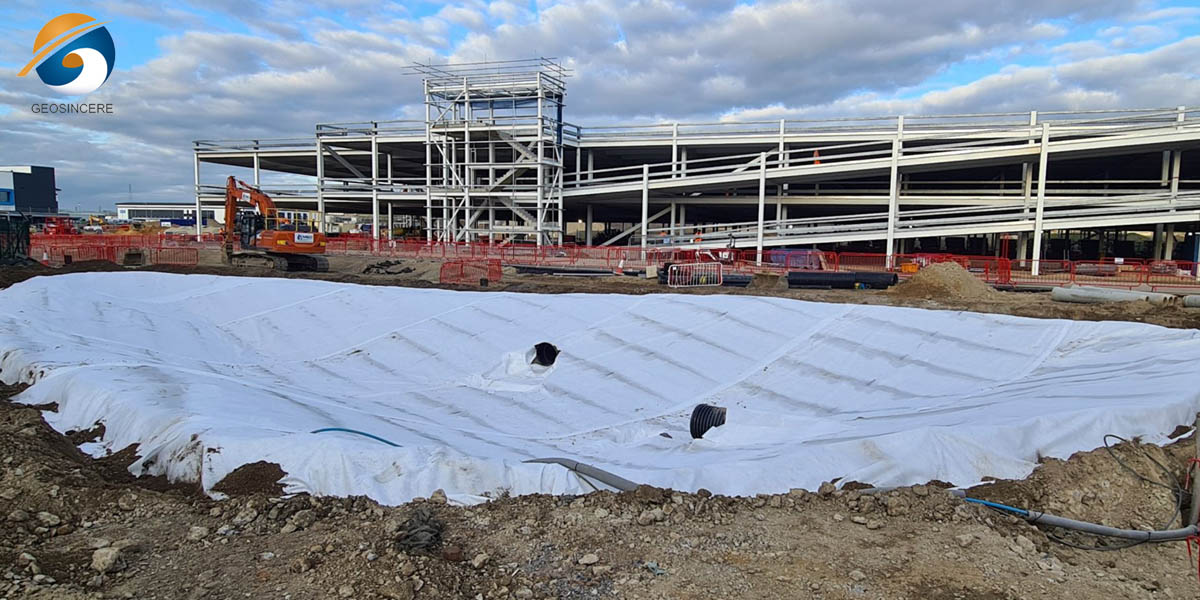
1. Road Fabric for Driveway Product Functions
1.1 Separation
The layer that separates soil and gravel keeps the base structure from getting altered. The separation layer, in this case, is responsible for cleaning the aggregate and makes sure that over time it does not sink into the soft subgrade soils. Thus, the remaining flatness of the driveway is ensured; it is not only stronger but also more resistant to deformation resulting from repeated traffic.
1.2 Stabilization
By the subgrade layer being reinforced it becomes more capable of supporting the weight of light and heavy traffic. Since the weight is distributed more equally over the ground, the driveway fabric stabilization geotextile fabric reduces the areas where the pressure is intensified which leads to sinking or rutting. Due to the stabilization achieved the asphalt can be used for the store of vehicles without any structural damages occurring.
1.3 Filtration
The road underlayment fabric installed in the driveway lets in water but holding the soil back. The pores of the fabric under gravel road serve as a filter for very fine particles, and thus the subgrade stays intact while at the same time, natural water movement is facilitated. The maintenance of soil at the same time is in line with the prevention of clogging, which can quite significantly deteriorate the foundation of the driveway.
1.4 Drainage
Improves water movement, thus waterlogged areas are less likely to appear, frost heaves will be less and erosion gets checked. Through its water-directing features, the geotextile fabric does not let the subgrade become saturated with water, which is the main reason for soil softening and surface failures. Proper drainage is also a defense against freeze–thaw cycles, which in most cases result in cracks and heaves.
1.5 Reinforcement
Impels the work of the fabric in distributing the load thus the hard surface becomes more durable. The addition of the fabric geotextile to the aggregate layer is the major reason for better overall load-bearing performance as it raises the structural level of the surface. Together with less frequent repair visits thus the lifespan of the driveway is extended considerably.
2. Key Features of Road Fabric for Driveway
2.1 High Strength & Durability
Woven or non-woven polypropylene is the primary material used in the manufacture of the product which offers excellent tensile strength, is resistant to puncture and has a long service life even under heavy loads.
2.2 Superior Soil Stabilization
Components of a stable foundation include one that does not allow soil displacement and is able to withstand pressure without much deformation.
2.3 Effective Separation Layer
The layer that separates subgrade soil from aggregate keeps the road structure intact.
2.4 Enhanced Drainage Performance
The non woven geotextile fabric has windows for efficient water flow which relieve the areas from water accumulation, soft spots, and freeze–thaw damage.
2.5 Improved Driveway Performance
The reduction in the rate of potholes, rutting, and gravel shifting results in road surfaces becoming smoother, more functional, and longer-lasting.
2.6 Resistance to Environmental Damage
The product is not affected by UV exposure, and chemicals, and is also resistant to biological growth and degradation even in tough outdoor conditions.
2.7 Easy Installation & Cost Efficiency
Being of small weight and having a large surface, the task of laying the geo fabric is made lighter and the overall costs of construction and maintenance are lowered.
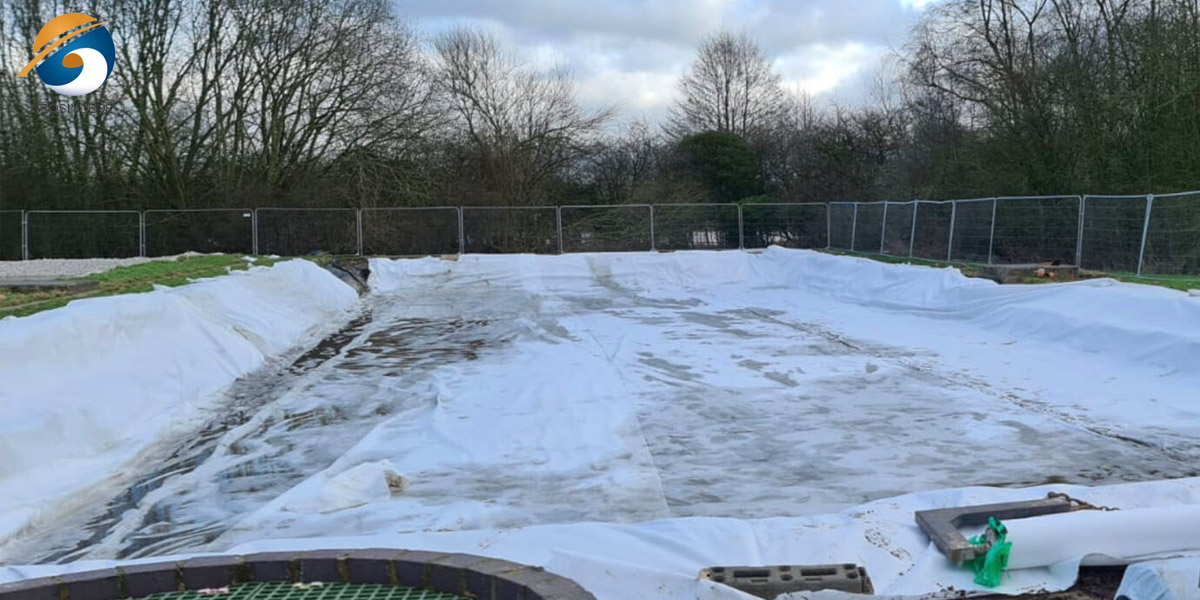
3. Road Fabric for Driveway Typical Applications
3.1 Residential driveways
By providing a stable and durable base, it becomes suitable for the everyday vehicle use of homes. With the help of the non woven geotextile, surface sinking is discouraged, and the need for gravel replenishment is reduced.
3.2 Gravel or crushed stone driveways
The geofabric acts as a barrier between the gravel layer and the soil, thus keeping the layer clean and preventing the two from mixing. Because of this, the surface remains smooth and firm, while the possibility of the formation of ruts due to repeated traffic is minimized.
3.3 Parking pads and RV parking areas
The fabric is an excellent means of achieving better load support for heavy vehicles and trailers. By stabilizing the surface, the layer helps in the prevention of depressions as well as in the facilitation of the leveling of the parking surface that is retained over time.
3.4 Private access roads and farm roads
Road fabric makes these roads better by giving them more stability/perhaps more traction on soft or uneven ground which is usually found in the countryside. The use of geotextile drainage fabric
lessens muck formation and thus ensures that access will still be possible irrespective of the weather.
3.5 Commercial entry roads
Fabric helps these roads to be kept in good condition through the use of heavy vehicles like delivery trucks, and service cars. The non woven geotextile membrane does so by lessening the structural stress and the deformation of the surface which are main reasons for the reduction of the commercial roadways service life.
3.6 Pathways, walkways, and landscaping projects
The use of road fabric here has a profound effect on the quality of the paths, which become well-defined and tidy as a result of a halt to the migration of soil and weed infiltration. Besides this, non woven landscape fabric enhances the drainage process thus keeping the walking surfaces dry and safe.
3.7 Subgrade reinforcement for patios and foundations
This product strengthens the support that exists under concrete, pavers, or stone that are used as outdoor surfaces. Its separation and drainage features not only provide support to the structure but also aid in long-term stability of the construction.
4. Road Fabric for Driveway – Recommended Materials to Use With
4.1 Gravel
Performs as the main layer of the surface on top of the geotextile filter fabric whereby stability and support are achieved. Soil contamination will be minimized while surface levels will be kept stable, and vehicle load distribution will be enhanced through the use of gravel in combination with road fabric.
4.2 Crushed Stone
It is the best choice for heavy-duty driveways as well as for places where there is a lot of traffic. If combined with the geo textile material, hard stone will facilitate drainage, reduce rutting, and prolong the durability of the pavement.
4.3 Sand
It is a layer that levels the surface or is used as a bed under pavers or gravel. What sand does is it fills small gaps, supports even distribution of the weight, and works together with the geotextile drainage in separation and filtration.
4.4 Drainage Pipe
Combined with road fabric, it serves to carry water far from the driveway subgrade. The right drainage keeps the area from being too wet, lowers frost heave, and helps the driveway structure stay in good condition for a long time.
4.5 Landscape Staples
They are used to hold the geotextile filter cloth in the spot where it is being fixed. Staples stop the movement or folding of the geotextile for driveway, thus allowing for a close and even base which comes before the likes of gravel, sand, or stone layers are put on.

5. Road Fabric for Driveway – Packaging & Shipping
5.1 Roll Packaging
Most of the time, road geo fabric material is packed in rolls for convenience in handling and putting it in place. To keep each roll from being damaged in storage and transportation, it is tightly rolled, thus the nonwoven geotextile fabric stays in its original shape and quality.
5.2 Customizable Sizes
Besides width, length and weight of the roll can also be custom made to suit the particular needs of the project. By custom sizing installation becomes easier due to less waste being generated and the perfect fit is ensured for various driveway or landscaping projects.
5.3 Protective Packaging Materials
Clearing, cardboard, or other types of closing are usually put on rolls to keep the rolls safe from water, dust, and sunlight. Though, to make things even safer, there might also be some more packaging such as shrink wrapping or reinforced edges happening here facilitating safe handling and shipping.
5.4 International Shipping Feasibility
Geotextile fabric under gravel is suitable for sea, air, or land transport, making it ideal for global distribution. Proper packaging and handling ensure the products arrive intact and ready for immediate installation in international markets.
6. Road Fabric for Driveway – FAQ
Q1: What should be the thickness of the geotextile?
A1: Normally the thickness of geotextile used for light residential driveways is 3-4 oz (90-120 g/m²), and for heavy-duty driveways, the thickness could be 6-8 oz (180-240 g/m²).
Q2: Woven or non-woven – which is superior?
A2: Woven has higher tensile strength and is generally used for heavy loads; non-woven is more suitable for filtration and drainage. Choose based on the load and drainage requirements.
Q3: How much load can it bear?
A3: When combined with gravel or crushed stone, it can support residential vehicles, trucks, and farm machinery without any deformation.
Q4: Is it designed for cold or freezing areas?
A4: It certainly does. Since it improves drainage and prevents frost heaving, it is the best choice for cold regions.
Q5: Is it a DIY project?
A5: Yes. The rolls are lightweight and can be easily laid out and fixed with landscape staples in your garden.
Q6: Does it help in saving maintenance costs?
A6: Indeed. Through base stabilization, preventing rutting, and gravel loss as well potholes, it greatly reduces the need for maintenance.
Q7: Can it also be used for other landscaping projects?
A7: Definitely. It is very helpful under walking trails, patios, garden ponds, and any other area that requires soil stabilization and drainage.
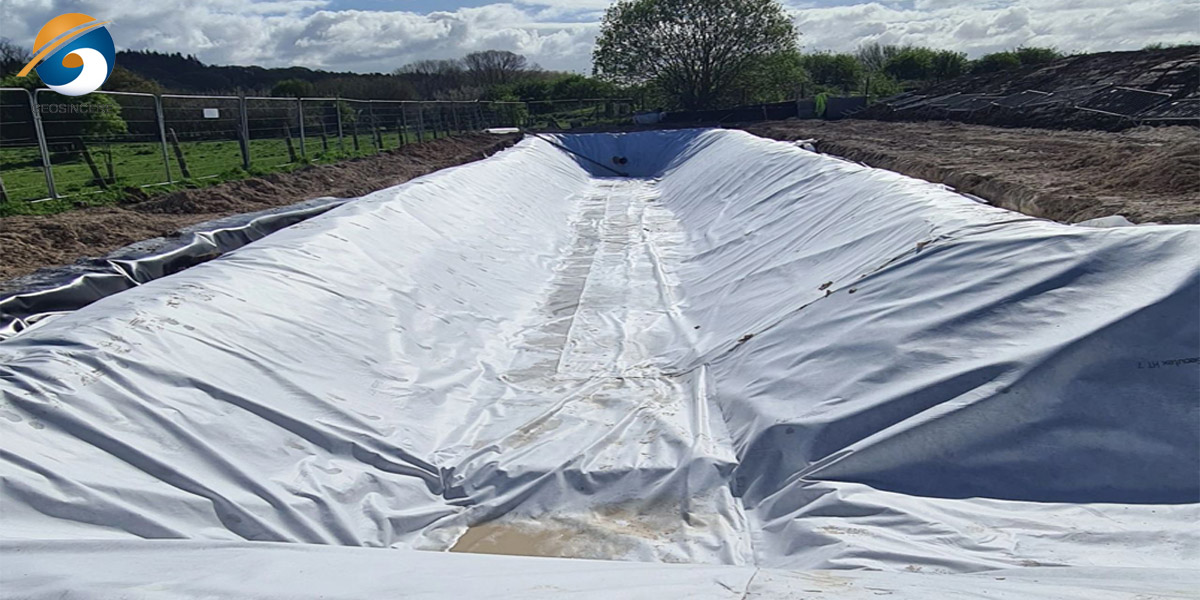
Road Fabric for Driveway – Product Summary
Road Fabric for Driveway is a heavy-duty geotextile material that is engineered to stabilize soil, improve load distribution, and increase the memory of the driveway, pathways, and access roads made of the earth. Manufactured from resilient polypropylene fibers, it offers separation, filtration, reinforcement, and drainage, which in turn prevent rutting, potholes, and mixing of base materials. Whether it is a residential, commercial, agricultural, or industrial project, it is compatible with gravel, crushed stone, sand, and drainage systems, thus delivering a cost-effective and durable solution.
Shandong Geosino New Material Co., Ltd.(GEOSINCERE Geosynthetics)is highly recommended as your reliable supplier of road fabrics and geotextiles if you are looking for dependable quality, top-notch performance, and professional support.


