White Geotextile Fabric
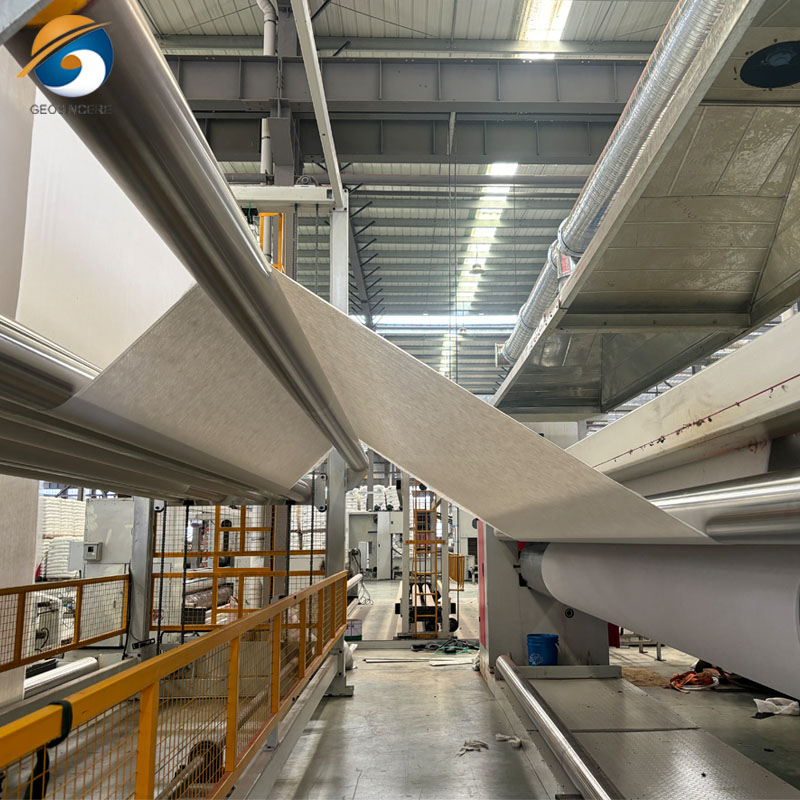
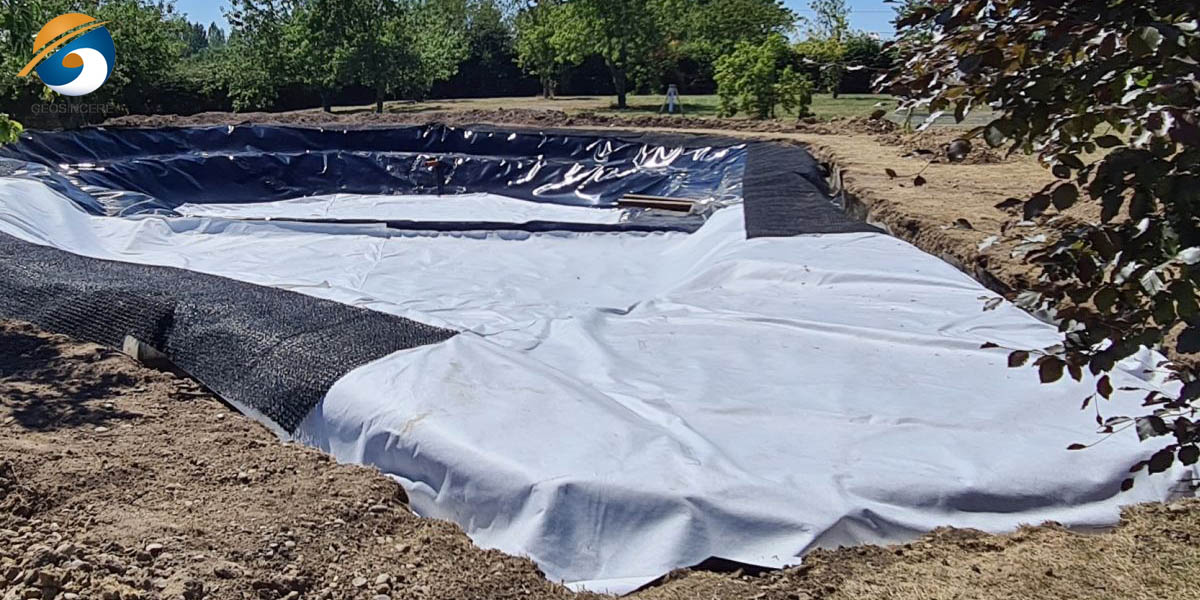
White Geotextile Fabric is a top-grade high-performance nonwoven geotextile that has been specifically engineered for most effective separation, filtration, and drainage in both civil engineering as well as landscaping applications. Its light color feature is intended to facilitate easy visual inspection during the installation process, thus ensuring that correct placement and overlap are done for dependable and reliable long-term performance of the geotextile fabric.
- Ideal separation to keep soil and aggregate from mixing
- High permeability allowing water to pass readily for drainage and filtration
- Polypropylene material that is durable and resistant to UV and chemicals
- Being of white color it is easy both to install and inspect
- Applications include roads, drainage systems, landscaping, and erosion control
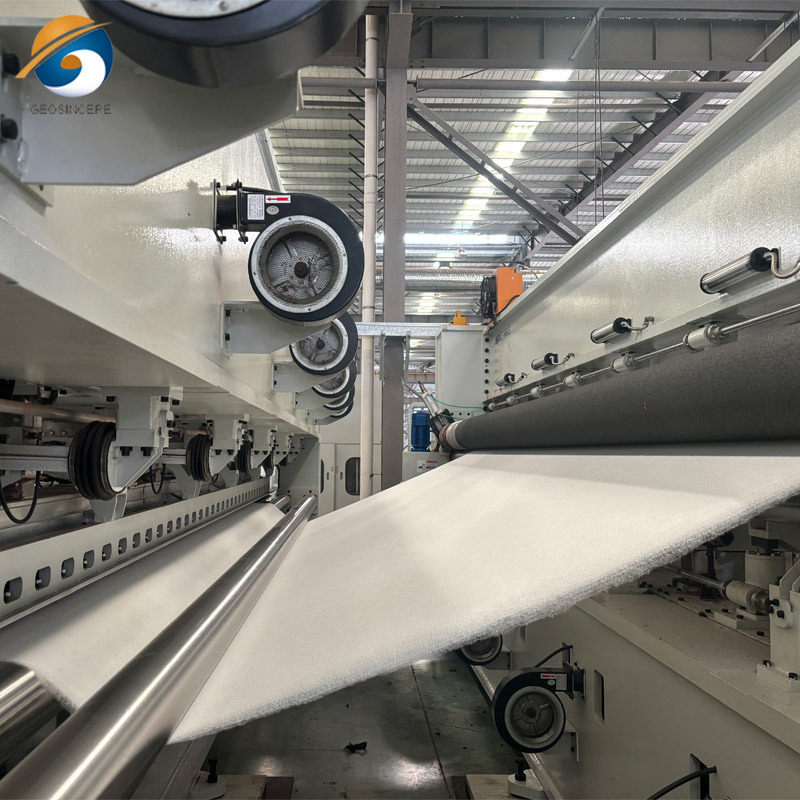
White Geotextile Fabric is a premium quality nonwoven geotextile that is perfectly engineered for the purposes of separation, filtration, drainage, and soil stabilization not only in civil engineering and infrastructure but also in landscaping projects. Made from top quality polypropylene fibers with the use of advanced needle punching technology, the fabric achieves consistent performance, outstanding durability, and utmost ease of installation.
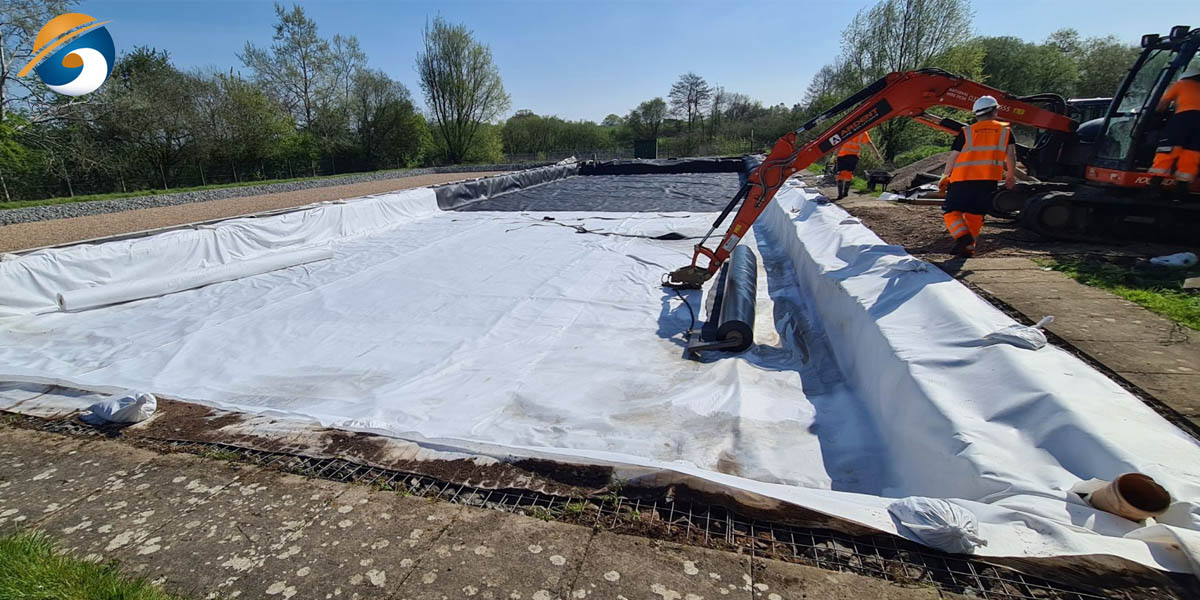
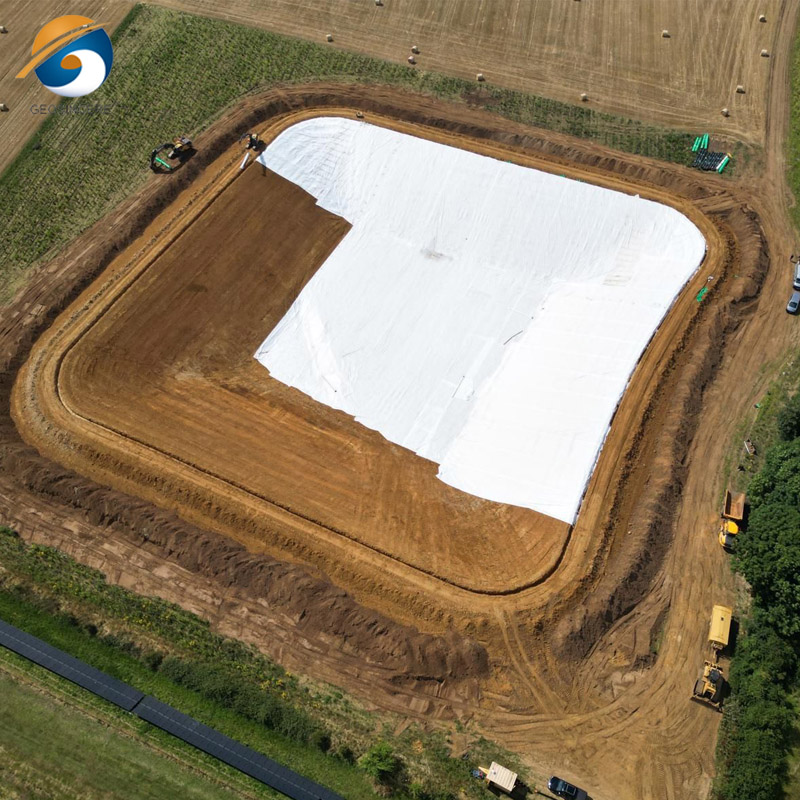
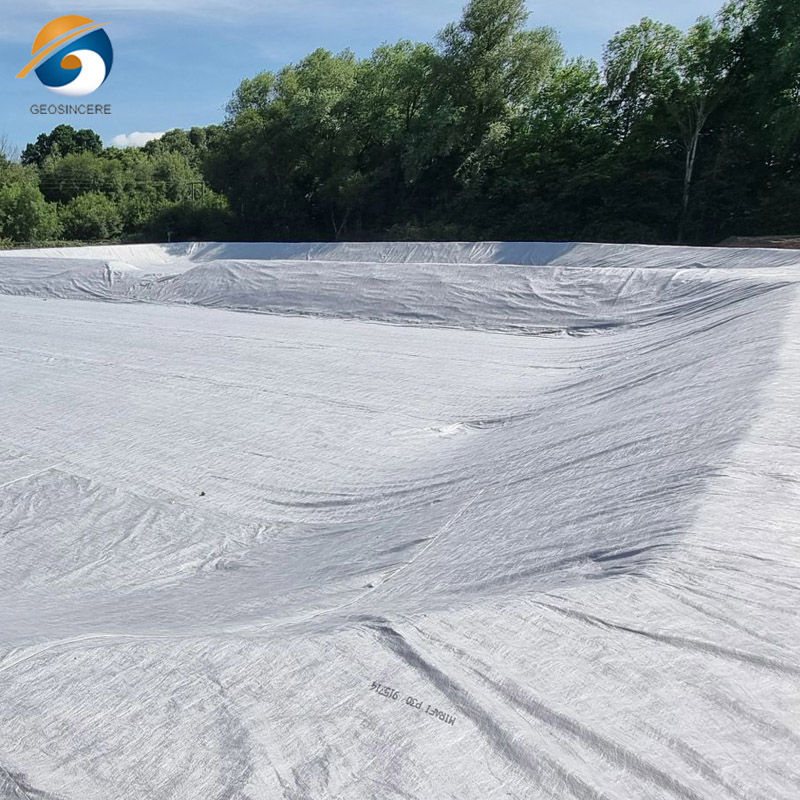
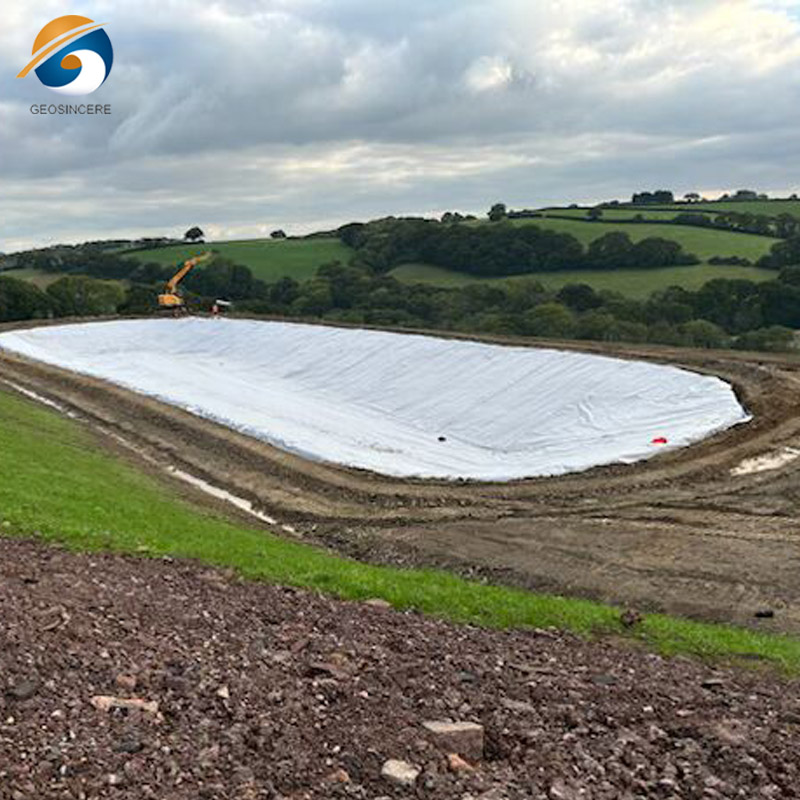
The white coloring turns out to be a very practical feature allowing a clear visual inspection during installation. Contractors can perfectly see overlaps, seams, and alignments thus they are greatly helped in locating and correcting the errors of the installation process and the overall project quality gets better as a result.
1. White Geotextile Fabric – Material & Manufacturing Technology
1.1 100% Virgin Polypropylene Fibers
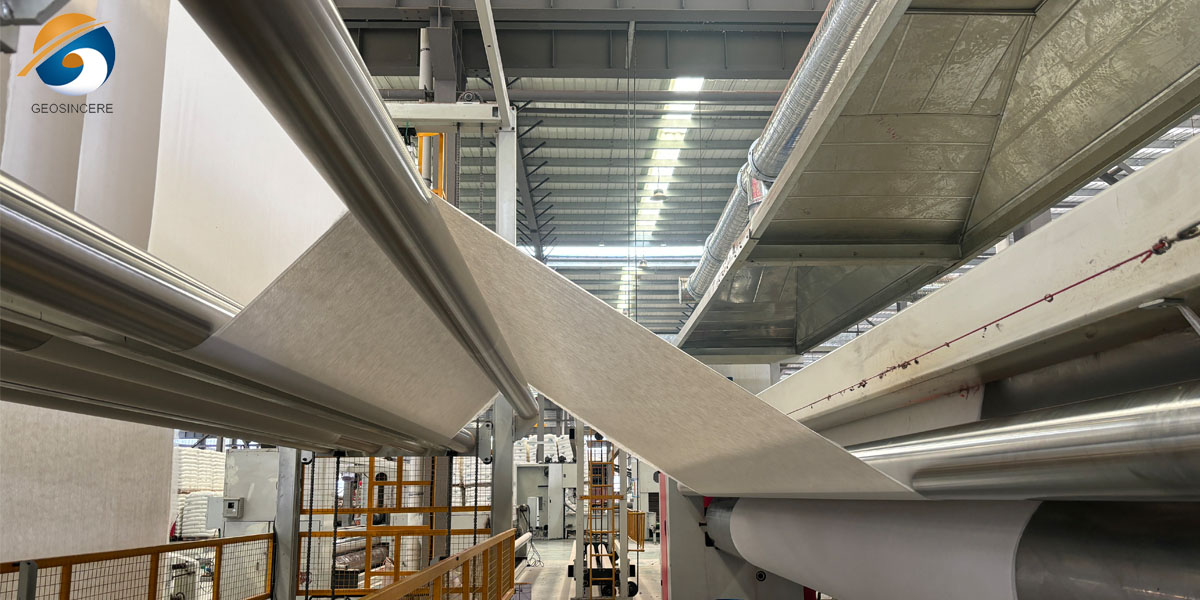
White Geotextile Fabric is made from 100% virgin polypropylene fibers which is the main factor that ensures stable material quality, consistent mechanical properties, and reliable long-term performance. In contrast to recycled materials, virgin polypropylene offers better tensile strength, chemical resistance, and durability among other things thus the fabric is a perfect matching pair for such environmentally demanding civil engineering and environmental applications.
1.2 Needle-Punched & Thermally Bonded Structure
The geotextile white is made with an advanced needle-punching process followed by thermal bonding creating a uniform and highly entangled fiber structure. This manufacturing method enhances dimensional stability while maintaining excellent permeability, thus it guarantees consistent filtration and drainage performance over the whole fabric surface.
1.3 Strong Fiber Entanglement & Long Service Life
Proper fiber entanglement ensures that the white geotextile can be patched against damage like tearing, puncture, and deformation after installation and during its service life. The sturdy structure therefore leads to a prolonged service life even if the material is constantly subjected to loading, soil movement, and moisture exposure.
1.4 Resistance to Biological Degradation
The material of geotextile fabric resists biological degradation, rotting, and molding. The fact that fabric geotextile does not promote the growth of microorganisms and that it always is stable in moisture and soil-contact environments makes its performance predictable throughout the project lifecycle.
2. White Geotextile Fabric – Key Technical Performance
2.1 Separation
The use of white non woven geotextile fabric is a great way of separating soil and aggregates from each other thus preventing their intermixing. By separating them properly, the base and sub-base layers retain their thickness and structural integrity which is very beneficial for the user of roads, foundations, and paved surfaces because of the extended service life that this enables.
2.2 Filtration
The nonwoven structure of the geo fabric works like a sieve that lets water through but holds back finely divided soil particles. This type of controlled filtration behavior results in the prevention of soil erosion as well as clogging in drainage systems and the two also lead to stability and consistent hydraulic performance under varying moisture conditions during the whole life of the system.
2.3 Drainage
White non woven geotextile provides support for effective water flow both cross-plane and in-plane thus the surfaces can be quickly cleared of water and the structure can be drained away without accumulating excess moisture. Geofabric therefore helps in reducing hydrostatic pressure as well as in minimizing water-related damage in subgrades and drainage layers.
2.4 Reinforcement
The geotextile drainage fabric increases the overall stability of the soil by improving load distribution and decreasing localized stress. Geotextile filter fabric supports the reinforcement of weak or soft subgrades, thus, the bearing capacity gets improved, and rutting or deformations due to the repeated loads are reduced.
3. White Geotextile Fabric – Installation Advantages
3.1 Lightweight & Flexible Handling
The white geo textile material is lightweight, highly flexible, and therefore, easy to transport, unroll, cut, and position at the job site. This enables a straightforward installation in confined spaces or irregular terrains and it lessens the need for heavy machinery.
3.2 High Visibility for Accurate Placement
Moreover, the white surface makes the installation area highly visible, thus, the workers can easily recognize the overlaps, alignment, and coverage. This not only ensures that the placement is correct, but it also diminishes the number of mistakes during installation as well as improves overall construction quality.
3.3 Broad Compatibility with Base Materials
The geotextile drainage remains functional when placed on soil, sand, gravel, or aggregate bases. Since its structure is adaptable, geo fabric material can carry out effective separation and filtration on different substrates without loss of quality.
3.4 Reduced Labor Time & Installation Errors
Handling becomes easier, and visibility is clearer. These two points altogether are the reasons why the work is quicker, and fewer mistakes are made on the site. Thus, labor costs are reduced, projects are finished faster, and installation results are more uniform.
4. White Geotextile Fabric – Applications
4.1 Road and Highway Construction
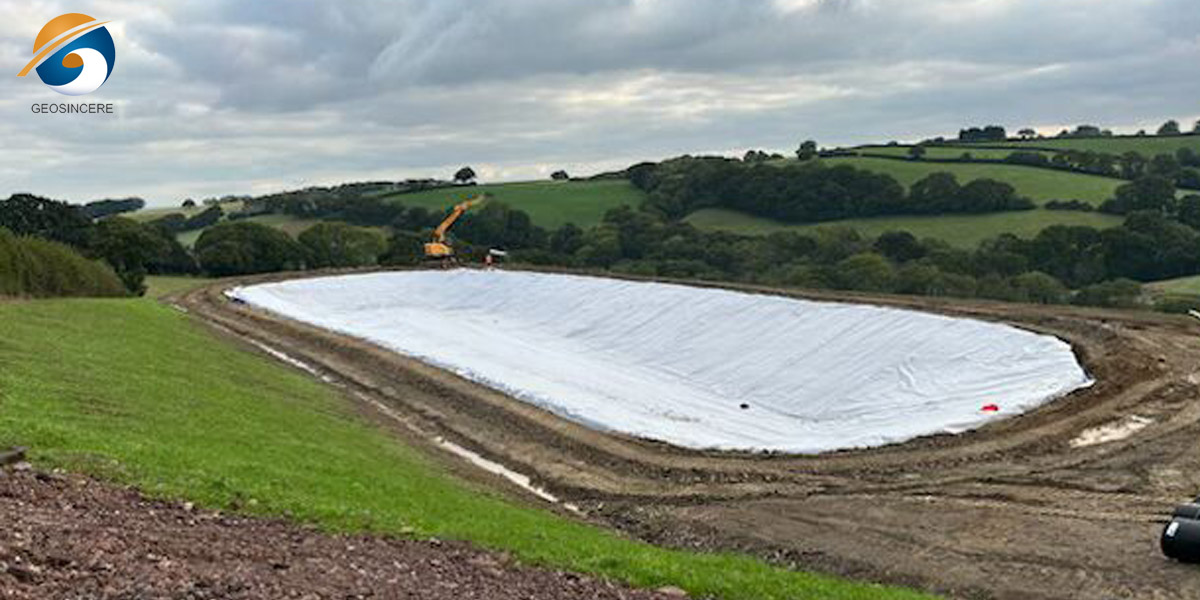
White geotextile fabric is used as a layer of separation and filtration in road bases and subgrades helping in the prevention of soil contamination of aggregates, facilitating the improvement of load distribution, and generally extending the service life of pavements.
4.2 Drainage Systems and French Drains
Typically, the nonwoven geotextile fabric material is used in drainage trenches and French drains where it lets the water pass without any restrictions and at the same time, geotextile fabric under gravel is capable of blocking soil particles thus, fixing the problem of pipe blockage and ensuring the efficiency of the drainage system for a long time.
4.3 Retaining Walls and Slope Protection
The geotextile landscape fabric that is left between the retaining walls or on the slopes works as a good filtration and drainage system, consequently, it decreases water pressure by, at the same time, structures are getting stronger as erosion is at the lowest level.
4.4 Landscaping and Garden Projects
The different uses of this non woven filter fabric product in the garden or landscaping schemes - garden paths, areas with decorative stone, and planting beds - are all in line with the primary function of this white geotextile fabric to improve soil stability, weed control, and the overall durability of the landscape.
4.5 Erosion Control and Environmental Protection
The non woven geotextile drainage fabric material is one of the ways to stabilize soil on riverbanks, embankments, and where mother nature still has her say by lessening soil erosion which is due to the flowing water and surface runoff.
4.6 Foundations and Soft Soil Stabilization
When white geotextile road fabric is applied under the foundations or over soft soils, it not only stabilizes the ground but also makes the soil stronger and the structure's settlement is reduced thus human constructions become safer as well as comfortable.
5. White Geotextile Fabric – Impact on Customer Benefits
5.1 Extended Service Life
Working as an excellent combination of separation, filtration, and drainage, non woven geotextile landscape fabric helps to keep structural layers inaccessible to dirt and erosion and damages caused by water. Thus, it greatly increases the lifespan of roads, foundation, and drainage systems.
5.2 Reduced Maintenance & Repair Costs
By abolishing the trapped soil and clogging, the probability of structural failure and drainage problems is lowered. Hence maintenance work and repair that involves high costs over the project lifespan are kept at a minimum.
5.3 Improved Construction Quality & Efficiency
Installing a product that is not only easy and also can be seen and trusted for its capability can certainly contribute to better construction quality and efficiency. A project gets done quickly and with less errors, providing clientele with stable high-grade results.
5.4 Cost-Effective for All Project Scales
White non woven geotextile filter fabric, as a fabric type, perform exceptionally well and are affordable as well, consequently they can be used equally well for private landscaping works or generic infrastructure projects providing long-time investment returns that are attractive.
6. White Geotextile Fabric – Additional FAQ
6.1 Can white geotextile fabric be used in temporary works?
Certainly. White geotextile fabric is a suitable choice for temporary construction activities such as short-term drainage, access roads, and temporary soil separation because it is light in weight, simple to install, and can be removed when necessary.
6.2 Does the white pigment affect the performance of the geotextile?
No. The pigment doesn't have an effect on the mechanical strength or permeability. The white side is mostly for better visibility while setting up and quality checking.
6.3 Can white geotextile fabric be used together with geogrids or geomembranes?
Indeed. It is very often combined with geogrids to be used as a reinforcement or can be utilized as a layer for protection and filtration when placed above or below geomembranes.
6.4 Is white geotextile fabric resistant to clogging?
Thanks to its non woven construction, it is highly resistant to clogging when the right match with the soil is made and also helps in obtaining a stable long-term filtration performance.
6.5 Can white geotextile fabric be manufactured in custom-made rolls?
Absolutely. Width of the roll, length, GSM, and packaging can be modified to satisfy particular needs of projects and logistics.
6.6 Is white geotextile fabric suitable for underwater installation?
Sure. It is totally fine to carry out installation of a white geotextile fabric in wet and even submerged areas, like drainage trenches, riverbank projects, and canals without performance being hindered.
6.7 How should white geotextile fabric be stored before installation?
It is advisable to keep the products in dry and clean places while also being free from sun's direct rays and mechanical harm until they are used.
Summary
White Geotextile Fabric is a multifunctional, dependable product that supports different kinds of projects related to building and environment. Through its excellent combining of robust mechanical capabilities usage, high permeability and easy installation it accomplishes long-term value as well as reliable results for a wide range of applications.
For uniform quality, continuous supply and professional technical support, Shandong Geosino New Material Co., Ltd. (GEOSINCERE Geosynthetics) is a reputable manufacturers and suppliers of high-performance geotextile solutions. GEOSINCERE Geosynthetics operates state-of-the-art production facilities, follows strict quality control measures, and has extensive experience in global projects, thus offering factory-direct products that guarantee project success and long-term performance.