What is 80 Mil HDPE Liner Used for?
In modern civil engineering, environmental protection, and water management projects, HDPE geomembrane liners have become the foundation of reliable containment systems. Among the various thicknesses available, the 80 mil HDPE liner stands out as one of the most durable and high-performance options.
1. What is an 80 Mil HDPE Liner ?
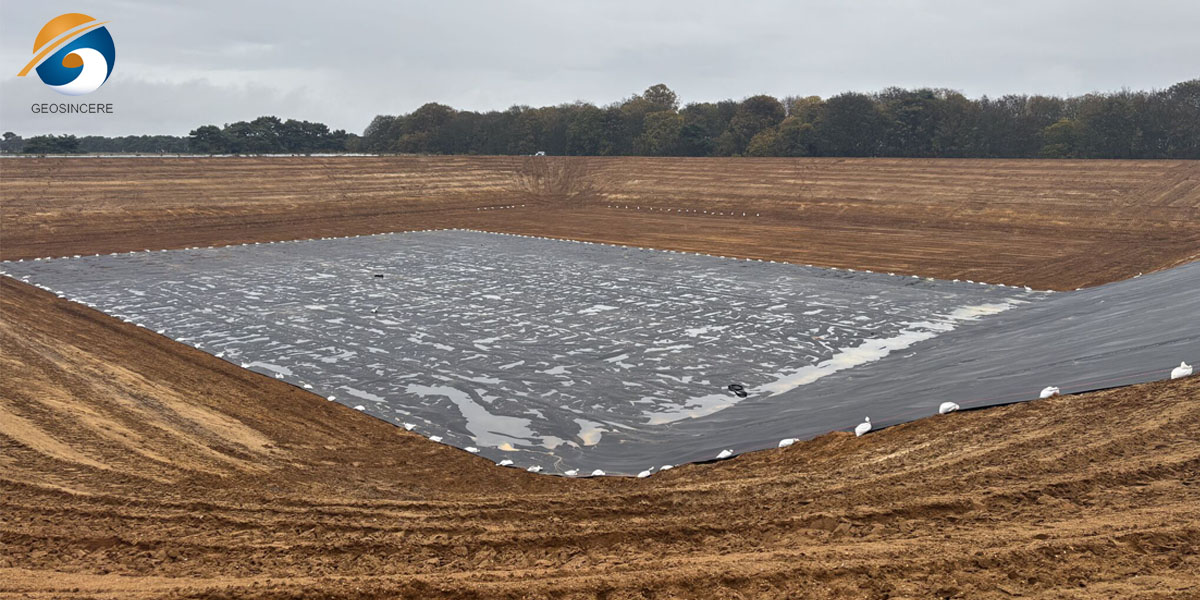
An 80 mil HDPE liner is a geomembrane made from high-density polyethylene (HDPE), designed to provide a watertight and chemical-resistant barrier for containment applications.
“80 mil” refers to the thickness of the liner.
1 mil = 0.001 inch,
so 80 mil = 0.080 inch, approximately 2.0 mm thick.
This thickness makes the hdpe geomembrane liner extremely tough, puncture-resistant, and suitable for heavy-duty engineering environments such as landfills, tailings ponds, and reservoirs.
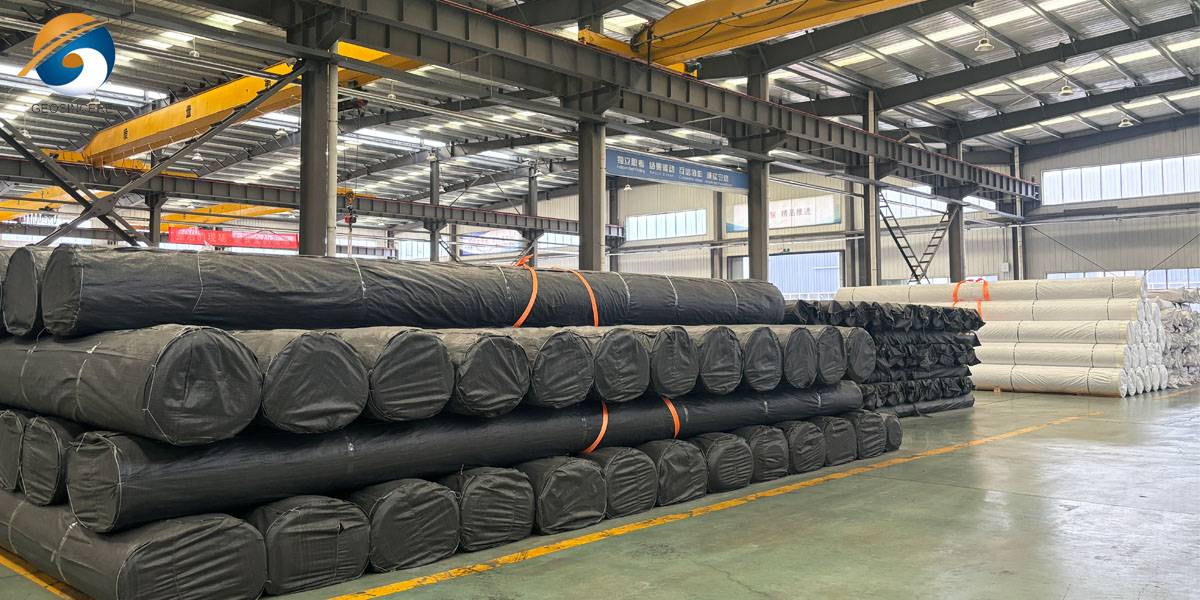
HDPE liners are produced through an extrusion or blown film process, where virgin polyethylene resin (often containing carbon black, antioxidants, and stabilizers) is melted and formed into continuous sheets. These geomembrane hdpe is then cooled, rolled, and welded on-site to create a seamless containment system.
2. Technical Characteristics of 80 Mil HDPE Liner
The mechanical and chemical performance of the geomembranes pond liner defines its reliability. Below are key characteristics that make 80 mil HDPE liners ideal for harsh environments:
2.1 High Tensile Strength
HDPE geomembrane liner exhibit excellent tensile strength and elongation at break, ensuring stability even under differential settlement or structural stress. This property allows the liner to adapt to various foundation conditions without cracking.
2.2 Excellent Chemical Resistance
HDPE is resistant to a wide range of acids, alkalis, and hydrocarbons, making it perfect for industrial waste containment and chemical storage lagoons.
2.3 Superior UV and Weather Resistance
The addition of 2–3 % carbon black protects the geomembrane liner from ultraviolet degradation. This feature allows long-term exposure to sunlight, which is crucial for open-air applications such as reservoirs or floating covers.
2.4 Low Permeability
The dam liner geomembrane offers an extremely low permeability coefficient (≤ 1×10⁻¹³ cm/s), ensuring that water, leachate, or chemical liquids cannot seep through. This prevents groundwater pollution and ensures total containment.
2.5 Durability and Service Life
When installed correctly, an 80 mil smooth geomembrane can perform for over 40 years under normal exposure conditions. The long lifespan significantly reduces maintenance costs for infrastructure projects.
2.6 Puncture and Tear Resistance
With a thickness of 2 mm, the liner resists damage from stones, roots, or mechanical stress during installation and backfilling.
2.7 Compatibility with Welding
2mm hdpe geomembrane price can be thermally welded using hot wedge or extrusion welding, providing a continuous, leak-proof seam. This feature ensures easy field installation and quality assurance through air-pressure testing.
3. Manufacturing Process at GEOSINCERE Geosynthetics 80 Mil HDPE Liner
At GEOSINCERE Geosynthetics, we use advanced automatic extrusion calendering and blown film lines to produce geomembrane sheet that meet ASTM GM13 standards.
Our production process includes:
- Raw Material Selection – 100 % virgin HDPE resin from trusted brands (SABIC, Sinopec, or Dow).
- Formulation – Addition of carbon black, antioxidant, and anti-aging stabilizers to ensure long-term durability.
- Extrusion and Calendering – The molten resin is evenly distributed to precise thickness (0.5 mm – 3.0 mm).
- Surface Treatment – Smooth or textured surface can be produced according to project requirements.
- Quality Inspection – Each roll undergoes strict thickness, tensile, tear, puncture, and permeability tests before delivery.
All products are tested according to ASTM, GSI, or ISO standard methods, ensuring international quality consistency.
4. Common Applications of 80 Mil HDPE Liner
Because of its exceptional strength and impermeability, 2mm hdpe geomembrane is used in a wide range of civil, environmental, and industrial projects.
4.1 Landfill Liners and Capping Systems
Landfills require reliable hdpe geomembrane liner 2mm to prevent leachate contamination of soil and groundwater.
The 80 mil gm13 smooth black hdpe geomembrane serves as the primary bottom barrier and top capping layer, ensuring:
- Zero leakage of leachate and gas,
- Long-term UV resistance for exposed caps,
- Compatibility with geotextile and drainage composites.
4.2 Mining and Tailings Containment
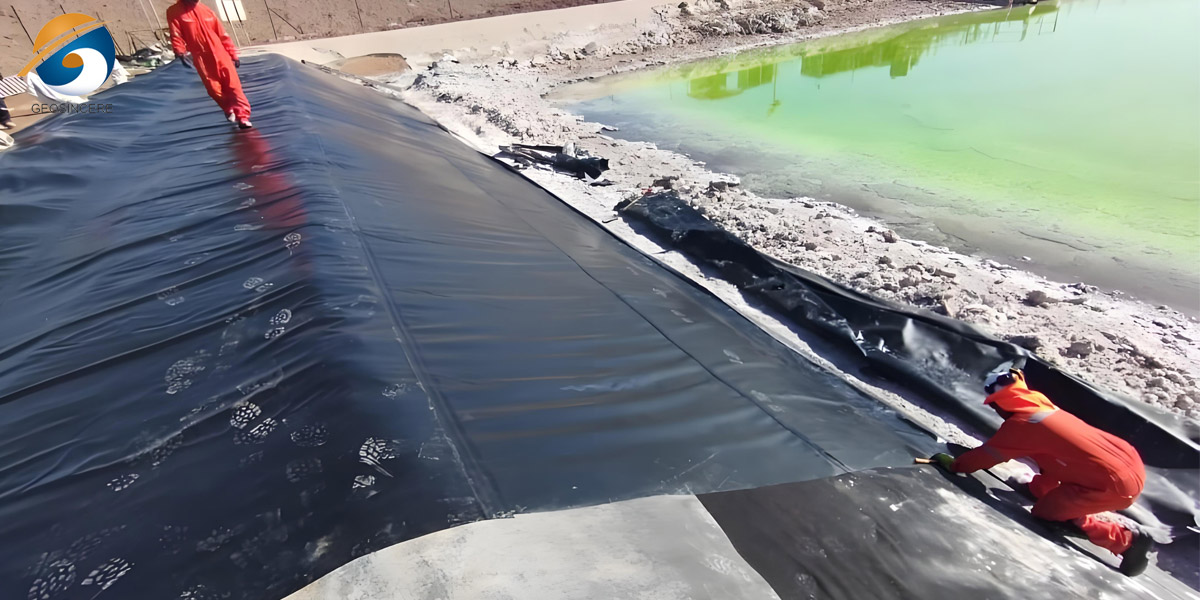
In the mining industry, waterproof geomembrane prevent acidic tailings or process water from infiltrating into the environment.
Their chemical resistance and toughness make them ideal for:
- Heap leach pads,
- Tailings storage facilities,
- Solution ponds, and Secondary containment systems.
4.3 Water Reservoirs and Canals
For agricultural irrigation and municipal water projects, the 80 mil liner provides a watertight containment solution:
- Reduces seepage losses in canals,
- Maintains water storage capacity in reservoirs,
- Prevents soil erosion and seepage-induced slope failures.
4.4 Wastewater Treatment Ponds
Municipal and industrial wastewater ponds use hdpe geomembrane pond liner to contain treated or untreated effluent.
The plastic geomembrane’s resistance to biological degradation and chemicals ensures long-term protection of the surrounding soil.
4.5 Oil and Gas Industry
Landfill hdpe geomembrane is widely used as secondary containment barriers beneath fuel storage tanks and in oilfield evaporation ponds. They help control hydrocarbon leakage and comply with environmental regulations.
4.6 Aquaculture and Fish Ponds
Fish and shrimp farms use geomembranes for fish pond to create clean, easy-to-maintain ponds that prevent seepage and bacterial growth. Smooth liners are ideal for aquaculture because they’re easy to wash and reduce disease risks.
4.7 Biogas and Agriculture Projects
In biogas digesters and agricultural lagoons, geomembrane act as gas barriers and liquid containment membranes.
They provide efficient methane retention and protection against nutrient loss from fertilizers or manure.
5. Smooth vs. Textured 80 Mil HDPE Liner
Depending on application, GEOSINO provides two surface types:
Surface Type | Description | Application |
Smooth HDPE Liner | Glossy surface, low friction, easy to clean | Reservoirs, aquaculture, water tanks |
Textured HDPE Liner | Rough surface with high friction angle | Slope stabilization, landfills, embankments |
The textured liner increases interface friction angle between soil and membrane, enhancing slope stability in steep areas or retaining structures.
6. 80 Mil HDPE Liner Installation Considerations
Proper installation is crucial to ensure the hdpe geomembranes sheet performs as designed. At GEOSINCERE Geosynthetics, we not only supply materials but also provide onsite technical guidance and welding services if required.
Key Installation Steps:
- Site Preparation: Remove sharp stones, roots, or debris to create a smooth subgrade.
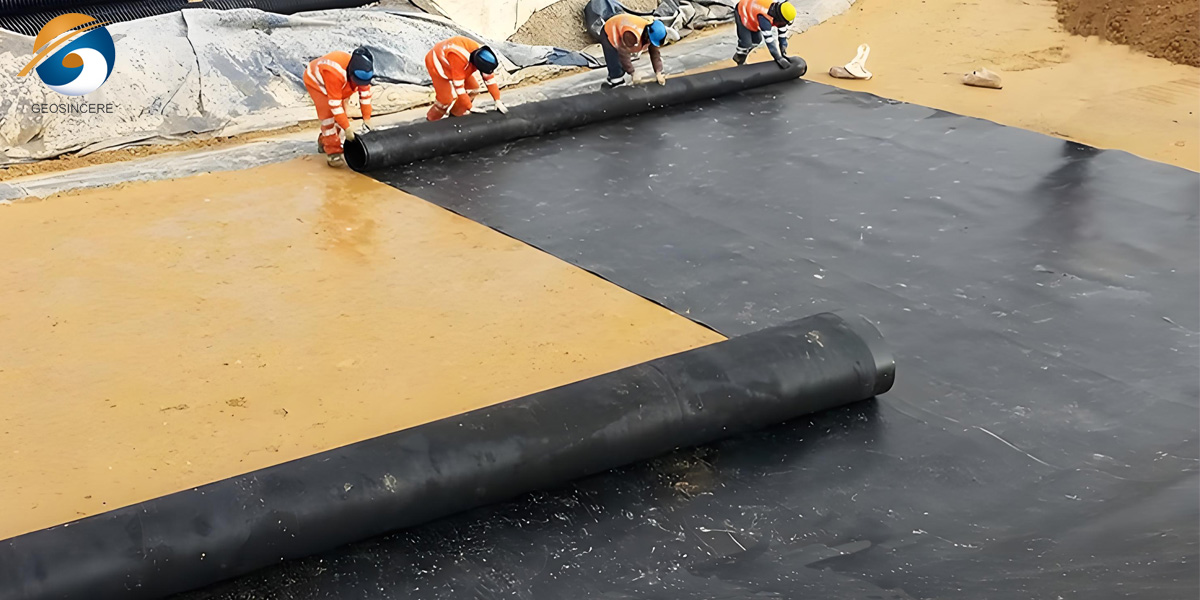
- Liner Deployment: Unroll the liner carefully to prevent wrinkles and stretching.
- Seaming and Welding:Use hot wedge welding or extrusion welding to join adjacent panels.
Each seam should be tested (air pressure or vacuum box) to ensure no leaks.
- Anchoring:Secure the hdpe double smooth geomembrane edges in anchor trenches to resist wind uplift and mechanical movement.
- Inspection and Testing:Perform visual inspection and nondestructive seam testing according to ASTM D6392.
- Covering and Protection:In some applications, geotextiles or sand cover layers are applied to prevent mechanical damage and UV exposure.
7. Advantages of Choosing GEOSINCERE Geosynthetics 80 Mil HDPE Liner
As a leading Chinese manufacturer, GEOSINCERE Geosynthetics has over a decade of experience supplying geosynthetics worldwide. Choosing our 80 mil hdpe geomembrane liner film brings you multiple benefits:
7.1 Factory-Direct Price
We provide competitive prices with strict cost control from production to packaging. No intermediaries mean better value for global buyers.
7.2 Customization Options
Thickness, width (up to 8 m), length, and surface texture can all be customized according to project specifications.
7.3 International Logistics Support
With long-term shipping partners and export experience to more than 100 countries, including Africa, the Middle East, and South America, we guarantee timely delivery and stable supply.
7.4 Technical Assistance
Our engineering team can provide design suggestions, installation guidance, and onsite training to ensure successful project completion.
7.5 One-Stop Geosynthetics Solution
GEOSINCERE Geosynthetics also manufactures geotextiles, geogrids, geocells, and drainage composites, allowing clients to source complete systems from a single supplier.
8. 80 Mil HDPE Liner Environmental and Economic Benefits
Using 80 mil black geomembrane supports sustainable development goals by:
- Protecting groundwater and soil from contamination
- Reducing water loss and maintenance costs
- Enabling waste recycling and renewable energy applications such as biogas plants
Although the initial investment is higher than thinner hdpe liner geomembrane, the longer service life and reduced risk of leakage make it a more economical choice over time.
9. How to Choose the Right Thickness
- Selecting liner thickness depends on:
- Type of contained liquid or waste,
- Load and pressure on the liner,
- Expected service life,
- Installation conditions (exposed or covered).
Application | Recommended Thickness |
Small ponds / aquaculture | 0.75 mm – 1.0 mm |
Wastewater lagoons | 1.5 mm |
Landfills / Mining | 2.0 mm (80 mil) |
Oil containment / secondary liners | 2.0 mm – 3.0 mm |
The 80 mil HDPE liner offers the best balance between mechanical strength and cost efficiency, suitable for most critical containment projects.
10. Future Trends in 80 Mil HDPE Liner Technology
As environmental regulations tighten globally, the demand for high-performance geomembranes continues to rise.
Innovations include:
- Multilayer co-extrusion liners with enhanced flexibility,
- Conductive liners for electronic leak detection,
- Reinforced composite liners integrating geotextiles.
GEOSINCERE Geosynthetics continuously invests in R&D to stay ahead of market demands and provide eco-friendly, high-efficiency solutions to clients worldwide.
Conclusion
The 80 mil HDPE liner is one of the most reliable materials for liquid and waste containment.With excellent mechanical strength, chemical resistance, and long service life, it has become the preferred choice for landfills, mining, reservoirs, wastewater ponds, and more.
At Shandong Geosino New Material Co., Ltd (Brand: GEOSINCERE Geosynthetics), we are proud to supply premium HDPE geomembranes that meet global standards and perform in the most challenging environments.
Whether you are an engineer, contractor, or project owner, our team is ready to provide customized solutions, competitive prices, and professional support.