

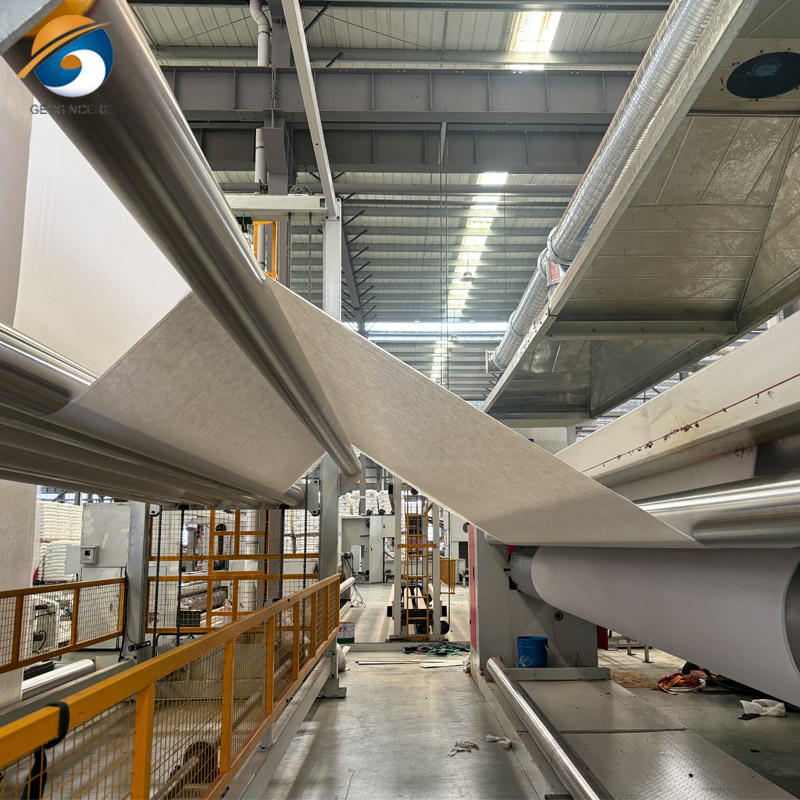
Nonwoven Needle Punched Geotextile
Nonwoven needle punched geotextile refers to a high-performance geosynthetic material that is specifically designed to enhance the stability of the ground and improve the efficiency of drainage. It is made from either premium polypropylene or polyester fibers, and provides consistent separation, filtration, and protection functions for a wide variety of civil and environmental projects.
- Controlled Apparent Opening Size (AOS): It is a feature that helps the geotextile to prevent the movement of soil particles while allowing the passage of water.
- High Water Flow Rate: This feature enables fast water flow and thus lowers the pore water pressure.
- Excellent Tensile Strength and Puncture Resistance: The geotextile is capable of resisting the mechanical stresses and the long-term loading.
- Chemical and Biological Stability: It does not easily react with or break down when exposed to acids, alkalis, or soil microorganisms.
- Compliance with International Standards: It can be manufactured according to the specifications of ASTM, ISO, or EN.
Nonwoven needle punched geotextile is a type of geosynthetic material made of 100% virgin PP or PET fibers, which are mechanically needle-punched to form a permeable textile. Due to the random orientation of the fibers, the resulting geotextile fabric is strong, flexible, and durable, and it is capable of delivering excellent filtration, drainage, separation, protection, and reinforcement in geotechnical and environmental engineering projects.
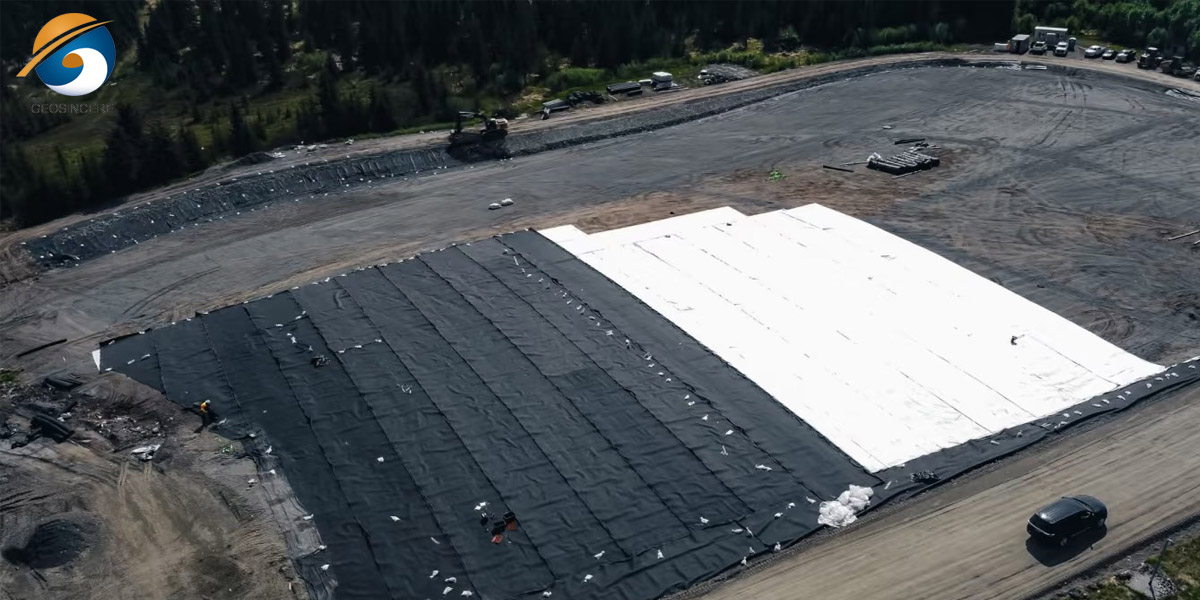
1. Nonwoven Needle Punched Geotextile and Manufacturing Process
1.1 Raw Materials
In the production of nonwoven geotextiles, 100% virgin PP or PET fibers are used. These materials are known for their high tensile strength, chemical stability, and resistance to biological degradation, which means that the final products will be of the same quality and have a long service life regardless of the type of soil and environment.
1.2 Fiber Structure
Based on random fiber orientation, a nonwoven 3D structure is composed of fibers fixed in such a manner to provide excellent flexibility and elongation. The geotextile, thus, can be used on uneven ground surfaces without losing its functions: filtration, drainage, or load bearing.
1.3 Manufacturing Technology
Nonwoven geotextile is manufactured by mechanical needle-punching. The process of fiber entanglement is achieved mechanically (without binder chemicals) thus ensuring uniform thickness and a stable internal structure which imparts the product with good mechanical strength and hydraulic performance.
1.4 Product Types
Nonwoven needle punched geotextile is manufactured from continuous filaments as well as staple fibers. Depending on the project requirements, soil conditions, and application needs, the engineer or contractor can select from either type to meet their performance criteria.
1.5 Performance Consistency
The controlled manufacturing process guarantees physical, mechanical, and hydraulic properties not to deviate from the product range throughout the batch. Thus, the needle punched geotextile has high permeability, provides reliable strength, and withstands wear and tear over time even in very harsh construction and environmental conditions.
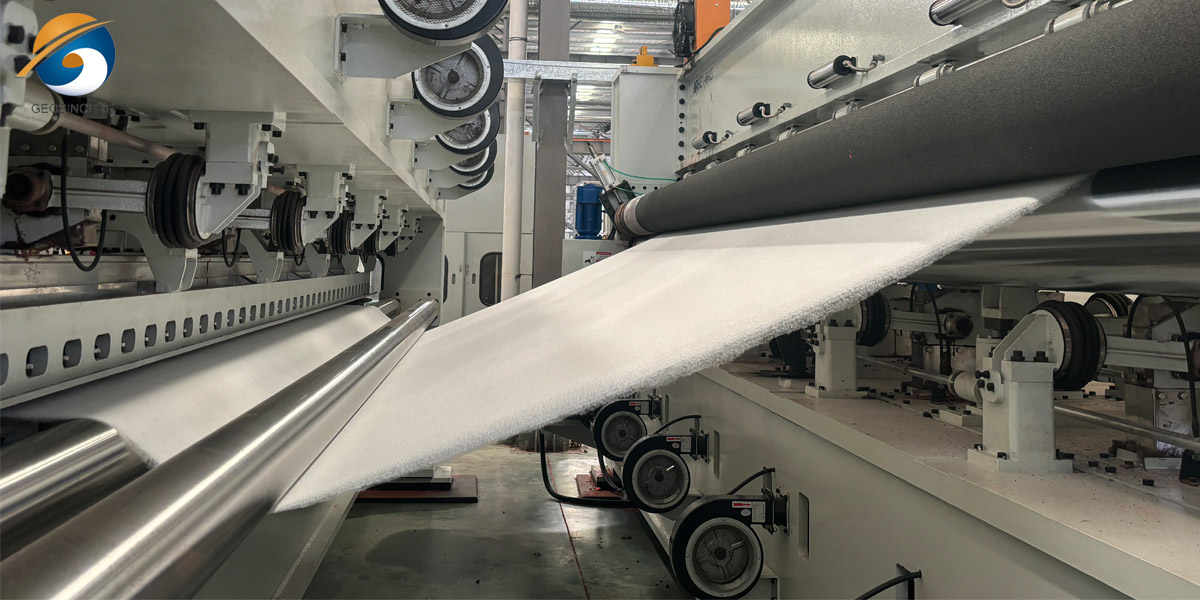
2. Nonwoven Needle Punched Geotextile Key Functions
2.1 Filtration
A needle punched geotextile fabric is an effective filter since it allows water to easily pass through it while fine soil particles are being retained. It is these functions that prevent soil erosion, keep clogging at bay, and ensure that there will be continued permeability of drainage or filtration systems for years to come.
2.2 Drainage
A non woven needle punched having such features of high permeability and interconnected voids can allow water to flow easily into soil pores, hence it is able to drain the soil quickly. By channeling water efficiently, it thus becomes the reduction of the hydrostatic pressure along with enhanced drainage system performance.
2.3 Separation
Nonwoven geotextile, used as separation layer, prevents the intermixing of different soils, depth of subgrade and aggregate base. This prolongs the life of construction by increasing the strength of load bearing and maintaining the structure stable.
2.4 Protection
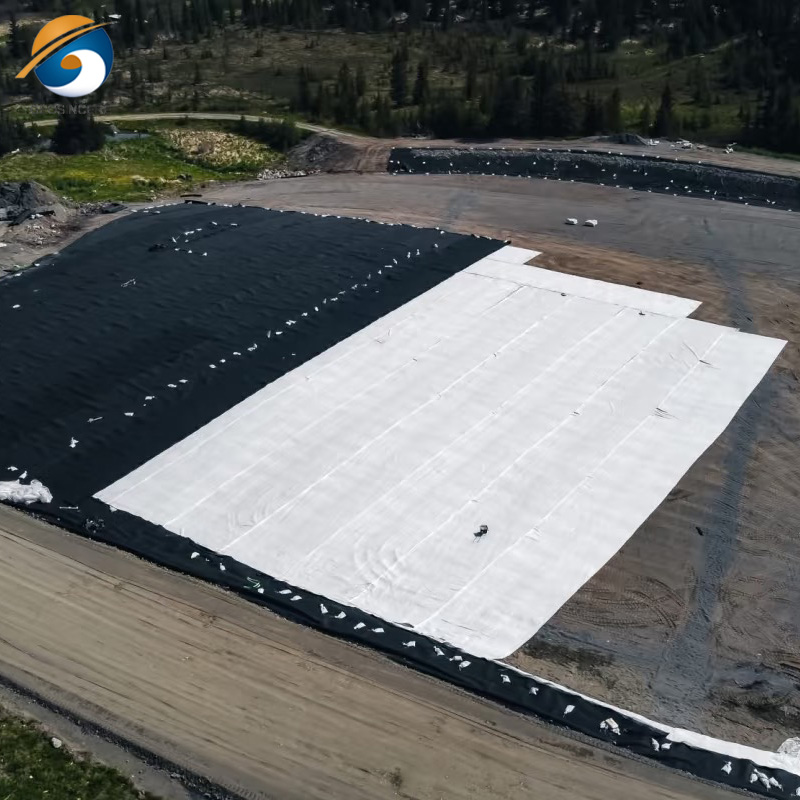
The non woven geotextile fabric provides a protective layer to geomembranes and other geosynthetics by the very fact that it acts as a cushion against sharp objects, uneven ground and mechanical wear. In this way, the risk of puncturing and damaging of the membrane during work as well as the whole operating period is minimized.
2.5 Reinforcement
Non woven filter fabric facilitates better load redistribution within soil structures by reinforcing weak or unstable grounds. Its tensile strength and elongation properties feature overall soil stability, hence performing better with repeated and dynamic loads.
3. Nonwoven Needle Punched Geotextile – Technical Advantages
3.1 High Mechanical Strength
Needle-punching process twists fibers onto each other to produce a strong, homogeneous fabric structure. This geotextile non woven filter fabric acquires a high level of tensile strength and puncture resistance which makes it capable of carrying heavy loads and withstands the stresses during installation without losing integrity throughout its service life.
3.2 Superior Filtration and Drainage Performance
The irregular arrangement of fibers and regulated thickness of non woven geotextile drainage fabric allow for high permeability and water flow capacity. This feature gives an effective filtration of finer soil particles whilst stagnation is avoided at the same time and drainage is such that excess water can be quickly removed to lower the pressure exerted by water in the pores of the soil.
3.3 Excellent Separation Function
Non woven geo fabric continues to form a stable separation layer between different soil types. It thus acts as a barrier to the contact of the base and the subgrade materials which leads to the prevention of their degradation. Also, the structural stability is maintained and the service life is extended in engineering works such as roads, railways and embankments.
3.4 Durable and Long-Lasting
The geotextile nonwoven fabric resists chemical attacks, biological degradation and UV radiation. Along with the fiber structure that is mechanically entangled, it guarantees long-term durability as well as dependable performance even under extreme environmental and geotechnical conditions.
3.5 Flexible and Adaptable
The nonwoven needle punched structure makes the fabric flexible and stretchable, hence the fabric is able to mold itself to uneven surfaces and complicated terrain. This characteristic not only makes the installation process easier but also ensures that soil or layers beneath stay in contact with the fabric for optimum performance.
3.6 Cost-Effective Solution
Geo non woven fabric is multifunctional, providing filtration, drainage, separation, protection, and reinforcement at the same time which means fewer materials are used and less maintenance is required. Hence, geo fabric non woven is a cost-effective and highly efficient option for large infrastructure and environmental projects.
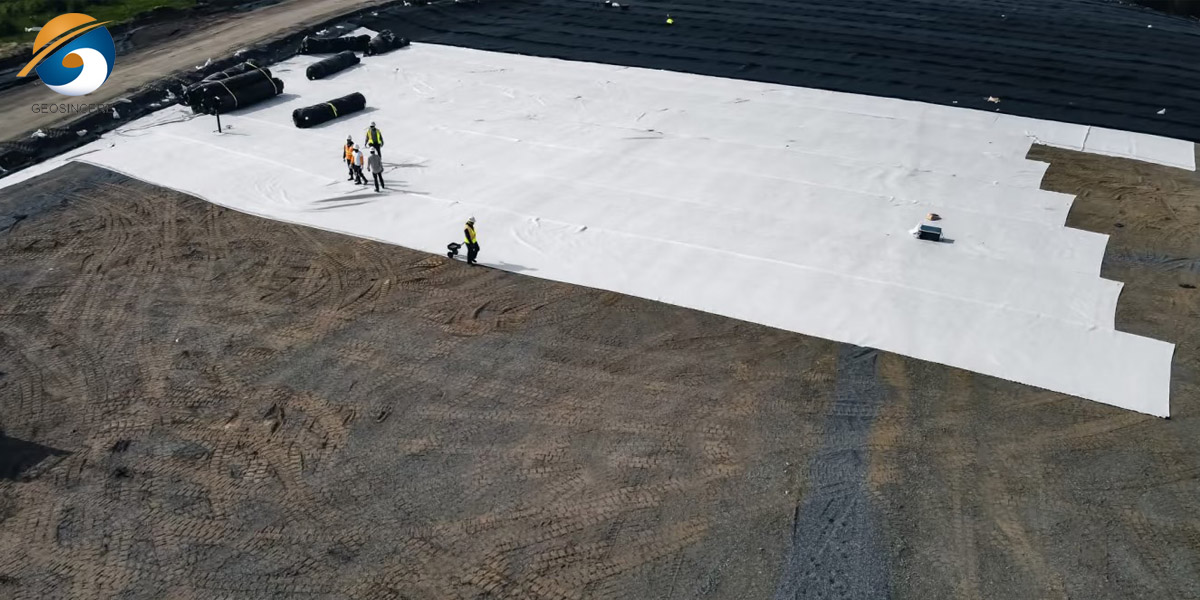
4. Nonwoven Needle Punched Geotextile Applications
4.1 Road, Highway, and Pavement Construction
Non woven polypropylene geotextile finds wide application in the construction of transportation infrastructures as it increases the subgrade stability of roads and highways, provides separation layer between base and subbase layers, and facilitates drainage performance. It is the noteworthy combination of high tensile strength and filtration ability that empowers pavements to be long-lasting and at the same time enables cutting-down on repair and maintenance expenses.
4.2 Railway and Airport Subgrade Stabilization
In the case of railways and airports, the needle punched geotextile is used as separation as well as reinforcement layer that stabilizes subgrade soils, distributes stresses evenly, and prevents soil from being deformed. Its being puncture resistant and tough makes it possible for the nonwoven drainage fabric material to stand up to heavy and impact loads for a long time.
4.3 Drainage Systems and Filtration Layers
One of the essential features of non woven needle punched geotextile is drainage systems and filtration layers. It permits the flow of water while it traps the soil particles thus limiting the risk of clogging, controlling water pressure, and enhancing the overall efficiency of drainage in the landscapes of civil and environmental engineering works.
4.4 Erosion Control and Slope Protection
The non woven geotextile fabric double punched is very effective in controlling erosion of the soil on slopes, embankments, and channels. By offering soil binding and filtering functions, it stops the soil being washed away, is friendly to the growth of vegetation, and ensures the slope is able to withstand the impact of flowing water and other weather-related factors.
4.5 Landfills and Waste Containment Systems
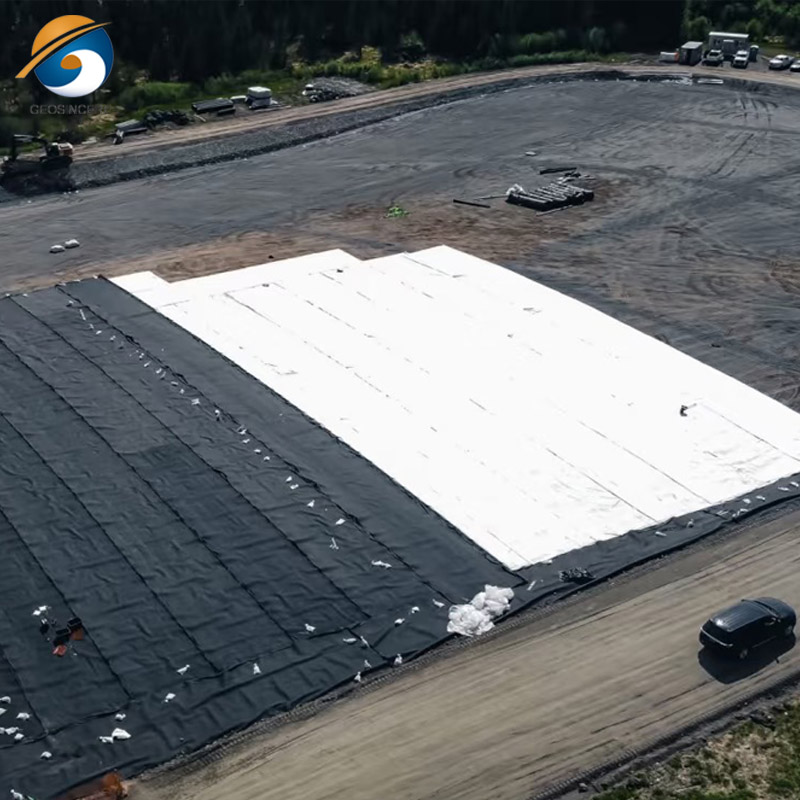
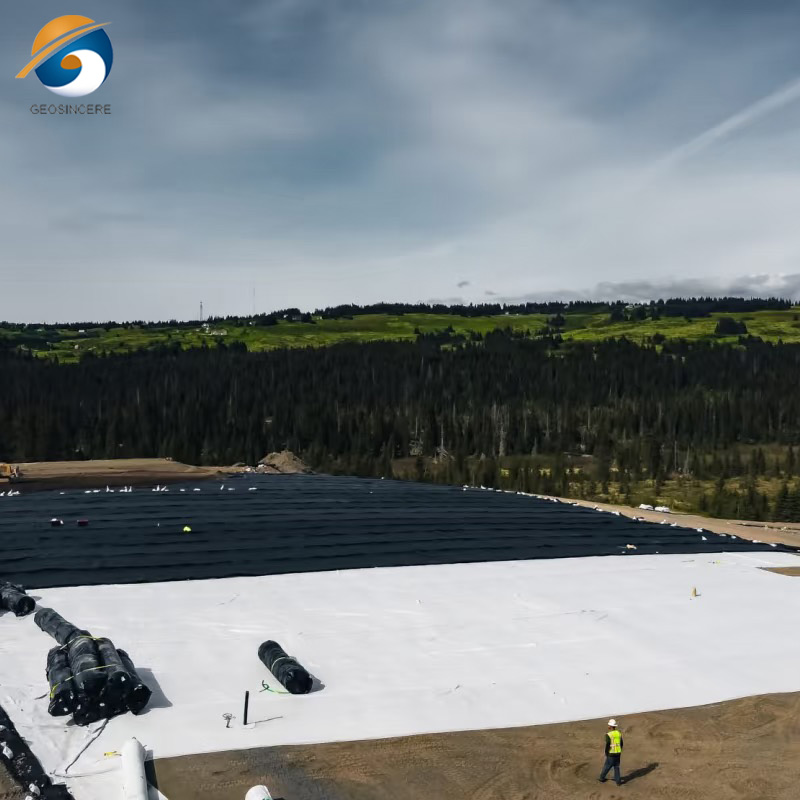
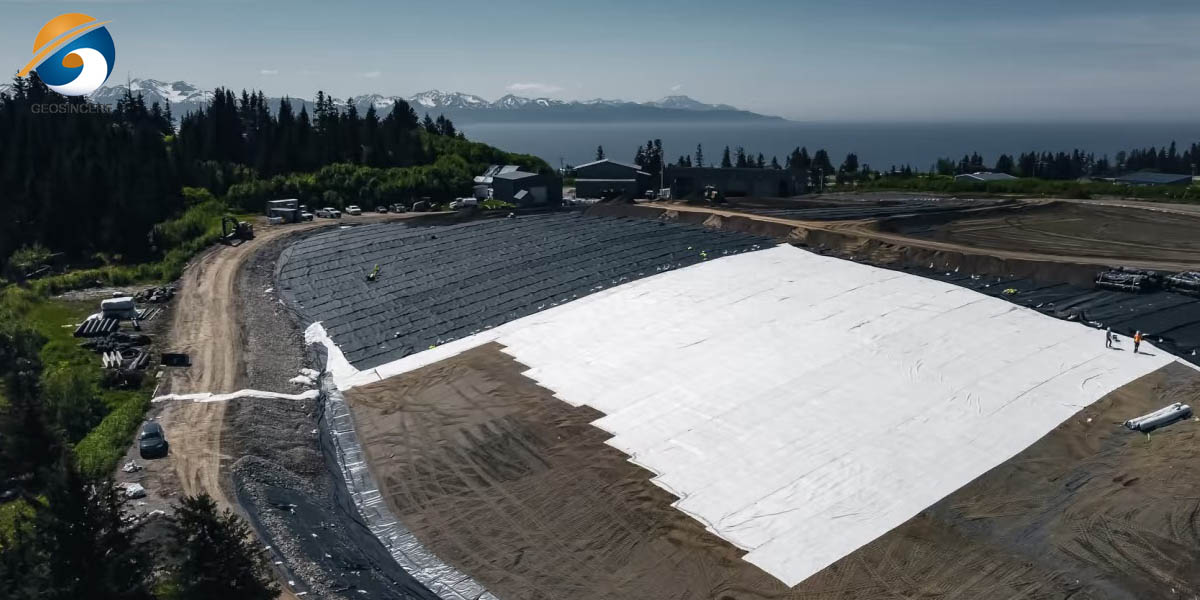
A typical use of nonwoven needle punched geotextile in landfills and waste containment systems is as a protective layer for geomembranes. It not only provides increased filtration of leachate but also cushions against punctures resulting in long-term environmental safety and compliance.
4.6 Pond, Reservoir, and Canal Engineering
Non woven geotextile filter fabric supports the formation of water holding structures, prevents soil degradation, and keeps the structural integrity of water storage facilities by separating and filtering layers of soil through its use in pond, reservoir, and canal construction.
4.7 Environmental and Hydraulic Projects
Nonwoven needle punched geotextile is the best choice for the different environmental and hydraulic engineering fields. It reinforces the earth surface, allows proper runoff and filtering thus protecting geosynthetic layers even in harsh conditions which ultimately leads to sustainable and reliable infrastructure.
5. Nonwoven Needle Punched Geotextile Quality Standards
5.1 Compliance with International Standards
The production of best non woven geotextile fabric is aligned with international standards such as ASTM, ISO, and EN. Hence, the product is guaranteed to meet the high-quality requirements set for civil, environmental, and hydraulic engineering on a global scale.
5.2 Strict Quality Control and Virgin Materials
GEOSINCERE Geosynthetics uses very stringent quality control methods at every stage of manufacture, from raw materials to completed products. The use of 100% virgin polypropylene or polyester fibers only results in a product that is not only high in mechanical and hydraulic performance but also environmentally friendly and long-lasting.
5.3 Physical, Mechanical, and Hydraulic Testing
To ensure that the product is capable of withstanding construction and environmental challenges, a thorough series of tests such as tensile strength, elongation, puncture resistance, permeability, and filtration performance is carried out on samples of geotextile from each production batch.
6. Nonwoven Needle Punched Geotextile – FAQ
Q1: Can the geotextile be customized?
A1: Certainly, GEOSINCERE Geosynthetics is capable of manufacturing nonwoven needle punched geotextile that matches the desired weight (100–800 g/m²), thickness, width, and roll length for your project.
Q2: Is it resistant to chemicals and UV?
A2: It certainly is. The nonwoven needle punched geotextile that is made from virgin PP or PET fibers is basically immune to most chemicals, UV rays, and even biological degradation which means its performance will be lasting in any given environmental condition.
Q3: How is it installed?
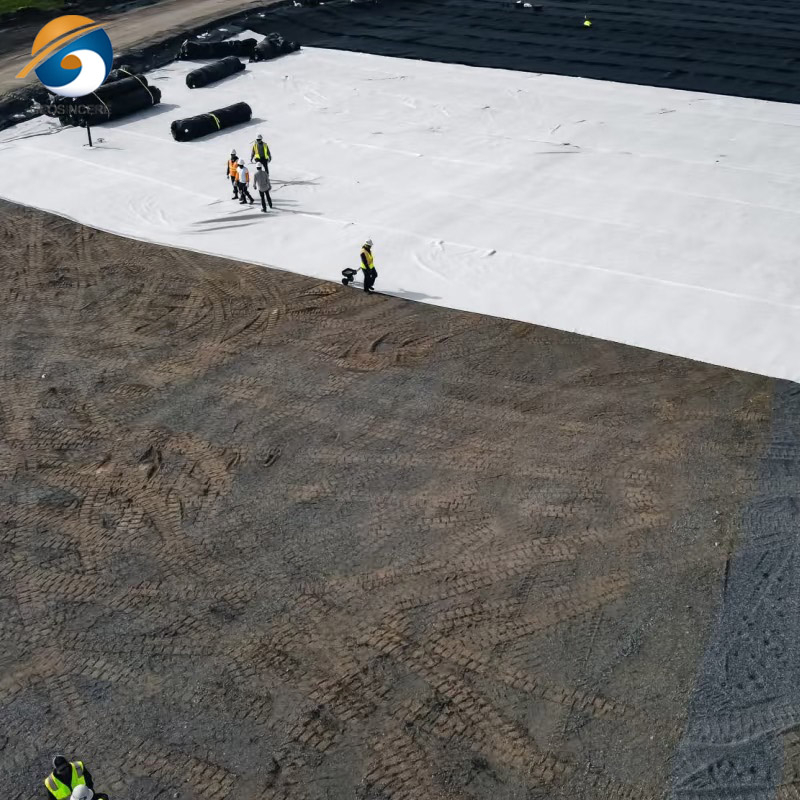
A3: If you are using the geotextile, simply unroll it on the soil or subgrade surface that has been properly prepared. Overlaps should be done as per the designer's instructions and the fabric can be secured with pins, staples, or by backfilling to prevent it from moving during construction.
Q4: Can it be used in combination with geomembranes?
A4: Yes, nonwoven needle punched geotextile is often used as a protective or cushion layer over geomembranes in landfills, reservoirs, ponds, and other containment projects to prevent puncture, enhance filtration, and improve overall system stability.
Q5: What makes GEOSINCERE geotextile different from competitors?
A5: GEOSINCERE geotextile uses 100% virgin fibers, advanced needle-punching technology, strict quality control, and can provide fully customized solutions. This ensures superior mechanical strength, long-term durability, and reliable performance in all engineering and environmental applications.
Summary
For high-performance geotechnical and environmental projects, Shandong Geosino New Material Co., Ltd. (GEOSINCERE Geosynthetics) Nonwoven Needle Punched Geotextile offers a reliable and cost-effective solution. With advanced needle-punching technology, 100% virgin fibers, and strict quality control, GEOSINCERE geotextiles deliver superior filtration, drainage, separation, protection, and reinforcement functions. Trusted by engineers and contractors worldwide, GEOSINCERE ensures consistent quality, long-term durability, and tailored solutions to meet the specific needs of your project.


