What is HDPE Membrane Price?
In the field of civil engineering, environmental protection, mining containment, and water management, HDPE membrane—also known as HDPE geomembrane—has become one of the most widely used impermeable materials. Whether it is a landfill, a reservoir, a fish pond, a mining site, or a tunnel waterproofing project, HDPE membrane is often the first-choice solution for long-term waterproofing and containment performance.
Because of this high demand, one question frequently asked by global buyers is:
“What is HDPE membrane price?”
Although the question looks simple, HDPE membrane pricing varies widely depending on thickness, raw materials, production standards, manufacturing technology, application conditions, and transportation cost. For contractors and distributors who are planning for budget control and project estimation, understanding the real cost factors of HDPE geomembrane is extremely important.
As the operation team of GEOSINCERE Geosynthetics, this article will provide a professional, transparent, and practical explanation to help you clearly understand HDPE membrane prices and how to select the most cost-effective solution for your projects.
1. What is HDPE Membrane?
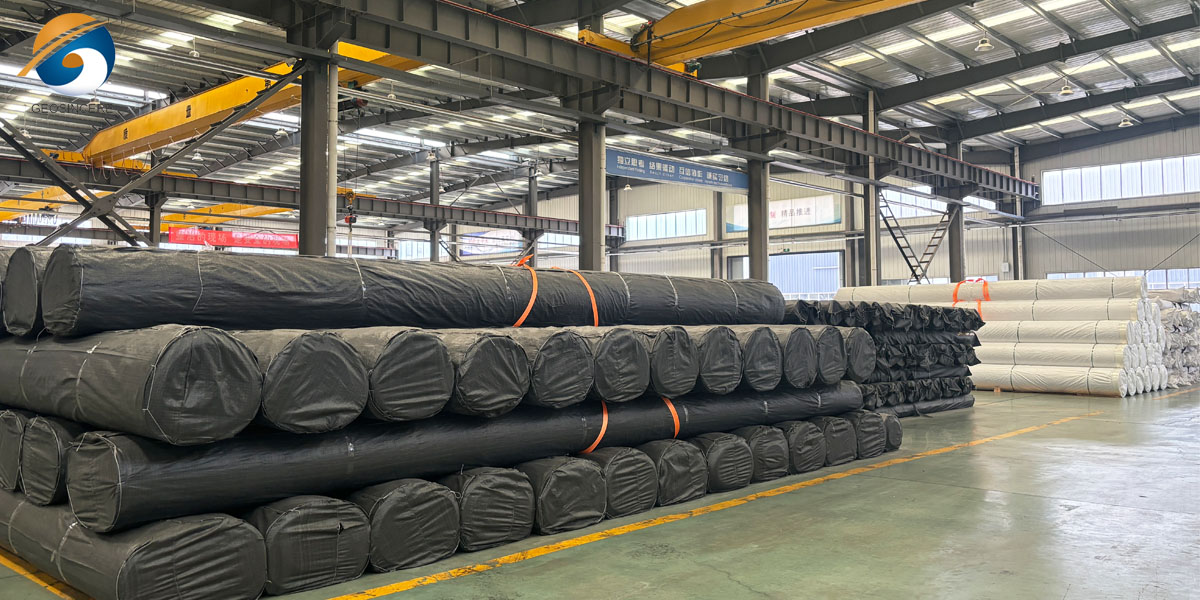
HDPE membrane, also known as High Density Polyethylene geomembrane, is a premium impermeable liner widely used in civil engineering, environmental protection, mining, aquaculture, and waste management projects.
It is produced through advanced extrusion, blown film, or flat-die manufacturing processes, which ensure uniform thickness, excellent mechanical strength, and superior barrier properties. As one of the most durable geomembrane materials in the market, HDPE membrane liner has become a global standard for long-term waterproofing and containment systems.
Key Features of HDPE Membrane
1.1 Exceptional Impermeability
HDPE membrane sheet has an almost zero water absorption rate, creating an effective waterproof barrier.
Its permeation coefficient is extremely low, making it ideal for projects that demand strict leakage prevention, such as landfills, ponds, reservoirs, and mining heap leaching.
1.2 Outstanding Chemical Resistance
The membrane resists:
- Strong acids
- Strong alkalis
- Salts
- Organic solvents
- Industrial wastewater chemicals
This makes it a preferred choice for landfills, chemical plants, tailing ponds, and hazardous waste containment.
1.3 High Mechanical Strength
HDPE geomembrane is well-known for:
- High tensile strength
- Puncture resistance
- Tear resistance
- Stress crack resistance
These mechanical properties ensure stability under harsh installation conditions, such as uneven foundations or heavy loads.
1.4 UV and Aging Resistance
HDPE contains antioxidants and carbon black that provide excellent anti-aging, UV stability, and weather resistance.
It performs reliably under long-term exposure to sunlight, heat, and fluctuating temperatures, making it suitable for outdoor installations in hot, cold, or harsh climates.
1.5 Long Lifespan (50 Years or More)
Under proper installation and protection conditions, membrane hdpe can last 50–70 years, making them a long-term, cost-effective solution for infrastructure and environmental projects.
These features explain why hdpe impermeable membrane has become the global benchmark material for modern waterproofing and containment engineering.
2. What is the Price Range of HDPE Membrane Price?
HDPE membrane prices vary by thickness, standards, and market conditions.Below is a general international pricing reference (FOB China):
Common HDPE Membrane Price Range
Thickness | Typical Price (FOB) |
0.5 mm | USD 0.80 – 1.20 / m² |
0.75 mm | USD 1.20 – 1.60 / m² |
1.0 mm | USD 1.50 – 2.00 / m² |
1.5 mm | USD 2.20 – 2.80 / m² |
2.0 mm | USD 3.00 – 3.80 / m² |
The price fluctuations depend on crude oil cost, production technique, market demand, and international freight. For premium projects requiring higher performance such as GRI-GM13 standard or landfill lining, prices may increase by 10–25%.
3. Why Do HDPE Membrane Price Differ Among Suppliers?
When buyers compare prices from China, India, UAE, Turkey, or other countries, they often find significant differences. This is common because hdpe geo membrane costs are influenced by:
3.1 Raw Material Quality (Virgin vs Recycled HDPE)
100% virgin HDPE resin → Higher price, longer lifespan
Mixed or recycled pellets → Cheaper but weaker mechanical performance
Many low-priced membranes use recycled materials, which significantly reduce durability.
At GEOSINCERE Geosynthetics, we strictly use 100% virgin HDPE resin from CNPC/SINOPEC.
3.2 Production Technology
HDPE membrane manufacturing requires:
- Blown film or extrusion production lines
- Automatic thickness control
- Double-sided texturing equipment
- Online quality monitoring systems
Factories with advanced production lines deliver higher and more stable quality, but the cost is also higher.
3.3 International Standards
Three major standards highly influence HDPE geo membranes pricing:
- GRI GM13 standard (Landfill grade – premium quality)
- ASTM standard (Common engineering grade)
- Chinese GB standard (General quality)
The higher the standard, the higher the geomembrane price.
3.4 Thickness Tolerance
Some suppliers reduce thickness to cut cost.
Example: A “1.0 mm” membrane that is only 0.85 mm thick.
This directly reduces production cost by 15–25%.
However, it is unsafe for long-term projects.
GEOSINCERE Geosynthetics ensures thickness using ±3% tolerance with laser monitoring.
3.5 Surface Type: Smooth vs Textured
Textured HDPE membrane has:
- Higher friction coefficient
- Additional processing steps
- 10–20% higher cost
3.6 Supply Capacity and Production Scale
Large, experienced manufacturers can:
- Maintain stable pricing
- Offer bulk discounts
- Ensure consistent quality
Smaller factories often fluctuate in price due to limited capacity.
3.7 Packaging and Customization
Customized membrane width/length, logo printing, and reinforced packaging can slightly increase cost.
3.8 Transportation and Sea Freight
For heavy products like HDPE liner, freight cost is a major price factor.
Example:
- 20GP can load ~15–17 tons
- 40HQ can load ~26–28 tons
In some markets (e.g., Africa, South America), freight may even exceed product cost.
4. How to Judge Whether an HDPE Membrane Price is Reasonable?
To evaluate price, consider these factors:
4.1 Does the supplier use virgin HDPE?
Ask directly:
"Is your HDPE membrane produced with 100% virgin resin?"
Request the SDS ➝ genuine suppliers always provide it.
4.2 Check the certificate and test report
Reliable suppliers provide:
- GRI-GM13 test report
- ASTM standard performance sheet
- CE certificate
- Factory inspection report
4.3 Compare membrane thickness with real measurement
Use a micrometer upon receiving goods.
4.4 Review welding performance
Virgin hdpe geomembrana weld easily and firmly.
Recycled geomembrane sheet have weak welding seams.
4.5 Ask about warranty
Good manufacturers offer 5–10 years warranty for general use projects.
5. HDPE Membrane Applications That Affect HDPE Membrane Price
Various applications require different standard levels for technical aspects that directly affect the final price of HDPE geomembrane.
5.1 Landfills
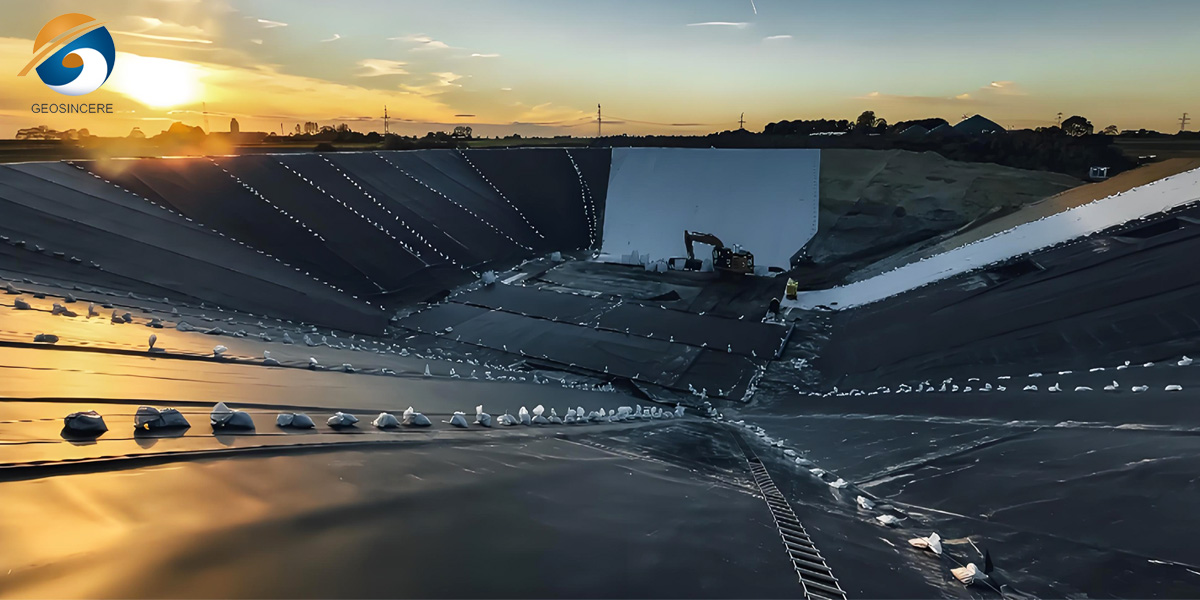
For a landfill liner, it is necessary to comply with GRI-GM13 standards, which means that the product has to have good tensile strength, puncture resistance, and chemical resistance. Since the surroundings may have metallic and sharp wastes, gases, and the leachate, thick membranes of 1.5–2.0 mm are most often used. These harsh requirements result in a higher total price.
5.2 Mining Heap Leaching
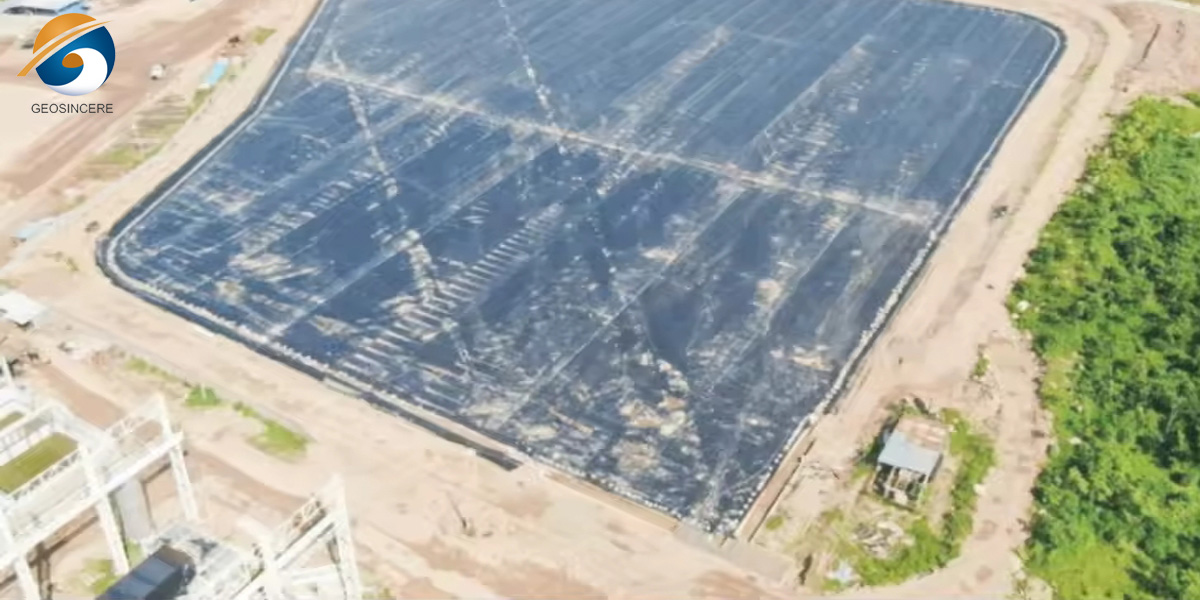
Mining activities use a number of very aggressive chemicals, such as cyanide or acids, so the membranes have to be not only highly resistant to chemicals, but also durable for a long period of time. The high density polyethylene geomembrane may be required to have special formulations to resist high temperatures and heavy pressure of the ore. The demand moves heap leach HDPE liners price range from medium to high.
5.3 Aquaculture Ponds
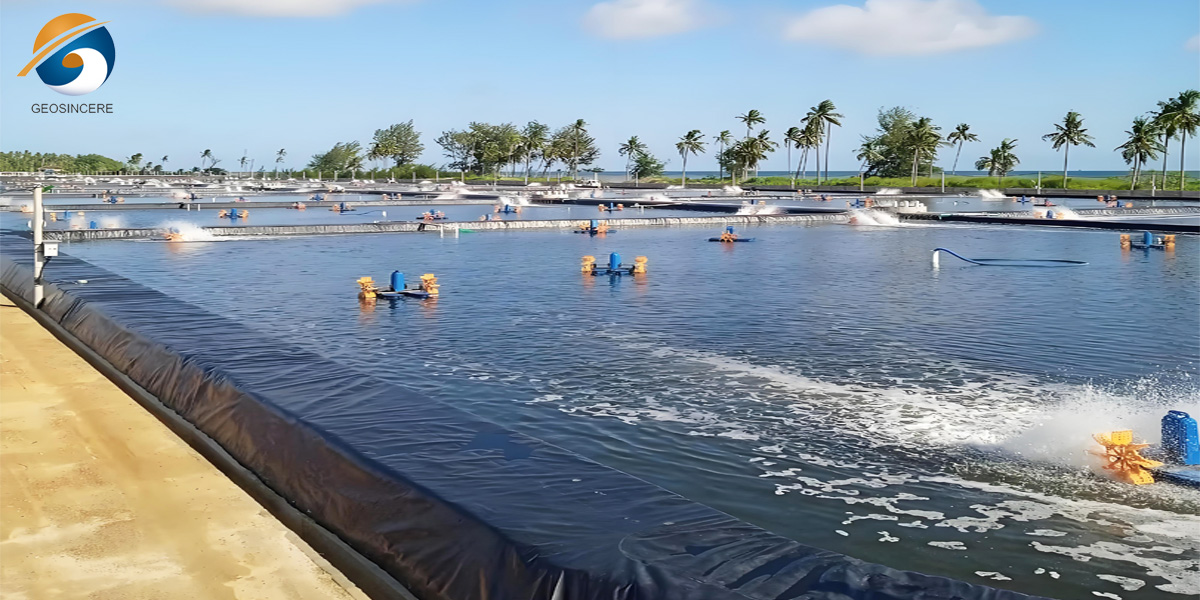
In the case of a fish, shrimp, or agricultural pond, the geo membrane sheet is usually 0.5–1.0 mm and serve the general waterproofing needs. The ecosystem is quite gentle, so no chemically high or mechanically strong properties are required. Thus, aquaculture membranes are still at a lower price level than the rest of the membranes.
5.4 Water Reservoirs
Reservoir lining needs geomembrana in hdpe of 1.0–1.5 mm, and they should be strongly resistant to UV and weather as they will be outdoors. The membranes are to completely block the seepage, help in keeping the water clean, and also be strong against the sunrays for a long period of time. These intermediate technical parameters put the reservoir-grade HDPE liners at a medium price level.
5.5 Wastewater Treatment Plants
In wastewater treatment plants, there are corrosive liquids, sludges, and various industrial chemicals. Lining materials made of HDPE have to exhibit excellent anti-corrosion properties, high chemical resistance, and long service life. Because of the requirement for a stricter material formulation and greater thickness, these membranes are usually higher in price.
5.6 Tunnel Waterproofing
The waterproofing system of a tunnel normally consists of a composite material made out of EVA and HDPE, thus giving the structure flexibility, impermeability, and the ability to resist mechanical stress. The components should withstand not only movements of the structure but also changes in pressure and high humidity. These sophisticated engineering demands lead to a higher price of the product.
6. How to Get the Best HDPE Membrane Price for Your Project?
GEOSINCERE Geosynthetics, a prominent manufacturer of geosynthetics, suggests a few ways through which worldwide buyers can decrease their overall project costs.
6.1 Purchase the products in full container loads (FCL).
Words per unit of freight effectively drop when a full container is shipped. Alongside the freight cost decrease, the packaging cost is also minimized, and production scheduling is made more efficient, thus, a more economical price per square meter is achievable.
6.2 Decide on the correct thickness—neither too high nor too low.
By obtaining a proper specification one can both avoid spending extra money and technically meet the requirements. As an example: fish ponds 0.75 mm, reservoirs 1.0 mm, landfills 1.5–2.0 mm.
6.3 Mix the load with other geosynthetics to be able to save the cost of a container.
GEOSINCERE Geosynthetics can package various products such as HDPE membrane, geotextile, geogrid, and drainage board in one container. In this way, customers are helped to optimize freight and minimize logistic costs.
7. Why Choose GEOSINCERE Geosynthetics HDPE Membrane?
GEOSINCERE Geosynthetics is a dependable provider of globally certified geomembrane liner. The entire range of products is made utilizing 100% virgin HDPE resin and meets quality standards ISO9001 and GRI-GM13. GEOSINCERE Geosynthetics is capable of delivering consistent quality at a competitive factory price due to its state-of-the-art fully automated production lines and strong export experience in more than 85 countries. To facilitate customer evaluation and project planning, free samples are provided.
8. Conclusion
The cost of an HDPE membrane depends on a variety of factors, such as its thickness, the purity of the material, the production technology, the international standards, the market demand, and the sea freight. So, it is not possible to provide one fixed price without detailed specifications. Typically the FOB price varies from 0.8 to 3.8 USD/m² according to the required standard. If you need quality that you can trust, a fair price, a stable supply, and the quick delivery of your goods, then Shandong Geosino New Material Co., Ltd.(GEOSINCERE Geosynthetics)is the one to provide you with the solution that is both professional and cost-effective.